The assassination of John Jairo Torres Torres—universally known as "John Calzones" (John Underpants)—in late September 2026 sent shockwaves through the Orinoquía region and Colombian national politics alike. Gunman killed the controversial businessman, former mayor of Yopal, and convicted politician at one of his rural estates, abruptly ending a life defined by an extraordinary ascent from humble street commerce to sweeping real estate empires, intense judicial scrutiny, and populist politics.
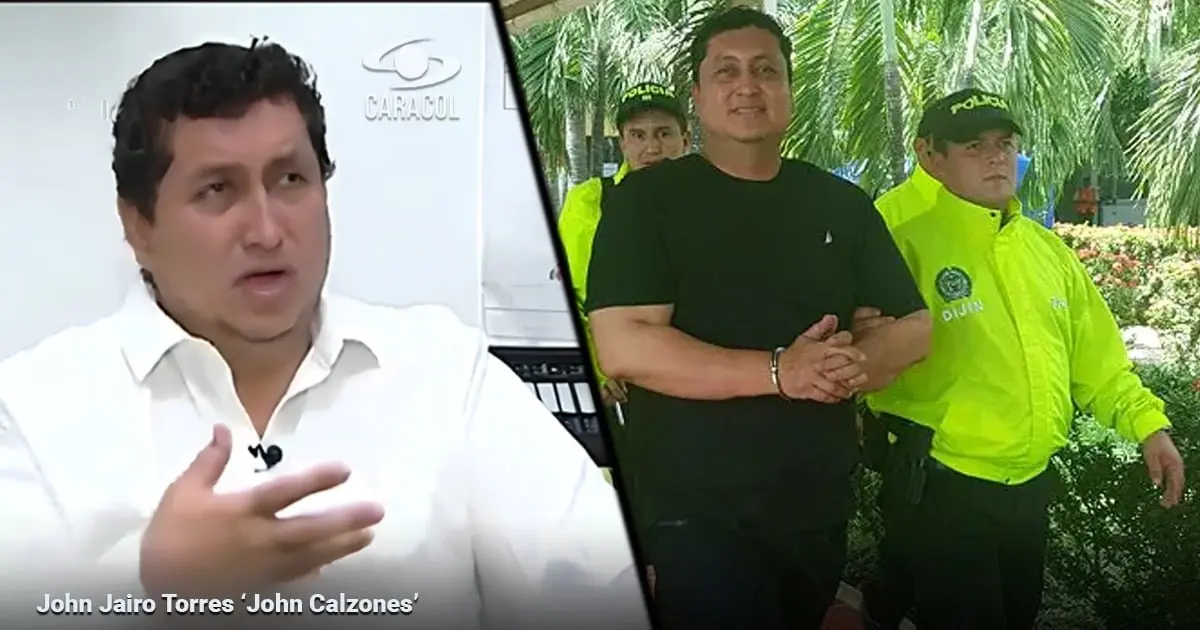
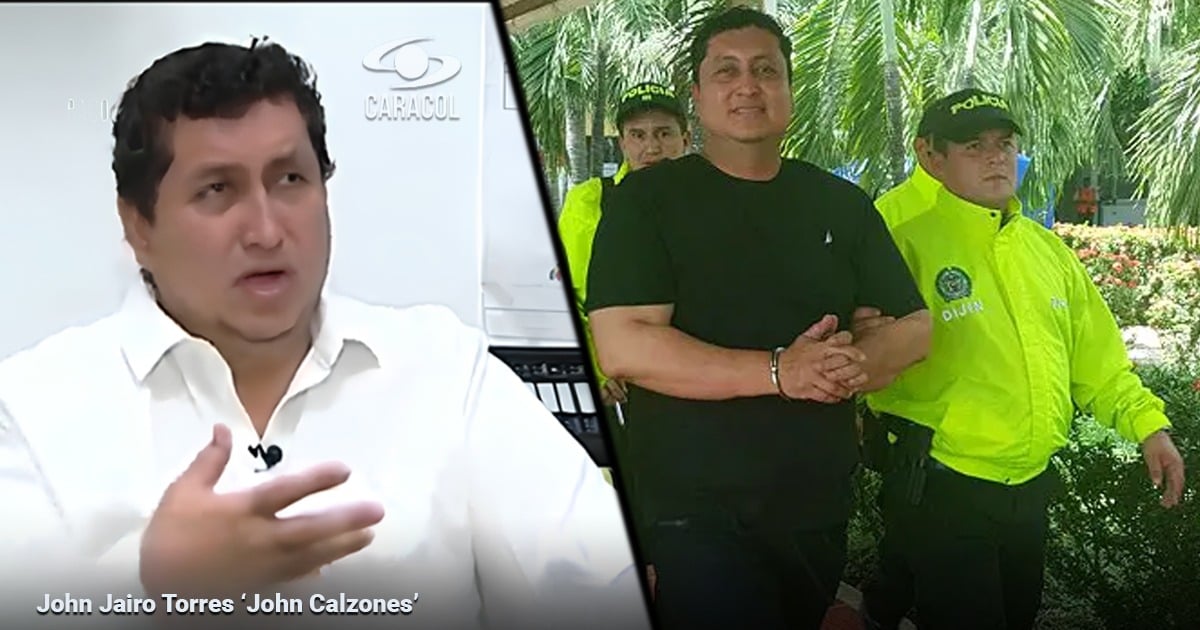
Torres’s public notoriety peaked in February 2015 when, as a frontrunner candidate for the mayoralty of Yopal (the capital of Casanare), he sat down for his first major television interview with Noticias Caracol. Conducted in a second-floor office that once housed his popular women’s lingerie store, "Caricias Íntimas" (Intimate Caresses)—the origin of his unapologetic moniker—the interview laid bare the central paradox of his public persona: a self-made entrepreneur whose meteoric accumulation of land and wealth collided head-on with systemic allegations of corruption, land grabbing of state property, and alleged ties to organized crime.
At the heart of the controversy was the creation of the Ciudadela La Bendición, a sprawling informal urban development built across 4,000 hectares of land in Casanare. According to subsequent investigations by the Supreme Court of Justice and land regulatory agencies, Torres acquired these massive tracts without adhering to urban planning laws, bypassing the municipal Territorial Ordering Plan (POT), and—most critically—commercializing state-owned vacant lands (tierras baldías) that legally belonged to the nation and were entirely off-limits to private development.
Torres’s violent death in 2026 occurred under a cloud of ongoing suspicion. Weeks before he was gunned down, Torres had published a video on social media promoting a new business venture as a chorizo producer. Ironically, investigators believe this very broadcast may have alerted his assassins to his whereabouts, as he had retreated to his rural farm after noting that urban Yopal had become too dangerous—or, in his own words, "the patch was too hot." While investigators probe whether his murder is tied to his decades-long web of real estate transactions and legal battles, his death closes a tumultuous chapter in modern Colombian regional politics.
Chronology: From Lingerie Vendor to Mayor and Beyond
The trajectory of John Jairo Torres Torres is a case study in the intersection of unregulated regional commerce, informal land markets, and populist political ambition in Colombia.
The Origins (Pre-2015): Torres begins his commercial life as a street vendor and small-scale merchant in Yopal, eventually opening a successful women’s lingerie shop, "Caricias Íntimas." Over time, he transitions from retail into rural investments and land acquisition, buying thousands of hectares in the Casanare department.
February 2015: Seeking legitimate political power, Torres grants his first major television interview to Noticias Caracol. He addresses public skepticism regarding how a former lingerie vendor managed to acquire millions of dollars in land, admitting to purchasing properties from individuals under investigation by the state.
Late 2015: Capitalizing on the immense popularity of the Ciudadela La Bendición housing project—which provided affordable, albeit illegal, housing to thousands of low-income families—Torres wins the mayoral election of Yopal, stepping into office despite mounting legal clouds.
2016–2017: Judicial authorities intensify their scrutiny of Torres. The Supreme Court and the Superintendency of Notary and Registry uncover a massive judicial and administrative cartel involving local judges and registrars who were illegally titling thousands of hectares of state-owned baldíos to private individuals. Torres faces severe legal action, including charges of conspiracy, illegal land appropriation, and money laundering (testaferrato), leading to his temporary imprisonment and suspension from office.
2018–2025: Torres navigates a labyrinth of legal defenses, trying to maintain his political and economic influence in Casanare. Despite continuous judicial setbacks and public scandals, he remains a vocal, populist figure in local business and regional politics.
September 2026: Sensing rising security threats and stating that urban Yopal has become too dangerous, Torres retreats to his private rural estate. He records and publishes a social media video advertising a new business venture as a chorizo producer. Days later, professional sicarios (hitmen) on motorcycles track him down to his farm and assassinate him in a hail of bullets.
Supporting Data: The Anatomy of Land Grabbing in Casanare
The controversy surrounding Ciudadela La Bendición was not an isolated incident; rather, it was the most visible symptom of a systemic, multi-billion-peso land-theft apparatus operating in the Casanare and Meta departments during the mid-2010s.
During the 2015 investigative cycle, government officials revealed staggering figures concerning the illegal appropriation of public lands:
The Land Volume: The Supreme Court discovered that corrupt local judges and judicial operators in Casanare and Meta had fraudulently titled more 4,200 public vacant lots (baldíos) to private individuals. In one specific registry office in Monterrey, court rulings attempted to illegally prescribe over 12,000 hectares of land in a single sweep.
Strategic Value: These lands were originally earmarked by the national government for post-conflict land restitution and agrarian reform programs, anticipating the successful conclusion of peace talks with guerrilla groups. Instead, they were funneled into private hands.
The Purchase Price: When questioned by journalists about how he financed his initial land acquisitions, Torres openly detailed his transactions. He stated that his first major purchase involved 60 hectares bought for 2.400 million Colombian pesos (roughly $1 million USD at the February 2015 exchange rate), breaking down to approximately 40 million pesos per hectare.
The Vendor Connection: The seller of these critical tracts was Carlos Contreras, a figure heavily investigated by Colombian authorities for alleged ties to illegal armed groups and subjected to asset forfeiture proceedings (extinción de dominio). Torres publicly defended the transaction by claiming he merely heard Contreras was "improving some land and planting pasture," downplaying any illicit connections.
The Transformation: On these disputed lands, Torres constructed Ciudadela La Bendición. While the project delivered thousands of housing plots to marginalized populations—generating massive electoral dividends that secured his mayoral victory—it completely ignored urban development codes, municipal expansion limits, and national property laws.
Official Responses and Institutional Reactions
The explosive growth of informal housing developments and the systematic plundering of public lands triggered severe alarms across Colombia’s judicial and regulatory apparatuses, prompting strong rebukes from state officials.
The Superintendency of Notary and Registry
Jorge Enrique Vélez, who served as the Superintendent of Notary and Registry during the height of the scandal, offered a chilling assessment of how real estate fraud had evolved in Colombia. In his warnings to investigative journalists, Vélez famously remarked:
"Land in Colombia is no longer stolen ‘p a p’ [plata o plomo—silver or lead]; it is stolen with legal artifice."
Vélez’s statement underscored a profound shift in organized crime and corruption. Rather than relying solely on armed intimidation or raw cash bribes, criminal networks were co-opting the judicial system—specifically local judges, notaries, and registrars—to issue fraudulent legal titles that laundered stolen state territory into seemingly legitimate private property.
Local Registrars and the Judiciary
Mario Enrique Navarro, who assumed the role of Registrar of Instruments in Yopal during the crisis, exposed the brazen scale of the administrative maneuvers he encountered upon taking office. Navarro recounted how fraudulent rulings routinely landed on his desk:
"Two months [after taking office], a ruling from the Monterrey court arrived prescribing 11,000 hectares. Then a clarification to that sentence was made: that it wasn’t 11,000 but 12,000 hectares. Therefore, I did not give it the corresponding processing because it did not comply with an existing conservation plan."
That conservation plan was vital, as it protected territories designated for future peace-building initiatives. Yet, local judicial corruption routinely bypassed these restrictions to benefit private developers and political operators like Torres.
Torres’s Defense
For his part, John Jairo Torres consistently rejected accusations of criminality, framing his success as the product of relentless labor. Defending himself against charges of acting as a front man (testaferrato) for illegal syndicates, Torres maintained that his capital originated entirely from his decades of grueling work as a commercial merchant and agricultural investor.
"I was never lazy when it came to working," Torres repeatedly asserted, maintaining that his transition from selling women’s underwear to acquiring multi-billion-peso real estate portfolios was the result of astute business acumen rather than illicit backing.
Implications: The Legacy of "John Calzones"
The life, career, and violent death of John Jairo Torres Torres carry profound implications for the department of Casanare and the broader landscape of Colombian democracy.
The Perils of Populism and Informal Urbanism: Torres demonstrated how unregulated land developments can be weaponized for political gain. By providing land and shelter to the urban poor—albeit on illegal, state-owned property—he cultivated a fiercely loyal base of constituents who overlooked his legal entanglements in exchange for housing solutions that the state had failed to provide.
The Evolution of White-Collar and Judicial Corruption: The scandals surrounding Ciudadela La Bendición exposed the deep vulnerabilities of Colombia’s land registry and judicial systems. The ease with which public baldíos could be converted into private real estate through collusive court rulings highlighted the urgent need for structural judicial reform in peripheral regions.
Unresolved Violence in Regional Politics: Eleven years after his landmark television interview and the initial investigations into his empire, Torres’s assassination in late 2026 proves that the shadows of his past business dealings never truly dissipated. Whether his murder was a settling of accounts related to land disputes, political rivalries, or his newer commercial ventures remains an open question for investigators.
Ultimately, the story of John Calzones remains a stark reminder of the fragile boundary between legality and illegality in regional Colombia—a world where street smarts, legal loopholes, and political ambition could temporarily elevate a lingerie vendor to the mayoral palace, only for the rule of law and violent reckoning to catch up in the end.






Leave a Reply