

By Environmental Policy and Energy Desk
Published: March 2026
Introduction: The Double-Edged Sword of Sustainable Innovation
The global pivot toward renewable energy is fraught with complex compromises. For all its grand ambitions—decarbonizing the grid, cutting methane emissions, and achieving energy independence—the green transition often plays out at a hyper-local level. It manifests in the backyards of unsuspecting rural communities, where the abstract triumphs of climate policy meet the visceral, unmistakable reality of daily life next door.
Such is the unfolding drama in Lynchburg, Tennessee, a historic community globally renowned for the slow, meticulous drip of America’s most famous whiskey. Recently, this picturesque town became the testing ground for an ambitious bioenergy project designed to turn the sticky, pungent liquid byproducts of the whiskey-making process into clean, renewable natural gas (RNG).
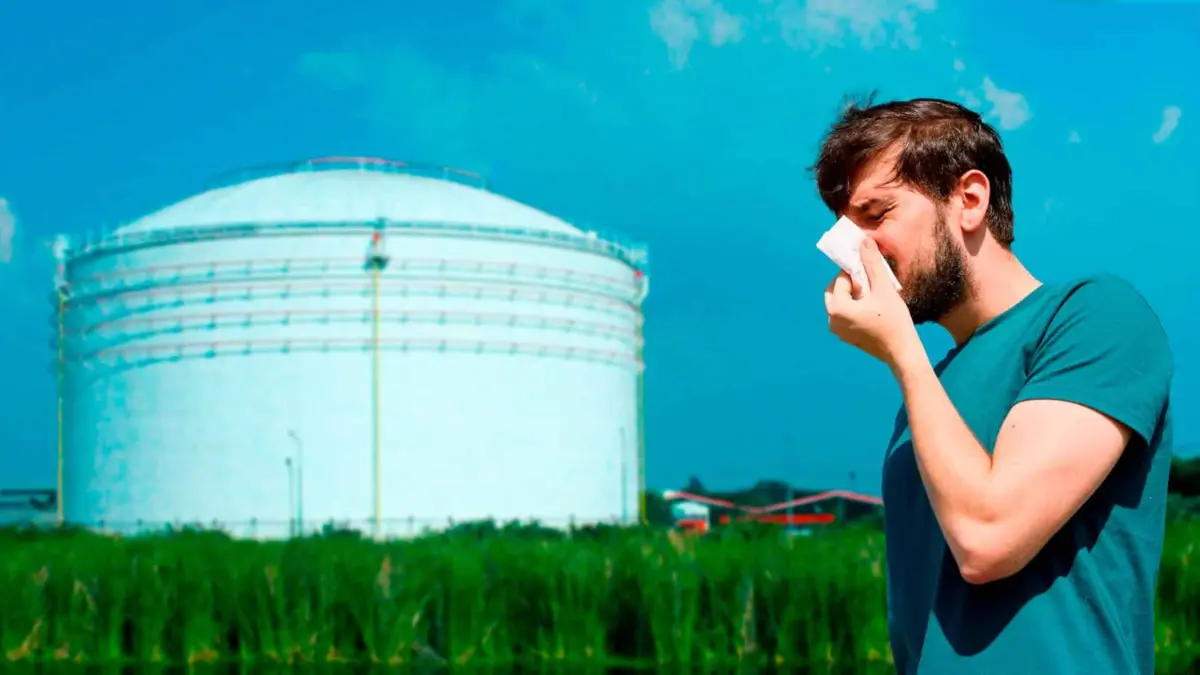
Spearheaded by energy developer 3 Rivers Energy Partners, the facility promised a win-win scenario: a localized energy source, vital tax revenues for Moore County, a sustainable market for industrial agricultural waste, and a step forward in America’s renewable infrastructure. But as the plant sputtered to life, it brought with it an unwelcome companion: a heavy, pervasive, and deeply unpleasant odor that blanketed local neighborhoods.
What began as an inspiring tale of circular-economy ingenuity quickly deteriorated into a community relations hurdle, raising urgent questions about environmental oversight, industrial safety, and the true cost of localized green energy production.
Main Facts: Turning Whiskey Wastewater into Watts
To understand the friction in Lynchburg, one must first understand the industrial machinery at play. The project, backed in part by initiatives recognized by the United States Department of Agriculture (USDA), hinges on an ingenious premise: transforming waste into fuel.
The whiskey production process—specifically at scale for iconic brands like Jack Daniel’s—generates massive quantities of liquid organic subproducts. Historically, managing these nutrient-rich residues presented logistical and environmental challenges. Enter 3 Rivers Energy Partners, which proposed constructing a state-of-the-art bioenergy facility capable of processing these liquid wastes through anaerobic digestion.
How the Technology Works
- Anaerobic Digestion: Organic liquid wastes are fed into massive, sealed industrial digesters. In the absence of oxygen, specialized microorganisms break down the complex organic matter, producing biogas—a mixture primarily composed of methane and carbon dioxide.
- Upgrading to RNG: This raw biogas undergoes a rigorous conditioning and purification process to remove impurities, trace gases, and moisture, yielding pipeline-grade renewable natural gas (RNG).
- Grid Injection and Agricultural Byproducts: The resulting clean gas is injected directly into the local utility grid to supplement conventional natural gas supplies. Simultaneously, the solid and liquid digestate remaining after the process can be treated and redirected for beneficial agricultural applications, such as nutrient-rich fertilizers.
The Promises on Paper
The facility offered significant theoretical benefits:
- Energy Resilience: Providing a local source of renewable gas cushioned the community against traditional supply chain bottlenecks and fuel scarcity.
- Economic Boost: Moore County anticipated steady tax revenues and long-term economic investment.
- Waste Minimization: It closed the loop on industrial byproducts, ensuring that high-strength organic wastes served a productive purpose rather than straining municipal wastewater systems.
Yet, despite these glowing projections, the human element—specifically, the air quality experienced by residents—proved to be an immediate point of failure during the plant’s initial launch phase.
Chronology of Events: From Groundwork to Airborne Grievances
The friction between corporate green goals and community livability did not happen overnight. It evolved through a distinct timeline marked by pre-operational failures, regulatory approvals, and mounting public outcry.
September 2024: The Pre-Operational Warning Sign
Long before the plant began processing whiskey waste, the facility made headlines for an entirely different reason. In September 2024, during preliminary stress-testing and trial runs, one of the primary water storage tanks at the facility suffered a catastrophic structural collapse.
- The Scale of the Spill: The ruptured tank held approximately 2.2 million gallons of clean lake water used for system checks.
- The Aftermath: The sudden deluge flooded Goodbranch Road, depositing massive quantities of mud, structural debris, and gravel. Local authorities were forced to temporarily shut down the roadway to execute emergency clean-up operations.
- The Reaction: While the fluid was merely water—bearing no industrial chemicals or distillery waste—the incident shook local confidence. Residents and county commissioners were left asking a chilling hypothetical question: If a structural failure of this magnitude can happen during testing with water, what happens when the facility is operating at full capacity with active industrial slurries?
December 2025: The Odor Arrives
Fast-forward to late 2025. The plant moved past its structural hurdles and began the complex process of commissioning its bioenergy operations using the anticipated liquid byproducts.
Almost immediately, residents across various pockets of Lynchburg noticed an overwhelming, foul odor drifting into their neighborhoods. As December progressed, the complaints multiplied, turning from casual dinner-table grumbles into formal grievances directed at the Moore County Commission. The invisible footprint of the green energy plant had suddenly become impossible to ignore.
Supporting Data and Technical Breakdown: Anatomy of a Malodor
When the pressure mounted from local officials and irate citizens, 3 Rivers Energy Partners faced a critical public relations and operational imperative: pinpoint the source of the stench and fix it immediately.
Identifying the Culprit
According to technical disclosures provided by the company, the pungent smells were not emanating from the primary anaerobic digestion tanks—the sealed vessels where the actual biogas generation takes place. Instead, the root of the problem lay in the facility’s front-end handling infrastructure:
- The Open-Air Reservoir: The facility utilized a secondary holding tank designed to receive and temporarily store incoming liquid organic materials before they were fed into the anaerobic digesters.
- Design Vulnerability: Crucially, this specific vessel was the only major tank in the operational chain that remained open to the atmosphere.
- The Bottleneck of Commissioning: Because the plant was in its nascent startup phase, navigating initial operational hurdles and regulatory compliance checks, organic material lingered in this open-air reservoir far longer than originally engineered.
- Uncontrolled Decomposition: This extended dwell time allowed unchecked aerobic and anaerobic decomposition to kick in prematurely in an unsealed environment, releasing volatile organic compounds and sulfur-heavy gases directly into the Lynchburg air.
Corrective Measures Implemented by 3 Rivers Energy Partners
In response to the public outcry, the company executed a swift remediation strategy:
- Total Evacuation: Crews completely emptied the offending open-air tank, flushing out the stagnant, over-decomposed material and restarting operations with fresh organic feedstock.
- Operational Throttling: Management drastically reduced the volume of liquid stored in the tank and shortened retention times, ensuring material moved rapidly into the sealed digesters.
- Chemical Neutralization: The company introduced targeted neutralizing agents designed to bind and immobilize sulfur compounds responsible for the characteristic rotten-egg and sour-mash odors.
- Vapor Extraction and Filtration: Engineers installed a specialized mechanical blower system connected to an activated carbon filtration unit. This system actively captures headspace vapors from the tank, scrubbing the air before any emissions can escape into the surrounding atmosphere.
Official Responses and Regulatory Context: Trust, But Verify
As the dust—and the smell—began to settle, the incident prompted a broader conversation regarding corporate transparency, environmental compliance, and the limits of self-reporting.
The Company’s Stance
Throughout the crisis, representatives for 3 Rivers Energy Partners maintained that the facility operated within the legal boundaries of its state-issued air quality permits. The company framed the odor issue as a classic "startup growing pain"—an unintended byproduct of commissioning a complex, first-of-its-kind industrial installation. By proactively communicating their troubleshooting steps, upgrading their odor-mitigation hardware, and clearing out the stagnant holding tanks, corporate leadership expressed confidence that the worst was behind them.
The Transparency Gap
Despite these assurances, environmental watchdogs and local community advocates pointed out a crucial caveat: the narrative regarding the source of the odor and the efficacy of the fixes relied entirely on corporate self-reporting.
- Lack of Independent Verification: No comprehensive, independent air quality assessment was conducted by neutral regulatory bodies during the peak of the odor episode.
- The Burden of Proof: While state permits dictate baseline compliance, they do not always capture the subjective, quality-of-life impacts felt by neighbors living half a mile downwind. Consequently, local residents remained cautiously skeptical, balancing their support for green technology against a lingering distrust born from the 2024 water tank collapse.
Implications: The Future of Rural Bioenergy Integration
The Lynchburg renewable natural gas project serves as a microcosm for the broader challenges facing green infrastructure across the globe. As nations race to meet net-zero carbon targets, thousands of small towns will find themselves hosting similar industrial-scale environmental projects.
1. The Social License to Operate
Engineering safety and regulatory compliance are only half the battle. A facility cannot function successfully without a social license to operate—the ongoing acceptance of the local community. When developers fail to anticipate the sensory and infrastructural impacts of their plants, they risk eroding public trust, which can permanently hobble regional support for renewable energy initiatives.
2. Infrastructure Resilience and Pre-Operational Rigor
The sequence of events in Lynchburg—stretching from the 2024 tank rupture to the late 2025 odor crisis—underscores the need for rigorous stress-testing and failsafe environmental controls before industrial facilities go live. Open-air staging tanks, in particular, represent high-risk vectors for fugitive emissions and must be tightly managed or eliminated in modern bioenergy plant design.
3. Balancing Economic Growth with Environmental Justice
For Moore County, the project remains a valuable economic engine that merges agricultural waste management with clean energy production. Yet, the episode serves as a stern reminder that rural communities should not bear the environmental externalities of green progress without robust, transparent, and independently verified safeguards.
Conclusion: A Test of Endurance
As 3 Rivers Energy Partners continues to refine its operations in Lynchburg, the true test of the facility’s engineering fixes is yet to come. Will the newly installed activated carbon scrubbers, chemical neutralizers, and optimized retention schedules hold up during the heat of the Tennessee summer, when rising temperatures naturally accelerate organic decomposition?
For the residents of Lynchburg, the answer hangs delicately in the air. The promise of renewable natural gas remains as intoxicating as the whiskey that inspired it, but as this community has learned, the path to a green future requires constant vigilance, transparent communication, and an unwavering respect for the air outside one’s front door.
For further reading on ecological shifts, industrial environmental impacts, and technological case studies, consult academic repositories such as Ecology (DOI: 10.1002/ecy.70471) and regional environmental monitoring archives.




Leave a Reply