

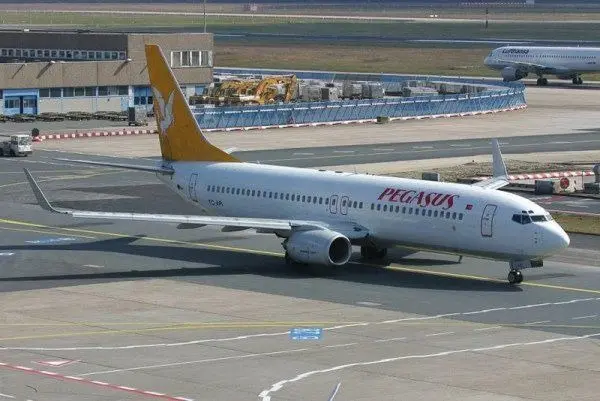
The Turkish low-cost carrier has successfully secured all regulatory approvals, finalizing a milestone transaction that integrates Czech Airlines and Smartwings. The newly expanded aviation group commands a fleet of over 175 aircraft, solidifying its strategic bridge between East and West and reshaping the competitive dynamics of European low-cost aviation.
1. Main Facts: A Transformative Transcontinental Alliance
In a decisive move that reshapes the European aviation landscape, Turkish low-cost carrier Pegasus Airlines has officially finalized its acquisition of Czech Airlines and its subsidiary, Smartwings. First announced in late 2025, the multi-million-dollar agreement has now cleared all necessary regulatory hurdles, paving the way for full operational integration.
The completion of this transaction births a formidable aviation conglomerate. According to official disclosures from the Istanbul-based carrier, the newly unified group will operate a combined fleet exceeding 175 aircraft. Furthermore, the group boasts a robust pipeline of 140 firm aircraft orders, positioning it for aggressive, sustainable long-term growth across international markets.
This strategic acquisition serves as the cornerstone of Pegasus Airlines’ ambitious expansion strategy in Europe. By absorbing two established pillars of Central and Eastern European aviation, Pegasus is not merely scaling its fleet size; it is actively embedding itself deeper into the heart of the European single market, bridging its stronghold at Istanbul’s Sabiha Gökçen International Airport with critical regional nodes across the continent.
2. Chronology of the Deal: From Initial Agreement to Regulatory Clearance
The path to this landmark cross-border acquisition unfolded through a carefully calculated series of strategic milestones:
- Late 2025 (Initial Announcement): Pegasus Airlines officially reveals that it has reached a definitive agreement to acquire Czech Airlines and Smartwings. Industry analysts immediately recognize the move as a direct challenge to legacy carriers and established European low-cost networks, signaling Pegasus’s intent to scale beyond its traditional Anatolian and Middle Eastern strongholds.
- Early 2026 (Regulatory Review Phase): The transaction enters a rigorous scrutiny phase involving aviation authorities and competition watchdogs across multiple European jurisdictions. Stakeholders evaluate the potential market concentration, particularly concerning regional connectivity in Central and Eastern Europe.
- Mid-2026 (Strategic Route Expansions): While awaiting final regulatory stamps, Pegasus continues to aggressively weave its network fabric. The airline launches high-profile European routes—including direct flights connecting Alicante and Seville with Istanbul—while concurrently forging strategic interline and codeshare partnerships (such as its high-profile alignment with Iberia) to fortify its competitive positioning.
- Current Status (Final Completion): With all regulatory approvals formally secured, the acquisition moves from blueprint to reality. The executive teams from Pegasus, Czech Airlines, and Smartwings initiate the formal integration process, activating combined operational protocols while preserving local brand identities.
3. Supporting Data: Fleet Power, Hub Dominance, and Market Reach
The quantitative metrics underpinning this acquisition illustrate the immense scale and operational gravity of the newly formed group.
Fleet and Order Book Dynamics
- Combined Operational Fleet: Over 175 aircraft, featuring a balanced mix of single-aisle workhorses tailored for short- and medium-haul European sectors.
- Future Growth Capacity: A firm order book of 140 new-generation aircraft, ensuring fuel efficiency, lower operating costs, and reduced carbon emissions as the airline scales.
The Sabiha Gökçen Advantage
Pegasus Airlines enters this integration backed by an exceptionally strong domestic and international hub: Istanbul Sabiha Gökçen International Airport.
- Pegasus commands an impressive 64% share of the total airport capacity at Sabiha Gökçen.
- According to global aviation data analytics firm OAG (Official Airline Guide), Sabiha Gökçen has climbed dramatically in the global "Megahubs" index for low-cost carriers.
- The airport recently secured the third position globally in OAG’s ranking of airports dominating the low-cost carrier market, underlining its status as a vital international gateway connecting Europe, the Middle East, and Asia.
The Target Assets: Heritage Meets Regional Leisure Dominance
The acquisition brings two distinct, highly complementary European carriers under the Pegasus corporate umbrella:
- Czech Airlines (ČSA): Founded in 1923, it stands proudly as one of the oldest operating airlines in the world. Its brand equity and historical landing rights provide the group with deep institutional prestige and invaluable access to primary European airports.
- Smartwings: A modern powerhouse and the absolute leader in the Central and Eastern European leisure market. Smartwings boasts an expansive network covering 80 destinations across 20 countries, underpinned by deep-rooted, long-standing commercial partnerships with the region’s premier tour operators.
4. Official Responses and Stakeholder Perspectives
Leadership figures from across the newly merged corporate entities have emphasized continuity, strategic synergy, and mutual value creation.
While specific financial figures of the transaction remain confidential due to corporate agreements, executive commentary highlights a shared vision for future resilience. Speaking on behalf of the acquired carriers, Jiří Šimáně, co-founder of Smartwings, expressed profound optimism regarding the transition:
"We are confident that Pegasus Airlines is the ideal partner to unlock these new strengths, accelerate our future growth, and generate enduring, long-term value for all stakeholders involved with both Czech Airlines and Smartwings."
Pegasus Airlines management has echoed this sentiment, emphasizing that the merger is designed to protect the unique market positioning of each airline while leveraging centralized procurement, digital infrastructure, and network planning efficiencies.
Crucially, leadership has moved swiftly to reassure passengers and industry partners regarding day-to-day operations. In an official joint statement, the group confirmed:
"Both airlines will continue to operate under their respective brands, maintaining their normal daily flight schedules, customer service protocols, and established service delivery standards."
This multi-brand strategy ensures that loyal customers of Czech Airlines and Smartwings will experience zero disruption in their travel routines, keeping frequent flyer relationships, booking channels, and local customer support teams intact.
5. Strategic Implications: Transforming European Low-Cost Aviation
The completion of this acquisition is far more than a simple corporate takeover; it is a structural shift in the competitive equilibrium of European aviation. Several key implications emerge from this transcontinental union:
Enhanced Central and Eastern European Footprint
Historically, low-cost carriers based in Western Europe or the Gulf have dominated cross-border consolidation. By anchoring itself directly in Prague and integrating Smartwings’ robust tour-operator network, Pegasus has bypassed organic growth barriers. The airline now commands immediate, deep-seated operational access to Central and Eastern Europe—a historically underserved and economically dynamic market.
A Powerful Challenge to Legacy and Hybrid Models
With a fleet soaring past 175 aircraft and 140 jets on order, the Pegasus-Smartwings-Czech Airlines group possesses the economies of scale necessary to challenge traditional legacy carriers operating intra-European and Eurasian corridors. By combining Pegasus’s ultra-low-cost operating model with Smartwings’ leisure-focused tour-operator partnerships and Czech Airlines’ historical prestige, the group can target corporate travelers, leisure tourists, and connecting traffic with equal aggression.
Intercontinental Connectivity via Istanbul
The geographical synergy is unmistakable. Travelers from secondary and tertiary European cities serviced by Smartwings and Czech Airlines can now seamlessly feed into Pegasus’s vast network radiating from Istanbul Sabiha Gökçen. This establishes a powerful alternative corridor between Western/Central Europe and destinations in the Middle East, Central Asia, and beyond, intensifying competition with major hub-and-spoke network carriers.
Looking Ahead
As the integration process accelerates through the remainder of the year, industry observers will be watching closely to see how Pegasus leverages its newly acquired assets. With regulatory approval successfully secured and leadership committed to preserving local brand equity, the stage is set for this newly minted European aviation giant to chart a highly competitive and profitable course into the future.



Leave a Reply