

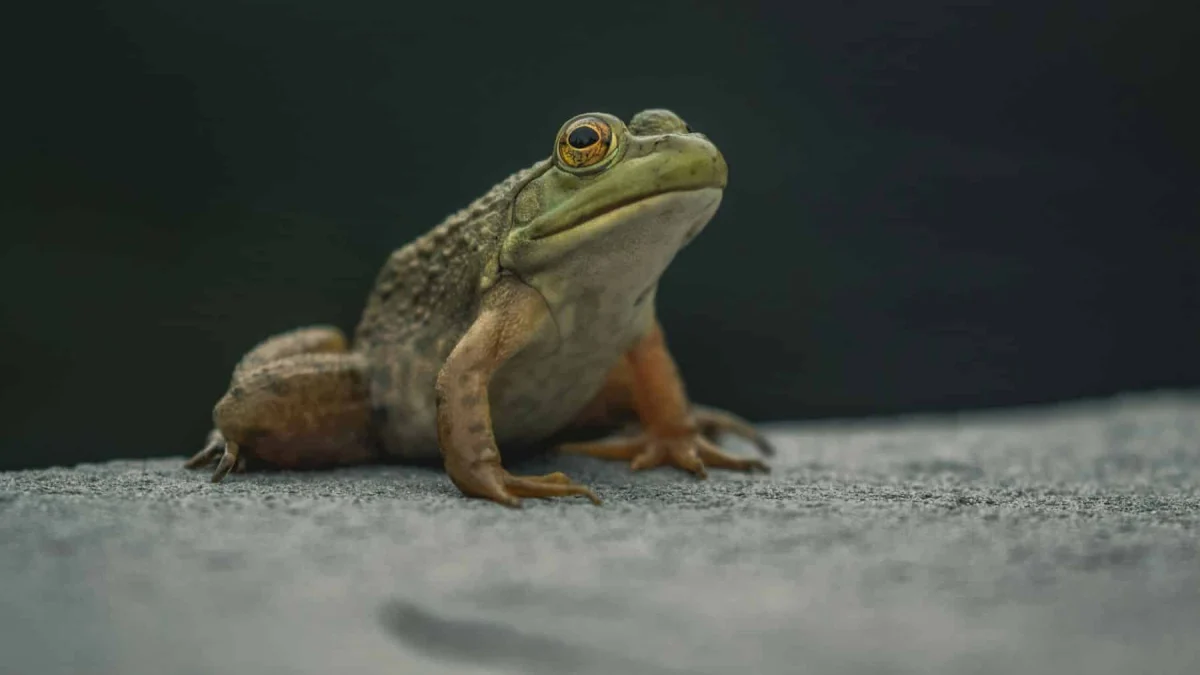
CALIFORNIA — For decades, the high-altitude wilderness of California’s Sierra Nevada mountains has served as a pristine backdrop for one of nature’s most reliable seasonal rituals. As autumn winds give way to freezing temperatures and heavy blankets of snow, the local wildlife retreats. Among these resilient creatures is the Yosemite toad (Anaxyrus canorus), an endemic amphibian that burrows deep beneath the soil and rock to endure the harsh alpine winter.
For generations, scientists, conservationists, and nature enthusiasts viewed this subterranean hibernation—known as brumation—as a sanctuary. Protected from the bitter surface frost and sweeping winds, the toads were believed to be safe in their underground chambers until the spring thaw.
However, a groundbreaking scientific study published in Functional Ecology has shattered this long-held assumption. Researchers have discovered that what was once considered a secure winter refuge has transformed into an absolute zone of peril. Deep beneath meters of snow, far from the flowing streams traditionally associated with aquatic pathogens, a silent and deadly enemy is thriving. The amphibian-killing chytrid fungus has been found proliferating underground, turning the toads’ winter dormancy into a lethal trap that threatens to push the species closer to extinction.
Main Facts
The recent scientific findings reveal a grim reality for the Yosemite toad, a species already classified as vulnerable and facing severe population pressures across its native range in California’s national parks.
- The Pathogen: The culprit behind this ecological crisis is Batrachochytrium dendrobatidis (commonly known as Bd or the chytrid fungus), a notorious aquatic pathogen responsible for global amphibian declines and extinctions.
- The Paradox: Traditionally, Bd is understood to be water-borne, requiring moisture to spread between hosts. The discovery of its active proliferation in terrestrial, subterranean winter refuges upends conventional scientific understanding of how the fungus operates during the coldest months of the year.
- Severe Vulnerability of Juveniles: Young Yosemite toads entering their first terrestrial winter face an alarming infection rate. Studies show a staggering 90% prevalence of the fungus among juveniles, accompanied by critically high pathogen loads on their skin.
- The Mechanism of Death: The chytrid fungus attacks the keratin in an amphibian’s skin, disrupting vital osmoregulation—the animal’s ability to balance water and essential electrolytes. Left unchecked, this physiological failure can lead to cardiac arrest and death within just a couple of weeks.
- Communal Risk: Yosemite toads frequently aggregate in shared microhabitats during hibernation. This close physical contact accelerates the transmission of fungal spores, creating high-risk contagion zones before and during the deep-winter lock-in.
Chronology of a Crisis: From Discovery to Alarm
Understanding how this ecological threat unfolded requires looking at the timeline of scientific research in the Sierra Nevada and the compounding pressures faced by high-altitude amphibians over the past century.
Pre-2000s: The Hidden Decline
For much of the 20th century, Yosemite toad populations experienced steady, puzzling declines across their historic range in the Sierra Nevada. While habitat loss, grazing, and climate variability were initially blamed, field biologists increasingly noted unexplained mortality events that hinted at a biological pathogen at work.
Late 1990s – 2000s: Identification of the Chytrid Menace
Science formally identified Batrachochytrium dendrobatidis as a global driver of amphibian population crashes. Researchers confirmed its presence in California ecosystems, noting its devastating impact on various frog and toad species. However, surveillance focused heavily on aquatic breeding sites during the spring and summer months, leaving the winter ecology of these species largely unmonitored.
The 2020s: Uncovering the Subterranean Threat
As monitoring techniques advanced, researchers began investigating what happens to amphibians during their hidden months of dormancy. By examining toads in their underground winter burrows, scientists made the alarming discovery that Bd was not only surviving the winter underground but actively proliferating. The publication in Functional Ecology marked a turning point, proving that the subterranean microclimate—retaining favorable humidity and stable temperatures—provides an unexpected breeding ground for the pathogen while the toads are physiologically compromised.
Supporting Data and Biological Mechanisms
The intersection of amphibian physiology and fungal ecology creates a perfect storm during the winter months. To fully grasp the severity of the crisis, researchers have broken down the specific biological factors at play beneath the snowpack.
1. The Physiology of Brumation and Immune Suppression
When a Yosemite toad enters brumation, its body undergoes drastic physiological changes. To conserve energy reserves over months of food deprivation, the toad’s metabolic rate plummets, and its immune system is significantly suppressed.
This immunosuppression is a double-edged sword. While it allows the animal to survive the energy-scarce winter without feeding, it cripples the toad’s ability to fight off infections. Normally, a healthy amphibian skin microbiome and active immune response can keep low levels of chytrid fungus under control. During dormancy, however, the toads lose this defensive edge, allowing the fungus to multiply rapidly across the host’s skin without encountering immune resistance.
2. Microclimate Suitability for the Pathogen
While surface temperatures in the Sierra Nevada plunge well below freezing, subterranean burrows maintain a relatively stable, insulated microclimate. These spaces trap sufficient moisture and maintain temperatures that, while cold, fall well within the survival and growth tolerances of Batrachochytrium dendrobatidis. Combined with months of uninterrupted confinement, the environment acts essentially as a cold-storage incubator for the pathogen.
3. Age-Class Disparities
Data from recent studies highlight a stark generational divide in vulnerability. While adult toads possess larger body masses and more robust physiological reserves, juveniles entering their first terrestrial winter are exceptionally fragile. Their underdeveloped immune systems, combined with high surface-area-to-volume ratios, make them prime targets for the fungus. Reaching a staggering 90% prevalence rate with heavy pathogen loads, young-of-the-year toads represent a demographic bottleneck that threatens the future recruitment of the species.
Official Responses and Conservation Strategies
In light of these findings, wildlife management agencies, independent researchers, and conservation organizations are scrambling to reevaluate existing protection plans for high-altitude amphibians. Traditional conservation strategies—often focused solely on protecting aquatic breeding habitats and regulating human land use—are no longer sufficient when the primary threat operates invisibly beneath the winter snow.
Shifting Focus to Winter Ecology
Conservation biologists are now emphasizing the urgent need to map and protect critical wintering habitats. Understanding where Yosemite toads congregate underground allows researchers to identify high-risk zones where fungal loads are historically concentrated.
Innovative Medical Interventions
Drawing on successful interventions tested on other amphibian species threatened by chytrid fungus, conservationists are exploring direct-treatment methodologies:
- Antifungal Treatments: The application of specialized antifungal pomades and baths to captured individuals has shown promise in reducing fungal loads, offering a lifeline to vulnerable specimens before or after their winter dormancy.
- Probiotic and Microbiome Defenses: Researchers are investigating ways to inoculate amphibians with beneficial skin bacteria that naturally inhibit the growth of Batrachochytrium dendrobatidis.
Genetic Resilience and Selective Breeding
Another frontier in the fight against the chytrid crisis involves identifying and breeding resistant strains. By studying populations or individual toads that have survived high exposure to the fungus, scientists hope to isolate genetic markers linked to enhanced immune defense. Integrating these traits into captive breeding programs could bolster the resilience of future generations released back into the wild.
Broad Implications for Alpine Ecosystems
The plight of the Yosemite toad is more than a localized tragedy for a single iconic species; it serves as an ominous bellwether for alpine ecosystems worldwide.
Amphibians play a critical role in mountain food webs. As both predators of insects and prey for birds, small mammals, and reptiles, their decline triggers cascading ecological imbalances. Furthermore, as global climate patterns shift—altering snowpack accumulation, winter durations, and soil temperatures—the delicate dynamics between pathogens and their hosts are being fundamentally disrupted.
The revelation that the deep winter snowpack can harbor hidden biological threats forces the scientific community to look at conservation through a more holistic lens. Protecting biodiversity in an era of rapid environmental change requires safeguarding not only the active, visible phases of an animal’s life cycle, but also the hidden, vulnerable moments spent resting out of sight.
For the Yosemite toad, the race is now on to outsmart a microscopic predator that has turned its winter refuge into a battlefield. Unless aggressive, innovative conservation measures are rapidly deployed and scaled up, the silence of the Sierra Nevada winter may soon become permanent.




Leave a Reply