

By Global Culture Desk
October 8, 2026
Main Facts
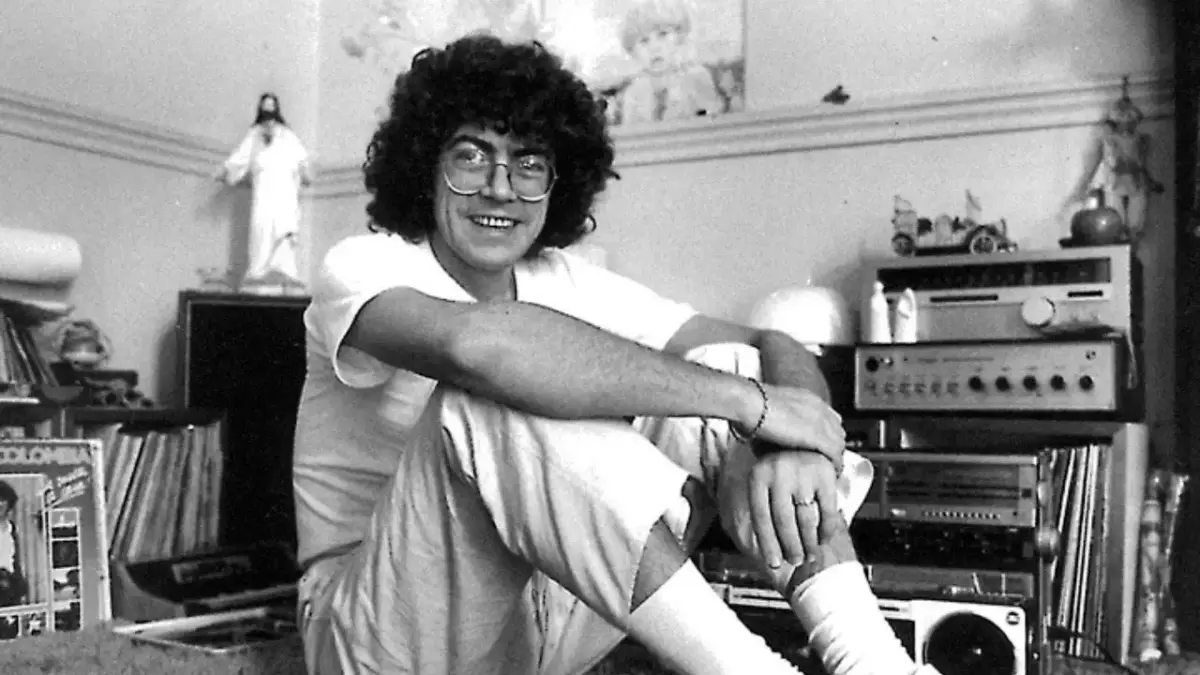
The landscape of Latin American popular music mourns the loss of one of its most enduring and distinctive voices. Piero Antonio Franco De Benedictis, universally known simply as Piero, passed away on Wednesday, October 7, 2026, at the age of 81 in Buenos Aires, Argentina. The iconic singer-songwriter, whose artistic career spanned over six decades, left an indelible mark on the cultural identity of the Spanish-speaking world through timeless anthems that bridged personal reflection and profound social commentary.
Piero died at the renowned Hospital Italiano in Buenos Aires, where he had been hospitalized following a series of delicate health complications that had kept his family, friends, and legions of fans in suspense during his final weeks. His official passing was confirmed to the public through a heartfelt statement released by his family across the artist’s official communication channels, triggering an immediate outpouring of grief, tributes, and remembrances from fellow artists, cultural institutions, and political figures across Latin America, Spain, and his native Italy.
Born in Italy in 1945 before immigrating to Argentina as a young child, Piero built a multifaceted legacy that defied simple categorization. He was at once a sensitive balladeer capable of capturing the intimate complexities of familial love—most famously demonstrated in his generational masterpiece "Mi viejo"—and a fearless protest singer whose politically charged compositions, such as "Para el pueblo lo que es del pueblo," became rallying cries for social justice, democracy, and human rights throughout the turbulent decades of the late 20th century.
Beyond his Argentine roots and European birth, Piero forged a deeply spiritual and cultural alliance with Colombia, a nation that granted him official citizenship in 1996 and embraced him as one of its own. His final musical chapter remained vibrantly active right up until his health finally declined, marked by celebrated performances in Bogotá that showcased a career defined by artistic integrity, resilience, and an unwavering commitment to the peoples of Latin America.
Chronology of a Legendary Life and Career
The Formative Years and Artistic Beginnings (1945–1967)
Piero Antonio Franco De Benedictis was born in Italy on April 19, 1945, amidst the waning days of World War II. Shortly after his birth, his family sought a fresh start in South America, settling in Argentina. Growing up in his adopted homeland, Piero absorbed the rich folkloric traditions of the Southern Cone while developing a deep fascination with the emerging currents of global rock, pop, and the European canzone d’autore.
By the early 1960s, Buenos Aires was buzzing with a vibrant youth culture, and Piero found himself drawn to the burgeoning artistic circles. He made his official television debut in Argentina in 1964, stepping onto the small screen with a guitar and a quiet charisma that immediately distinguished him from the conventional pop idols of the era. However, it was not until 1968 that his career took a definitive, historic turn when he crossed paths with the visionary poet and journalist José Tcherkaski.
The Masterpiece and the Tcherkaski Partnership (1968–1970s)
The creative partnership between Piero and José Tcherkaski proved to be one of the most fruitful collaborations in the history of Latin American popular music. Tcherkaski’s evocative, poetic lyrics found their ideal vessel in Piero’s warm, emotive tenor and innovative melodic sensibilities.
In 1969, this creative union birthed "Mi viejo," a song that would fundamentally alter the trajectory of Piero’s life and become a permanent fixture in the collective emotional memory of the Spanish-speaking world. Written as an ode to fatherhood, the song resonated deeply across generations, capturing the bittersweet reality of aging, generational distance, and profound filial love. Its impact was immediate and monumental; according to data compiled by the prestigious Fundación Konex, "Mi viejo" has since been recorded in more than 500 distinct versions by artists spanning myriad genres and nationalities.
Building on this success, Piero expanded his artistic palette. He began blending traditional acoustic balads with elements of rock, folk, and avant-garde arrangements. Songs like "Llegando, llegaste," "Tengo la piel cansada de la tarde," and "Pedro Nadie" solidified his reputation as a master craftsman of song, capable of painting vivid portraits of marginalized urban characters and the existential dilemmas of modern life.
Exile, Social Commitment, and the Return to Democracy (1970s–1990s)
As the political climate in South America darkened during the 1970s with the rise of military dictatorships, Piero’s music took on an increasingly urgent and political tone. His compositions began to directly address oppression, poverty, and the struggles of the working class. Tracks like "Para el pueblo lo que es del pueblo" transformed him into a symbol of resistance and a voice for the voiceless.
Because of his outspoken social stance and the subversive nature of his lyrics, Piero faced censorship, threats, and ultimately political persecution. This forced him into a period of exile in Spain, where he continued to compose, perform, and connect with European audiences while keeping a watchful, aching eye on the political turmoil unfolding back in Latin America.
When democracy gradually returned to the region in the 1980s, Piero returned to the spotlight, embarking on extensive tours that reaffirmed his status as a legendary troubadour. He adapted his musical style to include symphonic elements, children’s music, and theatrical conceptual projects, proving that his creative well was far from dry. In recognition of his deep ties to the Andean nation, Colombia officially granted him citizenship in 1996, cementing a bilateral artistic romance that would endure for the remainder of his life.
Supporting Data and Discographic Legacy
Piero’s footprint in Latin American music is not merely anecdotal; it is heavily backed by an expansive discography and numerous institutional accolades.
- Discographic Output: Throughout his six-decade career, Piero released more than 25 original studio albums, continuously experimenting with musical forms ranging from intimate folk guitar arrangements to full symphonic orchestrations.
- The "Mi viejo" Phenomenon: Recorded in excess of 500 times globally, the song remains one of the most frequently performed and commercially successful Spanish-language compositions of the 20th century.
- Institutional Recognition: Piero was a multi-recipient of prestigious awards, including honors from the Fundación Konex in Argentina, which recognized him as one of the most significant figures in Argentine popular music and balladeering history.
- Concert Reach: Over his lifetime, the artist performed thousands of live concerts, filling theaters, stadiums, and cultural centers across Argentina, Colombia, Spain, Mexico, and virtually every corner of Latin America.
Official Responses and Tributes
The news of Piero’s passing sent shockwaves through the cultural and political spheres of Latin America, prompting immediate statements from leaders, cultural ministries, and artistic peers.
In Argentina, the Ministry of Culture released an official communique highlighting Piero’s invaluable contribution to the nation’s cultural heritage:
"Piero was more than a singer; he was the conscience of a generation. His voice gave shape to our deepest emotions, our family bonds, and our collective thirst for justice. His music will echo forever in the streets and homes of Argentina and all of Latin America."
In Colombia, where the artist maintained an exceptionally passionate following, cultural institutions and fellow musicians shared profound expressions of grief. The Ministry of Culture of Colombia issued a statement noting:
"We mourn the departure of our beloved Colombian by adoption. Piero walked our lands, embraced our people, and lent his powerful voice to our struggles and celebrations. His spirit remains woven into the cultural fabric of Colombia."
Countless musicians, poets, and journalists took to digital platforms to share memories of working with him, praising his humility, his unwavering political convictions, and his enduring artistic curiosity. Colleagues from the Nueva Trova and Latin American folk movements remembered him as a trailblazer who refused to separate art from ethical responsibility.
Implications for Latin American Music and Cultural Heritage
The passing of Piero marks the definitive closing of a golden chapter in Latin American songcraft—an era defined by the troubadour who wielded an acoustic guitar and poetic lyrics as tools for social awakening and emotional healing.
The End of an Era for the Canción de Autor
Piero belonged to that rare pantheon of artists—alongside figures like Mercedes Sosa, Atahualpa Yupanqui, Silvio Rodríguez, and Joan Manuel Serrat—who used popular music as an instrument of profound philosophical and political discourse. As these foundational pillars of the canción de autor pass away, the contemporary Latin American music industry faces the challenge of preserving a tradition where lyrical depth, social consciousness, and melodic artistry intersect.
The Eternal Bridge Between the Southern Cone and the Andes
Piero’s life was a testament to transnational cultural integration. By moving fluidly between Italy, Argentina, Spain, and Colombia, he demonstrated that artistic identity is not restricted by geographic borders. His adoption by Colombia in 1996 and his continuous presence on Colombian stages—culminating in his final performance at the Teatro Colsubsidio in Bogotá on April 19, 2026, and his memorable appearance at the Festival Cordillera in 2022—highlighted a cultural bridge that will continue to inspire future generations of artists.
Preservation and Discovery for New Generations
For contemporary audiences, Piero’s departure serves as an inflection point for the rediscovery of a vast, rich catalog that transcends the universal hit "Mi viejo." Musicologists and cultural foundations are already mobilizing to archive, digitize, and academically study his extensive body of work. His songs of resistance and peace, written during times of authoritarian darkness, retain a chillingly modern relevance in an era currently grappling with its own political polarization, social inequality, and search for human empathy.
In the final analysis, Piero leaves behind a legacy that cannot be dimmed by time. Whether through the tearful embrace of a child listening to "Mi viejo" for the first time, or the defiant rallying cry of a crowd chanting "Para el pueblo lo que es del pueblo," Piero Antonio Franco De Benedictis remains immortal—a permanent, beating heart in the grand symphony of Latin American culture.

Leave a Reply