MURCIA — The hospitality landscape of southeastern Spain has undergone a monumental transformation. Barceló Hotel Group, in a landmark collaboration with Grupo Fuertes, has officially brought elite ultra-luxury lodging to the heart of Murcia. Following an exhaustive and ambitious multi-year restoration project, the historic Palacio de Floridablanca has been meticulously reborn as Palacio San Juan, a Royal Hideaway Hotel.
As the city’s very first five-star hotel, this 70-room-and-suite masterpiece is much more than a place to stay; it is designed as an immersive cultural, architectural, and gastronomic destination. By blending centuries-old heritage with contemporary high-end design, the property establishes a new benchmark for luxury tourism in the Region of Murcia, bridging the gap between historical reverence and modern sophistication.
Main Facts: A New Standard of Luxury in the Heart of Murcia
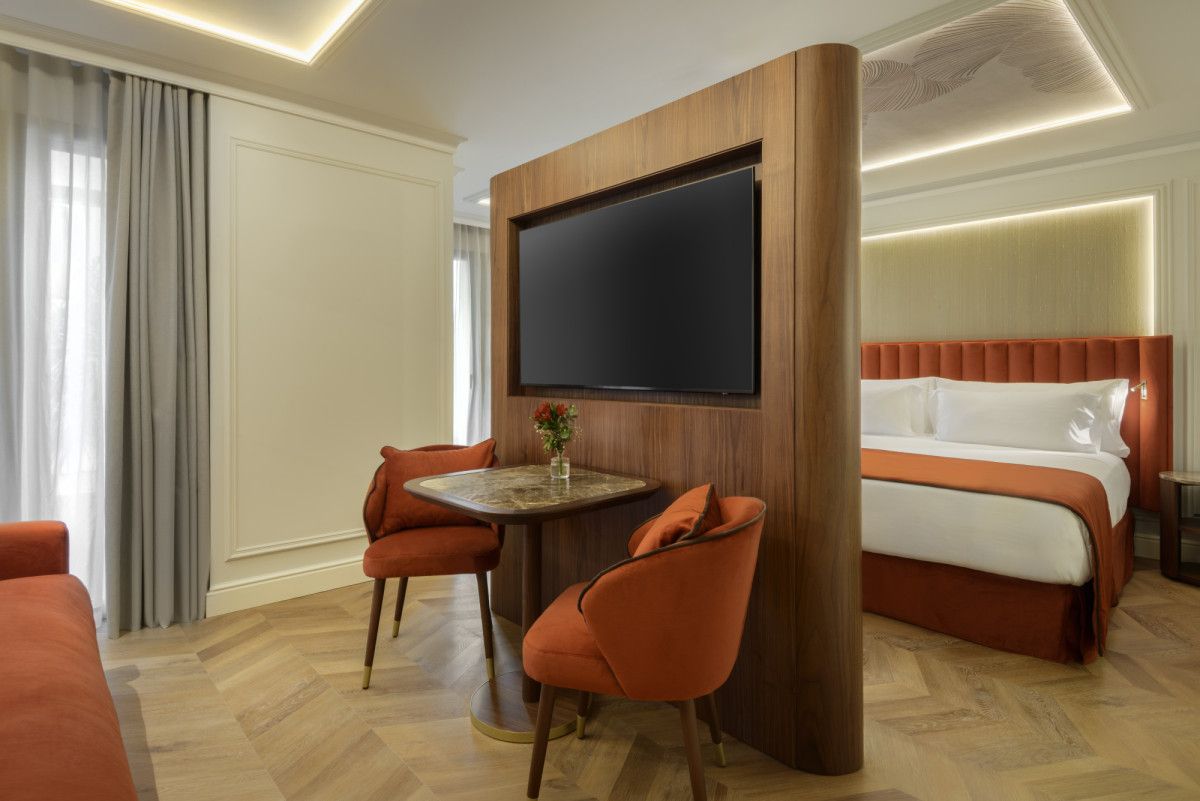
The newly inaugurated Palacio San Juan, a Royal Hideaway Hotel, sits proudly within the historic center of Murcia, offering an intimate yet grand scale with its 70 meticulously designed rooms and suites.
The Property: Owned by the prominent regional conglomerate Grupo Fuertes and operated by Barceló Hotel Group under its ultra-luxury Royal Hideaway Hotels & Resorts brand, the hotel occupies the former urban residence of the Count of Floridablanca—one of the most influential political figures of Enlightenment-era Spain.
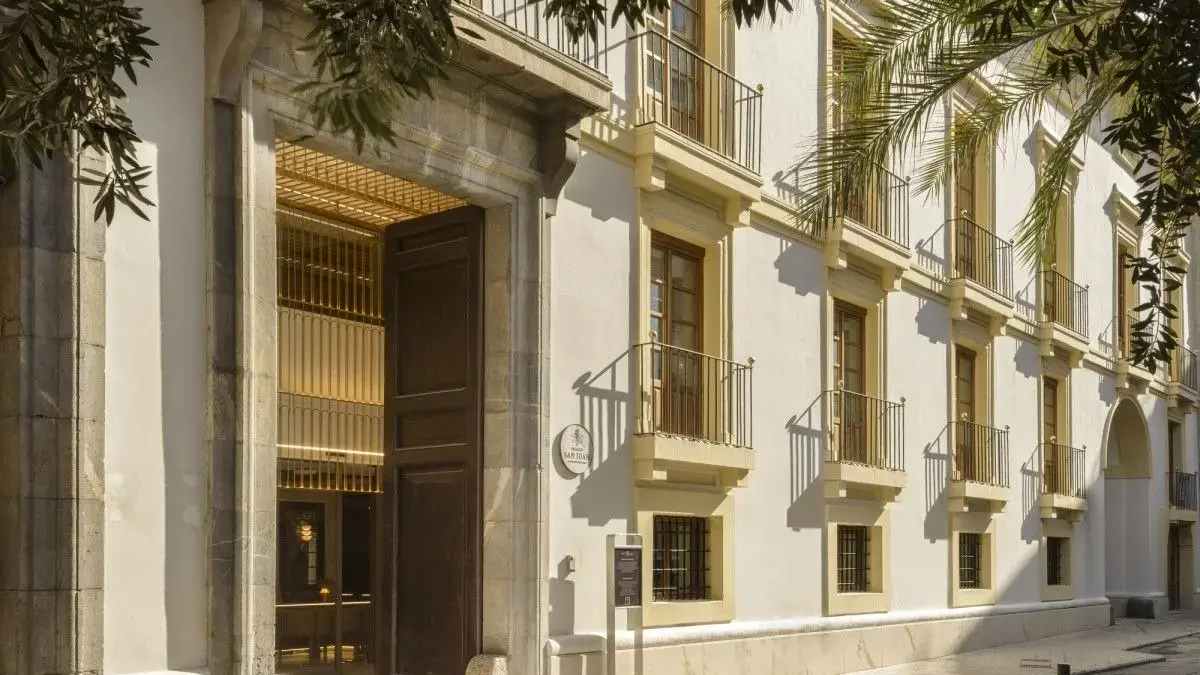
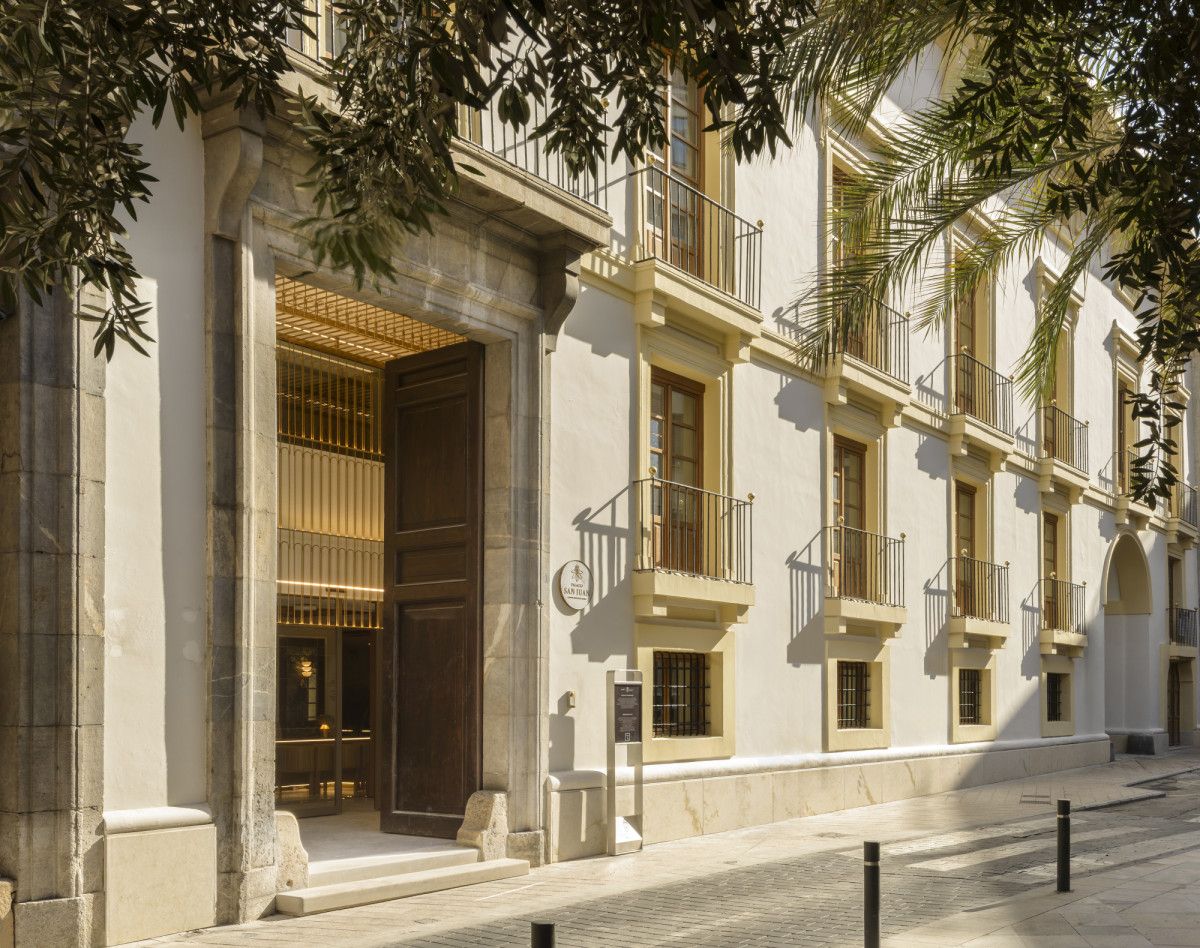
Architectural Integration: The transformation was led by renowned local architect Jesús Zafra, who ensured that priceless heritage elements, such as the iconic San Juan Arch and the neoclassical lines of the original facade, were preserved and integrated into a living, breathing contemporary design.
Gastronomic Excellence: The hotel features Ocra, a signature restaurant helmed by acclaimed chef Juanlu Fernández (the recipient of 2 Michelin stars and 2 Best Chef Awards Knives). The culinary program serves as a modern homage to the agricultural wealth of the Murcian orchard (huerta).
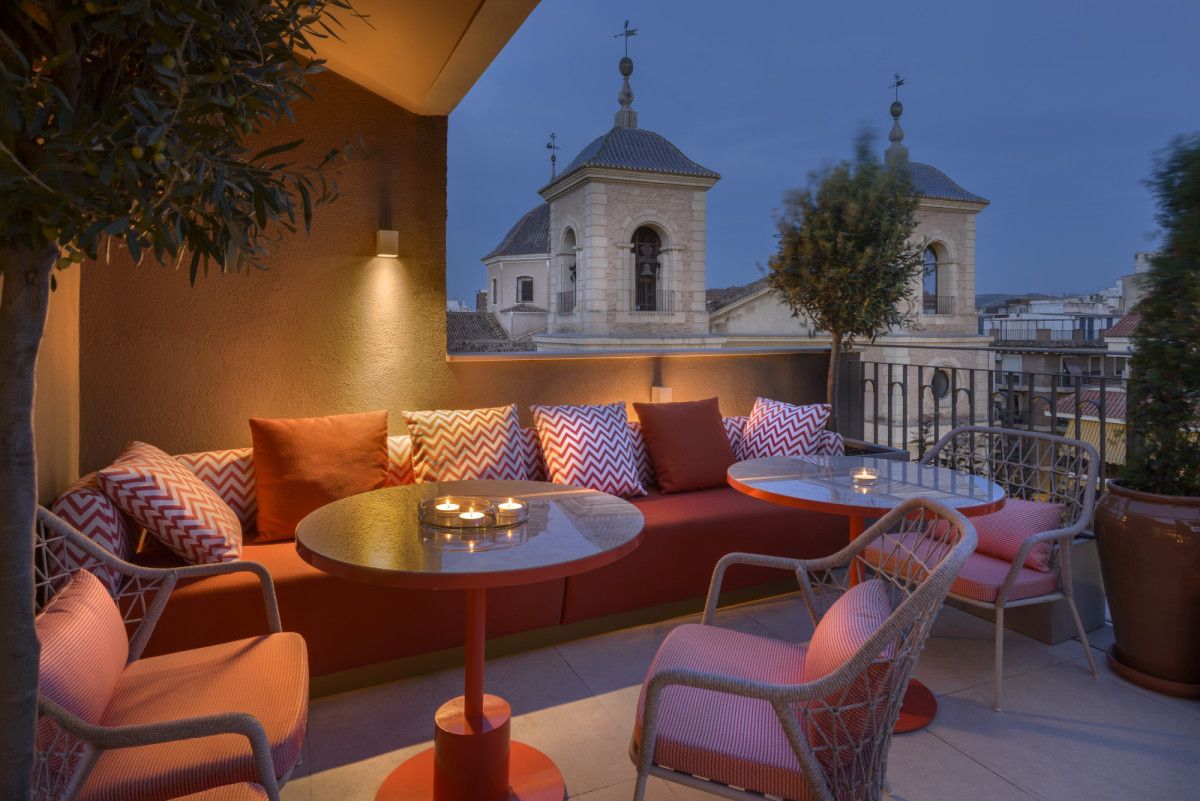
Exclusive Amenities: Crowning the property is Royal Heaven, a panoramic rooftop terrace complete with a swimming pool, artisanal cocktail lounge, and breathtaking, unobstructed views of the nearby Murcia Cathedral.
Chronology of a Vision: From Enlightenment Residence to Modern Luxury Icon
The realization of Palacio San Juan is the culmination of a complex, highly specialized historical restoration project that spanned several years.
Phase 1: The Historical Foundation (18th Century)
Originally constructed as the urban palace of the Count of Floridablanca, the building served as a political and cultural epicenter during the Spanish Enlightenment. Over the centuries, while the surrounding city evolved, the architectural integrity of the palace remained a silent witness to Murcia’s storied past, though parts of the structure fell into disuse and disrepair.
Phase 2: Acquisition and Restoration Vision (Early 2020s)
Recognizing the untapped potential for elite tourism in Murcia, Grupo Fuertes acquired the historic property. The conglomerate partnered with Barceló Hotel Group to conceptualize a five-star anchor for the city. Architect Jesús Zafra was brought on board to spearhead the structural renaissance, balancing strict heritage preservation regulations with the spatial demands of a modern luxury hotel.
Phase 3: Crafting Contemporary Elegance
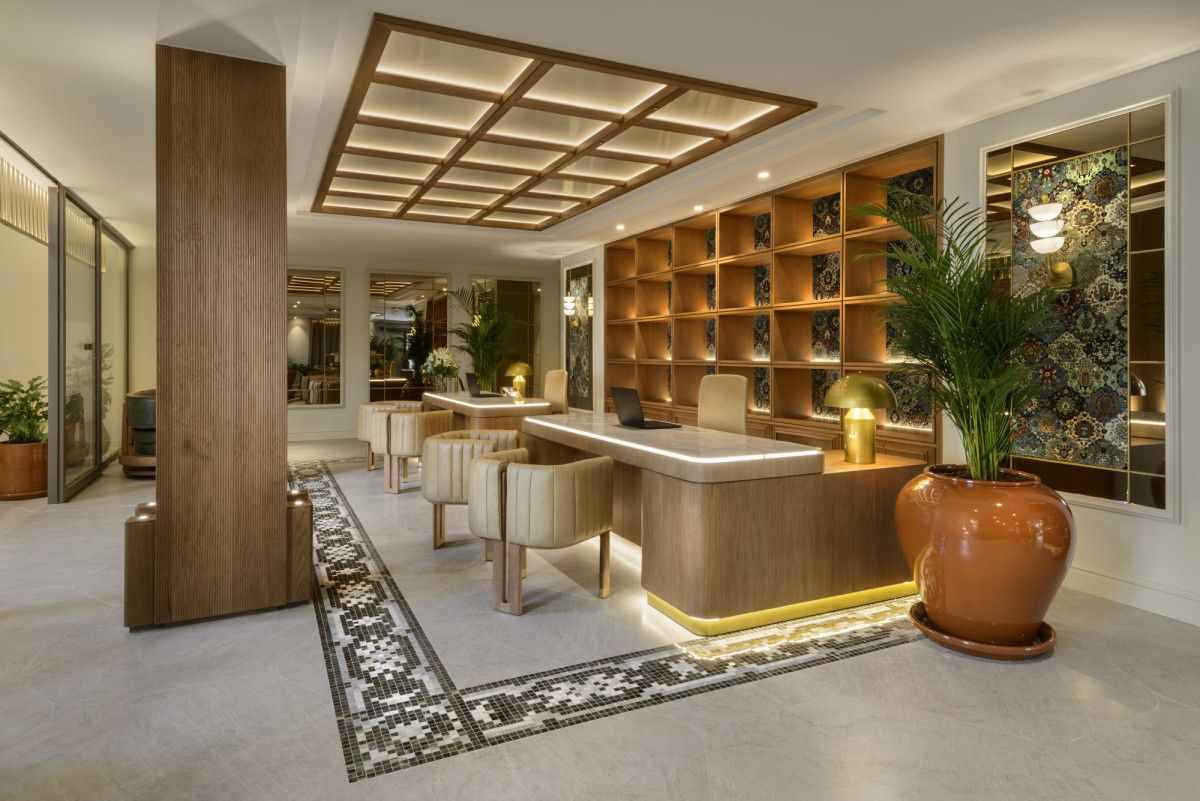
During the restoration, master artisans worked meticulously to restore the neoclassical features, structural archways, and foundational masonry. Interior spaces were curated using natural materials—noble woods, rich marbles, and organic textures—to create an atmosphere of serene, timeless luxury.
Phase 4: Grand Opening and Brand Debut (2026)
With the completion of the interior design and the onboarding of Michelin-starred chef Juanlu Fernández, the hotel officially opened its doors. The launch marks the first time Barceló’s premier Royal Hideaway brand has established a presence in the Region of Murcia, instantly elevating the destination on the international luxury travel map.
Supporting Data and Economic Impact
Beyond its architectural and cultural significance, the launch of Palacio San Juan represents a massive catalyst for the regional economy, injecting high-value tourism into the local market.
Job Creation: According to economic impact projections provided by Barceló Hotel Group, the establishment is expected to generate approximately 100 direct, high-skilled jobs, spanning hospitality, fine dining, guest services, and administration.
Local Supply Chain Integration: In alignment with Barceló’s corporate sustainability and regional development goals, the hotel has committed to sourcing 80% of its suppliers locally, with 22% classified strictly as km 0 (hyper-local produce and goods). This ensures that the economic benefits of luxury tourism directly flow back into Murcian agriculture, crafts, and commerce.
Capacity and Market Leadership: Barceló Hotel Group already maintains a dominant position in the Region of Murcia’s accommodation sector. The introduction of this five-star asset cements that leadership while diversifying the region’s tourism portfolio away from purely seasonal coastal travel and toward high-end cultural, gastronomic, and urban tourism.
Official Responses and Leadership Perspectives
The inauguration of Palacio San Juan has drawn high-profile praise from corporate leaders and regional stakeholders, who emphasize the collaborative vision required to bring the project to life.
Tomás Fuertes, President of Grupo Fuertes, underscored the deep emotional and economic commitment behind the project:
"The recovery of the Palacio de Floridablanca has been an enormously gratifying project and a firm commitment to the city of Murcia. Recovering this jewel of Murcian heritage to transform it into the city’s first five-star hotel allows us not only to honor our history, but also to drive quality tourism in the Region of Murcia alongside an international reference operator like Barceló Hotel Group."
Echoing this sentiment, Gaspar Sáez, COO of Southern Spain and Algarve for Barceló Hotel Group, highlighted the centrality of the culinary and cultural experience:
"Gastronomy is one of the great pillars of this vision. With Ocra, we have created an experience that celebrates local produce, talent, and the richness of the Murcian orchard. It is conceived not only for those staying at the hotel, but also for Murcians looking for new spaces to enjoy the best gastronomy and a form of authentic, exceptional hospitality."
Implications for Murcia’s Tourism and Cultural Landscape
The opening of Palacio San Juan, a Royal Hideaway Hotel, has profound implications for the future of travel and economic development in southeastern Spain.
1. Elevating Murcia on the International Luxury Stage
Historically overshadowed by Spain’s traditional luxury hubs like Madrid, Barcelona, or Marbella, Murcia has long possessed rich cultural, historical, and gastronomic assets without the high-end lodging infrastructure required to attract ultra-high-net-worth travelers. Palacio San Juan bridges this gap, providing a sophisticated base camp for international tourists seeking authentic, unpretentious luxury.
2. A Model for Heritage Regeneration
The project serves as an urban planning and architectural blueprint for how historic European city centers can revitalize neglected architectural landmarks. By transforming an 18th-century noble residence into a living hospitality venue rather than a static museum, the developers have ensured that the building remains an active, economically vibrant part of Murcia’s daily life.
3. Redefining Murcian Gastronomy
Through the integration of chef Juanlu Fernández’s culinary vision at Ocra, the hotel elevates local agricultural products—specifically the legendary output of the huerta—into the realm of haute cuisine. This validates local culinary traditions on a global stage, encouraging a symbiotic relationship between local farmers, artisanal producers, and high-end gastronomy.
Ultimately, Palacio San Juan, a Royal Hideaway Hotel, is more than a triumphant business venture for Barceló Hotel Group and Grupo Fuertes; it is a love letter to Murcia’s past and a bold, luxurious declaration of its future.



Leave a Reply