

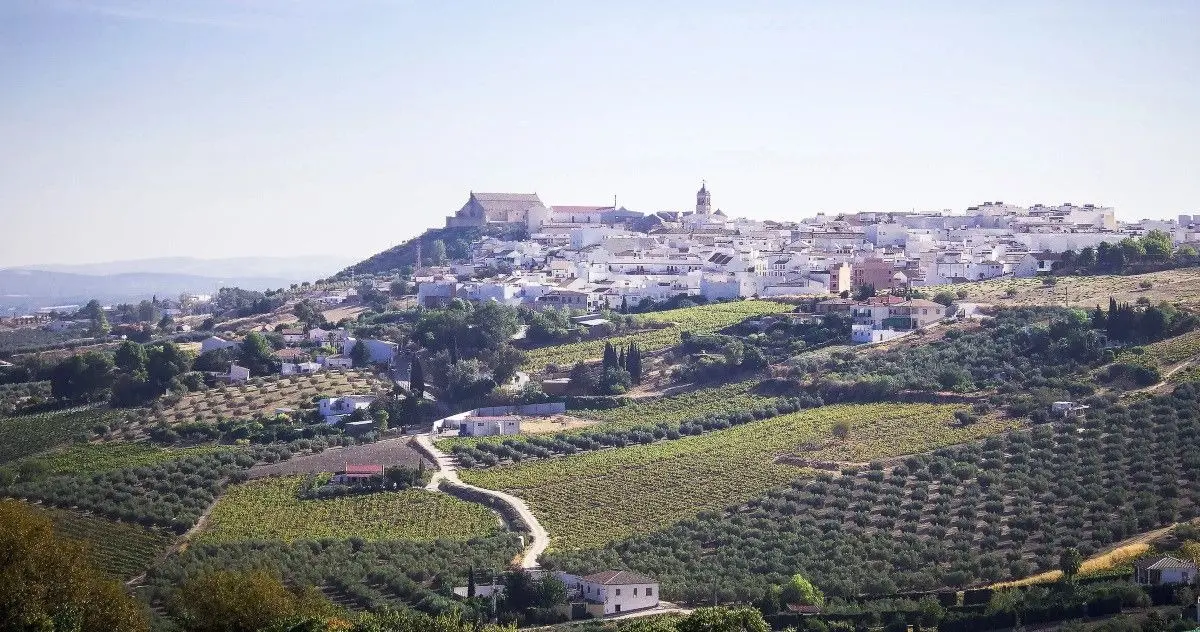
CÓRDOBA, SPAIN — Following a rigorous evaluation of the proposals submitted from across the nation, the Spanish Association of Wine Cities (Asociación Española de Ciudades del Vino, ACEVIN) has officially announced that the historic municipality of Montilla, located in the heart of the province of Córdoba, will bear the prestigious title of "Spanish City of Wine 2027" (Ciudad Española del Vino 2027).
This coveted designation places Montilla at the absolute epicenter of Spain’s burgeoning wine tourism sector, recognizing its deep-rooted viticultural traditions, exceptional quality of production, and continuous efforts to merge agriculture, heritage, and tourism into a cohesive cultural experience. As the countdown to 2027 begins, the municipality is preparing to roll out an ambitious program of events, infrastructural enhancements, and promotional campaigns designed to showcase its unique identity to national and international travelers alike.
1. Main Facts: Understanding the Designation and Montilla’s Winning Bid
The "Spanish City of Wine" initiative is a prestigious annual distinction created in 2023 by ACEVIN. The overarching goal of the program is to powerfully drive forward the promotion of enoturismo (wine tourism) and diffuse wine culture throughout the Spanish territory.
To be eligible for consideration, candidate municipalities must be active members of the exclusive Rutas del Vino de España (Wine Routes of Spain) product club—an elite network currently comprising 38 distinct itineraries nationwide. Montilla proudly belongs to this club through the renowned Montilla-Moriles Wine Route, a territory famed worldwide for its unique pedoclimatic conditions, chalky albariza soils, and exceptional fortified and aged wines.
The Heart of Montilla’s Appeal
Situated in the undulating hills of the Campiña Cordobesa, Montilla is far more than just a geographic location; it is a living monument to winemaking history. The town is universally recognized as the cradle of the historic Amontillado style—a dry sherry-like wine that takes its very name from the town itself.
ACEVIN’s selection committee particularly highlighted Montilla’s ability to preserve its ancestral winemaking methods while simultaneously modernizing its tourism infrastructure. The town features some of the most captivating and singular landscapes in the global wine universe, most notably the traditional lagares (winery-press houses) scattered across the breathtaking Sierra de Montilla. These historical estates, where grapes have been pressed and fermented for centuries under the Andalusian sun, offer visitors an immersive, authentic glimpse into southern Spain’s rich agricultural legacy.
2. Chronology: The Evolution of the Spanish and European Wine City Initiatives
To fully understand the magnitude of Montilla’s achievement in securing the 2027 title, it is essential to contextualize the historical timeline of wine city recognitions across Spain and Europe.
- The European Blueprint: The concept of honoring wine capitals draws direct inspiration from successful, long-standing initiatives in neighboring countries such as Portugal and Italy. These nations, alongside Spain, are founding members of the European Network of Wine Cities (RECEVIN). RECEVIN is the governing body responsible for bestowing the coveted "European City of Wine" title—an international accolade that Spanish municipalities actively compete for on a rotating, triennial basis.
- 2023 — The Birth of the National Recognizing the immense diversity of Spain’s wine regions and realizing that triennial European competitions left many deserving towns without a platform, ACEVIN established the "Spanish City of Wine" in 2023. This annual domestic competition was explicitly designed to maintain momentum, foster internal tourism, and reward municipalities that excel in wine-based territorial development.
- The Interruption Rule: The relationship between the national and European titles is harmonized through a specific regulatory mechanism. While the Spanish City of Wine is an annual fixture, the calendar is deliberately adjusted whenever Spain is chosen to host the European City of Wine. In those specific years, the national call is paused to avoid overlapping events and to ensure that a single Spanish city does not have to juggle dual, potentially competing national and continental spotlight campaigns.
- Present Day (2026/2027 Cycle): Following evaluations throughout the preceding months, ACEVIN’s board finalized the review of the dossier presented by the Ayuntamiento de Montilla. The official announcement cements Montilla’s status as the designated capital for 2027, sparking a multi-year planning phase that culminates in a twelve-month celebration of wine culture.
3. Supporting Data: The Economic and Cultural Impact of Enoturismo in Spain
The decision to award Montilla the 2027 title arrives at a critical juncture for the Spanish tourism and agricultural sectors. Enotourism has transitioned from a niche, auxiliary market into a primary economic driver for rural and interior regions of Spain.
Key Metrics from the Rutas del Vino de España Network:
- Network Scale: The Rutas del Vino de España club now unites 38 specialized routes, encompassing hundreds of municipalities, thousands of kilometers of designated wine trails, and a vast ecosystem of wineries, hotels, restaurants, and museums.
- Visitor Growth and Economic Recovery: According to data compiled in ACEVIN’s official annual enoturismo reports, wine route visitors generate hundreds of millions of euros annually in direct and indirect revenue. Visitors to wine regions consistently demonstrate a higher average daily expenditure compared to traditional sun-and-beach tourists, significantly benefiting local hospitality, artisan crafts, and gastronomy.
- Montilla-Moriles Contribution: Within this national ecosystem, the Montilla-Moriles Wine Route acts as a cornerstone of Andalusian cultural tourism. The region features dozens of participating wineries (bodegas), traditional taverns (tabernas), interpretation centers, and historical landmarks that attract tens of thousands of visitors seeking authentic oenological experiences far removed from mass tourism.
By securing the 2027 title, Montilla is projected to experience a substantial surge in both domestic and international arrivals, prompting regional stakeholders to forecast increased private investment in boutique hotels, digital visitor infrastructure, and gourmet culinary ventures.
4. Official Responses: Reactions from Local and National Authorities
The announcement has been met with widespread jubilation and a strong sense of collective pride among civic leaders, winemakers, and tourism operators in Montilla and the broader Córdoba province.
The Municipal Perspective
In an official statement released by the Ayuntamiento de Montilla (City Council of Montilla), local leaders expressed profound gratitude to ACEVIN for the recognition, framing it as a historic milestone for the community.
"Being named Spanish City of Wine for 2027 is the culmination of decades of hard work, dedication, and passion from our vine-growers, bodega owners, and citizens," remarked a municipal spokesperson. "Montilla is not just a place where wine is made; wine is woven into the very fabric of our landscape, our architecture, and our identity. This title gives us an unprecedented platform to share our heritage with the world, proving that the Campiña Cordobesa is a world-class destination for cultural and gastronomic tourism."
ACEVIN’s Endorsement
ACEVIN representatives emphasized that Montilla’s proposal stood out due to its technical completeness, community-wide engagement, and the exceptional quality of its viticultural assets. The evaluation committee noted that the municipality successfully demonstrated how traditional winemaking techniques can be harmoniously integrated into modern, sustainable tourism models. The association praised Montilla’s strategic vision for 2027, which promises to involve not only local businesses but also educational institutions and cultural organizations in celebrating the history of the vine.
5. Implications: What the 2027 Title Means for Montilla’s Future
The designation of "Spanish City of Wine 2027" is far more than an honorary badge; it represents a transformative roadmap for the municipality over the coming years.
Infrastructure and Urban Development
In anticipation of the influx of visitors expected throughout 2027, Montilla is set to accelerate several municipal and regional infrastructure projects. Plans include the enhancement of walking and cycling paths connecting the town center to the historic lagares of the Sierra de Montilla, the modernization of signage along the wine routes, and the creation of immersive digital visitor centers that explain the complex biological aging process of local wines under the velo de flor (layer of yeast).
Cultural Programming and International Projection
Throughout 2027, Montilla will serve as the stage for a packed calendar of high-profile events. These are anticipated to include:
- National Enotourism Conferences: Hosting gatherings of Spain’s foremost wine tourism experts, policymakers, and industry leaders.
- Artistic and Culinary Festivals: Merging local gastronomy—highlighting pairings with regional olive oils and local delicacies—with concerts, art exhibitions, and theatrical performances staged inside historic wineries.
- Educational Workshops and Tastings: Masterclasses led by master blenders (maestros bodegueros) aimed at deepening public appreciation for Pedro Ximénez and Montilla-Moriles wines.
A Catalyst for Sustainable Rural Tourism
Ultimately, the 2027 designation serves as a powerful shield against rural depopulation and economic stagnation. By elevating Montilla to the national spotlight, the initiative guarantees sustained media attention, encouraging travelers to look beyond Spain’s coastal resorts and explore the rich, interior tapestries of Andalusia.
As the vines of the Campiña Cordobesa continue their annual cycle under the Andalusian sun, Montilla stands ready to claim its rightful place as the heartbeat of Spanish wine culture in 2027—inviting the world to raise a glass to history, tradition, and future innovation.

Leave a Reply