

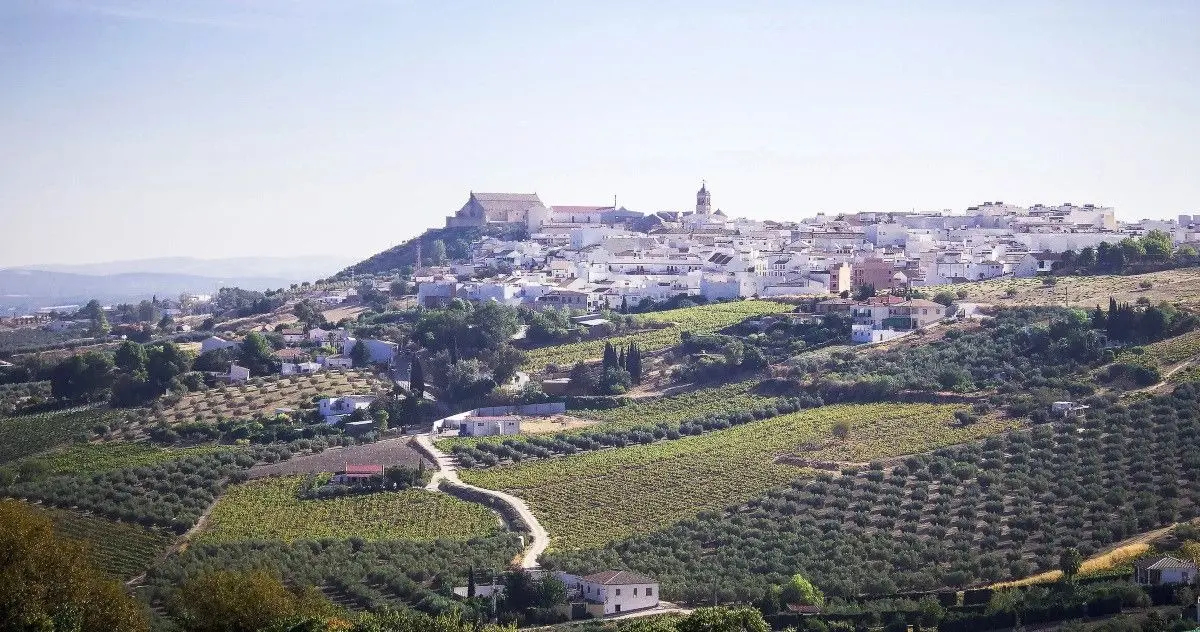
CÓRDOBA, SPAIN — Following a rigorous evaluation of competing bids from across the nation, the Spanish Association of Wine Cities (Asociación Española de Ciudades del Vino, ACEVIN) has officially announced that the historic municipality of Montilla, nestled in the heart of the Córdoba province, will hold the prestigious title of "Spanish City of Wine 2027" (Ciudad Española del Vino 2027).
This coveted designation places Montilla at the epicentre of Spain’s burgeoning wine tourism sector, promising a transformative year of cultural celebrations, infrastructure development, and international promotion. The announcement not only highlights Montilla’s profound viticultural heritage—most notably its world-renowned generoso wines and the storied Ruta del Vino Montilla-Moriles—but also underscores the strategic evolution of Spain’s rural and enotourism economy.
Main Facts: What the Designation Means for Montilla
The title of "Spanish City of Wine," established by ACEVIN in 2023, is designed to dynamically boost enotourism and foster a deeper appreciation of wine culture throughout the national territory. Eligibility is strictly limited to municipalities integrated into the esteemed Rutas de Vino de España (Wine Routes of Spain) product club, a network currently comprising 38 distinct wine itineraries nationwide. Montilla proudly anchors the Ruta del Vino Montilla-Moriles, an established pathway that weaves through the rolling countryside of southern Córdoba.
Key Pillars of the 2027 Designation:
- National Prominence: Throughout 2027, Montilla will serve as the ambassador for Spanish wine culture, hosting a diverse calendar of national events, gastronomic congresses, professional tastings, and cultural exhibitions.
- Economic and Tourist Catalyst: The designation is expected to drive substantial investment into local hospitality, infrastructure, and sustainable tourism initiatives, capitalizing on the growing global demand for authentic, terroir-driven travel experiences.
- Heritage Preservation: The award shines a spotlight on Montilla’s unique landscape, particularly the traditional lagares (wine presses) scattered across the Sierra de Montilla, where ancestral winemaking techniques continue to thrive.
Chronology: The Evolution of Wine Tourism Recognition in Spain
To fully understand the significance of Montilla’s upcoming tenure in 2027, it is necessary to examine the historical framework and timeline that govern these prestigious wine distinctions at both the national and European levels.
The European Blueprint
The concept of a designated "City of Wine" takes inspiration from successful, long-standing initiatives in Portugal and Italy. Alongside Spain, these nations form the backbone of the European Network of Wine Cities (RECEVIN). RECEVIN is responsible for awarding the transnational title of European City of Wine, a distinction for which Spanish municipalities actively compete on a rotating international stage, typically occurring every three years.
The Birth of the National Title (2023–Present)
Recognizing the immense diversity and sheer volume of Spain’s wine regions—which could not be adequately represented by a triennial European designation alone—ACEVIN created the Spanish City of Wine award in 2023. This annual national call allows more municipalities within the Rutas del Vino de España network to showcase their cultural and economic contributions to enotourism.
- The Interruption Rule: The Spanish City of Wine is fundamentally an annual competition. However, to prevent overlap and avoid domestic competition during years when a Spanish municipality is selected to hold the overarching European City of Wine title, ACEVIN pauses the national convocatoria.
- The Path to 2027: Montilla’s successful bid underwent a meticulous evaluation process by ACEVIN’s committee, assessing criteria such as institutional commitment, sustainability plans, heritage preservation, and the quality of tourism services. Securing the 2027 slot provides the local government and regional stakeholders with a generous and vital runway for comprehensive strategic planning.
Supporting Data: The Economic and Cultural Weight of Montilla-Moriles
Montilla is far more than a picturesque Andalusian town; it is the beating heart of a denomination of origin with a legacy stretching back centuries. Understanding the data behind the region clarifies why ACEVIN’s selection committee chose Montilla for 2027.
The Terroir and Viticultural Landscape
Situated in the sun-drenched campiña of Córdoba, Montilla benefits from unique microclimates and chalky albariza soils—exceptionally rich in calcium carbonate—which are ideally suited for the cultivation of the Pedro Ximénez grape variety.
- The Sierra de Montilla: Home to some of the most striking and singular wine landscapes in the world, the Sierra features historic lagares where generations of winemakers have perfected the art of crafting biological aging wines (Fino) and oxidative aging wines (Amontillado, Oloroso, and Palo Cortado), as well as naturally sweet Pedro Ximénez wines.
- The Montilla-Moriles Denomination of Origin (DO): Spanning thousands of hectares across several municipalities in the Córdoba province, the DO represents a deep-rooted socioeconomic engine. The region boasts dozens of active wineries (bodegas) that blend centuries-old traditions with cutting-edge enological technology.
The Rise of Enotourism in Spain
Data compiled by ACEVIN indicates that enotourism has evolved from a niche hobby into one of the most resilient and lucrative segments of Spain’s tourism industry.
- Economic Impact: The 38 routes integrated into the Rutas del Vino de España club generate hundreds of millions of euros annually, directly supporting thousands of jobs in hospitality, agriculture, transport, and guided cultural services.
- The Visitor Profile: Modern wine tourists typically stay longer and spend significantly more per capita than conventional sun-and-beach travelers. They seek immersive experiences, including vineyard tours, gastronomic pairings, architectural heritage exploration, and wellness activities centered around vinotherapy. For Montilla, capturing the 2027 spotlight ensures a captive audience of high-value travelers.
Official Responses: Voices from Montilla and ACEVIN
The announcement has been met with profound enthusiasm by civic leaders, agricultural associations, and tourism officials, all of whom view the 2027 designation as a historic turning point for the region.
Municipal Leadership Celebrates the Victory
Speaking on behalf of the local administration, the Mayor of Montilla expressed immense pride in the community’s collective achievement.
"Being named Spanish City of Wine for 2027 is the ultimate validation of our people’s hard work, our ancestral traditions, and our unwavering dedication to the land," stated municipal representatives. "For generations, Montilla has lived and breathed the culture of wine. This title is not merely a recognition of our past; it is a launchpad for our future, allowing us to project the unique identity of Montilla-Moriles onto the national and international stage."
ACEVIN’s Perspective on Enotourism Growth
ACEVIN representatives emphasized that Montilla’s candidacy stood out due to its comprehensive vision for sustainable tourism development and the deep integration of wine culture into the daily life of the town.
"Montilla represents the very essence of what the Spanish City of Wine initiative was created to celebrate," noted an ACEVIN spokesperson. "The municipality successfully demonstrated a harmonious balance between preserving historical heritage—such as their legendary lagares—and innovating to meet the modern demands of quality enotourism. We are confident that Montilla will be an exemplary ambassador for Spanish wine in 2027."
Regional tourism boards in Andalusia have also hailed the decision, noting that the designation will serve as a powerful anchor to draw international visitors inland, diversifying Andalusia’s tourism offerings beyond its famed coastal regions.
Implications: A Transformative Roadmap Toward 2027
As the celebrations settle, the real work begins. Winning the title of Spanish City of Wine sets in motion a multi-year master plan designed to upgrade infrastructure, expand cultural programming, and elevate service standards across Montilla.
1. Infrastructure and Urban Regeneration
To accommodate the influx of visitors expected throughout 2027, Montilla is slated to receive targeted investments in urban beautification, signage, accessibility, and visitor centers. Historic walking routes connecting urban bodegas to the rural lagares of the Sierra de Montilla will be enhanced, ensuring safe and sustainable transit for hikers and cyclists.
2. Cultural and Gastronomic Programming
Planning is already underway for a dense calendar of events spanning the entire 12 months of 2027. Highlights will include:
- The National Gathering of Wine Cities: Hosting delegates, mayors, and industry experts from across Spain’s various wine routes.
- Masterclasses and Sommelier Summits: Highlighting the unique qualities of Montilla-Moriles wines, particularly their food-pairing versatility with Andalusian gastronomy.
- Artistic and Musical Festivals: Merging flamenco, classical music, and contemporary arts with heritage settings such as historic courtyards and vineyard estates.
3. Sustainability and Green Tourism
In alignment with European environmental standards, Montilla’s 2027 strategy places heavy emphasis on sustainability. Initiatives will focus on water conservation in vineyards, organic farming practices, carbon-neutral tourism packages, and the promotion of biodiversity within the campiña cordobesa.
Conclusion
Montilla’s designation as the Spanish City of Wine 2027 is much more than an honorary title—it is a testament to the resilience, cultural depth, and economic potential of inland Andalusia. By bridging centuries of winemaking heritage with forward-looking tourism strategies, Montilla is poised to capture the imagination of wine lovers worldwide, cementing its legacy as a global capital of wine culture.


Leave a Reply