

By Global Environmental & Coastal Reporting Desk
Published: October 2023 / Updated for Comprehensive Analysis
Main Facts
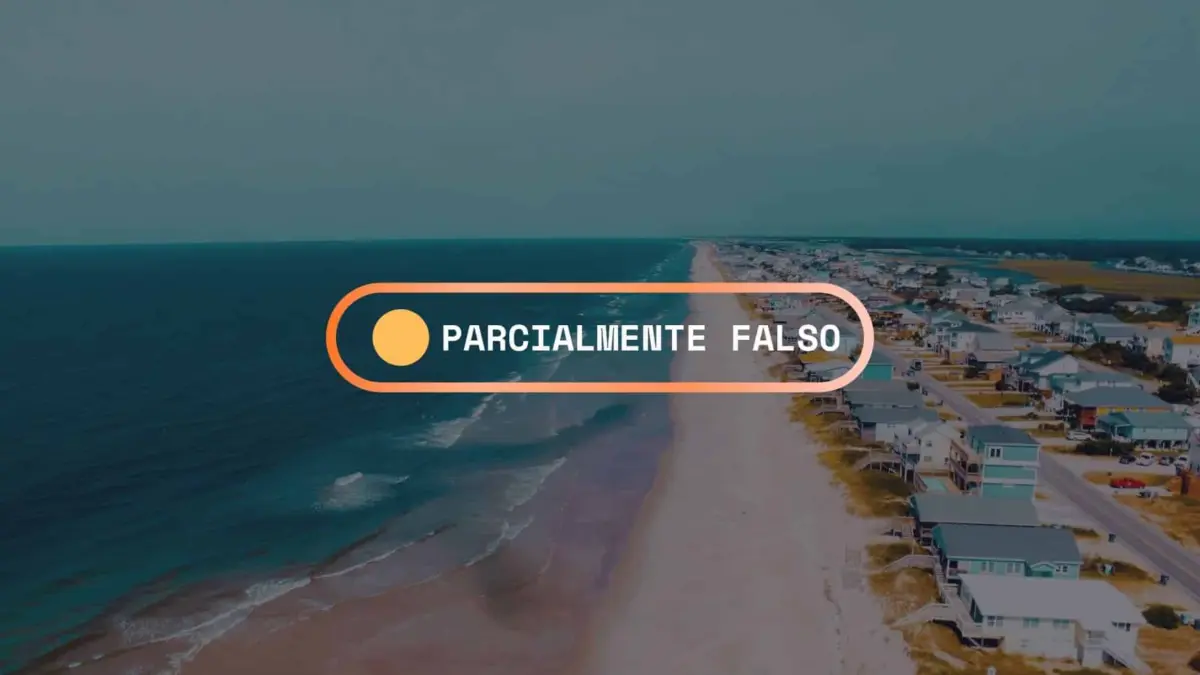
The chilling footage has become a grim staple of modern social media feeds: classic wooden beach houses, elevated on pilings, sliding off their foundations and crashing entirely into the turbulent waters of the Atlantic Ocean. For years, viral videos capturing these structural collapses along the shores of the Outer Banks in North Carolina have drawn millions of views. Accompanying these staggering visuals is almost always a swift, definitive verdict doled out by internet captions and commentators: climate change is devouring the coastlines, actively destroying private properties in real time.
While global warming and sea-level rise are scientifically indisputable phenomena playing a critical role in reshaping the planet, experts urge caution against oversimplification. Is it scientifically accurate to attribute this specific, dramatic brand of coastal disaster solely to the climate crisis?
The short answer is no. While climate change acts as an aggressive multiplier of risk, the collapse of Outer Banks homes is the result of a complex convergence of natural geomorphological processes, highly dynamic barrier island ecosystems, historical land-use decisions, and intense day-to-day weather events like winds, tides, and nor’easters.
The homes themselves—typically elevated timber-frame structures equipped with concrete foundations, septic tanks, and extensive private decking—are situated in one of the most volatile geographic environments on Earth: shifting barrier islands. As these islands naturally migrate, erode, and reshape under the pressure of natural forces, the human infrastructure built upon them is left dangerously exposed. The resulting disasters are not merely snapshots of a warming planet; they are the physical manifestation of a collision between rigid human architecture and a fluid, ever-changing natural landscape.
Chronology of a Crisis: How the Outer Banks Collapse Unfolded
To understand how houses in communities like Rodanthe and Buxton have come to routinely meet a watery grave, one must look at the historical timeline of development, erosion, and governmental intervention in the region.
Pre-2020: The Era of Retreating Dunas and Stable Illusions
For decades, the Outer Banks experienced waves of coastal real estate development. Properties that were originally constructed with substantial buffers—wide expanses of dry sand, protective rolling sand dunes, and native vegetation separating them from the crashing surf—enjoyed a temporary status quo. However, barrier islands are inherently transient. Driven by wind and wave action, these narrow strips of sand naturally roll backward toward the mainland, a process known as barrier island rollover. As the ocean crept closer, homeowners fought back with localized, stopgap measures: sandbags, beach nourishment projects, and temporary bulkheads.
2020–2023: The Tipping Point
The crisis shifted from a slow-motion environmental concern to an acute public safety hazard around 2020. Since then, the National Park Service (NPS) has documented the total structural collapse of at least 32 private homes along the Cape Hatteras National Seashore. What distinguished these years was not just the frequency of the collapses, but their velocity. Rather than eroding over decades, properties lost their remaining beachfront yards entirely, leaving pilings exposed directly to breaking waves. Winter storms and prolonged nor’easters battered these already compromised structures, pulling the rugs out from under them in a matter of hours.
2024–2025: The Climax and Public Closures
The situation reached a critical mass with a series of high-profile, catastrophic collapses in villages like Buxton and Rodanthe. The sheer volume of debris—splintered lumber, hazardous wiring, shattered glass, septic tanks, and household appliances—turned miles of pristine national seashore into dangerous obstacle courses. Following massive debris events in 2025, the National Park Service was forced to take drastic action, implementing emergency closures across large swaths of public beaches to protect visitors and deploy specialized cleanup crews to scour the coastline for environmental hazards.
Supporting Data and Environmental Mechanics
To accurately dissect the collapse of these coastal structures, scientists and coastal geologists examine a multitude of interacting environmental variables. The National Park Service and independent researchers break down the mechanics of these disasters through several key factors:
- Sea-Level Rise: According to NOAA data, sea levels along the North Carolina coast are rising faster than the global average, steadily reducing the baseline distance between high tide and human developments.
- The Power of Nor’easters: While hurricanes garner the most media attention, winter nor’easters often inflict more sustained, cumulative damage on the Outer Banks. These multi-day storms generate persistent, high-energy wave action and elevated storm surges that systematically scour sand from beneath beachfront foundations.
- Barrier Island Dynamics: Barrier islands are not stationary chunks of continent; they are dynamic sediment systems governed by the "Bruun Rule" and other coastal principles, wherein rising seas and storms cause the entire island profile to migrate landward.
- The Scale of Destruction: Since 2020, over three dozen major structural failures have introduced tons of toxic debris into the marine ecosystem. A single collapsing home scatters miles of hazardous material, posing a severe threat to wildlife, commercial fisheries, and beachgoers.
Official Responses and Proactive Interventions
The escalating frequency of these collapses has forced federal, state, and local agencies to shift away from purely reactive cleanup strategies toward proactive mitigation and property management.
The National Park Service (NPS) and Cape Hatteras National Seashore
The NPS finds itself on the front lines of the crisis. Operating within the Cape Hatteras National Seashore, the agency is tasked with protecting public safety, preserving natural habitats, and managing public access to beaches while dealing with private property hazards. When homes collapse, Park Service personnel must mobilize rapidly to remove dangerous debris, often closing beaches for days or weeks.
Innovative Pilot Programs: Buying Out the Inevitable
Recognizing that waiting for homes to fall into the ocean is an ecological and financial disaster, the Cape Hatteras National Seashore launched a pioneering pilot program. Instead of letting nature take its destructive course after a crisis, the program actively identifies and acquires high-risk, vulnerable properties before they collapse.
For instance, the park successfully acquired two threatened properties in Rodanthe. Rather than waiting for the Atlantic to swallow them—and subsequently cleaning up miles of hazardous waste—the agency demolished the structures while they were still intact, safely removed the infrastructure, and restored the natural beach profile. This approach not only prevents environmental contamination but also reclaims the shoreline for public access and natural dune regeneration.
Implications: The Future of Coastal Living
The dramatic fate of the Outer Banks beach houses serves as a microcosm for a much larger, global dilemma: How should humanity coexist with rapidly changing coastlines?
1. The Limits of Human Engineering
The collapses starkly highlight the limits of trying to anchor a dynamic, liquid environment in place. Hard engineering solutions, such as seawalls and bulkheads, often accelerate erosion on adjacent properties, creating a domino effect of environmental degradation.
2. Economic and Insurance Realities
As climate risks become more pronounced, the economic viability of insuring and maintaining beachfront property is shifting dramatically. Homeowners face skyrocketing insurance premiums, while local municipalities grapple with declining tax bases as properties are condemned or washed away. The debate over whether taxpayers should continue to subsidize rebuilding efforts in high-risk zones is intensifying.
3. A Shift Toward Managed Retreat
The proactive buyouts and demolitions conducted by the National Park Service point toward a sobering future trend: managed retreat. As sea levels continue to rise and extreme weather events become more frequent, environmental planners argue that society must learn when to step back. Accepting that certain coastal areas can no longer support permanent human habitation is a difficult cultural and economic pill to swallow, but the alternative—watching homes crumble helplessly into the sea—is an unsustainable path forward.
Ultimately, while the viral videos of collapsing Outer Banks homes provide an easy hook for climate narratives, the complete picture is a cautionary tale about geography, ecology, and the urgent need for adaptive planning. The ocean is not merely "devouring" the coast out of malice; it is simply following natural laws. The true challenge lies in whether human society has the foresight to move out of its way.


Leave a Reply