

By Global Environmental Desk
Published: October 2026
Main Facts
The latest edition of the World Wide Fund for Nature’s (WWF) Living Planet Report paints a sobering yet actionable portrait of Earth’s biological health. Released in 2026, the landmark study confirms that the global decline of biodiversity has reached a critical juncture, directly fueling the escalating climate crisis in a destructive feedback loop.
According to the report, the world has witnessed a catastrophic 73% average decline in monitored wildlife populations of vertebrates between 1970 and 2022. Freshwater species have been hit hardest, suffering an astronomical 85% loss globally. These declines are not merely ecological tragedies; they represent the systemic dismantling of the natural buffers—such as wetlands, forests, and marine ecosystems—that stabilize the global climate, purify water, maintain fertile soils, and protect human populations from extreme weather events.
Despite the grim statistics, the report offers a message rooted in empirical science: total ecological collapse is not inevitable. With immediate, coordinated, and aggressive international interventions—ranging from deep industrial decarbonization to large-scale ecosystem restoration—humanity still possesses the tools to bend the curve of biodiversity loss. Landmark conservation milestones, such as the recent global resurgence of vital mangrove forests, demonstrate that targeted environmental stewardship yields rapid, tangible results.
Chronology: The Trajectory to the 2026 Crisis
Understanding the gravity of the 2026 Living Planet Report requires examining the historical timeline of global environmental policy, ecological degradation, and scientific warnings over the past several decades:
- 1970 – The Baseline Era: The WWF establishes its baseline for tracking global vertebrate populations. This year marks the modern acceleration of industrial expansion, post-war economic globalization, and the widespread introduction of synthetic agrochemicals, setting off a rapid chain of habitat fragmentation.
- 1992 – The Rio Earth Summit: The international community formally acknowledges the planetary crisis at the United Nations Conference on Environment and Development (UNCED) in Rio de Janeiro. Nations sign the Convention on Biological Diversity (CBD), establishing the first global framework for sustainable development and nature conservation, though subsequent enforcement proves weak.
- 2010s – The Decade of Missing Targets: Governments adopt the Aichi Biodiversity Targets under the CBD, aiming to halt biodiversity loss by 2020. As the decade closes, scientific assessments reveal that virtually none of the 20 targets have been fully met, accelerating global anxieties over systemic ecosystem collapse.
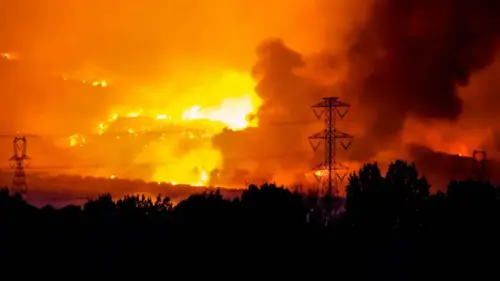
- 2020–2024 – The Convergence of Crises: The COVID-19 pandemic intersects with record-shattering global temperatures, unprecedented wildfires, and mega-droughts. The link between zoonotic spillover, habitat destruction, and climate change becomes undeniable, prompting calls for a "Global Green Recovery."
- Late 2024 (COP16) – Financing the Transition: International negotiations focus heavily on resource mobilization. Governments wrestle with closing the biodiversity finance gap, establishing frameworks to channel billions of dollars from private and public sectors toward the Global Biodiversity Framework.
- 2025 – Tipping Point Warnings: Climatologists and ecologists warn that several critical Earth systems—including the Amazon rainforest and major coral reef networks—are dangerously close to irreversible tipping points, increasing the urgency for the upcoming WWF assessment.
- 2026 – Release of the Living Planet Report: The WWF publishes its definitive 2026 report. It highlights a 73% drop in vertebrate populations since 1970 while simultaneously framing upcoming international summits, such as the COP17 negotiations, as humanity’s last best chance to pivot toward systemic ecological restoration.
Supporting Data and Ecological Metrics
The 2026 Living Planet Report relies on extensive datasets compiled by international conservation scientists, tracking thousands of populations of mammals, birds, reptiles, amphibians, and fish. The empirical evidence underscores a profound planetary emergency:
1. The Vertebrate Population Collapse (1970–2022)
- Overall Decline: A staggering 73% average reduction across monitored wild vertebrate populations worldwide.
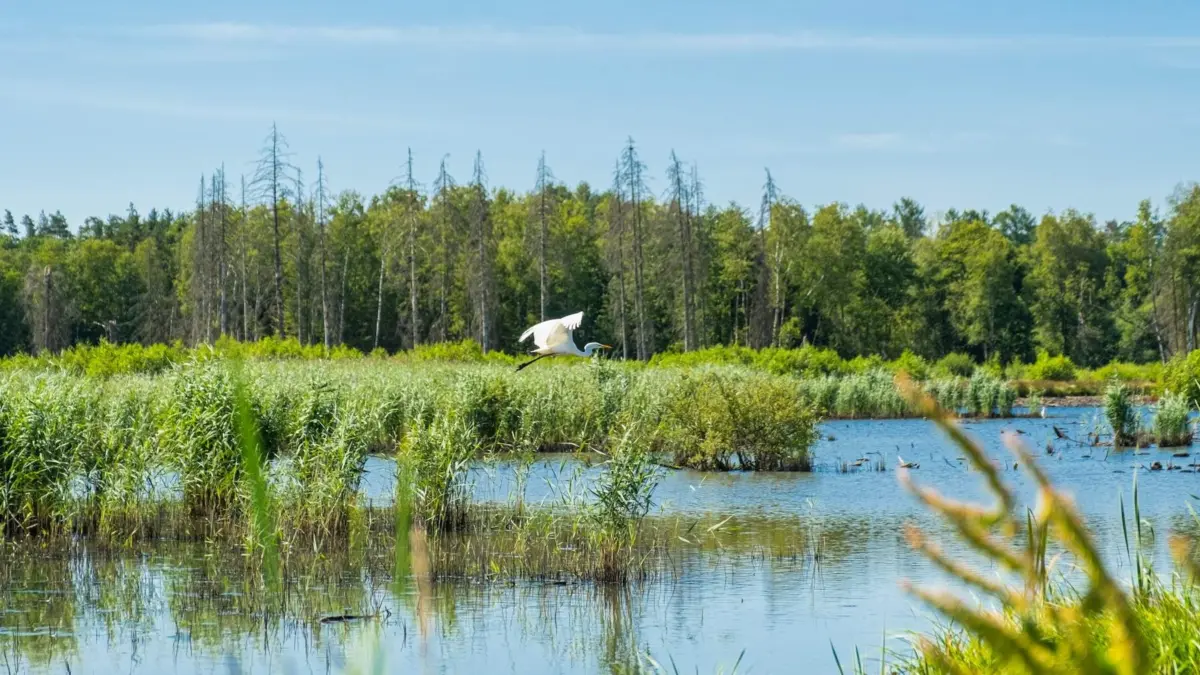
- Freshwater Ecosystems: An 85% reduction, driven by dam construction, water extraction, industrial pollution, and the introduction of invasive species. Freshwater habitats represent less than 1% of the Earth’s surface but support a disproportionately high percentage of global biodiversity.
- Terrestrial and Marine Biomes: Forests, grasslands, and marine shelves continue to experience systemic degradation due to land-use change, overfishing, and ocean acidification.
2. The Climate-Biodiversity Feedback Loop
Biodiversity loss and climate change are inextricably linked in a self-reinforcing cycle:
- Loss of Sinks: Intact ecosystems (such as old-growth forests, peatlands, and oceanic seagrasses) act as crucial carbon sinks. When these habitats are destroyed, billions of tons of stored carbon are released back into the atmosphere.
- Amplified Vulnerability: Degraded ecosystems lose their structural resilience, making them less capable of withstanding rising temperatures, prolonged droughts, and intense storms, which in turn accelerates species extinction.
3. Glimmers of Resilience
While the macroeconomic and ecological trends are predominantly negative, the 2026 report highlights critical pockets of success:
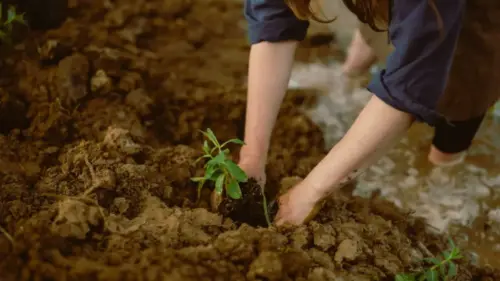
- Mangrove Expansion: For the first time in modern monitoring history, global mangrove coverage has shown a net positive increase in select protected regions, driven by community-led restoration projects and stricter coastal zoning laws.
- Targeted Species Recovery: Where legal protections, habitat corridors, and anti-poaching measures are adequately funded, specific mammal and bird populations have bounced back from the brink of extinction, proving that species can recover rapidly when given ecological space.
Official Responses and International Reactions
The release of the 2026 Living Planet Report has triggered immediate reactions from international bodies, scientific communities, and political leaders across the globe.
- The WWF Leadership: In an official statement accompanying the launch, conservation directors emphasized that the report must serve as a wake-up call for world leaders. "We are no longer talking about speculative future scenarios; we are documenting the unraveling of the life-support systems upon which human civilization depends," noted senior environmental strategists. They stressed that incremental reforms are no longer sufficient and called for a complete redesign of global economic frameworks.
- The Scientific Community: Lead authors of the report reiterated that science has provided a clear roadmap. Modern technological tools—including satellite monitoring, artificial intelligence-driven ecological modeling, and advanced genomics—allow conservationists to target interventions with unprecedented precision. However, scientists warned that technology alone cannot substitute for political will and regulatory enforcement.
- Global Policy Forums and COP17 Expectations: Diplomatic circles are already aligning the findings of the 2026 report with upcoming multilateral negotiations, most notably the agenda for the COP17 biodiversity summit. Delegates from various nations are under mounting public pressure to translate scientific warnings into binding national legislation, enforce strict corporate accountability, and operationalize financial mechanisms to support conservation efforts in the Global South, where the richest biodiversity hotspots are frequently under the greatest economic pressure.
Implications for Global Economies and Human Survival
A common misconception is that biodiversity conservation is merely an ethical obligation to protect charismatic animals and picturesque landscapes. The 2026 Living Planet Report forcefully dismantles this notion, illustrating that the collapse of nature directly threatens human survival, global economic stability, and geopolitical security.
1. Economic and Financial Vulnerability
The global economy is deeply embedded in nature. According to economic valuations cited in tandem with the report, over half of global Gross Domestic Product (GDP)—amounting to tens of trillions of dollars—is moderately or highly dependent on nature and its ecosystem services.
- Agriculture and Food Security: Pollinator declines, soil degradation, and erratic rainfall patterns directly threaten global crop yields, risking severe food price volatility and widespread scarcity.
- Supply Chain Disruptions: Industries ranging from pharmaceuticals to textiles rely heavily on natural raw materials. Ecosystem degradation introduces severe operational risks for multinational corporations.
2. Climate Stability and Disaster Risk Reduction
Natural infrastructure provides the most cost-effective defense against extreme weather events intensified by global warming.
- Coastal Protection: Mangroves and coral reefs absorb storm surges and protect coastal human settlements from catastrophic flooding. Their destruction leaves millions of urban and rural citizens directly exposed to rising sea levels and tropical cyclones.
- Water Security: Healthy forest watersheds regulate the water cycle, ensuring reliable supplies for urban populations and industrial sectors. The loss of these watersheds guarantees increasingly severe water crises in arid and semi-arid regions.
3. The Path Forward: Rapid, Coordinated Systemic Change
The central thesis of the 2026 WWF report is that humanity possesses the knowledge, capital, and technological capability to reverse these trends, provided there is an immediate shift in global priorities. Key elements of the required transition include:
- Aggressive Decarbonization: Transitioning away from fossil fuels at an accelerated pace to stabilize global temperature anomalies.
- Transforming Industrial Practices: Reforming global agriculture and fisheries to prioritize regenerative practices over extraction and monoculture.
- Strengthening Governance: Empowering indigenous communities—who manage a vast percentage of the world’s remaining high-biodiversity lands—and enforcing international legal protections for critical ecosystems.
Ultimately, the 2026 Living Planet Report serves as both a final warning and an operational manual. The window to secure a resilient, biodiverse planet is narrowing rapidly, making the choices made by governments, corporations, and civil society over the next few years profoundly consequential for generations to come.

Leave a Reply