

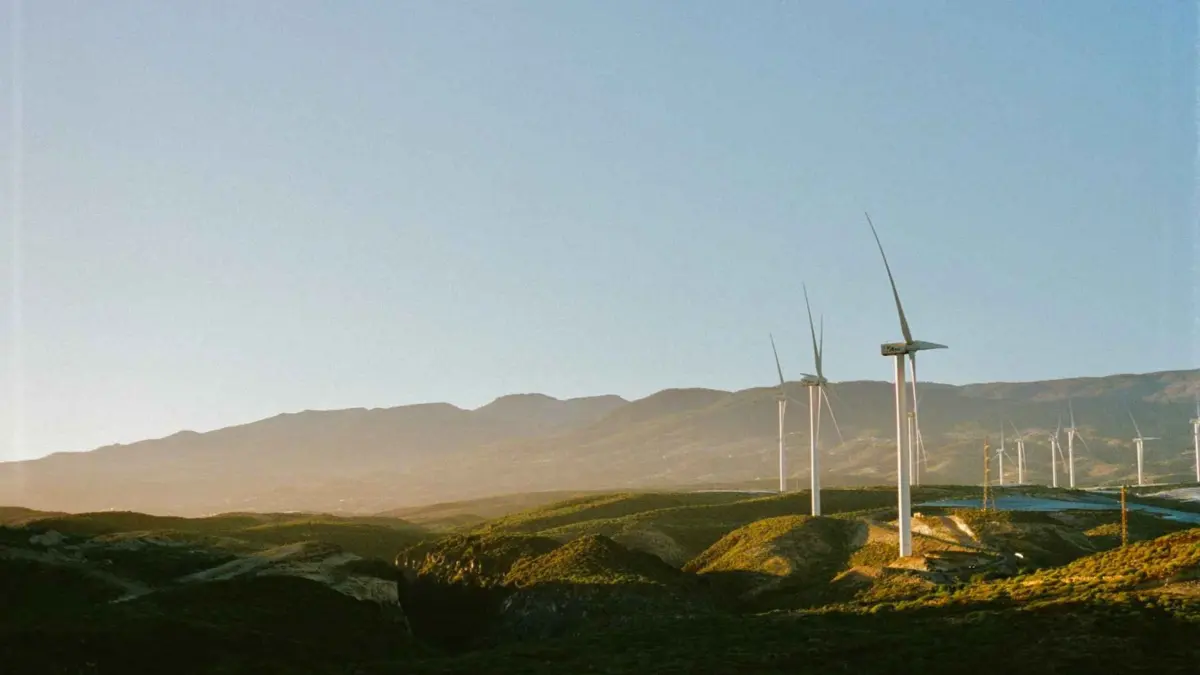
WASHINGTON — In the vast expanses of the American Midwest and the Great Plains, a quiet economic revolution is taking root. Despite a national political landscape often sharply divided over energy policy and dominated by historical reliance on fossil fuels, rural communities that have embraced wind, solar, and modern energy storage systems are reaping unprecedented financial rewards. Far from threatening the agricultural heritage of these regions, renewable energy infrastructure has emerged as a powerful engine for local prosperity, driving job creation, boosting wages, and expanding regional gross domestic product (GDP) without a single recorded instance of economic displacement.
These findings, drawn from comprehensive research by the Environmental Defense Fund (EDF) and the Center for Rural Energy Security at the University of Missouri, offer a compelling counter-narrative to longstanding political debates. As the United States navigates an increasingly volatile global energy market, the intersection of agriculture and clean technology is proving that environmental sustainability and rural economic survival are not mutually exclusive—rather, they are inextricably linked.
Main Facts: The Economic Blueprint of Clean Energy in the Heartland
The transition toward clean energy in rural America is no longer merely an environmental objective; it has become a tangible economic driver. According to empirical studies analyzing county-level data between 2001 and 2023, the integration of utility-scale wind farms, solar arrays, and energy storage facilities has fundamentally transformed the financial landscape of participating agricultural communities.
The primary takeaways from the data include:
- Sector-Specific Growth: Local economies hosting renewable energy projects witnessed spikes of up to 20% in employment and wage growth, particularly within the construction, utilities, and transportation sectors.
- GDP Expansion: Counties that successfully integrated wind energy infrastructure experienced an average increase in their local Gross Domestic Product of approximately 7%.
- Zero Economic Retrenchment: Crucially, the research revealed zero correlation between the installation of clean energy infrastructure and a subsequent decline in local employment, wages, or GDP.
- Agricultural Resilience: Far from harming farming productivity, solar and wind installations have provided farmers and landowners with diversified, drought-resistant income streams, helping to stabilize family farms against fluctuating commodity prices and unpredictable weather patterns.
Chronology: The Evolution of Renewable Integration in Agricultural Regions
To understand how the American heartland became an unlikely frontier for clean energy, it is necessary to examine the trajectory of policy, market forces, and technological adoption over the past two decades.
2001–2015: The Foundation and Early Adoption
At the turn of the 21st century, wind energy began making its initial inroads across the windy terrain of the Great Plains, while solar remained largely confined to small-scale, experimental, or residential applications. During this period, rural adoption was primarily driven by forward-thinking landowners seeking secondary income through land leases for wind turbines. While economic impacts were initially localized, they laid the groundwork for large-scale grid integration.
2016–2019: The Solar Turning Point
The year 2016 marked a watershed moment for American energy markets. Driven by precipitous drops in photovoltaic technology costs and growing corporate sustainability commitments, solar energy capacity across the United States began a rapid upward trajectory, effectively doubling within a few short years. Rural areas—possessing the vast, unobstructed land parcels necessary for utility-scale solar farms—became prime targets for development.
2020–2023: Global Crises and the Search for Energy Security
The onset of the global energy crunch, exacerbated by geopolitical conflicts in the Middle East and subsequent disruptions in traditional fossil fuel markets, created severe price volatility. Utility bills skyrocketed, and agricultural producers faced unprecedented cost pressures on diesel, fertilizers, and electricity. In this climate of uncertainty, the predictable, long-term pricing of renewable power contracts offered a safe harbor. Companies, agribusinesses, and rural cooperatives increasingly turned to solar and wind as reliable, cost-effective alternatives.
2024–Present: Proliferation and Regulatory Maturation
Today, despite shifting federal administrations and varying state-level political agendas, the momentum of rural renewables has forced a new phase of development. States across the Midwest, such as Nebraska, Missouri, and South Dakota, are experiencing a surge not only in new projects but also in the establishment of localized regulatory frameworks designed to manage land-use compatibility, environmental mitigation, and decommissioning protocols.
Supporting Data: What the Research Reveals
The empirical backing for rural renewables comes from rigorous, multi-year academic and environmental assessments. The Center for Rural Energy Security’s comparative analysis of counties with and without renewable energy installations provides a clear statistical blueprint of impact.
When isolating counties that hosted major wind and solar projects against demographically and geographically similar control groups without such infrastructure, the economic divergence is stark. The construction phase alone injects millions of dollars into local economies, triggering multiplier effects in hospitality, retail, and municipal services. Furthermore, long-term operational phases require skilled technicians for maintenance, creating high-paying, permanent jobs that help stem the demographic outflow of younger generations from rural towns.
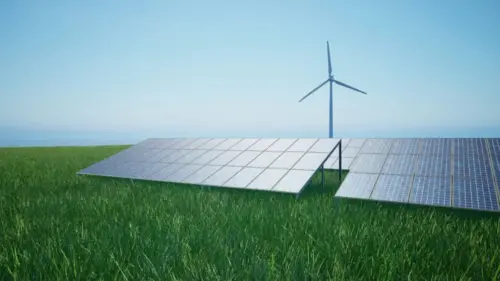
Data from the Solar Energy Industries Association (SEIA) further reinforces these conclusions. Far from degrading soil or reducing property values—common talking points among critics—properly managed agrivoltaics (the simultaneous use of areas of land for both solar power generation and agriculture) have demonstrated that crop cultivation and livestock grazing can successfully coexist with photovoltaic panels. In many instances, the shading provided by solar panels has helped conserve soil moisture in arid regions, benefiting specific crops and pollinators.
Official Responses and Political Friction
Despite glowing economic data, the expansion of rural clean energy has not occurred without political friction. The narrative surrounding land use has become a central battleground in American energy politics.
During the administration of Donald Trump, federal policy heavily favored the expansion of traditional fossil fuels—coal, oil, and natural gas. Elements within this political ecosystem consistently raised alarms regarding renewable energy projects, arguing that vast solar arrays and wind turbines endanger prime farmland, destroy rural aesthetics, and depress neighboring property values.
In a notable policy clash, Washington previously supported legal and administrative challenges against the rapid expansion of solar infrastructure on agricultural lands in states like New York, framing the trend as a direct threat to food security and rural traditions.
Industry advocates, however, have strongly pushed back against these assertions. Representatives from the SEIA and various rural development coalitions have repeatedly pointed to peer-reviewed studies to debunk claims of agricultural devastation. They argue that utility-scale solar projects occupy a minuscule fraction of total U.S. farmland—often less than one percent—while providing the financial lifeline many family farms need to survive generational land transfers and economic downturns.
Local leaders on the ground have also adjusted their messaging. Josh Moenning, director of New Power Nebraska, an organization that champions renewable sources, acknowledges that no form of energy generation is entirely without friction. However, Moenning and other pragmatic regional advocates emphasize that the solution lies not in prohibition or rejection, but in intelligent, localized governance and balanced regulation.
Implications: The Need for Balanced Regulation and Future Outlook
As the footprint of clean energy expands across the Midwest and Great Plains, the conversation is shifting rapidly from whether to build, to how to regulate responsibly.
The recognition that renewable energy brings profound economic benefits does not exempt developers from community accountability. Across the Heartland, municipal and county governments are establishing robust guardrails to ensure sustainable long-term integration. Recent data indicates a 45% increase in local ordinances and regulatory frameworks concerning renewable systems in states like Missouri, Nebraska, and South Dakota.
These comprehensive local policies typically address several key pillars:
- Installation Standards: Ensuring that equipment placement respects natural drainage patterns, historical sites, and ecological corridors.
- Vegetation and Land Management: Requiring pollinator-friendly ground cover beneath solar arrays to improve soil health and local biodiversity.
- Decommissioning Bonds: Mandating financial guarantees from energy companies to cover the cost of removing equipment and restoring agricultural land to its original state at the end of a project’s operational lifecycle.
A Sustainable Path Forward
The transition of the American rural landscape toward renewable energy represents a profound structural evolution. Far from being passive victims of shifting national energy priorities, rural communities in the Midwest and Great Plains are actively steering their economic destinies.
By leveraging their abundant wind and land resources, these regions have discovered a resilient path to financial growth—one that insulates local economies from global commodity shocks, creates sustainable well-paying jobs, and secures the viability of family farms for generations to come. As thoughtful regulations catch up with technological innovation, the symbiosis between American agriculture and clean energy is poised to define the future of the nation’s heartland.



Leave a Reply