

Main Facts
Radio Nacional de Colombia has officially kicked off its landmark celebratory programming week with a vibrant, eclectic showcase that highlights the breathtaking geographical and cultural diversity of the South American nation. In a single broadcast wave, the station bridged the high-altitude Andean peaks, the sweeping eastern plains (los Llanos), the sun-drenched Caribbean coast, and the sultry, biodiverse Pacific littoral.
At the heart of this cultural convergence are three distinct musical releases from heavyweights and innovators alike: a four-decade-old hidden gem from Latin Grammy-winning llanero legend Orlando “Cholo” Valderrama; a socially conscious storytelling piece from Latin Grammy champions Los Gaiteros de Pueblo Santo; and a boundary-pushing electronic-Pacific fusion track from producer DJ Kenall, courtesy of the independent label Polen Records.
This curated selection serves as the opening salvo for a week-long celebration dedicated to preserving, promoting, and modernizing Colombia’s rich acoustic heritage. By placing traditional folk forms side-by-side with contemporary electronic experimentation, Radio Nacional de Colombia is championing a progressive dialogue between the past and the future of Colombian identity.
Chronology: From 1981 Sketches to Modern Pacific Rhythms
To understand the weight of this week’s musical offerings is to trace a timeline that spans more than forty years of creative evolution across the Colombian territory.
1981: The Genesis of “Mañanita”
The timeline begins over four decades ago during a period of expatriate life for Orlando “Cholo” Valderrama. Residing temporarily in the United States, the young boyacense artist—raised in the vast expanses of Las Gaviotas, Casanare—found himself overcome with nostalgia for the acoustic textures of his homeland. Picking up his cuatro (a traditional four-stringed guitar intrinsic to llanero music), Valderrama began improvising a melodic progression. He meticulously penned the lyrics by hand, intending to dispatch the composition to his colleague and fellow musician José Archila, who was based in neighboring Venezuela. For decades, the piece remained a historical artifact of personal longing, waiting for the right moment to surface.
2007–2020: The Rise of Los Gaiteros de Pueblo Santo
Fast forward to the mid-2000s, when musician and composer Marlon Peroza laid the groundwork for Los Gaiteros de Pueblo Santo in Barranquilla. Officially taking shape in 2007, the project set out to construct a living mythology—a mythical village where the souls of departed gaitero masters find eternal rest. This conceptual universe culminated in 2020 when the ensemble secured the Latin Grammy Award for Best Folk Album with their debut production, Historias cantadas. Building on this momentum, the group began rolling out volumes of Complacencia, paying homage to the historical unifying power of radio and the collective sound memory of the nation.
The Present Day: The "Exótico" Wave and Radio Week
In the modern era, the timeline converges on the Pacific coast, specifically within the rhythmic hotbed of the Chocó department. Under the visionary direction of Felipe Álvarez, the local independent label Polen Records launched its ambitious "De costa a costa" (From Coast to Coast) initiative. Following earlier triumphs like La terapia del Palenque by Estrellas del Caribe, the label has turned its lens toward one of Colombia’s most electrifying underground movements: el ritmo exótico. Through the release of Exótico Riddims Vol. 1, producers like DJ Kenall are capturing the current zeitgeist, setting the stage for Radio Nacional’s grand showcase.
Supporting Data and Artistic Profiles
The cultural impact of this programming week is deeply rooted in the extraordinary credentials and artistic depth of the featured creators.
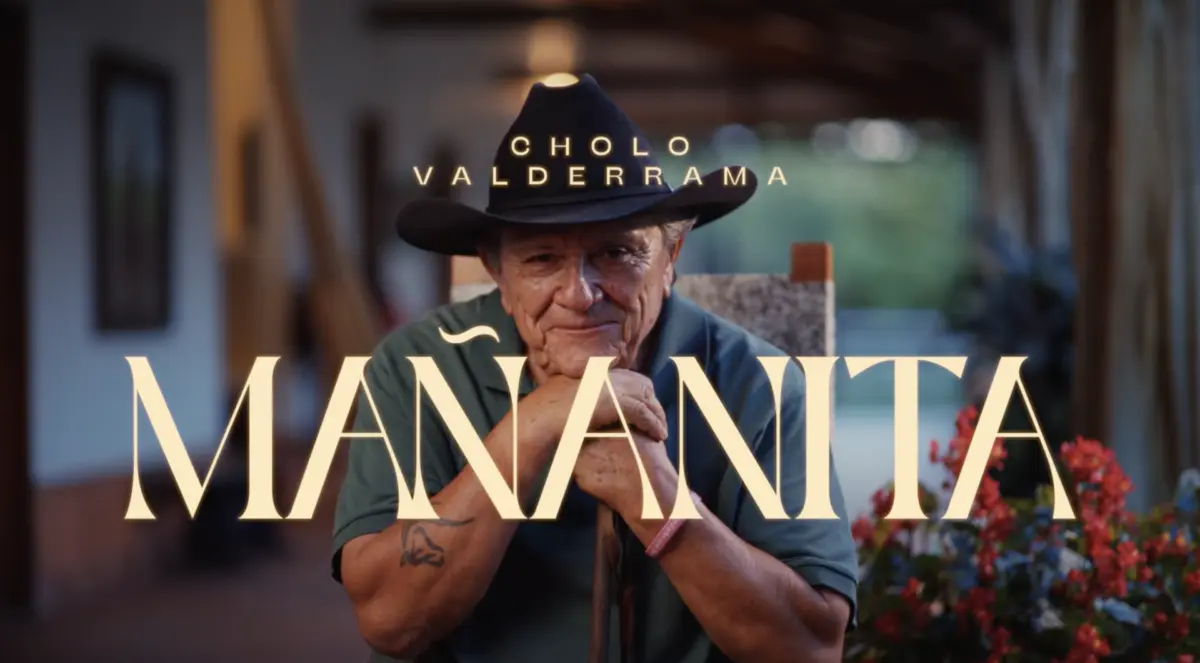
Orlando “Cholo” Valderrama – “Mañanita”
- The Artist: A master cuatrista and singer born in Boyacá and raised in the Casanare department. Valderrama is a towering figure in música llanera.
- Accolades: Winner of the 2008 Latin Grammy Award in the Best Traditional Folk Album category.
- The Track: "Mañanita" captures the rustic, poetry-driven essence of the plains. It utilizes the sharp, percussive strumming of the cuatro paired with evocative lyricism that reflects the solitude, beauty, and wide-open horizons of the Colombian-Venezuelan llano.
Los Gaiteros de Pueblo Santo – “Manuela”
- The Artist: Founded and led by Barranquilla-born composer Marlon Peroza, the ensemble has been active since 2007, dedicated to Caribbean folk traditions anchored by the indigenous gaita (flute) and heavy percussion.
- Accolades: Latin Grammy winners in 2020 for Historias cantadas.
- The Track: Stemming from their ongoing series Complacencia, vol. 1—which acts as a sonic monument to national radio—"Manuela" steps beyond pure rhythm to deliver a profound message. The song functions as a narrative vehicle championing tolerance, empathy, and acceptance in the face of human difference, proving that Caribbean folk music remains a vital tool for social commentary.
DJ Kenall & Polen Records – “Titon Punjabi”
- The Artist: DJ Kenall is a leading light in the burgeoning ritmo exótico scene, a high-energy genre exploding out of Colombia’s Pacific lowlands, with a massive epicenter in Chocó.
- The Label: Polen Records, helmed by Felipe Álvarez, has consistently pushed the envelope of Colombian alternative music. Their "De costa a costa" series aims to dismantle geographical divides by elevating coastal sounds.
- The Track: Featured on the compilation Exótico Riddims Vol. 1, "Titon Punjabi" is a sonic revelation. DJ Kenall merges the heavy, driving basslines of Pacific electronic music with unexpected global textures, specifically incorporating Arabic and Hindi musical elements. The result is a multicultural collision that demonstrates how hyper-local Colombian genres are engaging in global conversations.
Official Responses and Perspectives from the Cultural Sector
The rollout of Radio Nacional’s celebratory week has drawn widespread praise from musicologists, cultural historians, and industry insiders who view the initiative as a masterclass in public broadcasting.
Felipe Álvarez, director of Polen Records, has frequently emphasized the necessity of bridging disconnected regions through sound. In statements regarding the "De costa a costa" project, Álvarez noted that Colombia’s geographic barriers—such as the formidable Andean cordilleras—have historically isolated the Atlantic and Pacific coasts from one another, as well as from the interior plains. By curating releases that place Chocó’s ritmo exótico alongside Caribbean gaita and eastern llanero music, labels and public broadcasters are actively dismantling these historic segregation lines.
Cultural analysts observing Radio Nacional de Colombia’s programming note that public media holds a sacred duty to act as a mirror for the nation’s pluralism. By giving prime airtime to legacy acts like Cholo Valderrama—whose 1981 manuscript proves that traditional music is a lifelong labor of love—alongside contemporary innovators like Marlon Peroza and boundary-pushing electronic artists like DJ Kenall, the station is validating the full spectrum of Colombian identity.
Furthermore, representatives from the broader artistic community have lauded the focus on tolerance and historical memory. Songs like Los Gaiteros de Pueblo Santo’s "Manuela" serve as reminders that folk music in Colombia has never been merely decorative; it is an archive of survival, conflict resolution, and community building.
Implications for the Future of Colombian Music
The convergence of these diverse sounds on Radio Nacional de Colombia carries profound implications for the domestic music industry, cultural preservation efforts, and international export of Colombian art.
1. Decentralization of the Musical Narrative
For decades, the commercial music industry in Colombia was heavily centralized around major urban hubs like Bogotá, Medellín, and Cali, often reducing regional sounds to seasonal novelties or folkloric museum pieces. Initiatives like Radio Nacional’s thematic week—bolstered by independent labels like Polen Records—help decentralize this power dynamic. By treating ritmo exótico from Chocó, música llanera from Casanare, and Caribbean gaita with equal artistic reverence, the ecosystem proves that innovation happens on the margins, not just in the corporate center.
2. Archival Revival and Intergenerational Dialogue
The resurrection of Cholo Valderrama’s "Mañanita" 45 years after its conception in the United States sends a powerful message to younger generations of musicians: the archive is alive. It demonstrates that traditional songwriting is enduring and timeless. When youth hear a legendary cuatrista bridge the 1980s with the 2020s, it encourages a deeper respect for heritage genres while inspiring them to experiment.
3. Global Fusion and the "Exótico" Phenomenon
Perhaps the most striking implication lies in the international viability of tracks like DJ Kenall’s "Titon Punjabi." As Colombian electronic and urban sounds continue to conquer global charts, the integration of hyper-local Pacific rhythms with Arabic and Hindi motifs signals a new frontier for "Global Bass." It proves that Colombian artists are not merely consuming international trends, but actively engineering a polycultural synthesis that can resonate just as strongly in a Berlin club or a Mumbai festival as it does in Buenaventura or Quibdó.
Ultimately, Radio Nacional de Colombia’s showcase is more than just a radio week—it is a sonic manifesto. It reminds listeners that across the plains, the mountains, and both oceans, Colombia does not possess a single voice, but a magnificent, irrepressible chorus.




Leave a Reply