

Main Facts
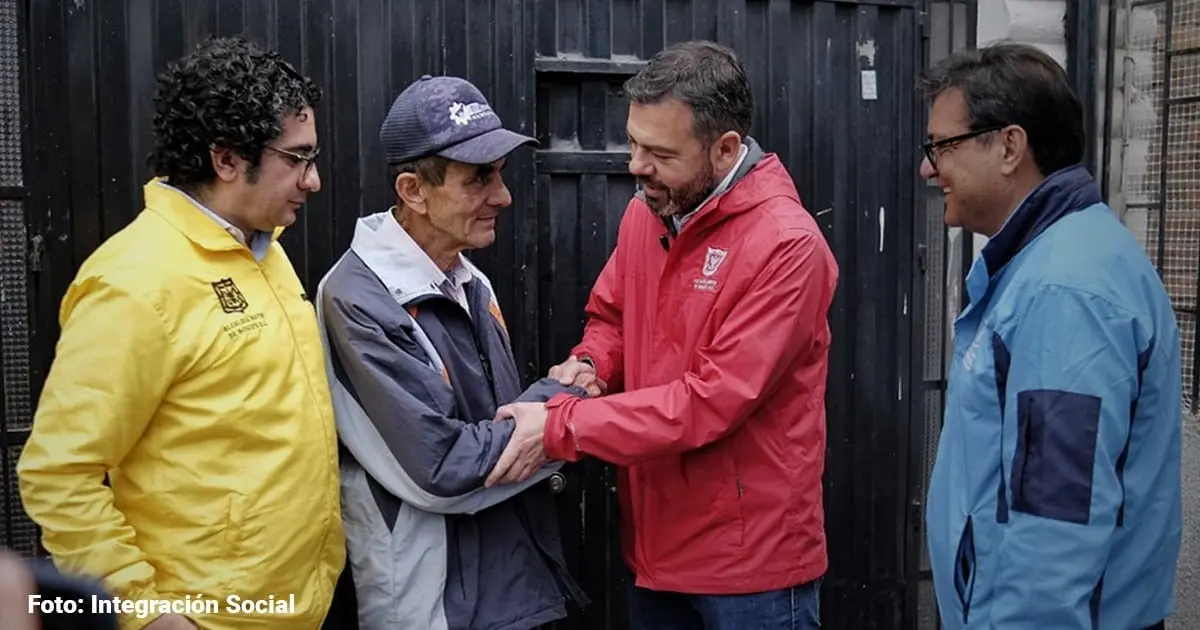
In the bustling, affluent neighborhoods of Bogotá—districts like Teusaquillo, Chapinero, and Usaquén—a silent, harrowing paradox is unfolding. Behind closed doors that have gone unknocked for years live elderly residents who possess what appears to be a hallmark of stability: a home of their own in a middle- or upper-class sector. Yet, beneath the veneer of traditional urban comfort, these senior citizens are enduring severe economic destitution, struggling to afford basic utilities, procure daily meals, or cope with the physical and emotional toll of aging in complete isolation.
This phenomenon, officially termed "hidden poverty" (pobreza oculta), shatters the long-held assumption that vulnerability in Colombia’s capital is exclusively confined to peripheral informal settlements. Instead, it exposes a demographic trapped by asset-rich, cash-poor realities—aging homeowners whose pensions or savings have evaporated, leaving them unable to pay soaring property taxes, water and electricity bills, or buy groceries.
Recognizing the gravity of this crisis, Bogotá Mayor Carlos Fernando Galán took an unprecedented step, personally leading a door-to-door campaign across the city’s localities. Accompanied by municipal secretariats, the administration’s strategy aims to unearth these invisible populations, integrate them into social safety nets, and confront a humanitarian emergency hiding in plain sight.
Chronology of the Intervention
The deployment of the District’s targeted outreach strategy marks a strategic pivot in how Bogotá identifies and assists its most vulnerable residents.
- Early 2024–Mid 2024: Initial demographic studies by the District Secretariat of Planning, led by Úrsula Ablanque, begin to spotlight the alarming scale of hidden poverty across strata 3 through 6. Quantitative indicators reveal that tens of thousands of elderly individuals are falling through the cracks of traditional welfare metrics, which often rely heavily on neighborhood stratification rather than actual disposable income.
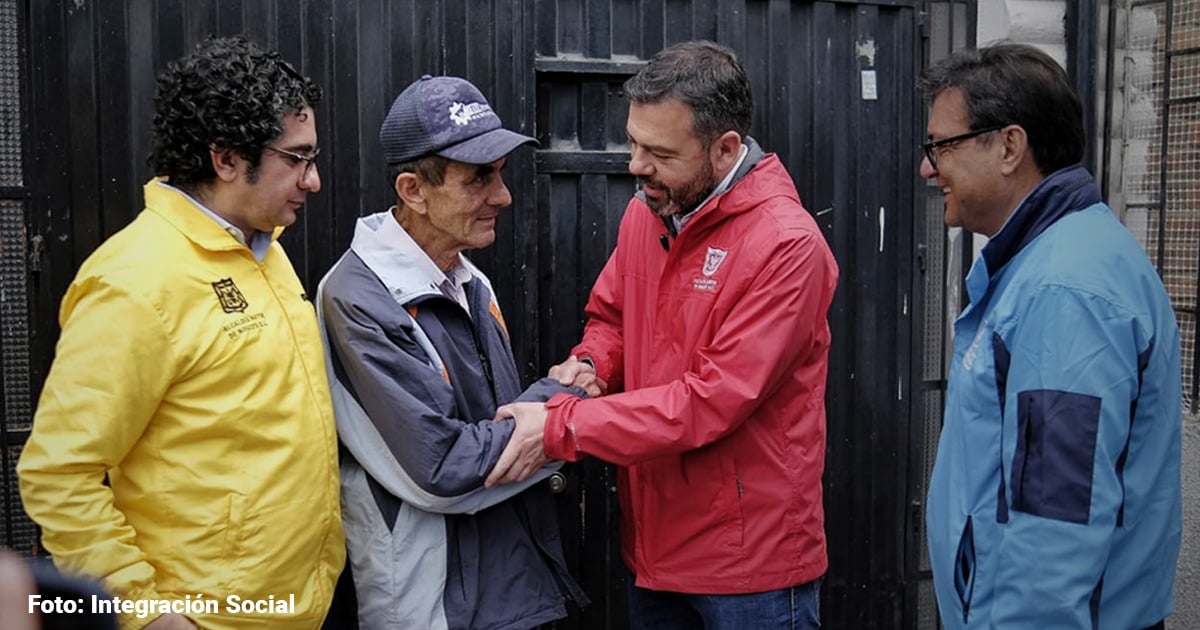
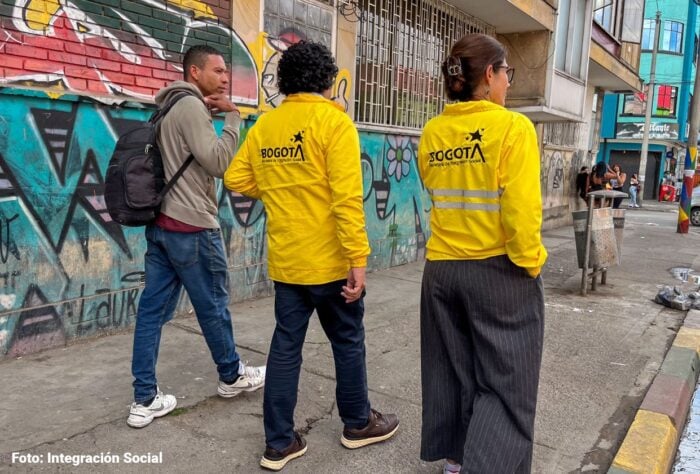
- Late 2024 (The Door-to-Door Initiative): Mayor Carlos Fernando Galán formally initiates the direct territorial outreach campaign. Eschewing purely bureaucratic approaches, the Mayor joins social workers in walking the streets of localities like Teusaquillo, personally knocking on doors to establish direct contact with isolated seniors.
- September 18, 2024 (Milestone Assessment): Official figures released by the Mayor’s office indicate that up to this date, Mayor Galán has personally spearheaded 457 targeted visits across 14 distinct localities. These operations successfully identify 46 individuals living in conditions of acute abandonment and immediately trigger 396 distinct municipal care services.
- Subsequent Expansion (Late 2024 and Beyond): In response to the high volume of uncovered cases, the District administration ramps up institutional capacity. Transitional care slots are expanded to 415, community care networks grow to 1,945 slots, and plans are cemented to inaugurate two new specialized attention centers in the Santa Fe and Tunjuelito localities, adding 100 dedicated slots per facility.
Supporting Data: The Geography of Hidden Poverty
While hidden poverty spans multiple socioeconomic strata, comprehensive data compiled by the Secretariat of Planning underscores a massive systemic footprint. An estimated 171,479 people live in conditions of hidden poverty throughout Bogotá.
The crisis is not evenly distributed, presenting distinct geographic patterns across the city’s localities:

High-Stratum Isolation (Chapinero, Usaquén, Teusaquillo)
In traditionally affluent sectors, the vulnerability often looks different than in peripheral zones.
- Teusaquillo emerges as the epicenter of the phenomenon, with authorities identifying approximately 25,000 vulnerable individuals. Many reside in aging properties where historical maintenance costs outpace fixed incomes.
- Chapinero and Usaquén house seniors living in high-stratum homes burdened by astronomical utility debts, facing imminent service disconnections and severe nutritional deficits.
Subletting and Room Rentals (Puerta Aranda, Barrios Unidos, Antonio Nariño)
In localities traditionally known for mixed commercial and residential zoning, the vulnerability manifests through severe housing precarity within larger structures.
- Puerta Aranda and Barrios Unidos feature numerous cases of elderly individuals living entirely alone, paying rent for small rooms or partitioned spaces inside deteriorating grand houses.
- Antonio Nariño, Santa Fe, and Tunjuelito exhibit similar profiles, where seniors lacking economic capacity occupy rented rooms inside larger properties, completely detached from family support networks.
District-Wide Concentration Metrics
According to the Secretariat of Planning’s broader demographic analysis, hidden poverty distribution across Bogotá is heavily concentrated in several key zones:
- Engativá: 18% of the total hidden poverty population.
- Kennedy: 15%.
- Rafael Uribe Uribe: 11%.
- Puente Aranda: 11%.
- Barrios Unidos: 8%.
- Fontibón: 7%.
- Usaquén: 7%.
Official Responses and Institutional Strategy
The magnitude of the crisis has required a coordinated, inter-institutional response involving the highest levels of the Bogotá District administration.
Mayor Galán’s strategy relies heavily on the Secretariat of Social Integration and the Secretariat of Health, steered respectively by officials Roberto Angulo and Gerson Bermont. Together, these bodies are tasked with bridging the gap between isolated seniors and the state’s social architecture.
+-----------------------------------------------------------------+
                 BOGOTÁ DISTRICT RESPONSE FRAMEWORK
+-----------------------------------------------------------------+
  [Mayor Carlos Fernando Galán] -> Direct Door-to-Door Outreach
                 |
                 +--> [Secretariat of Social Integration] (Roberto Angulo)
                 |        - Community Dining Halls (Comedores Comunitarios)
                 |        - Day Centers (Centros Día)
                 |        - Monetary Transfers & Care Programs
                 |
                 +--> [Secretariat of Health] (Gerson Bermont)
                 |        - Geriatric Home Visits
                 |        - Psychological & Medical Support
                 |
                 +--> [Secretariat of Planning] (Úrsula Ablanque)
                          - Data Mapping & Stratification Studies
+-----------------------------------------------------------------+
Expanding Institutional Capacity
To accommodate the influx of newly identified beneficiaries, the District has restructured its social service delivery models:
- Transitional Care Slots: Expanded to 415 slots, offering immediate, short-term refuge for seniors facing immediate eviction, severe medical crises, or extreme destitution.
- Community Care Networks: Scaled up to 1,945 operational slots, fostering community-based support systems that mitigate extreme social isolation.
- New Regional Centers: The administration is opening two new specialized attention centers located in Santa Fe and Tunjuelito, each boasting a 100-person capacity to absorb local demand.
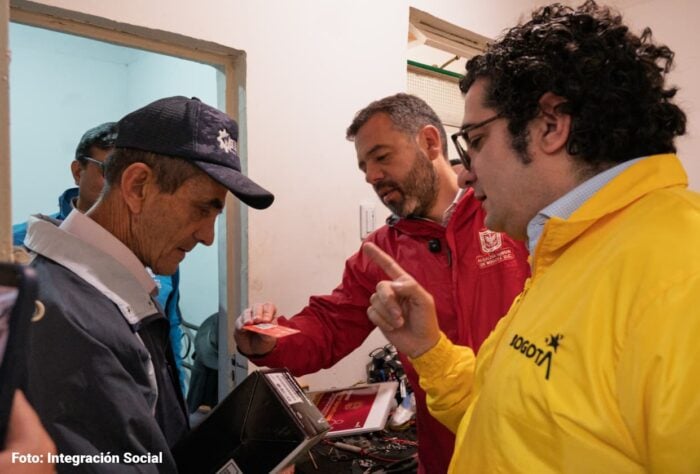
The overarching objective of the administration is to seamlessly integrate these individuals into established municipal safety nets—granting them access to community dining halls (comedores comunitarios), Day Centers (Centros Día), targeted care programs, and regular monetary transfers.
Socioeconomic Implications
The revelation of widespread hidden poverty in Bogotá carries profound implications for urban policy, social security structures, and cultural understandings of aging in Latin America.
1. The Fallacy of Stratification Metrics
For decades, urban policy in Colombia has relied heavily on the estratificación socioeconómica (socioeconomic stratification system, ranging from stratum 1 to 6) to allocate subsidies and gauge wealth. However, the hidden poverty crisis demonstrates the severe limitations of this model. An elderly resident living in an inherited home in Teusaquillo (Stratum 4 or 5) is legally classified as "wealthy" or "middle-class," insulating them from targeted welfare programs despite having a monthly cash flow of zero. This mismatch between fixed assets and liquid income creates a blind spot in traditional public policy.

2. The Demographic Transition and Longevity Crisis
Colombia, like much of Latin America, is experiencing a rapid demographic shift characterized by declining birth rates and rising life expectancies. As the population ages, the traditional family-centric care model is straining under economic pressures. Many seniors find themselves abandoned as younger generations migrate, face their own economic precarity, or simply lack the financial bandwidth to support aging parents. The hidden poverty phenomenon signals that public infrastructure must urgently adapt to accommodate an increasingly atomized elderly population.
3. Urban Isolation as a Public Health Threat
Beyond physical hunger and utility disconnections, hidden poverty inflicts severe psychological damage. Chronic isolation among seniors is directly linked to cognitive decline, depression, and higher mortality rates. By institutionalizing door-to-door search campaigns, the Bogotá administration is validating a proactive public health approach—treating social isolation not merely as a private misfortune, but as a critical municipal emergency requiring direct state intervention.
Ultimately, the ongoing efforts in Bogotá serve as a sobering reminder that urban development and architectural luxury can mask deep-seated human suffering. As Mayor Galán’s administration continues its work across the capital’s neighborhoods, the challenge remains clear: dismantling the barriers of pride, isolation, and bureaucratic classification to ensure that no resident of Bogotá is left to starve behind a locked door.


Leave a Reply