

Main Facts
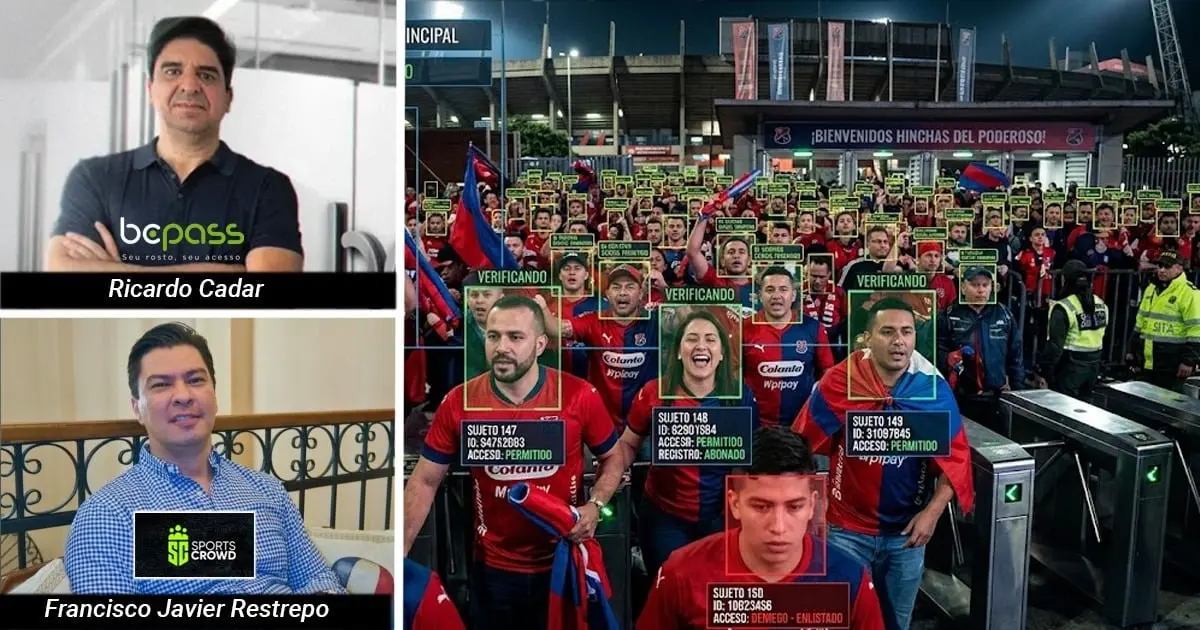
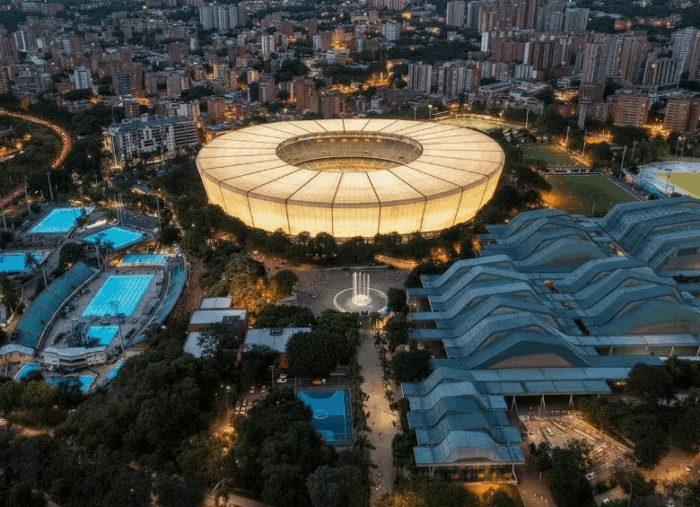
The landscape of Colombian professional football crossed a historic technological threshold on September 22, 2026. During the high-stakes fixture between the Deportivo Independiente Medellín (DIM) and Jaguares de Córdoba at the iconic Atanasio Girardot Stadium in Medellín, a major security innovation made its official debut: the implementation of biometric facial recognition technology for fan access control.
This groundbreaking pilot project transformed the matchday experience for the supporters occupying the stadium’s North Stand—the traditional home of the passionate Resistencia Norte fan club. Moving away from traditional paper tickets and QR codes stored on mobile devices, registered attendees bypassed turnstiles simply by showing their faces.
Behind this monumental technological leap is a strategic cross-border alliance. The Brazilian biometric pioneer Bepass joined forces with the Colombian technology and fan-engagement firm Sports Crowd (operating legally as Fanaticadas S.A.S.). Together, they brought systems proven in some of South America’s largest mega-stadiums directly to the heart of Antioquia, setting a precedent that could soon reshape sports venue security across the entire Andean region.
Chronology of the Technological Integration
The road to introducing facial recognition to Colombian football was not built overnight; it required months of rigorous technical planning, international benchmarking, and regulatory foresight.
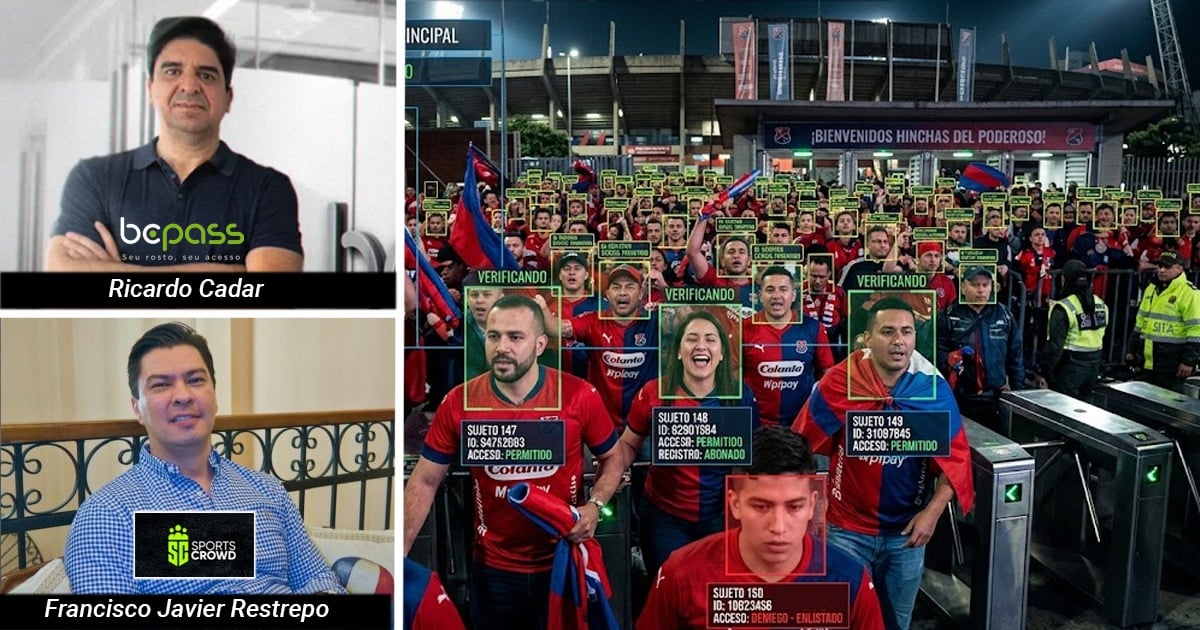
- October 2022: Engineer Ricardo Cadar founds Bepass in Brazil, originally designing the platform to eradicate ticket scalping (reventa) and streamline entry flow at sports arenas.
- Late 2023 – 2024: Following the passage of Brazil’s General Sports Law—which mandated biometric facial recognition for stadiums with capacities exceeding 20,000—Bepass tests its infrastructure at the Allianz Parque, home of SE Palmeiras. The trial proves overwhelmingly successful, eradicating informal ticket trading and assisting law enforcement in capturing dangerous fugitives.
- Early 2025: Encouraged by its success in São Paulo, Bepass expands its footprint rapidly. Iconic venues across Brazil—including the Maracanã, MorumBIS, Neo Química Arena, and Vila Belmiro—adopt the technology, pushing the company past the milestone of 30 million successful authentications and planting its first international flag at the José Amalfitani Stadium in Argentina.
- Late 2025 – Early 2026: Recognizing the urgent need to curb mounting stadium violence, senior executives from Deportivo Independiente Medellín—led by majority shareholder Raúl Giraldo and Sports Crowd leaders Francisco Javier Restrepo, Juan Manuel Sarria, Tatiana Minning, and Gustavo Cardona—travel to Brazil. They conduct extensive research, observing the Bepass system in high-pressure environments.
- March to August 2026: Sports Crowd conducts a rigorous six-month technical study inside the Atanasio Girardot to adapt the Brazilian infrastructure to local connectivity, hardware requirements, and database structures.
- July 1, 2026: Renovation and modernization works officially begin at the Atanasio Girardot, setting the stage for digital integration.
- September 22, 2026: The historic moment arrives. During the DIM vs. Jaguares match, the North Stand operates entirely on the Bepass-Sports Crowd facial recognition pilot, successfully processing thousands of fans without traditional tickets and marking a defining moment for Colombian sports technology.
Supporting Data and International Precedent
The decision by DIM and Sports Crowd to partner with Bepass is grounded in impressive, verifiable metrics gathered across Brazilian football over the past three years.
According to Everaldo Coelho, marketing director for SE Palmeiras, the implementation of Bepass at the Allianz Parque completely eliminated informal ticket black markets. More importantly, the system transformed sports venues from potential flashpoints of civil unrest into secure family environments.
Public security logs from Brazilian authorities detail the impact of integrating biometric gates directly with national police databases:
- Crime Interception: During the initial rollout phases at major São Paulo venues, facial recognition scanners successfully identified and flagged 184 fugitives attempting to enter stadiums. Among those detained at the turnstiles were individuals wanted on active warrants for homicide, drug trafficking, and aggravated assault.
- Volume of Authentication: Bepass has cleared more than 30 million individual entries across South America without major system failures or bottlenecks at turnstiles.
- Geographic Expansion: The technology now secures some of the most famous cathedrals of South American football, including:
- Allianz Parque (Palmeiras)
- Maracanã (Fluminense/Flamengo)
- MorumBIS (São Paulo FC)
- Neo Química Arena (Corinthians)
- Vila Belmiro (Santos)
- Arena do Grêmio (Grêmio)
- Nilton Santos (Botafogo)
- Arena Fonte Nova (Bahía)
- Arena das Dunas
By transposing this blueprint to the Atanasio Girardot, the Colombian project inherits a battle-tested architecture designed to withstand the massive surges of supporters arriving simultaneously minutes before kickoff.

Official Responses and Strategic Vision
The successful deployment on September 22 has drawn enthusiastic responses from club directors, security analysts, and technological partners alike, who view the pilot as the long-awaited solution to chronic public safety challenges in Colombian stadiums.
Raúl Giraldo, majority shareholder of Deportivo Independiente Medellín, emphasized that the investment in modern infrastructure is vital for the future of the club and its fan base. Speaking on the motivation behind the alliance, Giraldo noted that modern football demands international standards of organization and safety, pointing out that safeguarding families inside the arena is a non-negotiable priority.
From the technical side, Sports Crowd (Fanaticadas S.A.S.) highlighted the meticulous preparation required to merge local operational logistics with Bepass’s advanced software. Executives Francisco Javier Restrepo, Juan Manuel Sarria, Tatiana Minning, and Gustavo Cardona spent half a year auditing the stadium’s physical gates, connectivity speeds, and data privacy protocols to ensure compliance with Colombian regulations.
Ricardo Cadar, founder and CEO of Bepass, has repeatedly stressed that the core philosophy of the platform is twofold: to restore financial transparency to club ticketiing operations while creating an impenetrable barrier against individuals with criminal records or active stadium bans (barrabravas involved in violent altercations).
Broader Implications for Colombian Football
The successful trial of facial recognition technology at the Atanasio Girardot carries profound implications for the future of sports administration in Colombia. For years, Colombian stadiums have grappled with episodes of hooliganism, pitch invasions, and violent clashes between rival factions—incidents that frequently force Municipal Security Committees (Comisiones Locales de Seguridad en el Fútbol) to shut down stands, play matches behind closed doors, or deploy excessive police contingents.
If the Bepass and Sports Crowd pilot secures long-term regulatory and institutional backing following its initial rollout in Medellín, the roadmap for Colombian football points toward national expansion.
1. Scaling to Bogotá and Cali
Industry insiders have already begun projections to introduce similar biometric validation systems to major venues in other primary markets, such as El Campín in Bogotá and the Pascual Guerrero in Cali. Standardizing biometric entry across the country’s top-tier clubs would create a unified national blacklist, preventing violent offenders banned from one stadium from simply traveling to another city to buy a ticket under a false identity.
2. Eradicating Ticket Scalping (Reventa)
Beyond security, the financial implications for clubs are immense. Ticket scalping deprives clubs of vital matchday revenue and frequently results in overcrowding and safety hazards. By tying every seat directly to a verified human face, unauthorized resale becomes virtually impossible, ensuring that ticket revenues flow directly back into club coffers to fund player acquisitions and stadium modernizations.

3. Data Privacy and Civil Liberties
As biometric infrastructure expands, discussions surrounding data protection, privacy rights, and database security will inevitably take center stage. Sports Crowd and Bepass have stated that compliance with regional data protection laws is central to their deployment strategy, ensuring that biometric templates are encrypted and handled with strict confidentiality, used exclusively for law enforcement cross-referencing and access validation.
Conclusion
The September 22 match between Medellín and Jaguares will be remembered not just for the scoreline on the pitch, but as the day Colombian football stepped firmly into the digital age. By combining Brazilian technological innovation with Colombian operational expertise, the Atanasio Girardot has laid the foundation for a safer, more transparent, and highly modernized sporting culture. As other clubs monitor the results of this pilot, the message is clear: the future of stadium access is biometric, and the era of the anonymous spectator is coming to an end.




Leave a Reply