

By Investigative Business Desk
Published: October 2026
Main Facts
In the landscape of modern Colombian retail, few transformations have been as disruptive as the rise of hard-discounters. Among them, Tiendas D1—operated by Koba Colombia—has reshaped consumer habits, moving past staple goods like rice, coffee, and cleaning supplies to conquer an unexpected market: imported wine.
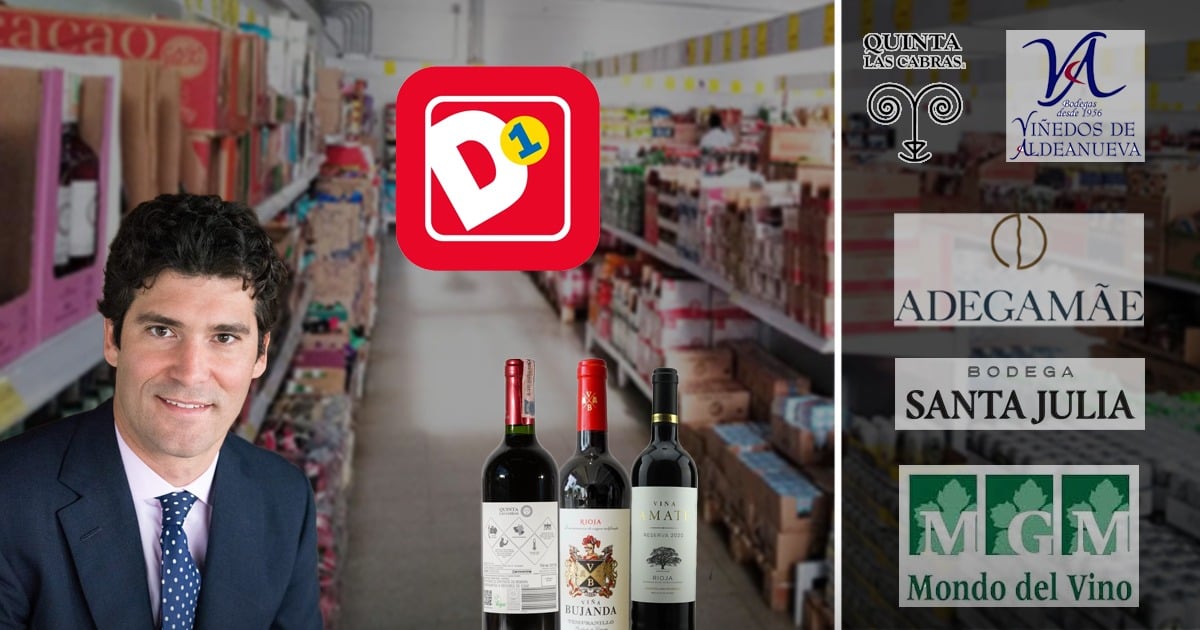
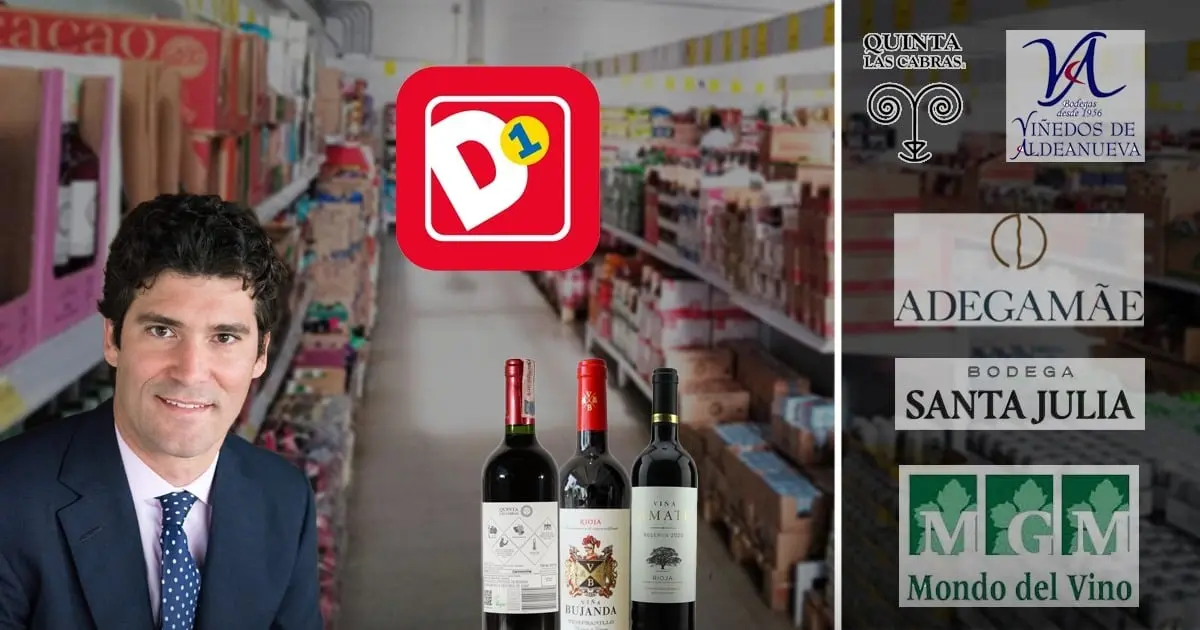
To the average shopper, a bottle of wine sitting next to boxes of cookies for under $30,000 Colombian pesos (COP) might look like just another generic item. Yet, a quick flip of the bottle reveals a passport stamped across the world’s most prestigious viticultural regions. Behind labels like Quinta Las Cabras, Pinta Negra, Compadre, and Maison 1982 are centuries-old family vineyards, massive international beverage groups, and historic European négociants.
Trade data compiled by SICEX between 2020 and 2026 reveals the staggering scale of this operation: Koba Colombia accumulated US$116.11 million (FOB) in wine imports during this period. This single retail chain accounts for an astonishing 23.8% of the total value of all wine imported into Colombia.

Rather than relying on local distributors or traditional multi-tiered supply chains, D1 leverages massive purchasing power and direct-to-source negotiations. The result is a curated global portfolio spanning Chile, Argentina, Portugal, Italy, France, and Spain, democratizing access to international wine for millions of Colombian households.
Chronology: Building a Global Wine Empire
The transformation of D1’s wine aisle from a basic novelty into a sophisticated, multi-continental catalog did not happen overnight. It represents a calculated, step-by-step expansion mirroring Koba Colombia’s broader supply chain maturation.

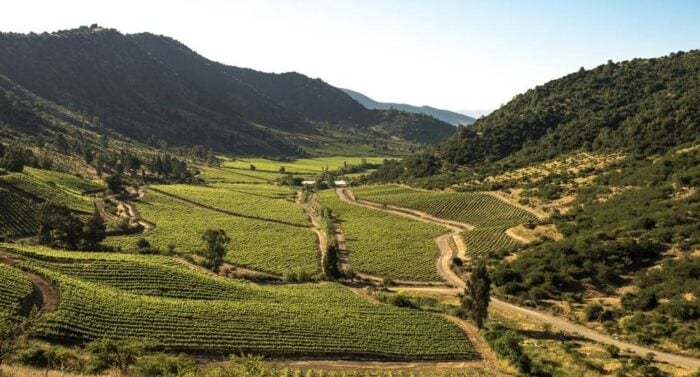
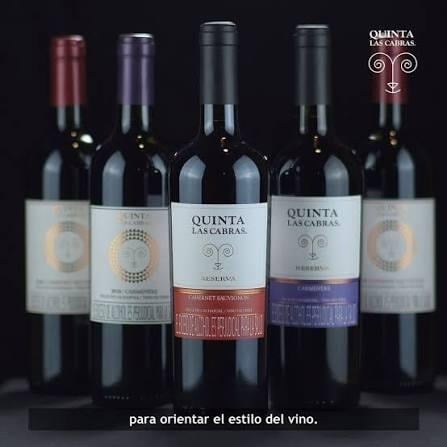
- The Early Foundation (Pre-2020): D1 established its initial foothold in the wine market by leaning heavily on South American neighbors. Recognizing the historical affinity Colombian consumers have for Chilean and Argentine wines, the chain secured early partnerships with legacy producers. Labels like Chile’s Quinta Las Cabras (produced by the Ossa family’s Viña La Rosa) laid the groundwork, offering reliable varietals at prices previously unheard of for imported South American wine.
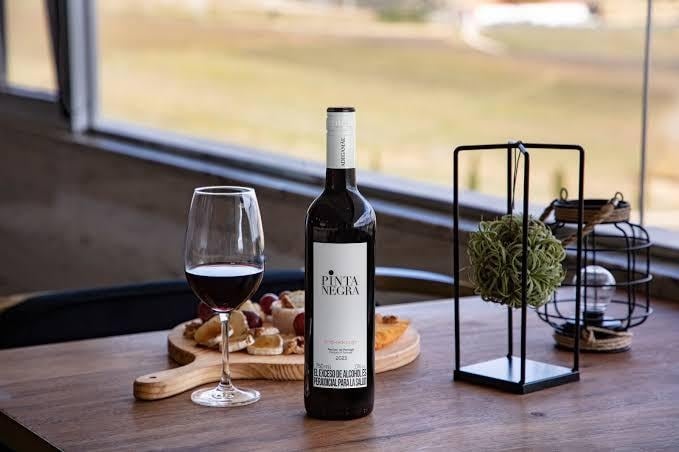
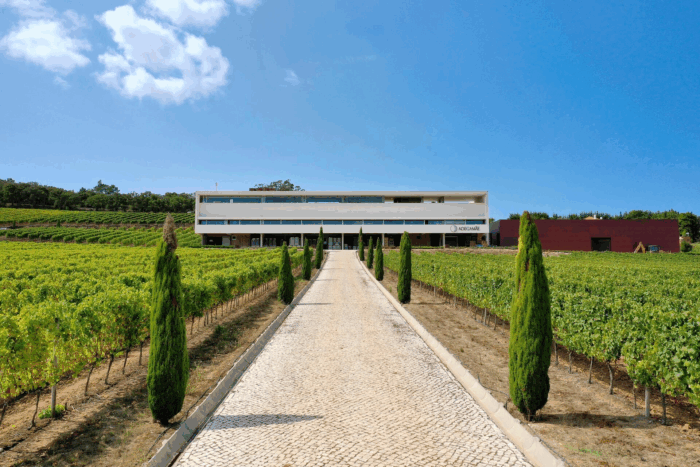
- The European Pivot and Packaging Innovation (2020–2022): As Koba’s logistics network solidified, the chain expanded aggressively into Europe. Portugal entered the mix via Pinta Negra, produced by AdegaMãe (founded by the Alves family in 2011). This era also marked a radical packaging shift: the introduction of the 3-liter Bag-in-Box format, challenging traditional consumer biases against alternative wine containers.
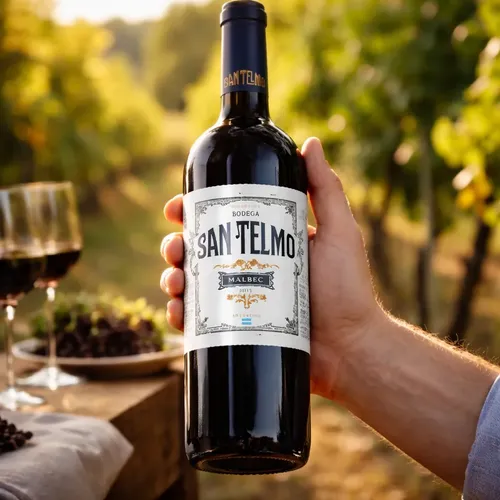
- Deepening South American Roots (2022–2024): Concurrently, D1 doubled down on Mendoza, Argentina. Partnerships with premier viticultural names like the Zuccardi family (Santa Julia / Compadre) and Grupo Peñaflor (San Telmo) embedded high-recognition Malbecs firmly into the discount retail ecosystem.
- The Old World Conquest (2024–2026): In its most ambitious phase, D1 breached the traditional strongholds of Old World winemaking. The chain introduced Italian heavyweights—ranging from Piedmontese reds by M.G.M. Mondo del Vino to Torresella Prosecco from Santa Margherita. Simultaneously, French Bordeaux (Maison 1982 via MT Vins) and Spanish Rioja (Viña Amate via Viñedos de Aldeanueva) made their debut on discount shelves, offering centuries of European winemaking heritage for under $30,000 COP.
Supporting Data & Economic Scale
The numbers behind D1’s wine strategy illustrate a masterclass in retail supply chain economics. Between 2020 and 2026, Koba Colombia’s US$116.11 million investment fundamentally altered import dynamics in the Andean nation.
Key Portfolio Metrics & Country Breakdown:
| Country of Origin | Key Producers / Houses | Notable Labels | Approximate Price Range (COP) |
|---|---|---|---|
| Chile | Viña La Rosa (Ossa Family) | Quinta Las Cabras (Cabernet, Carmenère, Sauvignon Blanc, Brut) | $20,000 – $28,000 |
| Portugal | AdegaMãe (Alves Family / Riberalves) | Pinta Negra (Tinto, Blanco, 3L Bag-in-Box) | $22,000 – $65,000 (Box) |
| Argentina | Zuccardi Family, Grupo Peñaflor, Bodega Los Ríos | Compadre Malbec, San Telmo, Los Ríos | $16,950 – $26,950 |
| Italy | M.G.M. Mondo del Vino, Santa Margherita Gruppo Vinicolo | Männara, Don Vito (Lambrusco), Torresella Prosecco | $22,000 – $34,950 |
| France | MT Vins (Bordeaux négociant) | Maison 1982 (Merlot / Cabernet Sauvignon blend) | ~$26,950 |
| Spain | Viñedos de Aldeanueva (Rioja Oriental) | Viña Amate Tempranillo, Faustino Rivero Ulecia | $21,950 – $23,900 |
By cutting out local intermediaries, D1 absorbs shipping, customs nationalization, and logistics overhead while maintaining retail price points that heavily undercut traditional brick-and-mortar wine shops and supermarkets, where comparable European imports frequently start north of $50,000 COP.
Official Responses and Industry Context
While Koba Colombia maintains a notoriously lean corporate profile—rarely issuing promotional press releases or granting interviews regarding proprietary supplier agreements—industry insiders and trade associations have closely monitored the phenomenon.
Representatives from traditional Colombian wine-importing houses have privately expressed both awe and concern over D1’s market capture. Historically, imported wine in Colombia was treated as an aspirational, high-margin luxury good restricted to specialized wine boutiques, upscale supermarkets, and restaurants.
By positioning world-renowned appellations—such as DOCG Prosecco, DOC Rioja, and Bordeaux blends—next to household cleaning products, D1 has effectively de-stigmatized the category.
“Koba has rewritten the rules of wine marketing in Latin America,” notes a Bogota-based supply chain analyst who requested anonymity. “They don’t sell a lifestyle or a romanticized narrative about terroir. They sell liquid quality assurance backed by historic names, stripped of the elitist markup. When a consumer buys a bottle of Maison 1982 from Bordeaux for under thirty thousand pesos, the barrier to entry for wine culture vanishes.”
Furthermore, European cooperative bodies have welcomed the massive volume generated by these partnerships. For large-scale cooperatives like Spain’s Viñedos de Aldeanueva—which represents over 800 associated families and 3,000 hectares of vineyards—supplying global discount chains provides vital financial stability and international exposure in emerging Latin American markets.
Implications: The Democratization of Wine Consumption in Colombia
The structural ripples of Koba Colombia’s US$116 million wine import strategy extend far beyond corporate balance sheets. They signal a permanent cultural shift in how Colombians consume alcohol.
1. Market Disruption for Traditional Importers
Traditional wine distributors are being forced to adapt. To compete with D1’s volume-driven pricing, mid-tier importers are rethinking their portfolios, pushing for exclusive high-end allocations, or introducing their own value-focused white-label brands to capture the swelling segment of casual wine drinkers.
2. Changing Consumer Habits
The integration of wine into weekly grocery runs normalizes consumption. Wine is no longer reserved strictly for anniversaries, formal dinners, or holiday celebrations. As evidenced by Pinta Negra’s milestone of surpassing 1.5 million units sold—alongside the popularity of alternative high-volume formats like the 3-liter Bag-in-Box—Colombians are increasingly adopting wine as an everyday beverage for home dining and casual gatherings.
3. Redefining Discount Retail Standards
D1 has proven that hard-discount models do not require a compromise on product pedigree. By partnering with generational winemaking dynasties—such as the Ossa family in Chile, the Zuccardis in Argentina, and historic négociants in Bordeaux—the chain has elevated the standard of private-label and exclusive-import retail across the region.
Ultimately, whether picked up during a hurried Tuesday grocery run or opened during an impromptu weekend gathering, these bottles represent a quiet revolution: world-class viticulture, unburdened by snobbery, firmly rooted in the daily lives of Colombian households.




Leave a Reply