

Main Facts
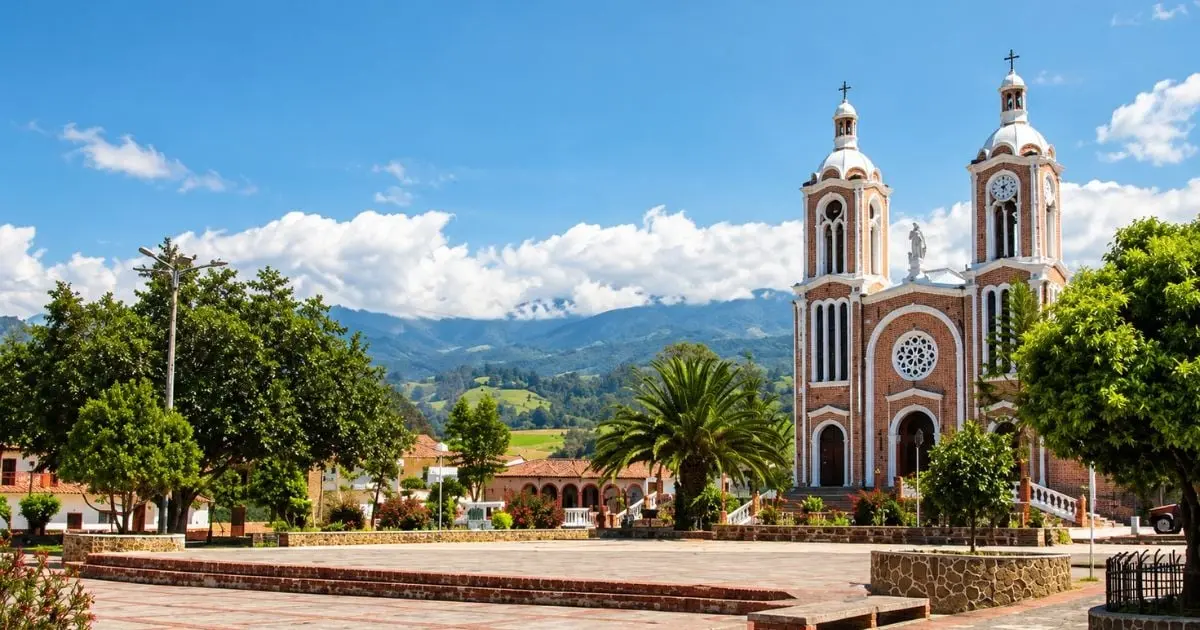
Nestled deep within the rugged topography of the Colombian Andes, just three hours away from the bustling capital of Bogotá, lies Ciénaga—a municipality in the Department of Boyacá that feels suspended in a different temporal dimension. Far from the typical bustling tourist corridors, Ciénaga distinguishes itself through a rare synthesis of architectural heritage, high-altitude ecosystems, and deep-rooted indigenous history.
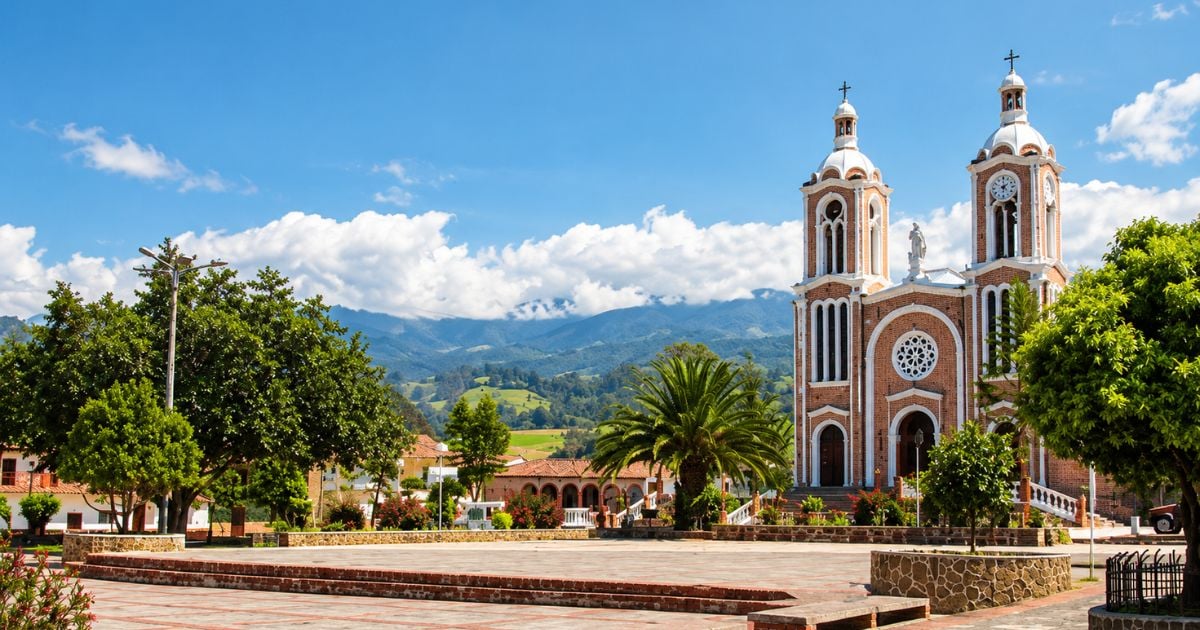
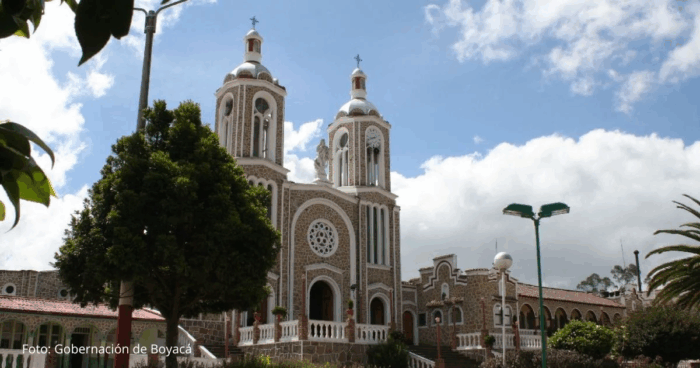
The town’s defining visual hallmark is its extensive use of finely cut stone. Unlike the traditional white-washed walls and red-tile roofs characteristic of many colonial Andean settlements, Ciénaga integrates masonry directly into its urban fabric. From the structural foundations of its main square to the imposing presence of its central church, the local architecture speaks of a profound mastery of stone-working that has endured for generations.
Beyond its picturesque urban center, Ciénaga serves as an ecological portal. Situated within the Province of Márquez, the municipality’s jurisdiction extends into sweeping high-altitude paramos, dense Andean cloud forests, and a network of glacial lakes. Key natural landmarks include Laguna La Calderona and Laguna Arrebiatadas, which act as vital hydrological reserves while serving as transitional zones connecting the high cordillera to the Orinoquía piedmont. Furthermore, the region harbors priceless pre-Columbian artifacts, most notably the petroglyphs of Quitapesares in the Bijagual Paramo, bearing silent witness to the ancient Muisca civilization that once inhabited these mist-shrouded elevations.
Chronology: From Ancestral Muisca Territory to Modern Eco-Tourism Sanctuary
The history of Ciénaga is written in layers—etched first into rock faces by indigenous hands, later carved into colonial foundations, and presently being rediscovered by modern travelers seeking untamed natural landscapes.
- Pre-Columbian Era (Pre-1537): Long before the arrival of Spanish conquistadors, the indigenous Muisca civilization populated the high-altitude valleys and slopes of what is now the Province of Márquez. They utilized the high paramos for spiritual ceremonies and astronomical observations, leaving behind profound spiritual and cultural markers, such as the stone petroglyphs at Quitapesares in the Bijagual Paramo.
- The Colonial and Early Republic Period: As the Spanish crown consolidated its control over the Andean highlands, European settlement models took root. Local artisans and builders adapted European architectural techniques to the rugged geography, integrating the abundant local stone into civic and religious structures. This marked the birth of Ciénaga’s distinct urban aesthetic, characterized by solid stone-masonry buildings designed to withstand the harsh Andean climate.
- Late 20th Century: For decades, Ciénaga remained a quiet, agrarian community, largely overlooked by major tourist circuits in Boyacá that favored destinations like Villa de Leyva or Paipa. The local economy relied primarily on high-altitude agriculture, livestock, and traditional trade within the Márquez province.
- Recent Decades (The Eco-Tourism Awakening): Recognizing the urgent need for economic diversification and sustainable rural development, regional authorities and local community leaders began promoting Ciénaga’s unique assets. The municipality emerged as a prime destination for hiking, birdwatching, and cultural heritage tourism.
- Present Day: Ciénaga stands as a premier alternative for travelers seeking a multi-faceted escape from Bogotá. Blending geological wonders, archaeological treasures, and architectural uniqueness, the town is increasingly recognized in national tourism profiles as one of Boyacá’s best-kept secrets.
Supporting Data: Geography, Biodiversity, and Infrastructure
To fully understand the appeal of Ciénaga, one must examine the environmental and geographical metrics that define this Boyacense territory:
- Geographic Proximity: Located approximately 3 hours (roughly 120 to 140 kilometers, depending on traffic and the route taken) northeast of Bogotá, making it an accessible weekend getaway for urban dwellers.
- Administrative Context: One of the 123 municipalities that constitute the Department of Boyacá, strategically positioned within the Province of Márquez.
- Key Hydrological and Ecological Sites:
- Laguna La Calderona: A high-altitude glacial lake serving as a primary water reservoir for the province, holding deep spiritual significance for local historical communities.
- Laguna Arrebiatadas: Nestled amid dense, humid Andean forests, acting as a biodiversity hotspot for endemic flora and fauna.
- Cerro de San Vicente: A strategic vantage point offering panoramic vistas stretching across the Márquez and Lengupá provinces.
- Parque Natural El Cañal: A protected micro-ecosystem encompassing pristine water sources, native Andean cloud forests, and diverse fauna including migratory bird species.
- Bijagual Paramo: Home to the Quitapesares petroglyphs, representing a fragile, vital ecosystem crucial for regional water regulation.
Official Responses and Perspectives
Local authorities, regional tourism boards, and cultural preservationists have increasingly focused their efforts on sustainable development in Ciénaga. Recognizing the delicate balance between promoting economic growth through tourism and protecting fragile ecosystems like the paramos, official stakeholders have voiced clear strategic directions.

Representatives from the Boyacá Tourism Secretariat emphasize that municipalities like Ciénaga represent the future of sustainable regional travel. In recent promotional frameworks, local officials have highlighted the necessity of regulated tourism: "Ciénaga offers a trifecta of historic architecture, indigenous legacy, and high-altitude nature. However, our primary commitment is to ensure that visitors respect the carrying capacity of our paramos and water sources. The glacial lakes and the Bijagual Paramo are not merely tourist backdrops; they are ecological lifelines for the entire province."
Furthermore, local cultural historians underscore the importance of preserving the Muisca heritage found at Quitapesares. Community leaders advocate for educational tourism initiatives that teach visitors about the archaeological significance of the stone carvings, ensuring that these ancient artifacts are protected from vandalism and environmental degradation. Architects and urban planners have similarly praised the preservation of the stone-built downtown, noting that the architectural integrity of Ciénaga’s central square serves as an invaluable textbook of traditional Andean masonry.
Implications: Balancing Conservation, Heritage, and Rural Development
The gradual transformation of Ciénaga from an isolated agricultural enclave into an emerging eco-cultural destination carries profound implications for the municipality and the broader Boyacá region.
Economic Opportunities and Rural Livelihoods
For the local population, the influx of travelers seeking hiking trails, birdwatching excursions, and cultural immersion offers a vital economic diversification tool. Small-scale entrepreneurs, local guides, artisan stone-workers, and family-run guesthouses stand to benefit directly from sustainable tourism. This economic stimulus can help curb rural-to-urban migration by providing younger generations with viable livelihoods rooted in their home territory.
Environmental Vulnerability and Conservation Challenges
However, this growth introduces distinct challenges. High-altitude ecosystems like the Bijagual Paramo and the catchment areas surrounding Laguna La Calderona are notoriously fragile. Increased foot traffic, improper waste management, and unregulated trail use threaten the delicate balance of Andean cloud forests and glacial water sources. Authorities face the complex task of implementing strict environmental regulations without stifling the nascent tourism sector.
Cultural Preservation vs. Commercialization
As Ciénaga gains visibility, maintaining the authenticity of its stone-built heritage and indigenous history becomes paramount. Ensuring that tourism development respects the historical dignity of the town—rather than succumbing to superficial commercialization—will determine whether Ciénaga retains its timeless charm.

Ultimately, Ciénaga stands at a crossroads. By successfully bridging its pre-Columbian Muisca roots, its colonial-era stone architecture, and its pristine natural landscapes, the town offers a blueprint for sustainable, mindful travel in the Colombian Andes—proving that some of the nation’s most profound treasures lie just beyond the mist, waiting to be explored with care and reverence.




Leave a Reply