

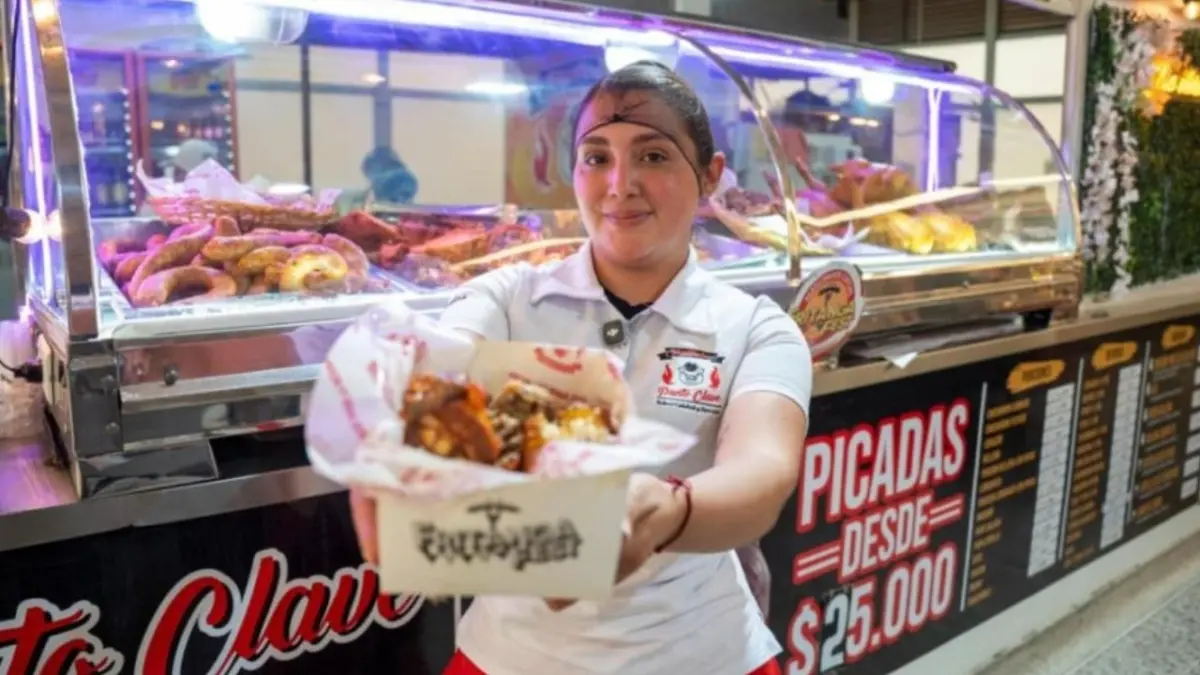
BOGOTÁ, COLOMBIA — One of Bogotá’s most cherished and flavorful gastronomic gatherings, Fritanga Fest, is set to return for its seventh edition. From October 2 through October 4, 2026, the Colombian capital will transform into a city-wide celebration of fritanga (also known as picada), a signature traditional dish that reflects the rich agricultural and culinary history of the Cundiboyacense highlands.
Organized by the Institute for Social Economy (IPES) in close coordination with various District secretariats and municipal bodies, the three-day festival aims to stimulate the local economy, drive foot traffic to public market plazas (Plazas Distritales de Mercado), and preserve the intangible cultural heritage of Andean street food.
Main Facts: Savoring Tradition at an Accessible Price
The seventh installment of Fritanga Fest brings together dozens of traditional cooks, market stallholders, and private restaurateurs across Bogotá’s diverse administrative localities. The flagship objective remains twofold: honoring the legacy of traditional market vendors (vivanderos) while offering residents and tourists a high-quality culinary experience at a standardized price point.
====================================================================
                        FRITANGA FEST 2026 AT A GLANCE
====================================================================
  Dates:            October 2 – October 4, 2026 (Friday – Sunday)
  Edition:          7th Annual Edition
  Organizing Body:  Instituto para la Economía Social (IPES)
  Standard Serving: 750 grams
  Fixed Price:      $25,000 COP (~$6.25 USD)
  Key Venues:       Plazas Distritales de Mercado & Selected Restaurants
  Navigation:       Interactive map via Mapas Bogotá (Catastro Distrital)
====================================================================
Price Stability Amidst Economic Inflation
A defining feature of the 2026 event is the price freeze established by festival organizers. Despite broader inflationary pressures across raw food supplies in Colombia over recent fiscal cycles, IPES confirmed that the official serving price will remain capped at $25,000 COP (approximately $6.25 USD) for a generous 750-gram portion. This matches the price established during the 2025 edition, ensuring that the event remains accessible to working-class families, students, and budget-conscious diners.
Digital Navigation via Mapas Bogotá
To help attendees navigate the vast array of participating venues across the sprawling capital, the Special Administrative Unit of District Cadastre (Catastro Bogotá) has integrated an interactive layer into its Mapas Bogotá platform. Diners can instantly locate participating stalls in real time, check operating hours, view transport access routes, and filter establishments based on proximity.
Chronology: The Seven-Year Journey of Fritanga Fest
To appreciate the significance of Fritanga Fest 2026, it is essential to trace its evolution from a targeted economic emergency project into a major fixture on Colombia’s annual cultural calendar.
+-------------------------------------------------------------------+
|                  EVOLUTION OF FRITANGA FEST                       |
+-------------------------------------------------------------------+
| 2020: Inaugural Edition Launched during post-lockdown recovery    |
| 2021: Digital mapping introduced; participation expands           |
| 2022: Multi-day attendance breaks records across public markets   |
| 2023: Standardized sizing (750g) and strict hygiene protocols     |
| 2024: Rural producers and regional supply chains fully integrated |
| 2025: Fixed pricing established to combat local food inflation    |
| 2026: 7th Edition cements fritanga as formal cultural heritage    |
+-------------------------------------------------------------------+
1. Post-Pandemic Origins (2020–2021)
Fritanga Fest was conceived during the height of the COVID-19 economic recovery efforts in late 2020. Bogotá’s public market plazas, long considered the heartbeat of urban food distribution, suffered severe losses due to lockdowns. IPES launched the festival as a strategic economic intervention to bring customers back to traditional market halls. The initial edition relied heavily on takeaway models and early digital delivery initiatives.
2. Digitalization and Institutionalization (2022–2023)
By its third and fourth editions, the festival transitioned into a vibrant in-person weekend experience. City agencies standardized hygiene protocols, portion guidelines, and pricing. Spatial mapping via Catastro Bogotá was introduced, turning the event into a city-wide treasure hunt for food lovers. Over these two years, the festival expanded beyond traditional market halls to include neighborhood eateries, culinary schools, and gastro-pubs.
3. Maturation and Cultural Recognition (2024–2026)
In recent years, Fritanga Fest has evolved into a key driver of urban gastronomy tourism. The 2026 edition represents the maturation of this model. It stands as a sustainable public policy initiative that directly connects rural agricultural suppliers from Cundinamarca and Boyacá with micro-entrepreneurs operating within Bogotá’s urban centers.
Supporting Data: Anatomy of the Dish and Economic Impact
The Culinary Composition of a Traditional 750g Serving
Fritanga is not merely a single recipe; it is a communal, shared platter comprised of various fried meats, sausages, starches, and tubers native to the northern Andes.
+------------------------------------------------------------------+
|               TYPICAL 750g FRITANGA PLATTER COMPOSITION          |
+------------------------------------------------------------------+
|  INGREDIENT          | DESCRIPTION                               |
+----------------------+-------------------------------------------+
|  Papa Criolla        | Small yellow Andean potato, crispy skin   |
|  Morcilla            | Rice-filled spiced blood sausage          |
|  Longaniza           | Seasoned pork sausage with local herbs    |
|  Chicharrón          | Crispy pork belly or pork crackling       |
|  Costilla de Cerdo   | Slow-cooked fried pork ribs               |
|  Plátano Maduro      | Sweet fried yellow plantain slices        |
|  Mazorca             | Charred or fried sweet yellow corn        |
|  Yuca                | Boiled and crisp-fried cassava root       |
|  Bofe / Bofe frito   | Seasoned fried beef lung (traditional)    |
+----------------------+-------------------------------------------+
|  Condiments: Ají casero (spiced salsa) & Guacamole bogotano       |
|  Traditional Pairing: Refajo (Beer mixed with Colombiana soda)   |
+------------------------------------------------------------------+
Economic Ecosystem and Micro-Market Dynamics
The economic ripple effect of Fritanga Fest extends far beyond the restaurant cash registers:
- Agricultural Supply Chain: A single festival weekend consumes dozens of tons of yellow potatoes (papa criolla), cassava, sweet corn, and high-grade pork cuts sourced directly from smallholder farms across Cundinamarca, Boyacá, and Meta.
- Revenue Generation for Market Vendors: Historical data from IPES indicates that participating market vendors experience sales increases between 150% and 300% over the festival weekend compared to baseline non-festival weekends.
- Formalization and Skilling: Through mandatory food safety certification, marketing assistance, and digital payment onboarding provided by IPES, participating micro-entrepreneurs gain valuable long-term business management skills.
Official Responses and Institutional Perspectives
City leadership and community representatives emphasize the festival’s dual role in driving local commerce and preserving cultural identity.
Institute for Social Economy (IPES) Stance
Spokespersons from the Instituto para la Economía Social (IPES) underscored that Fritanga Fest represents a key cornerstone of Bogotá’s informal economy integration strategy:
"Fritanga Fest is much more than a gastronomic event; it is an economic engine for hundreds of families who have kept our culinary traditions alive inside the public market plazas for generations. By maintaining a fair price point of $25,000 pesos for a robust 750-gram portion, we ensure that the festival remains inclusive for all Bogotanos while generating substantial, direct revenue for our merchant partners."
District Cadastre and Urban Technology Integration
Representatives from Catastro Bogotá highlighted the importance of accessible urban geospatial mapping to encourage citizens to venture into historical neighborhoods:
"Through our Mapas Bogotá platform, we enable citizens to explore their city differently. By mapping every participating plaza—from Restrepo and La Concordia to Fontibón and 7 de Agosto—we break down spatial barriers and encourage people to support local markets they might not normally visit."
The Voice of the Market Merchants (Vivanderos)
For traditional market cooks, many of whom are second- or third-generation business owners, Fritanga Fest offers national recognition for recipes refined over decades:
"This festival brings young people, tourists, and families back into the traditional plazas," stated a veteran vendor from the historic Plaza de Mercado La Concordia in La Candelaria. "Fritanga is our identity. It represents Sunday family gatherings, warmth, and hard work. Having the city champion our food gives dignity to our craft."
Implications: Economic Revival, Tourism, and Cultural Heritage
The broader impact of Fritanga Fest 2026 spans several key areas of urban policy, economic resilience, and cultural preservation.
                        KEY IMPACT AREAS

       +-----------------------+-----------------------+
       |                       |                       |
       v                       v                       v
[ Economic Resilience ]  [ Cultural Identity ]  [ Urban Revitalization ]
 • Boosts stall sales     • Preserves recipes     • Drives visitors to
 • Shortens farm-to-      • Transmits heritage      historic marketplaces
   table supply chains      to youth               • Enhances tourism
1. Safeguarding Intangible Culinary Heritage
As global fast-food chains and international dining trends expand across Latin American capitals, traditional street food and market cuisine face the risk of generational decline. Events like Fritanga Fest validate indigenous and mestizo culinary practices, recasting deep-rooted food customs as essential components of Colombia’s national identity.
2. Revitalizing Public Market Infrastructure
Bogotá’s Plazas Distritales de Mercado serve as critical nodes of food security and culture. By channeling thousands of diners into venues such as Plaza del Restrepo, Plaza del 12 de Octubre, Plaza de Samper Mendoza, and Plaza de Las Cruces, the district government encourages ongoing municipal investment in market infrastructure, sanitation, and safety.
3. Strengthening Farm-to-Table Supply Chains
By requiring high volumes of fresh, locally grown ingredients over a concentrated period, Fritanga Fest strengthens direct trade links between urban markets and rural agricultural producers. Eliminating intermediary steps ensures that small-scale farmers retain a larger share of the profits generated by urban food festivals.
4. Enhancing Bogotá’s Position as a Gastronomic Capital
Bogotá’s culinary reputation has surged internationally, driven by both high-end fine-dining accolades and its vibrant street-food ecosystem. Fritanga Fest showcases the city’s ability to celebrate its humble, authentic culinary roots alongside modern dining offerings, positioning Bogotá as a premier culinary destination in South America.
Looking Ahead to the October 2026 Event
With preparations fully underway, district officials encourage residents and visitors alike to mark their calendars for October 2–4, 2026.
Diners are advised to consult the official Mapas Bogotá portal prior to the weekend to plan their routes, explore participating menus, and experience the distinct regional variations of fritanga offered across the capital. Whether visited in a historic downtown plaza or a neighborhood market stall, Fritanga Fest 2026 promises a rich mix of flavor, culture, and community spirit.


Leave a Reply