

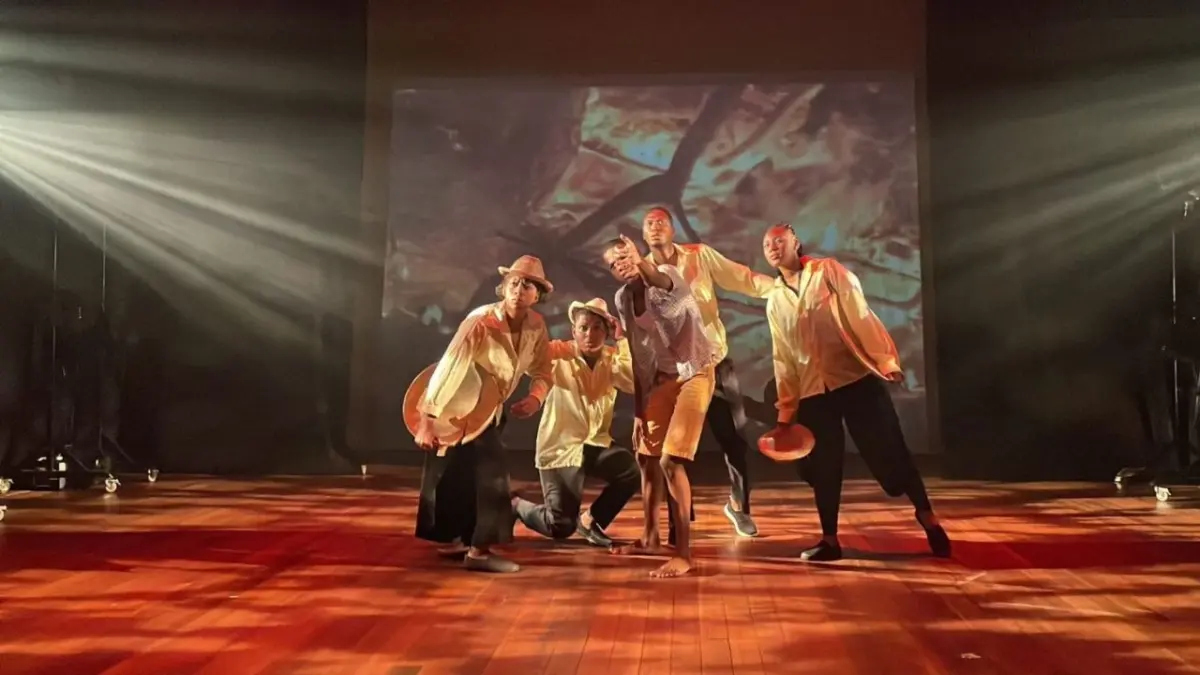
Following a disruptive seismic event that struck Colombia on August 10, the national government, in coordination with regional cultural networks, has mobilized a comprehensive reactivation campaign aimed at supporting affected creative workers. Spearheaded by the Ministry of Culture, Arts, and Knowledge (Ministerio de las Culturas, las Artes y los Saberes) alongside the National Center for the Arts (Centro Nacional de las Artes) and the Network of Public and Heritage Theatres and Venues (Red de Teatros y Escenarios Públicos y Patrimoniales), the initiative—titled Escenarios Solidarios (Solidarity Venues)—combines national artistic circulation with targeted humanitarian relief.
The program brings together 254 artists across 12 municipalities, providing a platform for troupes from disaster-affected regions to present theater, dance, puppetry, and musical performances. Concurrently, participating performance spaces will serve as collection centers for non-perishable food, organized in partnership with the Association of Food Banks of Colombia (Asociación de Bancos de Alimentos de Colombia – ABACO), to assist vulnerable cultural communities across the departments of Valle del Cauca, Chocó, Risaralda, and Caldas.
Main Facts
The Escenarios Solidarios initiative represents a coordinated public response designed to mitigate the socio-economic shocks suffered by Colombia’s performing arts sector after the August 10 earthquake. Rather than limiting relief efforts to direct financial transfers, the strategy emphasizes creative circulation, professional continuity, and regional solidarity.
- Geographic Scope: Performances and collection centers are distributed across 12 distinct municipalities, spanning major metropolitan centers and regional cultural hubs: Bogotá, Cali, Barranquilla, Bucaramanga, Quibdó, Jericó, Buga, Arjona, Marinilla, Mosquera, Fusagasugá, and Chía.
- Artist Participation: A total of 254 artists are actively participating in the campaign. Crucially, 209 of these cultural workers hail directly from the municipalities most severe hit by the seismic activity, including Pereira, Manizales, Quibdó, and Cali.
- Discipline Diversity: The curated schedule encompasses a wide array of artistic expressions, including contemporary and classical theater, traditional and modern dance, puppetry (títeres), folk music, and urban performing arts.
- Humanitarian Integration: Beyond ticketed and registered cultural entry, participating theaters are functioning as collection hubs for essential provisions. Collected supplies will be processed by ABACO and redirected to impacted cultural workers and families in Cali, Chocó, Pereira, and Manizales.
- Civic Engagement: The campaign incorporates a national awareness component, encouraging public engagement through physical attendance, material donations, and digital advocacy via official hashtags such as
#EscenariosSolidarios,#RedDeTeatros,#TeatrosDeColombia,#DíaDeLosTeatros,#CulturaViva, and#ColombiaUnSoloCorazón.
Chronology
The rollout of Escenarios Solidarios follows a fast-tracked administrative and logistical timeline aimed at transforming a standard national cultural commemoration into an emergency response program.
+-------------------------------------------------------------------------------+
|                               TIMELINE OF EVENTS                              |
+-------------------------------------------------------------------------------+
| Aug 10      | A significant earthquake strikes regions of Colombia, causing    |
|             | structural damages and interrupting local economic activities.   |
+-------------+-----------------------------------------------------------------+
| Mid-Aug     | Ministry of Culture assesses damages across regional venues and |
|             | independent arts spaces, identifying severe operational strain.|
+-------------+-----------------------------------------------------------------+
| Aug 22-23   | Originally scheduled dates for the "Day of Public and Heritage  |
|             | Theatres." Program postponed to redirect resources to relief.   |
+-------------+-----------------------------------------------------------------+
| Late Aug    | "Escenarios Solidarios" framework finalized by the National     |
|             | Center for the Arts and regional secretariats of culture.       |
+-------------+-----------------------------------------------------------------+
| Sep 25-27   | Execution phase: National performance schedule launched across  |
|             | 12 municipalities alongside food collection drives.           |
+-------------------------------------------------------------------------------+
From Commemoration to Emergency Relief
Prior to the seismic event, the Ministry of Culture had scheduled the annual celebration of the Day of Public and Heritage Theatres (Día de los Teatros y Escenarios Públicos y Patrimoniales) for August 22 and 23. The event was intended to showcase national venue infrastructure and promote theater attendance.
However, the structural damage and local economic disruption caused by the August 10 earthquake required an immediate pivot. Recognizing that performance groups in affected departments—particularly in the Eje Cafetero (Coffee Axis) and the Pacific coast—were facing cancelled seasons, damaged rehearsal facilities, and sudden income loss, institutional leadership elected to postpone the August festivities.
Throughout late August and early September, the Centro Nacional de las Artes reorganized the schedule into an emergency circulation model. By reallocating institutional budgets and partnering with municipal cultural secretariats, authorities transformed a commemorative calendar into a functional economic bridge for displaced performers, setting the active national performance phase for September 25 through September 27.
Supporting Data
The structural framework of Escenarios Solidarios relies on a complex network of public venues, independent theater companies, and humanitarian logistics.
Key Quantitative Indicators
| Metric | Figure / Detail |
|---|---|
| Total Participating Artists | 254 |
| Artists from Earthquake-Affected Zones | 209 |
| Host Municipalities | 12 (Bogotá, Cali, Barranquilla, Quibdó, Bucaramanga, Jericó, Marinilla, Buga, Arjona, Mosquera, Fusagasugá, Chía) |
| Primary Aid Beneficiary Regions | Cali, Chocó, Pereira, Manizales |
| Primary Institutional Partner (Relief) | Asociación de Bancos de Alimentos de Colombia (ABACO) |
Regional Breakdown of Scheduled Performances
The programming across host cities features a blend of regional ensembles presenting works focused on memory, heritage, social commentary, and classic literature.
                                  CAMPUS DISTRIBUTION
                                          │
       ┌──────────────────────────────────┼──────────────────────────────────┐
       │                                  │                                  │
  [Capital Hubs]                    [Pacific Region]                   [Regional Hubs]
   • Bogotá                          • Quibdó                           • Jericó
   • Barranquilla                    • Cali                             • Marinilla
   • Bucaramanga                                                        • Buga, Arjona, etc.
Bogotá
- September 26 (7:00 PM): Teatro Urbano at the Centro de Felicidad (CEFE) Chapinero hosts Pereira-based ensemble Teatro El Paso, presenting their original work Los Tumbaos.
- September 27 (5:00 PM): The historical Teatro Colón presents the Ballet Nacional de Colombia performing Un legado de Sonia Osorio, paying homage to traditional Colombian choreography. Public access requires prior digital registration.
Cali
- September 26 (5:00 PM): The Auditorio Campus E at Centro Comfandi features Pereira’s Tropa Teatro, staging a puppet-theater adaptation of Caperucita Roja (Little Red Riding Hood).
Barranquilla
- September 25 (7:00 PM): The Fábrica de Cultura hosts Cicuta Teatro – Sala Estrecha (from Pereira) performing Robledo, El Usurpador.
- September 26 (4:00 PM): The Centro Cultural Sebastián Guzmán hosts Quibdó-based troupe Yalumba, staging the dance-theater piece Las lavanderas del Río Atrato.
- September 26 (7:00 PM): Fábrica de Cultura hosts a second performance by Cicuta Teatro, staging Las nubes del golfo triste.
Quibdó
- September 27 (3:00 PM): Centro Comercial El Caraño serves as an open-air venue for an extensive music showcase featuring the Fundación de Artes Integral Estrellitas (Serenata al Chocó, cantar para sanar), the Banda San Francisco de Asís, regional performer La Diva del Ritmo Exótico, and the ensemble Son del Tamaná from the municipality of Nóvita.
Bucaramanga
- September 26 (7:30 PM): The Teatro Escuela within the Teatro Santander complex presents Manizales-based group Teatro Tich, staging August Strindberg’s classic drama La más fuerte (The Stronger).
Jericó (Antioquia)
- September 26 (7:00 PM): The Teatro Santamaría hosts Pereira’s Corporación de Música y Danza Surrungueo Montañero, presenting Un surrungueo montañero en la memoria del cuerpo.
Marinilla (Antioquia)
- September 27 (7:00 PM): The Teatro Regional Valerio Jiménez stages Quibdó’s Fundación Andamio, performing the multidisciplinary work El Bunde del Agua.
Buga (Valle del Cauca)
- September 26 (7:00 PM): The Teatro Municipal Ernesto Salcedo Ospina hosts Pereira’s Corporación Artística y Cultural Macóndor, presenting Barataria.
Arjona (Bolívar)
- September 26 (5:00 PM): The Centro Cultural Jóvenes para Jóvenes hosts Cicuta Teatro – Sala Estrecha (Pereira) performing El bien absoluto.
Mosquera (Cundinamarca)
- September 26 (7:00 PM): The Auditorio Municipal de Mosquera features Quibdó youth ensemble Jóvenes Creadores del Chocó, staging their acclaimed social drama Cuestión de Dignidad.
Fusagasugá (Cundinamarca)
- September 26 (5:00 PM): The open-air Plaza Mayor de Fusagasugá presents Cali actor and director Misael Torres, staging his street-theater adaptation of Edipo Rey (Oedipus Rex).
Chía (Cundinamarca)
- September 27 (5:00 PM): The Auditorio Zea Mays hosts Cali’s Teatro La Concha, presenting the stage production La Defensa Absalón.
+---------------------------------------------------------------------------------------+
|                              SUMMARY OF PERFORMANCE SCHEDULE                          |
+-------------------+----------------------------+----------------──+--------------------+
| Host City         | Venue                      | Performing Group | Origin City        |
+-------------------+----------------------------+----------------──+--------------------+
| Bogotá            | CEFE Chapinero             | Teatro El Paso   | Pereira            |
| Bogotá            | Teatro Colón               | Ballet Nacional  | Bogotá             |
| Cali              | Auditorio Campus E         | Tropa Teatro     | Pereira            |
| Barranquilla      | Fábrica de Cultura         | Cicuta Teatro    | Pereira            |
| Barranquilla      | C.C. Sebastián Guzmán      | Yalumba          | Quibdó             |
| Quibdó            | C.C. El Caraño             | Multiple Bands   | Quibdó / Nóvita    |
| Bucaramanga       | Teatro Santander           | Teatro Tich      | Manizales          |
| Jericó            | Teatro Santamaría          | Surrungueo Mont. | Pereira            |
| Marinilla         | Teatro Valerio Jiménez     | Fundación Andamio| Quibdó             |
| Buga              | Teatro Ernesto Salcedo     | Macóndor         | Pereira            |
| Arjona            | C.C. Jóvenes para Jóvenes  | Cicuta Teatro    | Pereira            |
| Mosquera          | Auditorio Municipal        | Jóvenes Creadores| Quibdó             |
| Fusagasugá        | Plaza Mayor                | Misael Torres    | Cali               |
| Chía              | Auditorio Zea Mays         | Teatro La Concha | Cali               |
+-------------------+----------------------------+------------------+--------------------+
Humanitarian Logistics and ABACO Partnership
To ensure that physical donations collected at theater drop-off points translate into direct relief, the Ministry structured an operational strategy with ABACO.
ABACO’s network operates food banks in major urban centers across Colombia. During the two-day activation, participating theater lobbies are staffed by volunteers managing donation collection points. Items targeted for collection include non-perishable grain products, canned goods, oil, and clean drinking water.
Logistical hubs established in Cali, Pereira, and Manizales will handle sorting and direct distribution to registered cultural associations, ensuring aid reaches artists whose livelihoods were disrupted by infrastructure damage or regional performance cancellations.
Official Responses
The operational execution of Escenarios Solidarios relies on alignment between national ministry departments, decentralized public spaces, and non-profit logistics organizations.
Ministry of Culture Alignment
Representatives from the Ministry of Culture emphasized that Escenarios Solidarios reflects a policy transition toward using national cultural apparatuses as functional components of emergency management.
"Cultural spaces cannot remain isolated from the physical and socio-economic realities of their territories," institutional spokespersons stated during the project rollout. "When a disaster strikes the western and southwestern regions of our country, the response from our public infrastructure must combine financial support, public visibility, and direct humanitarian assistance."
The Ministry underscored that utilizing funds previously allocated for commemorative celebrations to cover travel, accommodations, and performance fees for 209 regional artists provided immediate cash flow into impacted creative micro-economies.
Centro Nacional de las Artes and Venue Network Action
The Centro Nacional de las Artes, acting as the operational anchor of the project, worked alongside regional secretariats of culture to secure venue access, technical crews, and local marketing support free of charge for guest companies.
By integrating major regional theaters—such as the Teatro Santander in Bucaramanga and the Teatro Colón in Bogotá—with open-air civic spaces like the Plaza Mayor in Fusagasugá and commercial centers in Quibdó, the network established a multi-tiered presentation framework designed to reach diverse socioeconomic groups.
Civil Society and Humanitarian Partners
ABACO officials highlighted the crucial connection between creative gatherings and humanitarian response during regional crises:
"Partnering with the country’s public theaters allows us to connect civic engagement with urgent nutritional support. Artists are frequently among the first economic groups impacted during natural emergencies, as public gatherings are restricted and discretionary spending contracts. By converting performance venues into collection centers, we establish a dignity-centered aid model."
Implications
The deployment and execution of Escenarios Solidarios hold significant short- and long-term implications for Colombia’s cultural sector, emergency management frameworks, and regional economic stability.
+-----------------------------------------------------------------------------------+
|                            STRUCTURAL IMPACT ANALYSIS                             |
+-----------------------------------------------------------------------------------+
| Economic Relief   | Immediate cash flow via performance fees for 209 impacted    |
|                   | regional artists; temporary income stability post-disaster.   |
+-------------------+---------------------------------------------------------------+
| Network Resilience| Proof-of-concept for deploying public cultural venue          |
|                   | networks as secondary emergency response infrastructure.      |
+-------------------+---------------------------------------------------------------+
| Decentralization  | Breaking capital-centric touring routes; facilitating cross-  |
|                   | regional circulation between Pacific, Coffee Axis, & Andes.   |
+-------------------+---------------------------------------------------------------+
| Social Healing    | Using arts programming to process community trauma and foster |
|                   | national civic solidarity following natural disasters.       |
+-----------------------------------------------------------------------------------+
Addressing Vulnerabilities in the Independent Cultural Sector
In Colombia, independent performing arts groups operate under precarious economic conditions, frequently lacking significant capital reserves or disaster insurance. A seismic event of the magnitude experienced on August 10 leads to immediate performance cancellations, loss of box-office income, and physical damage to small, independent venues (salas concertadas and salas estrechas).
By providing paid performance slots across the country, Escenarios Solidarios functions as an emergency stabilization mechanism. It allows artistic organizations—such as Pereira’s Cicuta Teatro or Quibdó’s Jóvenes Creadores del Chocó—to retain staff, compensate performers, and maintain operational continuity while local venues undergo repairs.
Decenterizing Cultural Circulation
Historically, high-visibility touring opportunities within Colombia have concentrated heavily in major cities like Bogotá, Medellín, and Cali. Escenarios Solidarios establishes a model of horizontal, cross-regional exchange.
Interventions such as bringing Quibdó dance companies to Barranquilla, Manizales theater groups to Bucaramanga, or Pacific musical ensembles to regional Antioquian municipalities like Jericó and Marinilla decentralize cultural consumption. This model builds sustainable national touring networks that can outlast the immediate recovery period.
Cultural Venues as Emergency Social Infrastructure
The incorporation of ABACO food collection points directly into theater lobbies redefines public cultural infrastructure. Beyond serving as locations for aesthetic consumption, public theaters demonstrate their capability to act as civic collection centers during regional crises.
This approach aligns with evolving international frameworks on disaster management, which increasingly recognize the role of cultural practices, civic gathering spaces, and artistic expression in supporting psychological recovery and community resilience following natural disasters.
Future Policy Considerations
The execution of Escenarios Solidarios provides a blueprint for future public interventions within Colombia’s Ministry of Culture. As natural disasters and climate-related disruptions increase in frequency across South America, the integration of emergency shock-responsive protocols into national cultural funding models may become standard policy.
Moving forward, cultural sector analysts expect calls for permanent contingency funds that automatically trigger circulation grants, physical repair subsidies, and inter-institutional relief networks whenever natural disasters disrupt regional creative industries.


Leave a Reply