

By Germán Peña Córdoba
Special Report for Las2Orillas / International Desk Translation & Adaptation
Main Facts
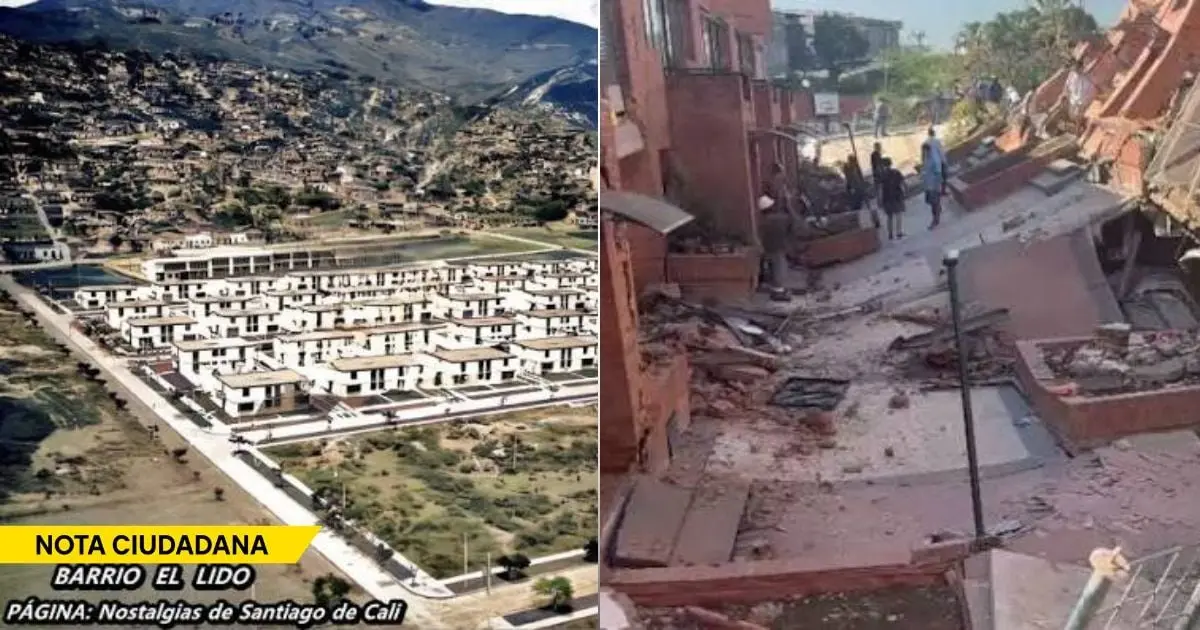
One month after a devastating seismic event rattled the region, leaving numerous families homeless and infrastructure battered, the tranquil, historically rich neighborhood of El Lido in Cali, Colombia, finds itself at the epicenter of a compounding crisis. What was initially accepted by residents as a temporary, emergency-driven act of solidarity has devolved into an environmental and public health nightmare.
A 3.5-hectare plot of land located along Carrera 50—formerly home to the iconic Carpa de la 50 and long-promised to the community as the future site of a linear park—has been repurposed into a makeshift, highly active dump site for construction debris and rubble. Today, fleets of heavy-duty dump trucks continuously roll into the lot, discharging endless waves of material that compound an already staggering 25,000 cubic meters of accumulated waste.
With every drop of an 8-cubic-meter volqueta load, massive, dense clouds of particulate matter rise into the air. This toxic dust blankets the surrounding residential sector, threatening the health of a population that boasts a high concentration of senior citizens, children, and vulnerable individuals. Compounding the residents’ despair is a profound vacuum of institutional transparency: neither the Sociedad de Activos Especiales (SAE), as the property’s administrator, nor the Mayor’s Office of Cali has provided clear answers regarding whether this anti-technical dumping ground is a temporary emergency measure or a permanent urban blight.
Chronology of a Crisis
To fully understand the gravity of the situation in El Lido, one must look at the timeline of events that transformed a peaceful residential haven into an industrial-scale dumping ground.
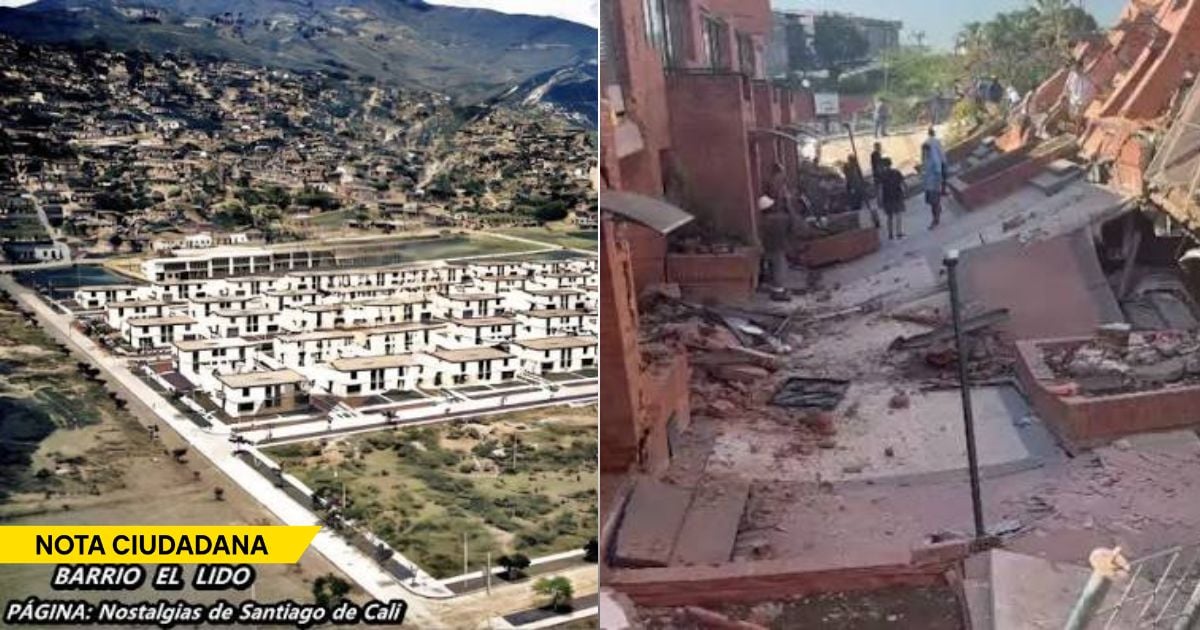
- The 1960s—Architectural Genesis: Landscape architect Lida Caldas de Borrero and her husband, architect Harold Borrero Urrutia—both esteemed professors at the Faculty of Architecture at the Universidad del Valle—meticulously designed El Lido. Through deliberate architectural and landscaping strategies, they harnessed the cool breeze descending from the Dagua Canyon, channeling it through the city’s foothills and creating a unique microclimate characterized by lush vegetation and clean, breathable air.
- The Demise of the Carpa de la 50: Years later, the 3.5-hectare lot on Carrera 50 was cleared after the dismantling of the famous Carpa de la 50. Residents were assured by municipal authorities that the prime urban space was earmarked for the construction of a much-needed linear park to enhance community well-being and environmental sustainability.
- August 10 (Approximate Date)—The Seismic Event: A significant earthquake strikes the region, leaving a trail of destruction, damaging homes, and displacing numerous families across Cali. In an initial display of civic solidarity, the residents of El Lido silently and understandingly accepted the emergency designation of the Carrera 50 lot as a staging ground to manage the immediate aftermath of the disaster, trusting that the administration would act responsibly.
- September 10—One Month of Suffocation: Marking one month since the disaster response began, the temporary measure has lost all bounds of regulation. The site has swollen to hold over 25,000 cubic meters of rubble. Residents realize that the "temporary" dump shows no signs of closing, operating without environmental mitigations, dust suppression, or zoning justification.
- October (Upcoming)—The POT Threat: Looming directly over the current environmental crisis is the upcoming debate in the Concejo de Cali regarding the modernization and reform of the Territorial Ordering Plan (POT). Set for a vote in October, the proposed changes threaten to prioritize commercial zoning over residential protections, adding a second layer of existential dread for property owners in Comuna 19.
Supporting Data and Environmental Impact
The technical and environmental violations occurring at the El Lido site are glaring, transforming a residential ecosystem into an urban hazard zone.
Volume and Scale
- Total Area: 3.5 hectares of prime urban land originally intended for public green space.
- Current Volume: Over 25,000 cubic meters of dense construction waste, concrete fragments, masonry, and earth.
- Daily Influx: Dozens of heavy dump trucks (volquetas), each carrying an average of 8 cubic meters of debris, enter and exit the site continuously throughout the day.
- Particulate Emissions: Every individual drop generates towering plumes of fine dust composed of silica, pulverized concrete, dried mud, and organic particulate matter.
Geographic and Demographic Vulnerability
The placement of an open-air escombrera (debris dump) in the heart of El Lido violates basic principles of urban planning. The site is situated immediately adjacent to:
- High-density residential complexes and single-family homes.
- A high percentage of elderly residents whose respiratory and cardiovascular systems are acutely sensitive to air pollution.
- Key educational institutions, including the Colegio Eustaquio Palacios and the Colegio Juana Caicedo, exposing children to chronic particulate inhalation.
- A major health establishment, creating a deeply paradoxical scenario where medical patients seeking recovery are subjected to toxic ambient air conditions.
Official Responses and Institutional Silence
Perhaps the most distressing aspect of the El Lido crisis is the wall of silence erected by the entities responsible for urban management and property administration.
The land in question is administered by the Sociedad de Activos Especiales (SAE), an agency of the national government tasked with managing assets derived from illicit economies or seized in legal processes, working in tandem with the Alcaldía de Cali (Mayor’s Office).
When the earthquake struck, these entities made the unilateral decision to utilize the Carrera 50 plot for debris management. However, weeks have turned into months, and local community leaders report that every formal inquiry sent to the SAE and municipal environmental secretariats has been met with bureaucratic inertia or outright silence.

Residents emphasize that raising concerns about a potential public health emergency does not make them "antisocial" or lacking in empathy for earthquake victims. On the contrary, the community demonstrated profound goodwill by accepting the initial emergency phase. What they reject is the total lack of transparency:
- Is there an environmental management plan (PGA) in place?
- What are the air quality monitoring metrics being recorded by the local environmental authority (DAGMA)?
- When will the site be closed, cleaned, and restored to its original design purpose—a linear park?
Without definitive answers, citizens are left to speculate whether an emergency measure has been quietly converted into a permanent, unauthorized municipal dump site.
Wider Implications: Health, Property, and the Future of Cali
The crisis in El Lido is emblematic of a broader struggle facing Cali’s traditional neighborhoods: the clash between aggressive urban commercialization, administrative neglect, and the preservation of quality of life.
Public Health Threat
Medical professionals and community advocates are sounding the alarm over the invisible hazards suspended in the air. Continuous inhalation of construction dust—rich in crystalline silica—is linked to chronic bronchitis, asthma exacerbation, reduced lung function, and long-term pulmonary fibrosis. For the elderly population residing in the apartment complexes overlooking the lot, the daily exposure represents an escalating health risk that could easily overwhelm local emergency services if a respiratory infection outbreak occurs.
The Sword of Damocles: The POT Reform
As if breathing polluted air were not enough, the residents of El Lido are facing a legislative threat that could permanently alter the character of their neighborhood. The scheduled October debate in the Concejo de Cali regarding the reform of the Territorial Ordering Plan (POT) is viewed by locals as a Sword of Damocles hanging over their collective patrimony.

The proposed reforms favor commercial expansion at the direct expense of residential zoning protections. If approved, homeowners and residents associations—who form a significant demographic bloc in Comuna 19—fear that commercial pressures will encroach upon their streets, displacing families, eroding property values, and finalizing the destruction of the microclimate so carefully engineered by the Borrero family six decades ago.
A Call to Action
The current atmosphere in El Lido is one of heavy resignation mixed with bubbling frustration. As one resident noted while watching the dust clouds rise past their third-story window, the apparent indifference of local authorities—and the silence of neighbors who have yet to fully mobilize—is chilling.
Without immediate intervention from environmental regulators, public health officials, and municipal leaders to halt the dumping, clean the site, and honor the original promise of a linear park, El Lido risks losing its historical identity, replaced by a monument to administrative negligence and environmental degradation.
As the local saying goes: "Amanecerá y veremos" (We shall see what the dawn brings)—but for the residents choking on the dust of Carrera 50, time is running out.



Leave a Reply