

Main Facts
On August 10, a powerful earthquake struck western and southwestern Colombia, sending shockwaves through the departments of Caldas, Risaralda, and Valle del Cauca. Beyond the immediate physical damage, civil emergency declarations, and structural assessments, the disaster delivered a profound blow to the region’s cultural sector. In the immediate aftermath, municipal leadership and cultural authorities across major urban centers—including Cali, Pereira, and Manizales—were forced to halt, postpone, or entirely cancel some of the country’s most significant cultural gatherings and economic engines to divert critical administrative, logistics, and emergency response resources toward human relief.
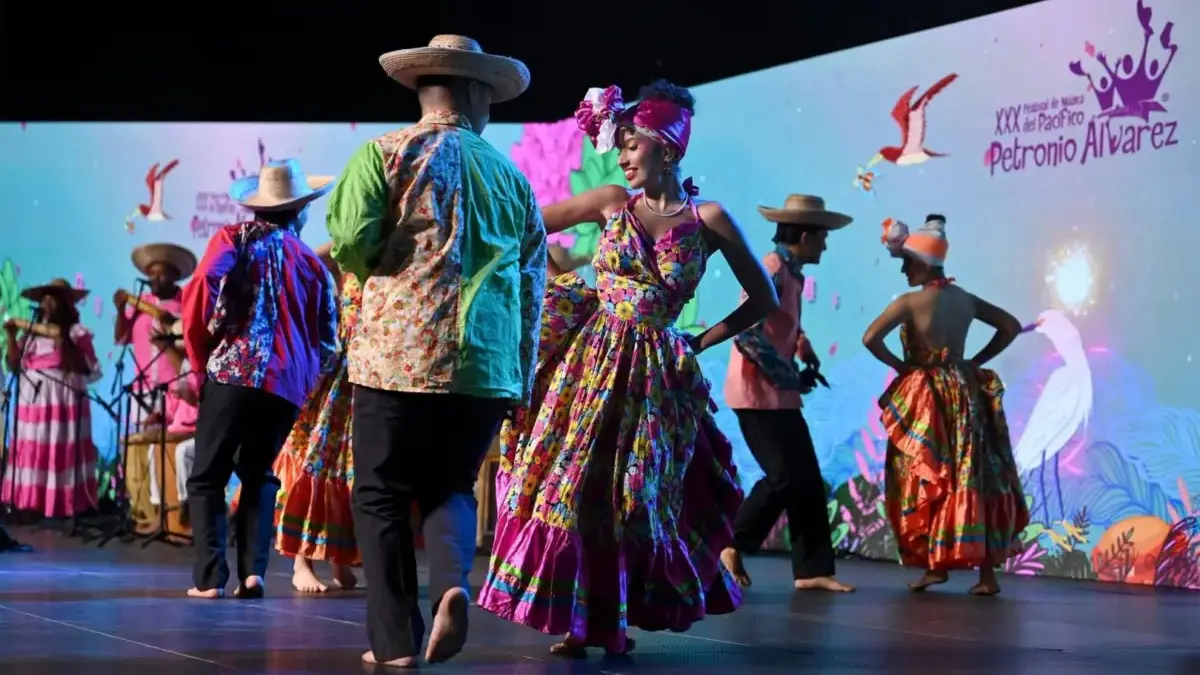
Among the most substantial disruptions was the complete cancellation of Pereira’s annual Festival de la Cosecha (Harvest Festival), originally scheduled for August 14–30. Municipal authorities made the executive decision to liquidate the festival’s operating budget and reallocate those financial assets directly to support families displaced or impacted by the seismic emergency. Similarly, in Cali, the iconic Festival de Música del Pacífico Petronio Álvarez—the largest celebration of Afro-Colombian culture and heritage in Latin America—was forced to suspend its primary August week-long showcase, throwing hundreds of artisan, culinary, and musical micro-enterprises into financial uncertainty.
Despite the initial stagnation, the cultural sector across the Eje Cafetero (Coffee Axis) and the Valle del Cauca has initiated a multi-phase recovery process. Through public-private partnerships, inter-city collaborations—such as hosting an emergency showcase for Petronio Álvarez entrepreneurs at Bogotá’s Corferias during the Feria del Hogar—and a meticulously reorganized cultural calendar stretching through late 2024 and beyond, regional institutions are leveraging artistic heritage to drive economic stabilization and social healing.
Chronology of the Crisis and Reschedule Realignment
The temporal sequence of events underscores how rapidly civic priorities shifted from celebration to survival, followed by a structured effort to rebuild:
- August 10: A high-magnitude earthquake hits the southwestern and central-western regions of Colombia, heavily impacting infrastructure and residential areas in Caldas, Risaralda, and Valle del Cauca.
- August 10–17 (Original Petronio Álvarez Dates): The emergency forces the immediate postponement of the Festival de Música del Pacífico Petronio Álvarez in Cali, suspending performances and commercial operations at the "Casa Grande del Pacífico."
- August 14–30 (Original Harvest Festival Window): The Mayor’s Office of Pereira formally cancels the Festival de la Cosecha. Municipal decrees officially divert the festival’s administrative budget into an emergency relief fund for disaster victims.
- September 3–20: A collaborative agreement between the city governments of Cali and Bogotá opens Pavilion 8 at the Feria del Hogar in Corferias (Bogotá), granting displaced Afro-Colombian entrepreneurs a commercial platform to offset their lost August revenue.
- September 9: Organizers of the 17th Festival Internacional de Cine de Manizales (FICMA) announce that conditions in Caldas have stabilized sufficiently to host the festival safely from September 19 to September 26.
- Late September – November: The broader cultural calendar across Valle del Cauca and the Coffee Axis resumes under a revised itinerary, beginning with the Bienal Internacional de Artes Gráficas in late September and culminating in the Festival Internacional de Literatura Oiga Mire Lea in late November.
Supporting Data and Detailed Festival Breakdown
The seismic event impacted several key sectors within Colombia’s creative economy, affecting thousands of artists, tradition-bearers, and small business owners who rely on these multi-day gatherings for their primary annual income.
1. Cali and the Afro-Pacific Ecosystem (Petronio Álvarez)
The Festival de Música del Pacífico Petronio Álvarez serves as an economic engine for Afro-Colombian, Black, Raizal, and Palenquero communities across Colombia’s Pacific coastline. Beyond its main stage musical competitions, the event houses hundreds of commercial stalls offering traditional gastronomy, ancestral beverages like viche and tumbacatre, handicrafts, and indigenous fashion.
- Disruption and Mitigation: The sudden postponement in August jeopardized small enterprises that had prepared inventories since the start of the year. To mitigate these losses, local authorities secured space at Bogotá’s Feria del Hogar (Corferias) in Pavilion 8 from September 3 to 20, bringing Pacific culinary, fashion, and craft vendors to the capital city’s market.
- Long-term Calendar Adjustment: The Secretariat of Culture of Cali confirmed that the milestone 30th edition of the Petronio Álvarez festival will take place during the second semester of 2026, with precise operational dates still under administrative review.
+-----------------------------------------------------------------------------------+
|                    REVISED CULTURAL CALENDAR: CALI & VALLE DEL CAUCA              |
+--------------------------------------------------+--------------------------------+
| Event                                            | Revised Execution Dates        |
+--------------------------------------------------+--------------------------------+
| Petronio Álvarez Showcase (Corferias, Bogotá)    | Sept 3 – Sept 20               |
| Bienal Internacional de Artes Gráficas           | Sept 29 – Oct 19               |
| Sucursal Fest                                    | Oct 10 – Oct 11                |
| Festival Internacional de Cine de Cali           | Oct 20 – Oct 25                |
| Feria Internacional del Libro de Cali            | Oct 23 – Nov 2                 |
| Festival Internacional de Literatura Oiga Mire Lea| Nov 25 – Nov 29               |
| 30th Petronio Álvarez Main Edition               | Second Semester 2026           |
+--------------------------------------------------+--------------------------------+
2. Pereira and the Eje Cafetero (Festival de la Cosecha)
In Risaralda, the decision by Pereira’s municipal administration to cancel the Festival de la Cosecha entirely represented one of the most severe fiscal diversions in the region’s recent history. The festival, which draws thousands of domestic and international tourists to the city each August, serves as a major driver for local hospitality, transportation, and entertainment sectors. By converting these festival funds directly into liquid emergency aid for victims of the earthquake, local government prioritized emergency housing, structural stabilization, and immediate humanitarian relief over seasonal commerce.
3. Manizales and the Literary/Cinematic Sector
Caldas was similarly affected, forcing the immediate shutdown of public venues and cultural centers. However, public infrastructure assessments in early September allowed for a relatively swift resumption of activities:
- FICMA (17th Edition): The Festival Internacional de Cine de Manizales rescheduled its run for September 19–26. The revised program features free public film screenings, technical workshops, and academic panels on cinema.
- Literary Fairs: According to data centralized by the Colombian Book Chamber (Cámara Colombiana del Libro), regional literary circuits were systematically recalibrated. The Feria del Libro de Manizales was shifted to October 19–25, while the Feria del Libro de Pereira was rescheduled for November 5–9.
+-----------------------------------------------------------------------------------+
|                     REVISED CULTURAL CALENDAR: EJE CAFETERO                       |
+--------------------------------------------------+--------------------------------+
| Event                                            | Revised Execution Dates        |
+--------------------------------------------------+--------------------------------+
| Festival Internacional de Cine de Manizales      | Sept 19 – Sept 26              |
| Feria del Libro de Manizales                     | Oct 19 – Oct 25                |
| Feria del Libro de Pereira                       | Nov 5 – Nov 9                  |
+--------------------------------------------------+--------------------------------+
Official Responses and Governmental Action
Regional officials emphasized that while the suspension of cultural programming caused short-term economic friction, human safety and fiscal responsibility remained the top priorities.
A spokesperson for the Mayor’s Office of Pereira addressed the cancellation of the Harvest Festival, emphasizing the necessity of emergency reallocation:
"The severity of the physical damage and the immediate needs of our displaced citizens required absolute fiscal focus. Reallocating the resources of the Festival de la Cosecha directly to emergency disaster response was not merely an administrative choice, but a moral imperative to ensure our families received immediate relief."
In Cali, municipal leaders highlighted the resilience of the local creative ecosystem and the swift solidarity shown by national partners. Commenting on the temporary relocation of Petronio Álvarez vendors to Corferias, representatives from the Cali Secretariat of Culture noted:
"The postponement of Petronio Álvarez hit our grassroots creators hard—those who work all year to showcase Pacific gastronomy, fashion, and ancestral arts. Through our partnership with Bogotá’s administration and Corferias, we ensured that these micro-entrepreneurs maintained a vital commercial outlet while we stabilized our regional infrastructure."
The Cámara Colombiana del Libro also released a statement reaffirming its commitment to stabilizing the book sector across Caldas, Risaralda, and Valle del Cauca:
"Books and literature are central to civic recovery. By working closely with local authorities to establish clear, conflict-free autumn dates for the book fairs in Manizales, Pereira, and Cali, we are ensuring that publishers, authors, and independent booksellers can recover lost ground safely."
Socio-Economic Implications and the Path Forward
The aftermath of the August 10 earthquake underscores both the vulnerability and the strategic importance of Colombia’s orange economy. The sudden suspension of cultural activities exposed deep financial fragility among independent artists, informal workers, and small-scale traditional craftspeople. For many vendors participating in the Petronio Álvarez or the Harvest Festival, these annual events represent their primary opportunity to secure capital for the entire fiscal year.
However, the inter-institutional response has highlighted a growing capacity for emergency coordination within Colombia’s cultural sector. Key implications of this post-disaster realignment include:
- Decentralized Commercial Lifelines: Initiatives like bringing Pacific vendors to Bogotá’s Feria del Hogar establish a precedent for rapid emergency relief, proving that cultural micro-enterprises can be integrated into broader national commercial trade shows during regional crises.
- Infrastructure and Public Safety Protocols: The swift structural audits in Manizales that allowed FICMA to reopen within weeks demonstrate improved civic readiness, assuring the public that municipal venues meet seismic safety standards before hosting large assemblies.
- Fiscal Agility in Emergency Management: Pereira’s direct transfer of municipal cultural funds to humanitarian relief highlights how local governments can pivot operational budgets during natural disasters, though it also emphasizes the need for emergency contingency funds specifically designed to protect cultural workers from total income loss.
- A Packed Autumn Cultural Cycle: By concentrating multiple rescheduled festivals between late September and late November, cities like Cali, Manizales, and Pereira will experience an extraordinarily dense cultural schedule. While this creates a vibrant season for locals and tourists, it will test local hotel capacity, urban transit systems, and consumer spending power over a condensed timeframe.
As these rewritten calendars take effect, western Colombia’s cultural apparatus demonstrates that artistic preservation and community recovery go hand in hand. Through adapted logistics, cross-regional solidarity, and a shared commitment to rebuilding, the region’s creative sector is moving forward from the silence of crisis toward sustainable economic recovery.

Leave a Reply