PARIS / BOGOTÁ — The artisanal chocolate sector in Colombia is celebrating a historic milestone on the global stage. In France—a nation historically revered for its master chocolatiers and some of the world’s most sophisticated confectionery traditions—the international jury of the Agence pour la Valorisation des Produits Agricoles (AVPA) has awarded Colombian producers two silver medals and one bronze medal at the prestigious International Contest "Chocolates Elaborated at Origin."
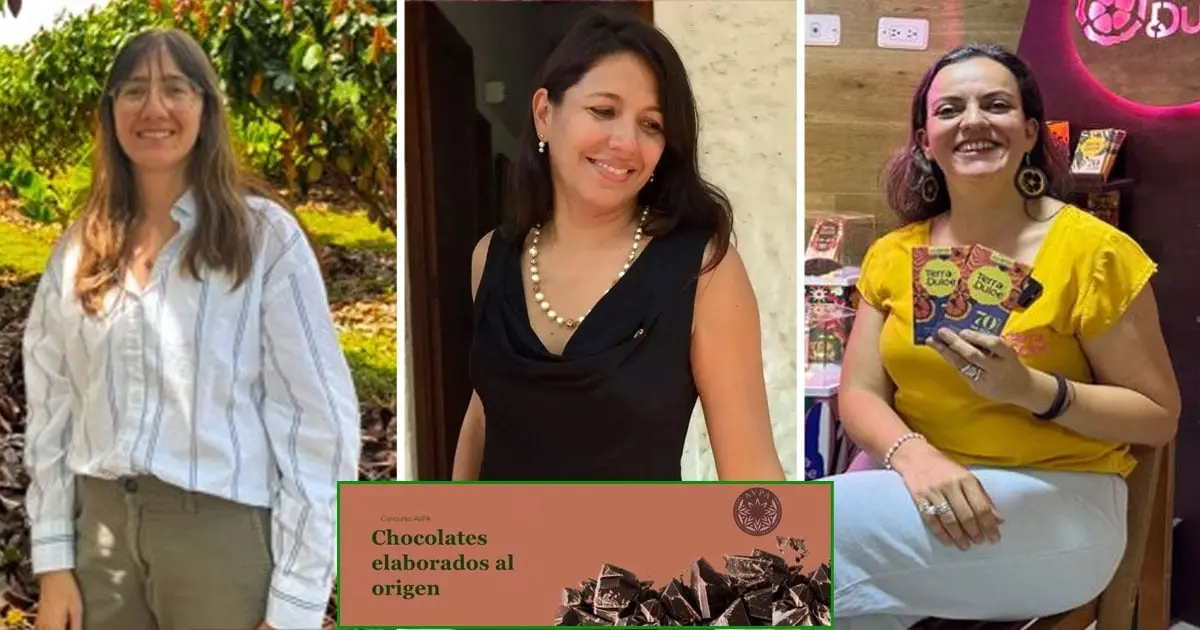
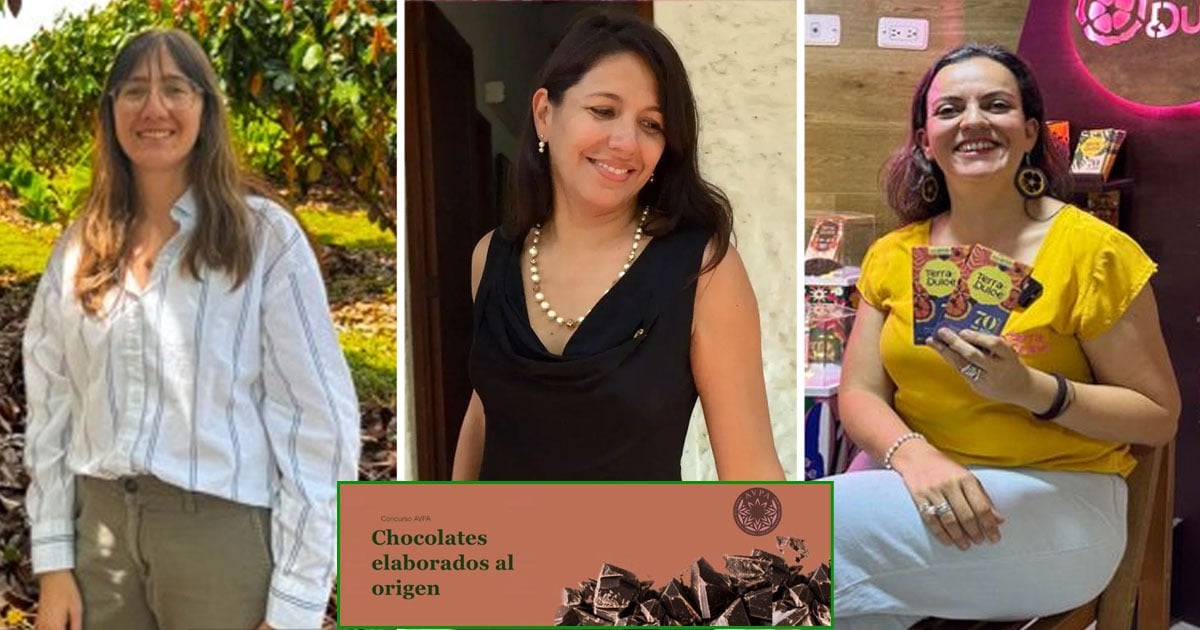
What makes this triumph particularly resonant is the driving force behind it: three visionary women who have dedicated their lives, resources, and passion to transforming raw Colombian cacao into world-class, single-origin craft chocolate. Representing the pinnacle of national talent at the sixth edition of this global event, these entrepreneurs have not only brought home prestigious hardware but have also cemented Colombia’s reputation as a powerhouse of fine-aroma cacao.
The AVPA competition is uniquely demanding. It exclusively evaluates products processed in the very same country where the cacao is cultivated. The jury subjects contenders to rigorous criteria, scrutinizing the quality of the raw agricultural material, complex sensory profiles, advanced processing techniques, and complete supply chain traceability.
For Colombia, a nation striving to pivot from a traditional commodity exporter to a high-value producer of finished luxury goods, these accolades represent a cultural and economic watershed moment.
Main Facts: The Triumph in Paris
The 2025–2026 AVPA awards cycle saw intense global competition, with producers from across the international cacao belt vying for recognition. The Colombian delegation stood out precisely because their winning entries bridged indigenous traditions, modern food science, and deep-rooted community partnerships.
The accolades achieved by the three Colombian enterprises span three highly competitive categories:
Chocolate with Panela (Unrefined Cane Sugar):Terra Dulce Foods, led by founder Paola Andrea Cardona, was awarded the Silver Medal for an exceptional dark chocolate infused with organic panela and cacao nibs.
Dark Chocolate with Other Ingredients:Fruto de Cacao, founded by Silvana Noguera, captured the Silver Medal for a daring and complex bar featuring 80% cacao combined with Amazonian chili and wild mora (blackberry), alongside two additional Diplômes Gourmet.
Dark Chocolate with Vanilla and Lecithin Adjuvants:Somos Cacao S.A.S. BIC, founded by engineer Erica Belén Sánchez Ríos alongside her sons, secured a Bronze Medal for their "Chocolat 86% Cosecha Hacienda La Paz," complemented by two Diplômes Gourmet.
These victories are not isolated achievements; they are the result of years of meticulous work at the farm level, transforming how local communities ferment, dry, and roast their beans to unlock intricate flavor notes of tropical fruits, earthy spices, and rich nuts.
Chronology of Excellence: The Journey of the Founders
To understand how three women from vastly different regions of Colombia reached the apex of global chocolate making, it is essential to trace their distinct yet parallel journeys.
Silvana Noguera and Fruto de Cacao (2016 – Present)
Silvana Noguera’s journey into the world of fine chocolate began nearly a decade ago. In 2016, she launched Fruto de Cacao as a 100% Colombian enterprise with a clear vision: to honor native varieties of cacao while building equitable trade bridges with smallholder farmers in regions historically scarred by conflict, such as Putumayo, Meta, and Tumaco.
Seeking world-class technical mastery, Noguera traveled to Italy to study advanced chocolum-making and sensory evaluation. Upon returning, she began experimenting with native Amazonian ingredients. Her signature award-winning bar—an 80% dark chocolate paired with Yuquitania chili (cultivated by indigenous communities in the Vaupés department) and native blackberries—is a masterclass in flavor balancing.
At the Paris competition, often informally described by industry insiders as the "Olympic Games of Chocolate," Noguera’s creations shone brightly. In addition to her Silver Medal, her 80% cacao with nibs and her 60% cacao with coconut milk earned Diplômes Gourmet distinctions, bringing her total haul to four international and two national awards.
Paola Andrea Cardona and Terra Dulce Foods (2019 – Present)
The story of Terra Dulce Foods SAS BIC is one of quintessential entrepreneurial grit. Founded in October 2019 in Armenia, Quindío, by Paola Andrea Cardona Hernández, the company literally started in the kitchen of her apartment.
Cardona began by researching the diverse microclimates of Colombia’s coffee-growing axis, forging direct alliances with small-scale cacao producers across Quindío, Risaralda, and Antioquia. Her winning creation—a 70% dark chocolate bar with cacao nibs and organic panela—is a testament to terroir. The cacao used for this specific bar is cultivated at 1,190 meters above sea level on Finca La Kirika, located in the municipality of Quimbaya. The high-altitude growing conditions impart a distinct acidity and structural complexity that captivated the French palate.
Erica Belén Sánchez Ríos and Somos Cacao (2018 – Present)
In the northern border department of Norte de Santander, engineering professional Erica Belén Sánchez Ríos observed a troubling trend: exceptional local cacao was being bulk-exported without local value addition. Driven by a desire to rescue ancestral fine-aroma cacao varieties native to the region, she founded Somos Cacao S.A.S. BIC in Cúcuta between 2018 and 2019.
What began as a modest initiative to commercialize raw beans from Norte de Santander quickly evolved. Sánchez Ríos was soon visiting remote farms, talking with farming families, and studying post-harvest fermentation. The project naturally expanded into crafting bonbons, opening a local workshop, and eventually establishing a flagship retail store in Cúcuta.
Today, Sánchez Ríos runs the company alongside her sons—Miguel, who oversees commercialization, and Juan Diego, who manages finance and operations. Somos Cacao currently purchases directly from more than 60 local farming families and distributes its portfolio through roughly 40 retail partners across Colombia. In Paris, their "Chocolat 86% Cosecha Hacienda La Paz" won the Gourmet Bronze Medal, while their "Chocolate Somos Hermanos 86%" and "Chocolate anejado 86% Rum" received Diplômes Gourmet honors.
Supporting Data: The Economic Evolution of Colombian Cacao
The triumph of these three women in Paris occurs against the backdrop of a structural transformation in the Colombian agricultural economy. For decades, Colombia was primarily viewed as a bulk exporter of raw cacao beans, vulnerable to volatile international commodity prices and lacking the industrial or artisanal infrastructure to capture higher profit margins.
That paradigm is shifting dramatically:
Export Growth: Driven heavily by fine-aroma varieties and high-end derivative products, Colombia’s cacao and chocolate export revenues reached $413.1 million USD, totaling an impressive 36,097 metric tons in 2025.
Geographic Diversity: Rather than relying on a single producing region, the country’s fine chocolate movement sources beans from distinct micro-terroirs across Arauca, Meta, Santander, Quindío, Putumayo, and Norte de Santander, each imparting unique flavor profiles ranging from floral and fruity to woody and malted.
Social Impact: Artisanal and "bean-to-bar" models bypass traditional intermediaries, ensuring that a significantly higher percentage of revenues remains directly in the hands of rural farming cooperatives, many of which transitioned away from illicit crops toward legal cacao cultivation over the past decade.
Official Responses and Industry Reactions
The international recognition has drawn enthusiastic praise from agricultural authorities, trade associations, and culinary figures across Colombia.
Dr. Mariana Velásquez, spokesperson for the National Federation of Cacao Growers (Fedecacao), released a statement following the AVPA announcement:
"The victories in Paris are a resounding validation of what we have argued for years: Colombian cacao is among the finest on earth. However, the true revolution is happening downstream. By empowering women entrepreneurs who understand both agricultural science and fine gastronomy, we are shifting the national identity from mere growers to creators of luxury consumer goods."
International trade analysts have similarly noted that awards like those from AVPA serve as critical marketing springboards for boutique brands seeking entry into lucrative European, North American, and Asian gourmet markets.
Silvana Noguera reflected on the emotional and cultural weight of the win on behalf of the winning trio:
"When you hold a bar of chocolate made from beans grown in Tumaco or Vaupés, you are holding the history of communities that resisted, that worked the land with dignity, and that trusted us to turn their fruit into art. Winning in France proves that our roots, our biodiversity, and our dedication can stand shoulder-to-shoulder with the finest culinary traditions in the world."
Implications: The Future of Fine-Origin Chocolate in Colombia
The success of Terra Dulce Foods, Fruto de Cacao, and Somos Cacao signals several profound implications for the future of Colombia’s agro-industrial landscape:
Gender Equity in Agribusiness: Traditional agricultural sectors in Latin America have historically been male-dominated, particularly regarding land ownership and commercial negotiations. The prominent leadership of Cardona, Noguera, and Sánchez Ríos demonstrates the indispensable role of women in driving high-value agricultural innovation, post-harvest quality control, and executive management.
The "Origin" Premium: As global consumers become increasingly conscious of sustainability, fair trade, and traceability, the "bean-to-bar" movement at origin creates a resilient economic buffer. Instead of competing on volume against mass-production giants, Colombian brands are carving out a high-margin niche based on storytelling, biodiversity, and superior sensory experiences.
Tourism and Gastronomic Integration: The rise of award-winning chocolatiers is catalyzing regional tourism. Travelers visiting the coffee triangle (Quindío, Risaralda) and border regions like Norte de Santander are increasingly seeking immersive cacao-tasting tours, farm visits, and workshops, further diversifying rural economies.
Inspiration for the Next Generation: The visibility of these three enterprises serves as a blueprint for aspiring food scientists, agronomists, and chefs across Colombia. It proves that small-scale, passion-driven ventures can scale globally without losing their ethical compass or connection to the land.
As these medals are brought back to Colombia and displayed proudly in workshops from Armenia to Cúcuta, they serve as a golden reminder: the true wealth of the Colombian soil lies not just in the depth of its earth, but in the talent, resilience, and vision of the people who cultivate it.





Leave a Reply