

LIMA, Peru — In a culinary landscape historically celebrated for its intricate Amazonian flavors, high-altitude Andean stews, and world-renowned coastal ceviches, a new gastronomic protagonist is quietly rising through the ranks of the national consciousness: the artisanal pizza.
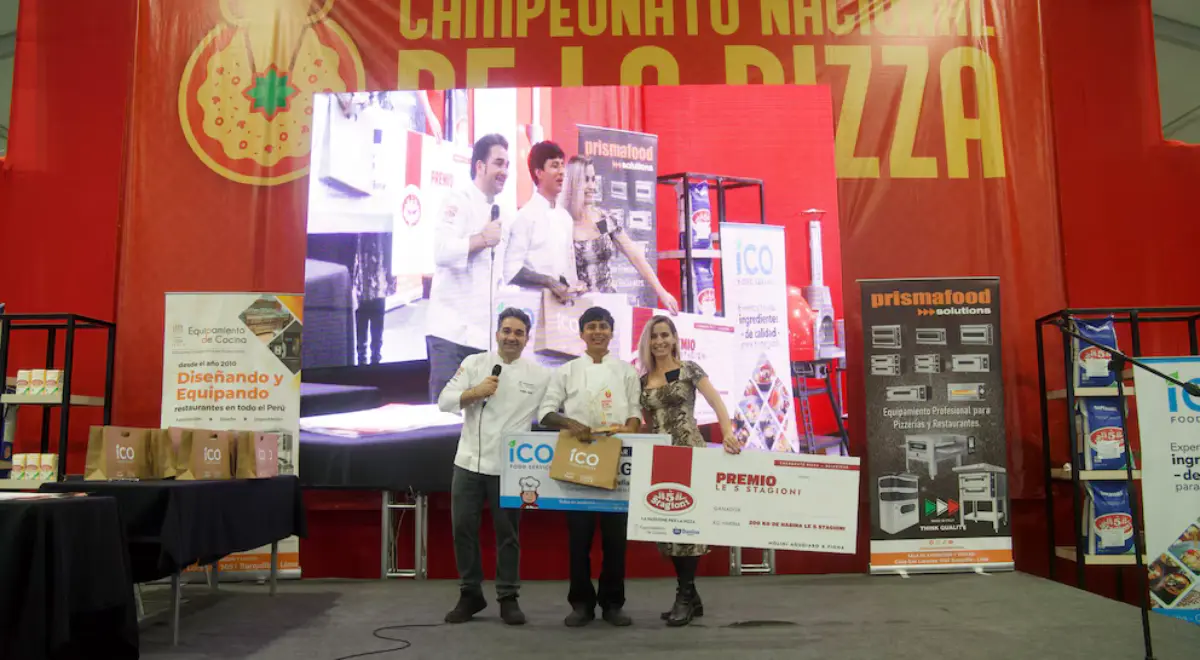
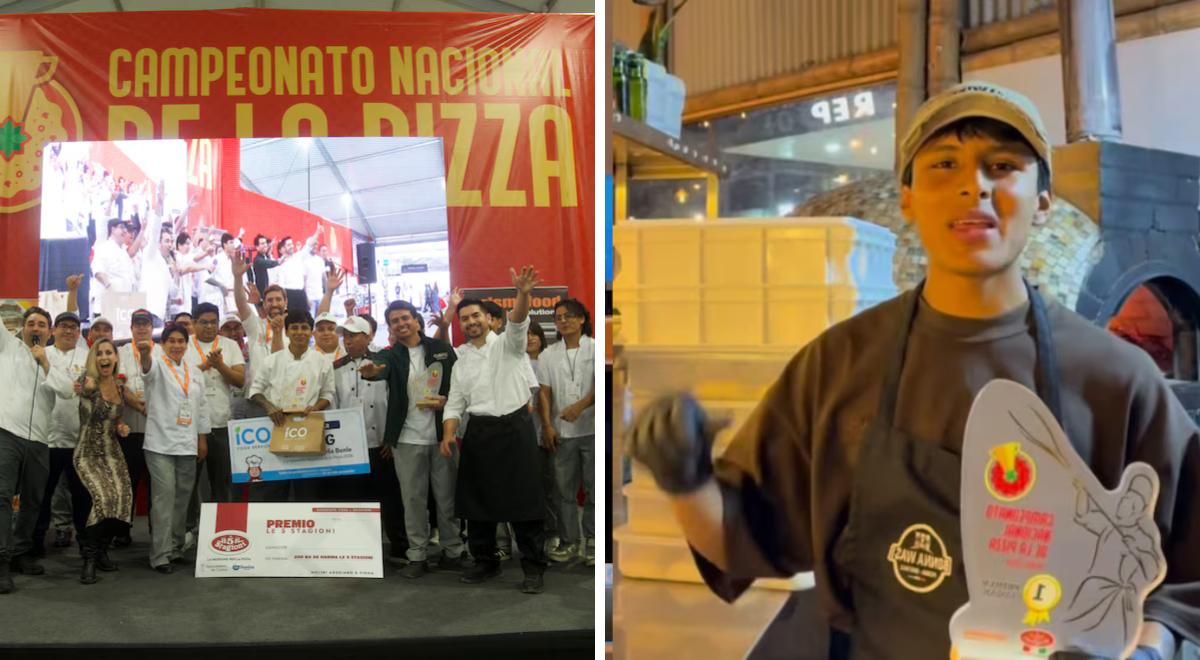
The crowning achievement of this movement unfolded against the bustling backdrop of the Gastromaq 2026 trade fair in Lima. Following days of intense flour-dusted competition, sharp judging, and high-stakes baking, the third edition of the Campeonato Nacional de la Pizza Perú 2026 concluded with a historic victory. Amadeo Evaristo Encarnación, a remarkably talented 22-year-old pizzaiolo representing the remote yet culturally rich district of Oxapampa, claimed the ultimate national title.
Surpassing formidable contenders from every corner of the country, Evaristo not only secured the gold trophy for his hometown pizzeria, Bonna Wasi, but also punched his coveted ticket directly to the birthplace of pizza itself. He will proudly represent the red and white colors of Peru at the prestigious World Pizza Championship (Campionato Mondiale della Pizza) in Parma, Italy, slated for April 2027.
This comprehensive report examines the rise of the young champion, the fiercely contested road to victory, the structural evolution of the Peruvian pizza industry, and the profound economic and cultural implications of a small-town artisan taking on the world stage.
1. Main Facts: The Triumph of a 22-Year-Old Prodigy from Oxapampa
The headline of Pizza Perú 2026 belongs indisputably to Amadeo Evaristo. At just 22 years of age, Evaristo embodies a new generation of Peruvian culinary artists who merge traditional European techniques with local, hyper-regional Peruvian ingredients. Operating out of Bonna Wasi—a pizzeria nestled in the lush, Central Selva region of Oxapampa, known for its unique Austro-German heritage blended with Amazonian biodiversity—Evaristo mastered the delicate balance between fermentation, hydration, and flavor profiles.
The competition, which ran from July 8 to July 11, 2026, brought together the finest culinary minds from across the nation. The podium was rounded out by elite talent:
- First Place (Champion): Amadeo Evaristo (Bonna Wasi, Oxapampa)
- Second Place: Juan José Condori (Lima)
- Third Place: Renzo Solís (Chimbote)
The inclusion of finalists and top contenders from diverse regions—ranging from the desert coast of Ica and the northern hubs of Trujillo and Chimbote, to the southern stronghold of Arequipa, the imperial city of Cusco, and the central highlands of Huancayo—underscored a vital reality: elite artisanal pizza-making in Peru is no longer confined to the upscale districts of the capital. It is a decentralized, nationwide phenomenon.
2. Chronology of the Competition: The Road to Gastromaq 2026
To fully understand the magnitude of Evaristo’s victory, one must look at the rigorous multi-day gauntlet that defined the 2026 championship held inside the Gastromaq 2026 exhibition grounds in Lima.
July 8: The Grand Opening and Technical Briefing
The event kicked off with high anticipation as dozens of regional champions, selected through rigorous preliminary evaluations, gathered in Lima. Judges outlined the stringent criteria for the tournament: structural integrity of the dough, scientific precision in fermentation times, oven temperature management, crust elasticity and crispness (cornicione), harmony of toppings, and overall aesthetic appeal. Competitors spent the opening day calibrating their portable and industrial setups, testing local flours against imported Italian standards, and preparing their starter doughs.
July 9–10: The Preliminary Heat Waves
Over the course of forty-eight hours, the exhibition floor transformed into a high-energy arena of spinning dough, blazing heat, and intense concentration. Pizzaiolos faced specialized categories, racing against the clock to deliver flawless classics as well as creative contemporary pies. Judges observed every motion—from the stretching of the dough without a rolling pin to the precise flick of the wrist as the peel slid the pizza into the stone-deck ovens.
July 11: The Grand Finale and Crowning Moment
By the final day, the field had narrowed down to the elite finalists. Tension filled the air as the remaining competitors prepared their signature creations under the watchful eyes of international judges and industry leaders. When the final scores were tabulated, it was the young representative from Oxapampa whose technical precision and flavor harmonization captured the judges’ imaginations—and palates. The announcement of Amadeo Evaristo as the 2026 champion erupted in cheers, cementing a milestone moment for regional Peruvian gastronomy.
3. Supporting Data & Technical Landscape: The Evolution of Peruvian Pizza
The success of Pizza Perú 2026 is part of a larger, systemic evolution that has been tracked by culinary analysts over the past half-decade. Spearheaded since 2022 by Angello Bertini—founder of the national championship—the initiative was built on a foundational mission: to elevate the technical standards of Peruvian pizzerias and provide a transparent, merit-based platform for artisans regardless of their economic background or geographic location.
Industry Partnerships and Institutional Support
A championship of this magnitude requires robust infrastructural backing. Pizza Perú 2026 was made possible through strategic alliances with heavyweights in the culinary supply chain:
- Le 5 Stagioni: The renowned Italian flour brand provided the premium-grade soft wheat flours necessary for high-hydration, long-fermentation doughs.
- Gastromaq & Equipamiento de Cocina: These industrial kitchen suppliers supplied state-of-the-art ovens and refrigeration units, ensuring that competitors had access to world-class equipment capable of replicating international competition standards.
The Rise of Artisanal Culture in Peru
According to industry market data, the past five years have witnessed a massive consumer shift in Peru. Diners are moving away from commercial, mass-produced fast-food chains in favor of independent, neighborhood artisan pizzerias. These establishments focus on sourdough (masa madre), organic fermentations lasting anywhere from 24 to 72 hours, and locally sourced toppings—ranging from Oxapampa cheeses and native charcuterie to Amazonian peppers and Andean herbs. The viral explosion of independent pizza posts on platforms like TikTok and Instagram further highlights how deeply ingrained this culinary trend has become among younger generations of Peruvian consumers.
4. Official Responses and Industry Perspectives
The resounding success of the 2026 championship prompted glowing statements from organizers, judges, and culinary leaders who view the event as a turning point for the nation’s food sector.
Angello Bertini, founder and director of the championship, emphasized the core philosophy driving the tournament forward:
"The true purpose of this initiative has always been to open doors to the world and democratize opportunities. We want any pizzero in Peru—whether they bake at 3,500 meters above sea level in the Andes, deep within the tropical rainforest of Oxapampa, or along our vast coastline—to know that their talent can take them as far as they are willing to dream. Amadeo’s victory is proof that raw talent, combined with discipline and the right platform, can conquer any barrier."
International delegations observing the event praised the unique adaptations brought by Peruvian artisans. Several guest judges noted that Peruvian pizzaiolos possess an innate sensory intuition regarding flavor pairing, largely cultivated through the country’s rich biodiversity and centuries-old culinary heritage. By applying rigorous Italian technical frameworks—such as Neapolitan styles and modern crispy-base variations—to local ingredients, Peruvian artisans are creating a distinct, highly competitive sub-genre of global pizza.
5. Implications: The Road to Parma 2027 and Beyond
Amadeo Evaristo’s victory is much more than a transient headline or a shiny trophy for Bonna Wasi; it carries profound, long-term implications for the future of Peruvian gastronomy and international culinary diplomacy.
Preparing for the World Stage in Italy
With his victory secured in July 2026, Evaristo is granted a crucial window of nearly nine months to prepare for the Campionato Mondiale della Pizza in Parma, scheduled for April 2027. Unlike local competitions, the world championship in Italy brings together hundreds of professionals from over 50 countries, evaluating not only standard baking mechanics but also specialized categories such as gluten-free baking, acrobatic pizza, and pairing science.
Industry experts note that this extended preparation timeline is a masterstroke of the local tournament’s planning. It gives Evaristo the necessary months to refine his recipes, secure logistical support, and fine-tune his execution under the mentorship of previous national delegates and Italian master bakers.
Redefining Regional Gastronomy
For Oxapampa—a designated biosphere reserve recognized for its unique cultural fusion—having a world-class pizza ambassador places the region on an entirely new map. While traditionally celebrated for its dairy products, coffees, and honey, Oxapampa can now claim a stake in the global artisanal baking elite. This is expected to boost culinary tourism to the region, encouraging food lovers to travel off the beaten path to taste the very pizza that won the national crown.
A Catalyst for the Next Generation
Finally, the narrative of a 22-year-old from a small town rising to national prominence serves as a powerful psychological catalyst for youth across Peru. In an era where culinary careers are frequently associated exclusively with high-end Nikkei, Novoandina, or traditional Creole restaurants, the success of Pizza Perú 2026 validates baking and pizzatry as an elite, highly respected, and globally viable professional discipline.
As the ovens cool down at Gastromaq 2026 and Amadeo Evaristo turns his focus toward the historic hills of Parma, the entire nation watches with bated breath. Peru has already conquered the culinary world with its ceviche and potatoes; if champions like Evaristo are any indication, the global pizza map may soon be speaking a distinctively Peruvian dialect.

Leave a Reply