

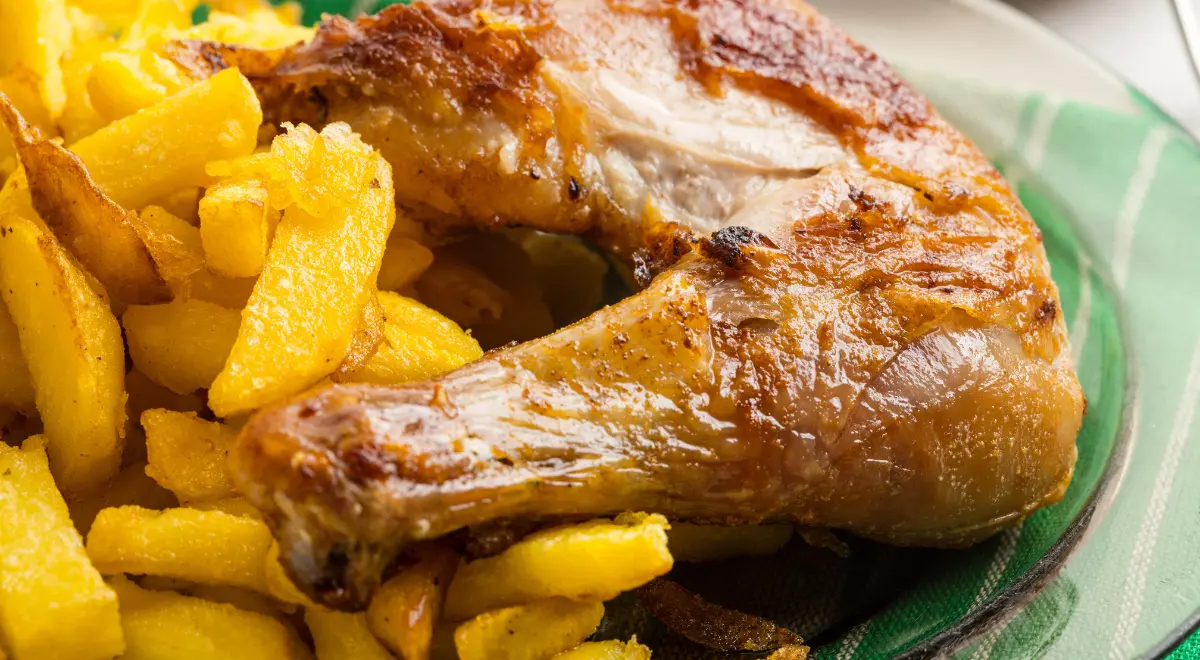
LIMA, PERU — Every third Sunday of July, an unmistakable, mouth-watering aroma blankets the streets of the Peruvian capital. It is a sensory signal that unites households across the nation in a collective culinary ritual: the celebration of the Día del Pollo a la Brasa (National Roast Chicken Day). Recognized globally as one of the finest poultry dishes in the world, this crispy national icon serves as the centerpiece of family gatherings, casual weekend lunches, and bustling delivery orders.
However, when the time comes to honor this beloved tradition at Lima’s most acclaimed establishments—as ranked by the prestigious gastronomic guide Summum Perú—a pragmatic question inevitably arises for consumers: How much will it actually cost to indulge in a top-tier quarter-chicken?
To help diners plan their outings or delivery orders without financial surprises, a detailed breakdown of current tariffs and prices for a quarter-chicken (cuarto de pollo) across the capital’s leading pollerías reveals what it takes to secure a plate of Peru’s culinary pride.
Main Facts: The Economics of Peru’s Favorite Dish
The roast chicken industry is a multi-million-sol engine driving Peru’s dynamic food service sector. On the third Sunday of July, millions of portions are consumed nationwide. Yet, the price spectrum varies significantly depending on the establishment’s pedigree, location, culinary techniques, and branding.
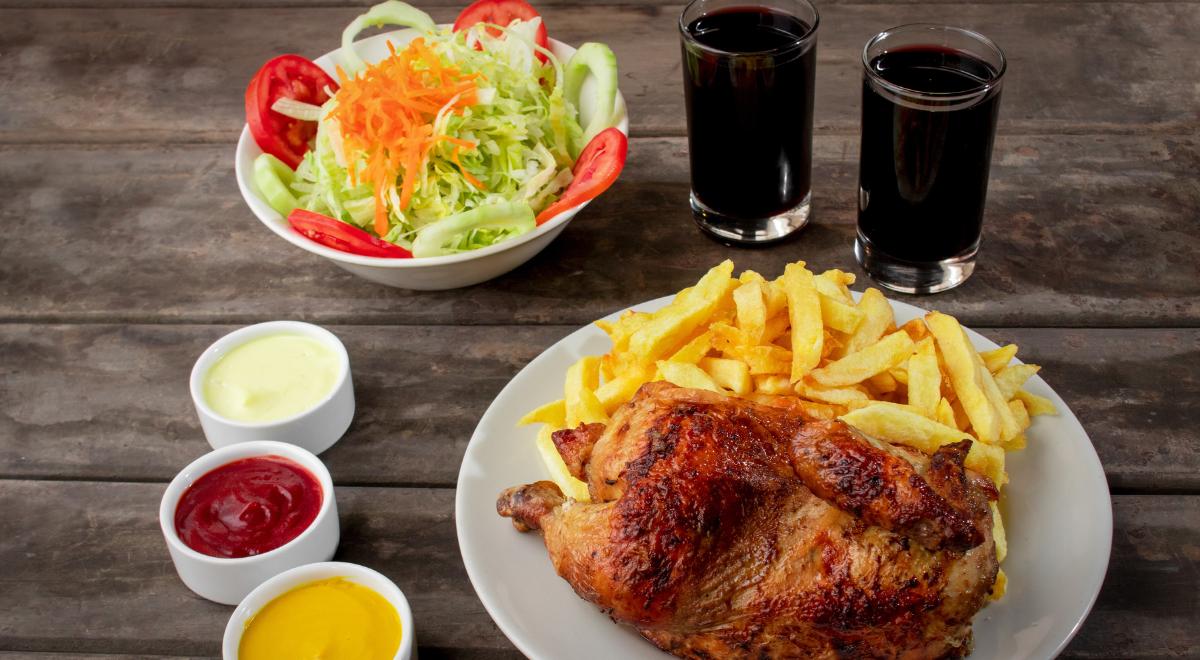
According to Summum Perú, the upper echelon of Lima’s pollerías maintains a competitive yet diverse pricing structure. For a standard quarter-chicken—which typically includes a portion of French fries and salad—diners can expect to pay anywhere from S/26.90 to S/39.00 across the top ten establishments.
While inflation and rising costs of inputs like poultry, potatoes, and cooking fuel have impacted the restaurant sector, pollería operators have carefully calibrated their pricing to remain accessible while preserving the artisanal quality that defines Peruvian rotisserie chicken.
Chronology: From a Countryside Innovation to a Global Icon
To understand the value placed on a plate of pollo a la brasa, one must look back at its origins, which trace a fascinating trajectory through Peruvian culinary history:
- The 1950s (The Genesis): The history of pollo a la brasa was born in the countryside of Santa Clara, on the outskirts of Lima. Innovators Roger Schuler and Franz Ulrich perfected a method of roasting young chickens marinated simply in salt and secret spices, skewered on rotating mechanical spits over eucalyptus wood fires.
- The Mid-to-Late 20th Century (Urban Expansion): What began as an exclusive countryside delicacy rapidly transformed into a democratic urban phenomenon. Pollerías sprouted across Lima’s diverse districts, establishing the classic accompaniment formula: crispy golden French fries, vibrant fresh salads, and a fiery array of ají sauces.
- The 21st Century (Institutionalization and Ranking): As the dish became Peru’s undisputed plato bandera (flagship dish), gastronomic guides like Summum began rigorously evaluating establishments, categorizing them by flavor consistency, side dish quality, ambiance, and service.
- The Present Day: Today, celebrating the third Sunday of July is a state-adjacent cultural event. Modern chefs—ranging from traditional rotisserie masters to high-end culinary visionaries—continually reinvent the classic formula, ensuring the dish evolves while maintaining its soul.
Supporting Data: Price Breakdown of Lima’s Top 10 Pollerías
Analyzing the precise cost of a quarter-chicken across the Summum Perú top ten reveals how different market segments position themselves for consumers looking to celebrate the big day.
1. Primos Chicken Bar: The Urban Standard (S/33 – S/35)
Consistently positioned near the very top of the Summum rankings, Primos Chicken Bar has redefined the traditional Lima pollería experience through a carefully curated, urban concept. Their signature chicken is defined by a flawless cooking process, an exceptionally crispy skin, and a balanced seasoning that captivates diners. Complemented by high-end French fries and fresh salads, a quarter-chicken here averages between S/33 and S/35.
2. La Granja Azul: The Historic Temple (S/34 – S/39)
Occupying a revered historical position, La Granja Azul is the countryside sanctuary where the tradition began in 1950. Operating out of its iconic Santa Clara location, the restaurant utilizes eucalyptus wood fires and rotating iron spits to deliver a juicy, intensely aromatic product with a perfectly golden crust. While famous for its unlimited service format, its individual a la carte quarter-chicken portions range from S/34 to S/39, reflecting its heritage and status as a culinary pilgrimage site.
3. Tori: The Chef-Driven Artisan Approach (S/29.50 – S/30.90)
Led by acclaimed celebrity chef Mitsuharu "Micha" Tsumura, Tori brings a high-end gastronomic perspective to the market. The establishment relies on an artisanal model, using free-range chickens marinated in natural ingredients for hours and slow-cooked to maximize juiciness. Its standout features include innovative house-made sauces, such as ají amarillo mayonnaise and Andean chimichurri. Despite its upscale pedigree, its quarter-chicken options are surprisingly accessible, starting at S/29.50 up to S/30.90.
4. Don Tito and Pardos Chicken: Traditional Consistency (S/31.90 – S/37.90)
Ranking fourth and fifth respectively, Don Tito and Pardos Chicken represent the gold standard of mass-market Peruvian hospitality. Pardos Chicken, a household name across the country, alongside neighborhood legend Don Tito, offers robust portions of quarter-chickens served with classic sides within a reliable price bracket of S/31.90 to S/37.90.
5. Villa Chicken and La Leñá: The Wood-Fired Specialists (S/26.90 – S/32.90)
For diners who prefer the distinct smoky flavor imparted by wood-burning ovens, Villa Chicken (sixth) and La Leñá (seventh) offer exceptional value. Their quarter-chicken plates average between S/26.90 and S/32.90, proving that wood-fired authenticity does not necessarily require a premium price tag.
6. Mediterráneo, Pollos Hilton, and La Panka: Rounding out the Top 10 (S/28.00 – S/32.00)
Completing the elite list are Mediterráneo (eighth), Pollos Hilton (ninth), and La Panka (tenth). These establishments offer personal quarter-chicken portions firmly situated between S/28.00 and S/32.00, ensuring a diverse range of price points for every household budget.
Official Responses and Industry Insights
Gastronomic analysts and restaurant owners point out that pricing decisions ahead of National Roast Chicken Day are meticulously balanced.
"The Día del Pollo a la Brasa is our equivalent of Super Bowl Sunday or Thanksgiving in terms of volume," explains a prominent Lima restaurant operations manager. "While operational costs—including logistics, energy, and supply chain inputs—have fluctuated, maintaining consumer trust is paramount. We cannot price out the average Peruvian family on the very day dedicated to celebrating our national identity."
Furthermore, consumer protection advocates note that despite high demand surges, Lima’s top-tier pollerías have maintained transparent pricing structures across both dine-in and delivery platforms, avoiding predatory markups during the holiday weekend.
Implications: Cultural Unity Versus Household Budgets
The economic realities of celebrating Día del Pollo a la Brasa carry broader implications for Peruvian society and the domestic hospitality sector:
- Democratization of Gastronomy: While fine dining in Lima is often associated with high costs, the accessibility of a quarter-chicken starting under S/30 at acclaimed spots like Tori, or hovering around S/33 at Primos, demonstrates that high-level Peruvian gastronomy remains fundamentally inclusive.
- Economic Impact on Small Businesses: The heavy volume generated on the third Sunday of July provides a crucial financial cushion for the restaurant sector, trickling down to local potato farmers, poultry suppliers, and logistics workers.
- Shifting Consumer Habits: With delivery apps accounting for an increasingly large share of holiday sales, pricing now frequently factors in packaging and delivery fees. Consumers are increasingly weighing the convenience of home delivery against the traditional dine-in experience at landmark locations like La Granja Azul.
Ultimately, whether a family chooses to spend S/27 or S/39 for a quarter-chicken, the ritual remains a powerful equalizer. As Lima prepares once again for the smoky, savory aroma that defines its streets every third Sunday of July, the city’s top pollerías stand ready to serve up a tradition that is as economically resilient as it is culturally priceless.

Leave a Reply