By Jhoan Sebastián Salazar (Enriched & Adapted for International Publication) October 2026
Main Facts
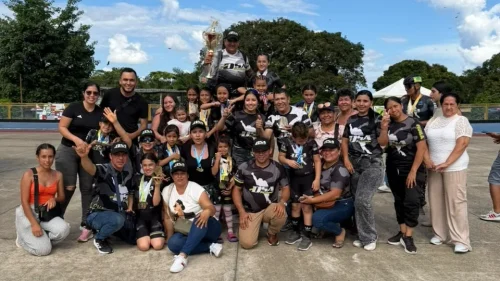
The landscape of Colombian women’s football continues to evolve, and at the heart of this transformation is Deportivo Cali, a powerhouse that recently clinched its fourth Liga Femenina title in history—solidifying an era of dominance that includes three consecutive championships. Within the ranks of this formidable Valle del Cauca squad stands a historic figure: Jessica Bermeo. Hailing from the municipality of Pitalito in the Huila department, Bermeo has etched her name into national football folklore.
As the most decorated female footballer from the Huila region, Bermeo’s journey is one of resilience, early sacrifices, and unwavering faith. In an exclusive interview with LA NACIÓN and LA NACIÓN Stereo, the midfielder reflected on her latest domestic triumph, analyzed the structural challenges facing women’s football in Colombia, and looked ahead to the ultimate continental test: the upcoming Copa Libertadores Femenina in Ecuador.
With her eyes set firmly on the international stage, Bermeo delivered a clear message to her supporters and aspiring athletes alike: Deportivo Cali is preparing to fight toe-to-toe with South America’s elite, carrying the hopes of an entire nation as they chase continental glory.
Chronology: From Pitalito’s Fields to the Pinnacle of Colombian Football
To understand Jessica Bermeo’s impact today, one must trace the timeline of her remarkable ascent—a journey defined by overcoming regional limitations to reach the highest echelons of professional sport.
Early Beginnings in Pitalito: Long before gracing the pitches of Colombia’s top-tier stadiums, Bermeo kicked a ball around the dusty and improvised fields of her hometown in Pitalito, Huila. Supported by her family from day one, she balanced a relentless training schedule with the daily sacrifices required of a young athlete coming from a region with sparse professional infrastructure.
The Rise of Professional Women’s Football in Colombia (2017–2018): As the Liga Femenina took its first shaky steps in 2017—featuring brief two-month tournaments and little media coverage—Bermeo was carving out her path through local and regional development leagues, keeping pace with a sport that was desperately fighting for survival.
The Deportivo Cali Breakthrough: Joining the Azucareras marked the turning point in Bermeo’s career. Immersed in a professional environment with world-class coaching and a competitive culture, she integrated into a squad that would completely reshape the domestic football scene, securing a historic dynasty of titles.
The Recent Liga Femenina Triumph (2026): Deportivo Cali secured their fourth league title, cementing their status as the most dominant and consistent project in the history of the Colombian women’s professional league. Bermeo played a vital role in maintaining the squad’s tactical cohesion and winning mentality.
The Horizon – Copa Libertadores in Ecuador: Fresh off her domestic coronation, Bermeo and the Deportivo Cali delegation turned their full attention toward international waters. The squad has intensified its physical and psychological preparation to conquer South America, aiming to replicate or surpass historical Colombian feats on the continental stage.
Supporting Data: The Growth and Gaps of the Liga Femenina
While Deportivo Cali’s success is a testament to institutional commitment, the broader ecosystem of Colombian women’s football reveals a complex matrix of rapid progression juxtaposed with lingering systemic vulnerabilities.
The Progress:
Tournament Longevity: In 2017, the professional league lasted a mere two months. Today, the competition spans nearly eight months, offering players the continuity required to develop professional habits and tactical maturity.
Fan Engagement and Visibility: Matches now regularly feature thrilling finals, near-capacity stadiums, and passionate fanbases. Broadcasting rights and media coverage have evolved significantly, turning players into recognizable national role models.
Deportivo Cali’s Dynasty: Four league titles (three consecutive) prove that when clubs invest in long-term infrastructure, elite results follow. Cali has established itself as the gold standard for institutional stability in Colombia.
The Challenges:
Contractual Precarity: Despite massive leaps forward, structural hurdles remain. Bermeo highlighted a glaring issue: many female players across the league are still signed to short-term contracts lasting only five months or restricted strictly to the duration of a single tournament. This lack of year-round job security stifles long-term financial planning and player welfare.
Development Gaps vs. Regional Rivals: When comparing Colombian clubs to Brazilian powerhouses—where players engage in up to three major tournaments a year and cultivate a winning mindset from early childhood—colombian football still lacks deep-rooted grassroots academies and systematic physical-mental conditioning programs.
Official Responses and Reflections: In the Words of Jessica Bermeo
During her expansive conversation with LA NACIÓN, Jessica Bermeo opened up about her emotions, her historic status for her home department, and the tactical ethos driving Deportivo Cali forward.
On Winning Another Title with Deportivo Cali
Reflecting on the achievement, Bermeo expressed deep gratitude:
"I am very happy, very content, and deeply grateful to God, the institution, and the coaching staff who gave me the opportunity to be part of this great team. This title is the direct reflection of the sacrifices I have made since I was a little girl. I want to take this opportunity to thank my family, who have supported me from day one. All the glory and honor belong to God."
On Being Huila’s Most Decorated Female Player
Carrying the banner for her home department is a responsibility Bermeo wears with immense pride, coupled with a call to action for the next generation:
"Being part of the history of my department gives me a lot of pride, and I hope to keep doing it. The department of Huila has a lot of talent, and I am fully convinced of that, but we have to know how to exploit it. I hope the girls continue to prepare themselves. The truth is, it’s not easy; the path always has its ups and downs. You have to be believers, disciplined, and—most importantly—if you do it with love, God will show you the way. Believe in yourselves; that is fundamental."
On the Secret to Deportivo Cali’s Success
When asked about the formula behind the team’s relentless trophy-lifting, Bermeo pointed straight to the locker room atmosphere:
"Deportivo Cali Femenino is a very competitive team. We know what we have, we know who we are, we know what we are representing, and we know the talent we possess. Unity and acting like a family is the secret to continuing to make history in the league, and hopefully, we can take that to the international level."
On the Upcoming Copa Libertadores and the Brazilian Benchmark
Looking toward Ecuador, Bermeo analyzed what Colombian football needs to consistently defeat South American giants:
"We have to keep preparing ourselves, both physically and mentally. Brazilian football plays around three tournaments a year, and from a very young age, their players are trained with a winning mentality. That is something to admire, and basically, it’s what Colombian football needs: better training in formative years, mindset, physical conditioning, and more."
On the Realities of the Colombian League
Balancing optimism with a critical eye, Bermeo summarized the state of the game:
"The women’s league has advanced, but we still have a way to go. In 2017, it lasted two months and almost nobody broadcasted it. Today, we have an eight-month tournament with interesting finals and full stadiums… But things still need fixing. For example, there are players who have contracts for only five months or just for the duration of the tournament, so we must correct that detail. We have to keep training girls from an early age, and beyond that, we need to give women’s football more visibility. We are on the right path, but several things are still missing."
Implications: The Road to Ecuador and Beyond
Jessica Bermeo’s journey from Pitalito to the summit of South American football carries profound implications for the sport in Colombia.
A Blueprint for Regional Talent: Bermeo proves that exceptional talent exists outside major metropolitan hubs like Bogotá, Cali, or Medellín. Her success serves as a living blueprint for young girls in departments like Huila, demonstrating that professional dreams are attainable through discipline and faith.
The Pressure on Club Executives: As Deportivo Cali prepares for the Copa Libertadores in Ecuador, the spotlight shifts from the pitch to the boardrooms. Bermeo’s candid critique regarding five-month contracts serves as a gentle yet firm reminder to club directors and DIMAYOR executives: if Colombian teams are to compete sustainably with the industrial-scale dominance of Brazilian clubs, professional contracts must extend beyond the tournament calendar to guarantee player security and full-time athletic focus.
Continental Ambitions: Carrying the memory of Atlético Huila’s historic 2018 Copa Libertadores conquest, Colombian women’s clubs are eager to reclaim continental supremacy. With a highly motivated squad, elite tactical organization, and warriors like Jessica Bermeo leading the midfield engine, Deportivo Cali heads to Ecuador not merely as participants, but as bona fide contenders ready to bring the ultimate trophy back home to Colombia.







Leave a Reply