

Introduction
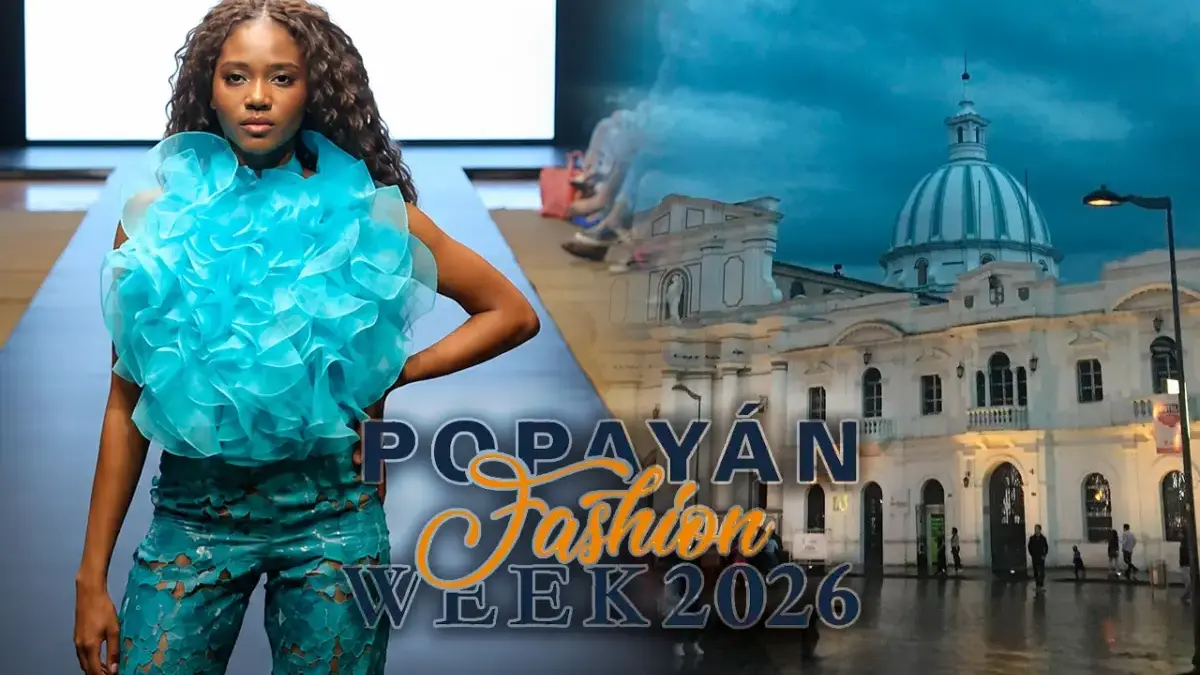
In late September 2026, the historic cobblestone streets surrounding Parque Caldas in Popayán, the capital of Colombia’s Cauca department, were transformed into an open-air runway of international caliber. The 11th edition of Popayán Fashion Week (Popayán Fashion Week 2026) established itself as far more than a conventional trade showcase. Instead, the three-day event served as a powerful platform for regional designers, indigenous and Afro-descendant artisans, grass-roots women’s collectives, and eco-conscious entrepreneurs across southwestern Colombia.
Organized by the Chamber of Commerce of Cauca (Cámara de Comercio del Cauca), the event ran from September 24 through September 26, 2026. Its successful execution represented an inspiring story of institutional agility and community perseverance, coming just weeks after the region was struck by a damaging earthquake on August 10. By reconvening in the heart of Popayán, the regional fashion system (Sistema Moda) demonstrated how design can act as a catalyst for socio-economic recovery, peacebuilding, and cultural preservation across the departments of Cauca, Nariño, and the broader Colombian Pacific coast.
Main Facts: Fashion as a Narrative and Economic Engine
Popayán Fashion Week 2026 convened dozens of brands, master artisans, textile manufacturers, and emerging creators under a unified mandate: to use fashion as a medium for telling the complex, diverse, and deeply rooted stories of southwestern Colombia.
Key Highlights of the 2026 Edition:
- Organizer and Venue: Spearheaded by the Chamber of Commerce of Cauca and hosted at the iconic Parque Caldas in central Popayán.
- Dates: September 24–26, 2026 (rescheduled from its original late-August dates following seismic disruptions).
- Geographic Scope: Focused on designers, social initiatives, and artisanal talent from Cauca, Nariño, and the Pacific region.
- Core Themes: Sustainable luxury, upcycling, ancestral textile preservation, Afro-Colombian lineage, women’s economic independence, and peace-building through productive design projects.
- Featured Creative Voices: Tinta Roja (in collaboration with Las Manualitas), Mushky, África Viva by Viviana Lucumí Paz, Mónica Fonnegra, XZAE by Francisco Sepúlveda, and Revhelo by Hugo Revelo.
Rather than adhering strictly to commercial trends dictated by global fashion capitals, the runways in Popayán elevated local craftsmanship—including traditional macramé, hand-crochet, manual embroidery, and native botanical dyeing—into contemporary high fashion. The event provided a direct commercial bridge connecting rural production communities with urban buyers, fashion critics, and investors.
Chronology: Overcoming Disaster to Reclaim the Public Square
The path to the 11th edition of Popayán Fashion Week required significant adaptation by organizers, local authorities, and participating brands.
+-----------------------------------------------------------------------------------+
| CHRONOLOGY OF EVENTS: POPAYÁN FASHION WEEK 2026                                   |
+-----------------------------------------------------------------------------------+
| August 10, 2026   | A moderate-to-strong earthquake hits Cauca, causing structural |
|                   | disruptions and requiring emergency logistical re-evaluations.     |
+-------------------+---------------------------------------------------------------+
| Mid-August 2026   | The Chamber of Commerce of Cauca suspends the original event  |
|                   | schedule to assess damage, prioritize relief, and reschedule. |
+-------------------+---------------------------------------------------------------+
| Late August 2026  | Official announcement confirms new dates (Sept 24–26) and     |
|                   | reaffirms Parque Caldas as the symbolic heart of the event.   |
+-------------------+---------------------------------------------------------------+
| Sept 24, 2026     | Opening Night: Showcases focusing on social empowerment and   |
|                   | memory (Tinta Roja & Las Manualitas, Mushky).                 |
+-------------------+---------------------------------------------------------------+
| Sept 25, 2026     | Day Two: Focus on sustainable luxury and Afro-Colombian       |
|                   | heritage (Mónica Fonnegra, África Viva).                      |
+-------------------+---------------------------------------------------------------+
| Sept 26, 2026     | Closing Day: Inter-departmental collaborations showcasing     |
|                   | Nariño craftsmanship (XZAE) and Pacific aesthetics (Revhelo). |
+-----------------------------------------------------------------------------------+
The August 10 Seismic Event and Rapid Recovery
On August 10, 2026, a seismic movement shook several municipalities across the Cauca department. While Popayán avoided catastrophic structural destruction, the regional emergency declared in the immediate aftermath required municipal resources to be redirected toward structural safety inspections, civil defense mobilization, and immediate community relief.
Originally slated to take place shortly after the incident, Popayán Fashion Week was temporarily postponed. The decision by the Chamber of Commerce of Cauca to reschedule the event for late September, rather than cancel it outright, was widely praised by the business community. Local stakeholders emphasized that maintaining the event was essential for stabilizing the regional economy, restoring confidence in public spaces, and keeping artisanal supply chains functioning.
Three Days in Parque Caldas
From September 24 to 26, the historic center of Popayán was transformed. Parque Caldas—surrounded by white colonial arcades and leafy trees—served as a symbolic backdrop. The choice of an open-air public venue ensured that the event remained accessible to the general public, demystifying high fashion and integrating local residents, street vendors, domestic tourists, and international observers into the cultural celebration.
Supporting Data: Runway Highlights and Creative Narratives
The collections showcased during Popayán Fashion Week 2026 emphasized six distinct artistic visions, each highlighting a specific socio-cultural facet of the southwestern region.
+-----------------------------------------------------------------------------------------------+
| SUMMARY OF FEATURED DESIGNERS & COLLECTIONS                                                  |
+----------------------+-----------------------------+------------------------------------------+
| Designer / Brand     | Collection Title            | Primary Focus & Cultural Roots           |
+----------------------+-----------------------------+------------------------------------------+
| Tinta Roja           | Remendando para el futuro   | Women's economic autonomy, peace-building|
|                      | (Mending for the Future)    | alongside "Las Manualitas" collective.   |
+----------------------+-----------------------------+------------------------------------------+
| Mushky               | Raíz Sagrada                | Ancestral memory, indigenous craft,      |
|                      | (Sacred Root)               | sacred artisanal knowledge.              |
+----------------------+-----------------------------+------------------------------------------+
| Viviana Lucumí Paz   | UKOO: Linaje que florece    | Afro-descendant identity, family lineage,|
| (África Viva)        | (Flourishing Lineage)       | territory, and diaspora pride.           |
+----------------------+-----------------------------+------------------------------------------+
| Mónica Fonnegra      | Matria                      | Sustainable luxury, circular economy,    |
|                      |                             | upcycled materials, environmental focus. |
+----------------------+-----------------------------+------------------------------------------+
| Francisco Sepúlveda  | Contemporary XZAE Line      | Nariño textile traditions (macramé,      |
| (XZAE)               |                             | embroidery, crochet) fused with modern.  |
+----------------------+-----------------------------+------------------------------------------+
| Hugo Revelo          | Herencia                    | Colombian Pacific aesthetic, coastal     |
| (Revhelo)            | (Heritage)                  | storytelling, fluid tropical silhouettes.|
+----------------------+-----------------------------+------------------------------------------+
Tinta Roja: Remendando para el futuro
Opening the week’s thematic programming, brand Tinta Roja unveiled Remendando para el futuro ("Mending for the Future"). This collection was born out of a direct collaboration with Las Manualitas, an artisan group affiliated with the Asociación de Mujeres por la Paz con Justicia Social (Association of Women for Peace with Social Justice).
The collection utilized visible mending, patchwork, and reconstructed denim to symbolize the healing of community ties in areas historically impacted by social conflict. Beyond its aesthetic value, the initiative serves as a practical vehicle for financial independence, enabling women survivors of conflict and rural matriarchs to generate direct, dignifying income through specialized garment manufacturing.
Mushky: Raíz Sagrada
The brand Mushky presented Raíz Sagrada ("Sacred Root"), a deeply reflective collection that drew inspiration from the living memory and spiritual traditions of southwestern indigenous communities. Utilizing raw organic cottons, earth-toned natural dyes, and hand-woven accents, Mushky’s pieces highlighted the importance of preserving craft practices passed down through generations. The collection emphasized that traditional techniques are not static historical artifacts, but dynamic tools for contemporary self-expression.
África Viva by Viviana Lucumí Paz: UKOO: Linaje que florece
Designer Viviana Lucumí Paz, leading her label África Viva, brought UKOO: Linaje que florece ("UKOO: Flourishing Lineage") to the runway. Deeply rooted in the Afro-Colombian identity of the Pacific and northern Cauca flatlands, UKOO—a word referencing ancestral family lineage—celebrated territorial pride, matriarchal strength, and the vibrant colors of the African diaspora. Bold textile prints, structured turbans, and flowing silhouettes illustrated how clothing can preserve history and express regional pride.
Mónica Fonnegra: Matria
Addressing the global imperative for environmental sustainability, designer Mónica Fonnegra debuted Matria. The collection was conceived around the concepts of eco-conscious luxury and circular economy principles. Fonnegra integrated zero-waste pattern drafting, industrial deadstock fabrics, and upcycled organic fibers to demonstrate that high fashion can coexist harmoniously with ecological stewardship. Matria served as an explicit call for the regional textile industry to adopt cleaner, more responsible production processes.
Francisco Sepúlveda (XZAE): Inter-Departmental Synergy from Nariño
Demonstrating the event’s broad regional reach, designer Francisco Sepúlveda traveled from the neighboring department of Nariño to present his latest work under the label XZAE. Sepúlveda’s work relies heavily on close collaboration with rural master artisans, incorporating intricate hand-weaving, crochet, embroidery, and macramé into modern streetwear and formal silhouettes. His runway presentation underlined the deep artistic and economic links connecting the high-altitude crafts of Nariño with the commercial markets of Cauca.
Hugo Revelo (Revhelo): Herencia and the Pacific Finale
The event reached its climax with the closing show by designer Hugo Revelo, founder of the label Revhelo. His collection, Herencia ("Heritage"), paid tribute to the sights, sounds, and textures of the Colombian Pacific coastline. Featuring fluid movement, lightweight textiles adapted for tropical climates, and color schemes inspired by coastal mangroves and marine environments, Revelo’s showcase brought the three-day event to a celebratory close.
Official Responses and Institutional Leadership
The execution of Popayán Fashion Week 2026 required extensive cooperation between public institutions, non-governmental organizations, and private enterprise. Institutional leaders emphasized that supporting the creative sector is a core strategic priority for long-term economic development.
The Vision of the Chamber of Commerce of Cauca
Spokespersons from the Chamber of Commerce of Cauca highlighted that the Sistema Moda (Fashion System) represents one of the most dynamic segments of the regional "Orange Economy" (creative industries).
"Popayán Fashion Week is far more than an annual runway show; it is an integrated business development platform," noted economic development representatives from the Chamber during the event’s closing remarks. "Our objective is to provide micro-enterprises, rural women’s associations, and independent designers with the technical training, branding tools, and commercial channels required to bring their products to national and international markets. Following the challenges of August, seeing Parque Caldas filled with economic activity proves the resilience of our business ecosystem."
Integration with Social Programs
Representatives from local civil society groups and peace-building associations echoed these sentiments. The inclusion of grassroots organizations like Las Manualitas was cited as a practical model for post-conflict reconciliation and gender-focused economic support. By integrating vulnerable populations directly into high-visibility commercial events, the regional fashion framework offers real pathways toward financial independence and social recognition.
Economic, Social, and Cultural Implications
The impact of Popayán Fashion Week 2026 extends beyond the immediate visual spectacle of its runways. The event holds measurable significance across several key socio-economic dimensions.
+----------------------------------------------------------------------------------------------------+
| MULTI-DIMENSIONAL IMPACT OF POPAYÁN FASHION WEEK                                                   |
+-------------------+--------------------------------------------------------------------------------+
| Economic Impact   | • Stimulates local hospitality, gastronomy, and retail tourism post-disaster.  |
|                   | • Creates direct purchase orders for micro-factories and artisan workshops.   |
|                   | • Builds long-term supply chains between urban brands and rural weavers.      |
+-------------------+--------------------------------------------------------------------------------+
| Social Impact     | • Empowers women head-of-households and peace-building social collectives.     |
|                   | • Fosters social inclusion for Afro-descendant and indigenous craftspeople.   |
|                   | • Reclaims historic public spaces for community gathering and civic pride.    |
+-------------------+--------------------------------------------------------------------------------+
| Cultural Impact   | • Preserves endangered artisanal techniques (macramé, natural dyeing, weaving).|
|                   | • Positions southwestern Colombian identity as a asset in global fashion.      |
|                   | • Encourages sustainable luxury and circular economy practices.                |
+----------------------------------------------------------------------------------------------------+
1. Strengthening the Regional "Sistema Moda"
Over its eleven-year history, Popayán Fashion Week has worked to bridge the gap between traditional craft techniques and modern retail requirements. Micro-enterprises in Cauca often face significant barriers to market entry, including limited distribution networks, lack of brand visibility, and challenges in scaling production. By offering structured workshops alongside the main runway events—covering topics such as digital marketing, export regulations, cost accounting, and sustainable sourcing—the initiative helps small businesses transition from local informal operations to structured commercial enterprises.
2. Economic Recovery After Natural Disruptions
The rescheduling and execution of the event shortly after the August 10 earthquake served as a vital economic stimulus for Popayán’s historic center. The influx of visitors, media teams, buyers, and regional attendees provided immediate benefits to local hotels, restaurants, transportation services, and informal street vendors. It demonstrated how targeted investments in cultural programming can support urban recovery efforts following natural disasters.
3. Cultural Preservation and Identity Politics
In an era increasingly dominated by fast fashion and mass manufacturing, the creative philosophies displayed at Popayán Fashion Week 2026 offered a clear alternative. Collections like Raíz Sagrada, UKOO, and Herencia show how traditional textile techniques can be protected by incorporating them into modern designs. This approach ensures that indigenous and Afro-descendant knowledge holders are recognized as co-creators and properly compensated, helping prevent the uncredited exploitation of traditional crafts.
4. Peacebuilding and Gender Equity
The participation of marginalized women’s collectives highlights fashion’s potential as a tool for social transition. In regions historically affected by rural conflict and economic instability, micro-textile enterprises offer alternative livelihoods. Providing women with training in garment construction, quality control, and business management fosters financial independence, strengthens domestic stability, and supports broader community peace-building efforts.
Conclusion: A Model for Sustainable and Inclusive Regional Fashion
The 11th edition of Popayán Fashion Week reaffirmed the transformative potential of southwestern Colombia’s creative sector. By bringing together diverse fashion traditions—from the highland weaving of Nariño to the Afro-Colombian coastal aesthetics of the Pacific and the resilient social collectives of Cauca—the event showed that design can serve as a unified platform for storytelling, economic growth, and cultural preservation.
Despite the initial challenges posed by the August earthquake, the Chamber of Commerce of Cauca, alongside local designers, master artisans, and community leaders, successfully delivered an event that honored tradition while embracing modern sustainability. As Popayán Fashion Week enters its second decade, it stands as a compelling model for how regional economies in the developing world can leverage their rich heritage to build inclusive, resilient, and forward-looking fashion industries.

Leave a Reply