

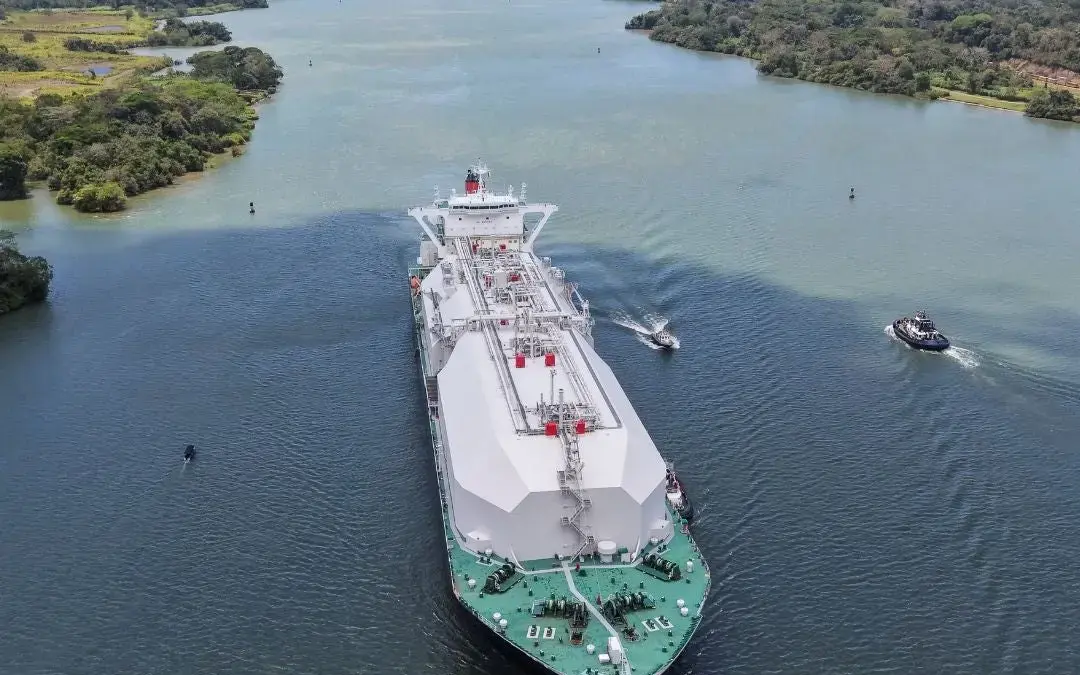
PANAMA CITY, Panama — In a strategic move to modernize its domestic maritime infrastructure, the Panama Maritime Authority (Autoridad Marítima de Panamá – AMP) has officially launched a comprehensive market consultation process. The initiative is designed to gather critical market intelligence, technical capabilities, and cost estimates from engineering firms, specialized consultants, and maritime service providers.
The primary objective of this exploratory phase is to prepare for future public tenders aimed at conducting field studies, engineering designs, and technical documentation for six key regional ports across the country. By engaging with private sector experts before drafting formal bidding specifications, the AMP aims to ensure that future infrastructure investments are technically sound, financially viable, and aligned with modern maritime standards.
Main Facts: Scope and Objectives of the Consultation
The market consultation represents a foundational step in the AMP’s broader strategy to upgrade Panama’s secondary port network. While Panama is globally renowned for its mega-ports flanking the Panama Canal—such as Balboa and Cristobal—its smaller regional ports play an indispensable role in domestic trade, artisanal fishing, tourism, and coastal connectivity.
+-------------------------------------------------------------------+
|               AMP REGIONAL PORT CONSULTATION SUMMARY              |
+-------------------------------------------------------------------+
| Target Audience:   Engineering firms, environmental consultants,  |
|                    maritime infrastructure specialists.           |
| Scope of Studies:  Bathymetry, geotechnical surveys, structural   |
|                    designs, environmental impact assessments.     |
| Portal Utilized:   Panamá Compra (Official Procurement Platform)  |
| Key Objective:     Gathering technical data to draft precise,     |
|                    high-transparency future bidding documents.    |
+-------------------------------------------------------------------+
Targeted Ports and Geographic Distribution
The consultation focuses on six specific municipal and regional ports distributed across four provinces:
- Port of Coquira (Province of Panamá)
- Port of Mensabé (Province of Los Santos)
- Port of Arenal (Province of Los Santos)
- Port of Hicaco (Province of Veraguas)
- Port of Pedregal (Province of Chiriquí)
- Port of Remedios (Province of Chiriquí)
Nature of the Required Services
The AMP is seeking information regarding the market’s capacity to execute highly specialized tasks. These tasks will eventually form the terms of reference for future contract awards. The key areas of inquiry include:
- Field and Hydrographic Studies: Bathymetric surveys, sub-bottom profiling, tidal analysis, and geotechnical soil boring to assess seafloor stability.
- Structural and Civil Engineering Designs: Conceptual and detailed designs for piers, retaining walls, breakwaters, passenger terminals, and cargo handling areas.
- Environmental and Social Impact Assessments (ESIA): Preliminary evaluations to ensure future constructions comply with Panama’s Ministry of Environment (MiAmbiente) regulations and protect sensitive coastal ecosystems.
- Feasibility and Cost Estimation: Developing realistic capital expenditure (CAPEX) and operational expenditure (OPEX) models based on current market rates for materials and labor.
Chronology of the Initiative
The rollout of this consultation follows a structured timeline designed to maximize industry participation while maintaining administrative efficiency.
  Sept 4, 2026                 Sept 24, 2026               Late 2026 / 2027
       |                            |                             |
  +----+----------------------------+-----------------------------+----+
  | Consultation Launched      | Submission Deadline         | Technical Review &
| on Panamá Compra Portal | (20 Calendar Days) | Tender Drafting Phase- September 4, 2026: The AMP officially publishes the market consultation documents on the national public procurement portal, Panamá Compra. This publication marks the beginning of the formal interaction window with the private sector.
- September 4 – September 24, 2026 (The 20-Day Window): Interested engineering firms, maritime consultants, and consortia are given 20 calendar days to review the preliminary technical requirements, draft their feedback, and submit their proposals, queries, and cost structures.
- Post-September 24, 2026 (Evaluation and Synthesis): Following the closing of the submission window, the AMP’s Directorate of Ports and Auxiliary Maritime Industries will analyze the gathered data. This internal review phase is expected to last several weeks, during which technical parameters for the upcoming formal tenders will be refined.
- Future Phase (Formal Tendering): Utilizing the synthesized data, the AMP plans to draft and publish formal, competitive bidding documents (pliegos de condiciones) for the execution of the physical studies and designs, tentatively scheduled for late 2026 or early 2027.
Supporting Data: Profiling the Six Target Ports
To understand the strategic importance of this consultation, it is essential to examine the unique economic and logistical roles played by each of the six designated ports. These facilities serve as lifelines for their respective regions but currently suffer from aging infrastructure, siltation, and inadequate capacity.
+-----------------------------------------------------------------------+
|                 REGIONAL PORTS SELECTED FOR UPGRADE                   |
+-----------------------------------------------------------------------+
| Port Name   | Province   | Primary Economic Drivers                   |
+-------------+------------+--------------------------------------------+
| Coquira     | Panamá     | Riverine transport, agricultural logistics |
| Mensabé     | Los Santos | Artisanal fishing, regional trade          |
| Arenal      | Los Santos | Eco-tourism, Isla Iguana transit           |
| Hicaco      | Veraguas   | Coiba National Park tourism, local fishing |
| Pedregal    | Chiriquí   | Estuary logistics, marine tourism, fishing |
| Remedios    | Chiriquí   | Coastal cabotage, regional integration     |
+-----------------------------------------------------------------------+
1. Port of Coquira (Panamá Province)
Located in the Chepo district along the Bayano River, the Port of Coquira is a vital hub for riverine and coastal transport. It serves as a primary transit point for agricultural goods, timber, and passengers traveling between eastern Panamá province, the Darién Gap, and the Pearl Archipelago. Siltation in the Bayano River estuary frequently restricts vessel draft, making bathymetric studies and dredging designs a top priority for this site.
2. Port of Mensabé (Los Santos Province)
Situated on the Azuero Peninsula, Mensabé has historical significance as a shipping point for agricultural products and livestock. Today, it primarily supports local artisanal fishing fleets and minor coastal commerce. Upgrading Mensabé’s docking infrastructure is seen as key to boosting the local economy and improving safety standards for fishermen operating in the Gulf of Panama.
3. Port of Arenal (Los Santos Province)
Arenal, located in the Pedasí district, is the primary launching point for tourists visiting the Isla Iguana Wildlife Refuge—a major ecotourism destination. The port currently lacks modern passenger boarding facilities, forcing tourists and tour operators to wade through water or navigate unstable shorelines. Designing a low-impact, modern passenger pier here is critical for sustaining Pedasí’s booming tourism sector.
4. Port of Hicaco (Veraguas Province)
Hicaco serves as a strategic gateway to the Coiba National Park, a UNESCO World Heritage site renowned for its marine biodiversity. Similar to Arenal, Hicaco’s current infrastructure is insufficient to handle the growing volume of international eco-tourists and scientific researchers. Improved docking and security facilities are required to position Veraguas as a world-class sustainable tourism destination.
5. Port of Pedregal (Chiriquí Province)
Located near the city of David, the Port of Pedregal is situated within a complex estuary system. It has historically handled larger coastal vessels, private yachts, and commercial fishing fleets. However, continuous sedimentation has severely limited its operational depth. The AMP requires detailed hydrological and engineering studies to determine the feasibility of long-term dredging and the rehabilitation of its concrete piers.
6. Port of Remedios (Chiriquí Province)
Remedios is one of the oldest ports in western Panama, historically connecting the Chiriquí province with the rest of the country via coastal shipping (cabotage). Today, it supports local fishing and offers maritime access to remote coastal communities. Modernizing Remedios will help bridge the economic gap between urban centers and rural coastal populations in eastern Chiriquí.
Official Responses and Regulatory Framework
The AMP has been highly transparent regarding the legal and financial boundaries of this market consultation. Officials emphasize that this exercise is strictly an information-gathering mechanism and does not represent a formal bidding process.
Clear Boundary Between Consultation and Procurement
In its official release, published via La Estrella de Panamá, the AMP clarified the non-binding nature of the initiative:
"The call is made solely for informative and planning purposes. Consequently, participation in this stage does not constitute the start of a formal process to select a contractor, nor does it imply hiring commitments, direct adjudication, or the establishment of preferential conditions for any of the participants."
This statement is legally significant. Under Panamanian public procurement law (Law 22 of 2006, which governs public contracting), formal tenders must follow strict guidelines to prevent favoritism. By declaring this stage purely informational, the AMP protects the integrity of future bidding processes, ensuring that companies participating in this consultation do not gain an unfair legal advantage over those that do not.
Financial and Operational Disclaimers
Furthermore, the AMP specified that all costs associated with participating in this market consultation must be borne entirely by the interested private entities:
- No Reimbursement: Companies will not receive compensation for preparing technical designs, cost estimates, or presentations.
- Equal Opportunity: The submission of high-quality data in this phase will not guarantee selection or extra points in the eventual formal bidding process.
- Data Usage: The AMP reserves the right to use the technical concepts, suggestions, and market data provided by participants to structure the final, open-market bidding documents.
Implications for Panama’s Blue Economy and Regional Development
The decision to modernize these six regional ports carries profound implications for Panama’s domestic economy, maritime safety, and sustainable development.
+-------------------------------------------------------------------------+
|                  POTENTIAL SOCIO-ECONOMIC IMPACTS                       |
+-------------------------------------------------------------------------+
| Economic Decentralization | Boosts rural economies outside Panama City  |
| Tourism Growth            | Safer, modern transits to Coiba & Isla Iguana|
| Climate Resilience        | Ports designed to withstand rising sea levels|
| Improved Safety           | Modern piers reduce accidents for fishermen  |
+-------------------------------------------------------------------------+
Decentralizing the Maritime Economy
Panama’s maritime sector accounts for approximately 20% of the nation’s Gross Domestic Product (GDP). However, this wealth is heavily concentrated in the interoceanic canal corridor (Panama City and Colón). By investing in regional ports like Pedregal, Mensabé, and Remedios, the government aims to decentralize maritime economic activity, bringing jobs, improved logistics, and commercial opportunities to the interior provinces.
Fostering the "Blue Economy" and Ecotourism
Sustainable marine tourism is a cornerstone of Panama’s national tourism master plan. Ports like Arenal and Hicaco are critical bottlenecks. Transforming these rustic embarkation points into safe, environmentally friendly marine terminals will:
- Enhance the international traveler experience.
- Increase safety for local boat captains (pangueros).
- Generate higher local tax revenues and boost auxiliary businesses such as hotels, restaurants, and tour agencies.
Strengthening Climate Resilience and Safety
Coastal infrastructure in Panama is increasingly vulnerable to the effects of climate change, including rising sea levels, ocean acidification, and intensified storm surges. The engineering studies resulting from this consultation will require modern structural standards. New docks and breakwaters must be designed to withstand these environmental pressures, ensuring the long-term survival of coastal communities’ primary economic lifelines.
Improving Public Spending Efficiency
Historically, infrastructure projects in developing nations have often suffered from cost overruns and delays due to poorly drafted technical specifications. By utilizing a pre-tender market consultation, the AMP is adopting international best practices in public procurement.
Gathering real-world technical capabilities and cost structures beforehand minimizes the risk of "empty tenders" (where no companies bid because the budget is too low) or "inflated contracts" (where the state pays far above market rates). This disciplined approach ultimately protects Panamanian taxpayers and ensures that public funds are directed toward realistic, high-impact maritime assets.



Leave a Reply