

By Cultural Desk
July 26
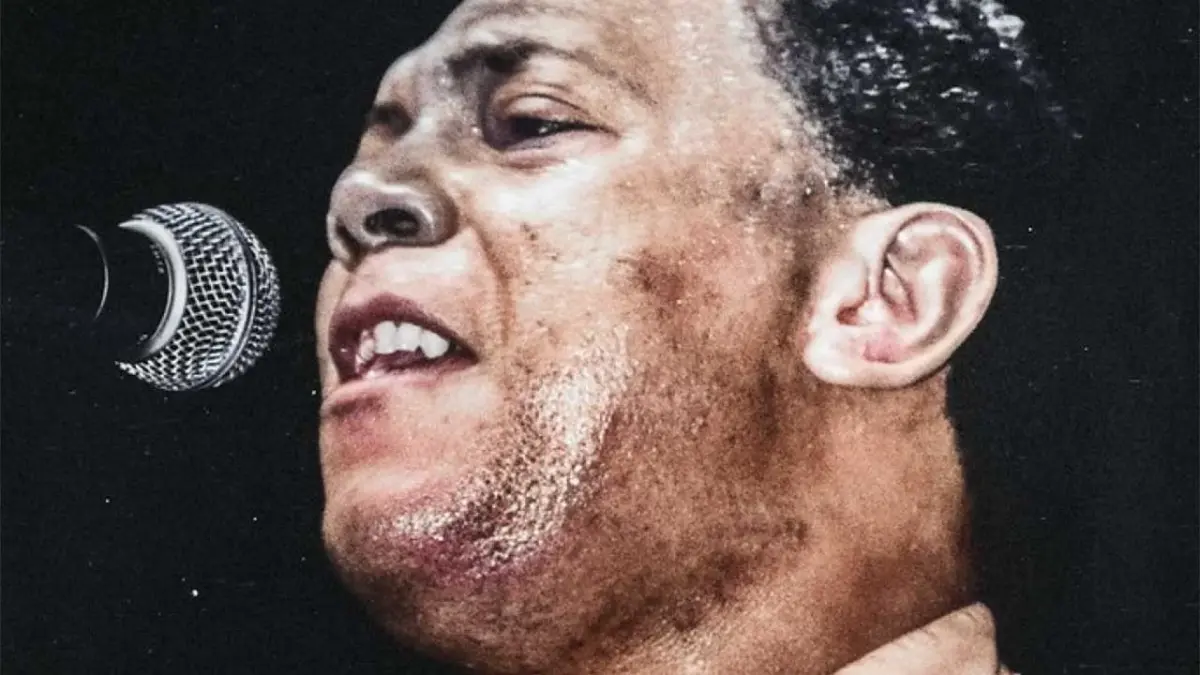
Fifteen years after the physical departure of Álvaro José Arroyo González—universally known simply as "Joe Arroyo"—the Caribbean Sea continues to whisper his name through the rhythm of the drums, and Colombia’s collective heartbeat still syncopates to the beat of his unmatched vocal genius.
As we commemorate the fifteen-year milestone since his passing, the weight of his absence remains heavy, yet his presence is inescapable. Though time moves forward, the "Voice of the Caribbean" refuses to fade into history. Instead, he occupies an unassailable space in the pantheon of Latin American music, standing as a towering pillar of identity, resistance, and unadulterated joy.
Main Facts: The Eternal Voice of a Nation
To understand the magnitude of Joe Arroyo is to understand the soul of Colombia itself. Born in Cartagena on November 1, 1955, Arroyo was not merely a singer; he was an elemental force of nature. His significance lies in his role as the supreme pioneer of Colombian salsa and the visionary architect of the "joesón"—a brilliant, genre-bending synthesis that seamlessly fused African ancestral polyrhythms with the vibrant sounds of the Latin Caribbean.
While his tumultuous life—marked by intense creative brilliance, relentless battles with addiction, near-death experiences, and personal tragedies—has been the subject of countless books, articles, and documentaries, his musical output remains his truest biography.
Throughout a career that spanned over three decades, Arroyo recorded more than 300 songs across approximately 40 albums. He penned roughly 100 original compositions and placed more than 60 tracks at the very top of national and international charts. His voice, frequently compared by critics to a masculine iteration of the legendary Celia Cruz, possessed an emotive power, flexibility, and razor-sharp phrasing that could effortlessly bridge the gap between deep-seated social anguish and unbridled carnival euphoria.
Chronology: From the Streets of Cartagena to Global Stardom
The ascent of Joe Arroyo from a prodigy singing in the brothels and plazas of Cartagena to the absolute summit of tropical music is a journey of sheer tenacity and jaw-dropping natural talent.
The Early Years and Fruko y sus Tesos
Arroyo’s prodigious talent manifested early. Before he had even reached adulthood, he was cutting his teeth in local orchestras, passing through the ranks of Rubén Darío Salcedo and the ensemble La Protesta.
However, his life changed forever when, at the astonishing age of just 16, he was recruited by Fruko y sus Tesos—then the undisputed powerhouse of Colombian salsa in the 1970s. Within this legendary collective, young Arroyo did not just sing; he imposed a distinct vocal signature. His unique ad-libs, piercing timbre, and deeply soulful interpretations immediately elevated the band’s repertoire and laid the foundational stones of his future immortality.
The Golden Era of Collaborations and Solo Consolidation
Never one to stay tethered to a single project for too long, Arroyo’s restless creative spirit led him through a constellation of the era’s finest tropical orchestras. He lent his golden pipes to The Latin Brothers, Los Líderes, Los Bestiales, La Integración, and even the illustrious orchestra of the maestro Pacho Galán.
By the late 1970s and 1980s, buoyed by major label contracts with Discos Fuentes and later Sony Music, Arroyo stepped out firmly on his own as a solo artist. It was during this phase that he perfected the "joesón," a rhythmic cocktail of salsa, soca, compas, and traditional Colombian folkloric rhythms like cumbia and puya. He became the undisputed king of the Barranquilla Carnival, a cultural institution in his adopted home that ultimately had to invent an entirely new accolade just to honor his monumental contributions: the Supercongo de Oro.
Supporting Data: The Soundtrack of a Continent
The numerical scale of Joe Arroyo’s discography is staggering, but the cultural weight of his catalog is immeasurable. He gave voice to the marginalized, soundtracked the joys of millions, and crafted anthems that remain as relevant today as they were upon their release.
Consider the sheer breadth of his hit parade, both through his own pen and through his unforgettable interpretations of works by other stellar composers:
- Original Masterpieces: “La Noche”, “Echao pa’lante”, “En Barranquilla me quedo”, “Te quiero más”, “Mary”, “Por ti no moriré”, “El trato”, “Fuego en mi mente”, “Musa original”, “Tumbatecho”, “A mi Dios todo le debo”, “Noche de arreboles”, and “El fundillo loco”.
- Definitive Interpretations: “Pa’l bailador”, “Yamulemau”, “Con gusto y gana”, “El ausente”, “El caminante”, “El son del caballo”, “Nadando”, “Confundido”, alongside legendary carnival medleys of traditional regional music.
The Anthem of a Culture: "Rebelión"
No discussion of Arroyo’s catalog is complete without mentioning “Rebelión” (1986). Far more than a mere salsa hit, this song functions as a profound cultural hymn and a historical reckoning with the trauma of slavery in the Spanish Americas.
Narrating the story of a 17th-century African slave couple in Cartagena—Guajira and her husband, who bravely fights back against a brutal Spanish master—the song brilliantly encapsulates the African diaspora’s resistance. With its infectious montuno, driving percussion, and soaring vocal delivery, “Rebelión” turned a history of pain into an eternal celebration of dignity and freedom.
Official Responses and Literary Perspectives: The Centurion of the Night
Biographers and cultural critics have long grappled with the dual nature of Arroyo’s existence. Mauricio Silva Guzmán, author of the definitive biography “Joe Arroyo, el Centinela de la Noche. Una vida cantada” (Joe Arroyo, the Centurion of the Night: A Sung Life), captured this dichotomy with striking clarity.
"Arroyo was possibly the most talented of the popular creators and performers that Colombia has ever produced," Silva Guzmán writes.
He describes the artist as "a man marked simultaneously by success and by misfortune: consecrated by the musical genius he inherited from his African ancestors and which he knew how to conjugate with the rhythms of the tropics, applauded by that unmistakable voice… but, at the same time, condemned by vice, battered by family tragedies, and diminished by illnesses from which he was saved on more than one occasion by true miracle."
Despite the physical and psychological toll of his lifestyle, whenever Arroyo stepped in front of a microphone or onto a stage, the fractured man vanished, replaced by an incandescent musical deity.
Cultural ministries, regional authorities, and fellow artists have consistently echoed these sentiments, noting that Arroyo’s ability to channel the pain of his personal demons into therapeutic, healing music is what ultimately elevated him from a regional star to a universal icon.
Implications: The Enduring Legacy in Modern Colombian Culture
Fifteen years after his passing on July 26, 2011, the implications of Joe Arroyo’s life and work resonate deeply across modern Colombia.
First, his legacy serves as a vital bridge in Colombia’s national identity. In a country historically fractured by regionalism—where the Andean interior often felt culturally distinct from the Caribbean coast—Arroyo’s music acted as a powerful unifying agent. When “En Barranquilla me quedo” or “La Noche” plays in a club in Bogotá, Medellín, or Cali, geographical divides dissolve. Colombians of all backgrounds recognize themselves in his cadence.
Second, Arroyo set a high-water mark for artistic authenticity. In an era increasingly dominated by sterile, algorithm-driven production, the raw, organic vitality of a Joe Arroyo track stands as a masterclass in emotional delivery. His work reminds contemporary artists of the power found in digging deep into one’s ancestral roots while fearlessly innovating.
As long as sound systems echo along the Caribbean shoreline, and as long as dancers step onto the asphalt during the Barranquilla Carnival, Joe Arroyo will not be gone. He remains where he has always belonged: at the very center of the party, watching over his people as the eternal Centurion of the Night.



Leave a Reply