
By: Global Investigative Desk
Updated October 2026
Main Facts
The political landscape of Colombia is bracing for potential shockwaves following a first-instance ruling by the Council of State that stripped Senator Iván Name of his investiture. While the primary target of the judicial blow is Name—implicated directly in the massive corruption scandal surrounding the National Unit for Disaster Risk Management (UNGRD)—the fallout has unexpectedly enveloped one of the ruling coalition’s most prominent figures: Senator María José Pizarro.
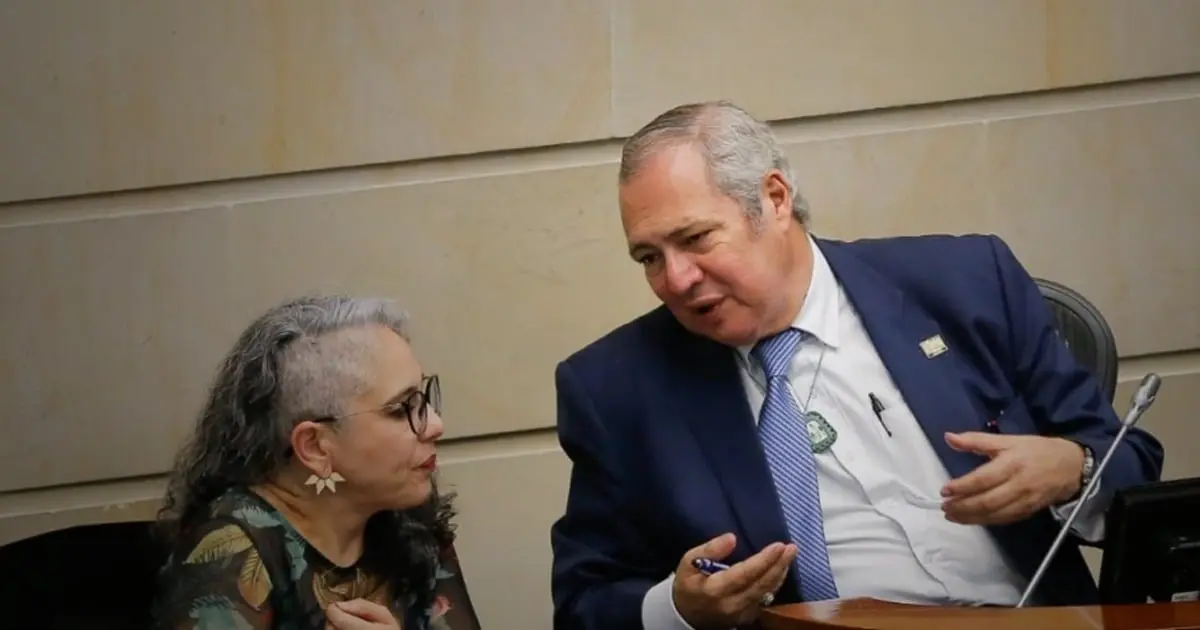
Although Pizarro faces no direct legal sanctions or formal charges at this time, the Council of State’s ruling explicitly mentions her name more than 20 times. The high court’s document details how Name, allegedly after receiving substantial bribe payments funded by UNGRD resources to fast-track President Gustavo Petro’s legislative agenda, systematically ceded the Senate presidency to Pizarro. Specifically, records show she occupied the presidential seat during 14 out of 16 crucial sessions of the controversial pension reform between February 28 and April 23, 2024.
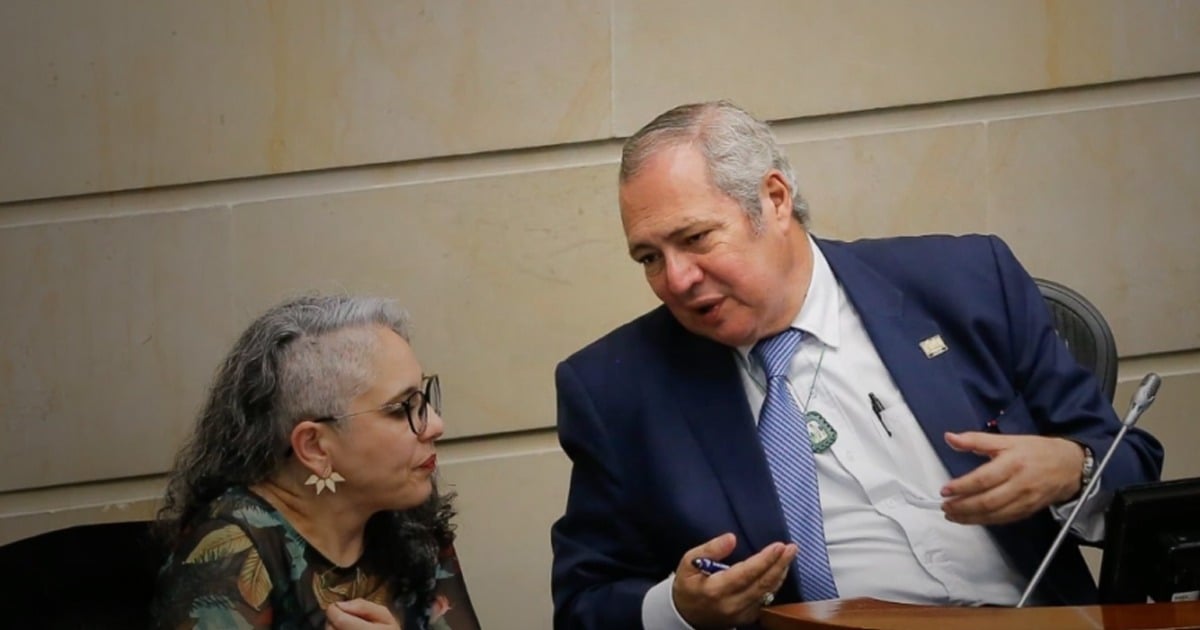
The tribunal interprets this tactical handover as a coordinated maneuver designed to impose methodology, order, and velocity onto a stalled legislative process, relying on alliances with the Liberal Party and the Partido de la U to secure a quorum. While Pizarro has vigorously defended her actions—citing her constitutional and regulatory duties as First Vice President of the Senate—legal experts warn that if the ruling against Name is upheld on appeal, the Council of State could compel investigative bodies to scrutinize Pizarro’s role in these procedural maneuvers.
Chronology of Events
To understand how two seemingly disparate political trajectories converged in a high-stakes judicial ruling, it is necessary to examine the timeline of events bridging the historic 2022 presidential victory and the unfolding 2026 corruption scandal.
June 19, 2022: A Historic Triumph
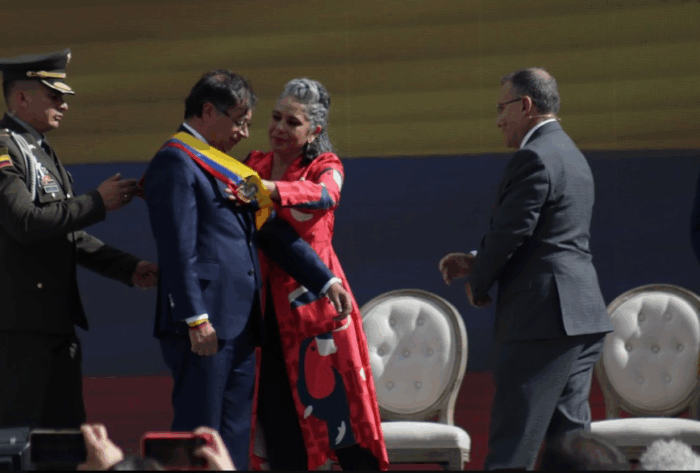
On a euphoric Sunday evening, Senator-elect María José Pizarro stood shoulder-to-shoulder with newly elected President Gustavo Petro, celebrating the historic victory of the Colombian left. Together, they brandished an M-19 guerrilla movement flag—Pizarro honoring the memory of her assassinated father, Carlos Pizarro León-Gómez, and Petro exalting the rise of a former insurgent movement to the highest office in the nation. Despite widespread assumptions that Pizarro would formally integrate into the ruling coalition’s inner sanctum, her formal political positioning would soon become a matter of intense legal debate.

March 7, 2024: The First Legal Battle
The seeds of friction with the Council of State were planted when citizen Harold Eduardo Suá Montaña filed a lawsuit against Pizarro’s election as First Vice President of the Senate. The plaintiff argued that her appointment violated Article 40 of Law 5 of 1992, which reserves minority party representation in congressional directorates for the largest minority bloc. Although Pizarro ran under the banner of the Alternative Indigenous and Social Movement (MAIS)—which won four seats—the Council of State’s Fifth Section, led by Magistrate Luis Alberto Álvarez Parra, ruled that her political reality was inextricably tied to the 20-seat Pacto Histórico government coalition.
"For the purposes of dual militancy rules, we are a coalition, but to annul my election to the board of directors, we are a single party," Pizarro protested at the time.
February – April 2024: The Pension Reform Sessions
As the administration fought to pass its landmark pension reform, friction and procedural delays paralyzed the legislature. During this window, Senate President Iván Name repeatedly stepped down from the dais, delegating control of the chamber to First Vice President María José Pizarro. These sessions proved decisive in pushing the government’s agenda through a fractured Congress.
August 26, 2024: Olmedo López’s Testimony
Testifying before the Supreme Court of Justice, former UNGRD director Olmedo López broke his silence. He detailed an intricate web of legislative bribery, alleging that Name’s primary mechanism for cooperating with the administration and delivering results in exchange for illicit funds involved handing the Senate gavel over to Pizarro to maintain strict control over debates and quorums.
Late 2026: The Council of State Ruling
The Council of State issued a first-instance ruling stripping Iván Name of his congressional investiture due to his involvement in the UNGRD scandal. Although the ruling focuses on Name’s ethical breaches and criminal exposure, its text heavily integrates the operational mechanics of how the pension reform was passed, casting a harsh and potentially perilous light on Pizarro’s presiding role.
Supporting Data and Institutional Context
The intersection of the UNGRD scandal and the legislative mechanics of the Colombian Senate highlights a complex web of institutional actors, legal frameworks, and political maneuvering.
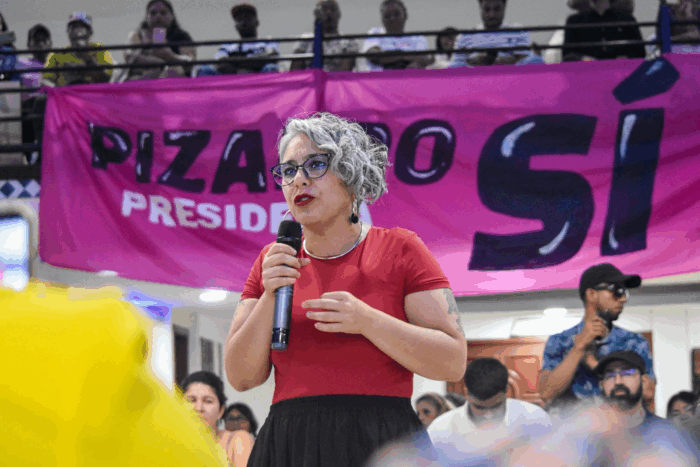
- The Legislative Framework: Under Article 45 of Law 5 of 1992 (the Congress’s internal regulations), the Vice Presidents are explicitly mandated to replace the President during temporary absences. Pizarro has relied heavily on this defense, arguing she was merely fulfilling her statutory obligations amid opposition filibustering and quorum crises.
- The Quorum Strategy: According to the Council of State’s findings, the legislative success of the Petro administration’s structural reforms relied heavily on floor management. By ceding the chair to a seasoned and disciplined parliamentary operator like Pizarro, the leadership could deftly navigate procedural motions, suppress dilatory tactics, and broker necessary alliances with traditional parties like the Liberals and La U.
- The UNGRD Nexus: The Unidad Nacional de Gestión del Riesgo de Desastres scandal centers on the diversion of public funds to bribe congressional leaders in exchange for fast-tracking executive reforms. The quantification of these alleged bribes and their direct correlation to specific legislative outputs form the core of the ongoing investigations by the Supreme Court and the Council of State.
Official Responses
The release of the judicial ruling prompted swift and defensive reactions from the political figures mentioned in the text, highlighting the volatile nature of the allegations.
-
María José Pizarro’s Defense:
Clearly displeased by the associative framing within the court document, Senator Pizarro issued a sharp public statement:(…) "The fact that the ruling examines sessions that I presided over does not mean that any participation is attributed to me in the facts for which Mr. Name was sanctioned."
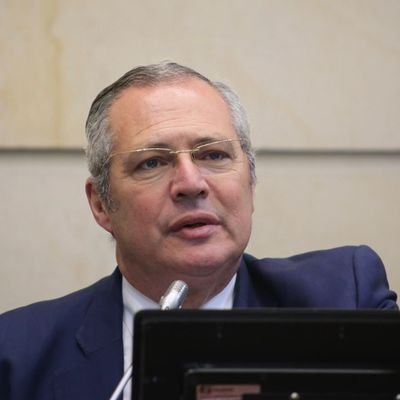
She reiterated that her actions strictly adhered to her regulatory duties under Law 5, emphasizing that her presence in the chair was required to rescue sessions plagued by deliberate delays and attendance shortages.
- The Prosecution and Disciplinary Stance:
To date, no judicial authority or investigative entity has formally announced a compulsa de copias (an order to extract copies of records to open a separate investigation) or a preliminary inquiry against Pizarro. Notably, during the initial stages of Name’s loss of investiture trial, the Inspector General’s Office (Procuraduría General de la Nación) actually requested that the court dismiss the charges against Name due to a perceived lack of conclusive evidence—a request ultimately rejected by the high court.
Implications for the Future
The mention of Senator Pizarro in the Council of State’s administrative ruling carries profound implications for her political career and the broader fortunes of the Pacto Histórico movement.
1. Legal Vulnerability on Appeal
While a first-instance ruling stripping an official of their investiture is significant, it remains subject to appeal. Legal analysts note that if the Council of State ratifies its decision against Iván Name in the second instance, the judicial momentum could shift toward penal repercussions. Should the appellate judges maintain their assessment that the presidency-sharing arrangement was an integral component of a bribery-for-legislation scheme, the court could formally order the Supreme Court of Justice to open a formal investigation into Pizarro.

2. Political Capital and Electoral Ambitions
Pizarro has long been viewed as one of the premier heavyweights of the Colombian left, boasting deep symbolic capital as the daughter of slain M-19 leader Carlos Pizarro. Her name has frequently surfaced in discussions regarding future executive ambitions, including potential presidential or high-level ministerial runs. However, enduring association with a major corruption scandal—even by proxy or operational proximity—threatens to tarnish her anti-corruption narrative, providing political ammunition for opposition figures ahead of upcoming electoral cycles.
3. Scrutiny of Legislative Alliances
The ruling lays bare the transactional nature of congressional coalitions in contemporary Colombia. It forces a public reckoning over how major structural reforms, such as the pension overhaul, were steered through committee and plenary sessions. For the Petro administration, which came to power promising a complete break from traditional clientelist politics ("mermelada"), the judicial characterization of legislative management as a byproduct of illicit deals undermines its core moral positioning.
As the legal battle surrounding Iván Name progresses to its final appellate stages, all eyes will remain fixed on the high courts. Whether María José Pizarro can successfully insulate herself from the fallout of the UNGRD scandal will depend heavily on whether investigators view her congressional presidency as routine administrative duty or as a cog in a corrupt legislative machine.