

Main Facts
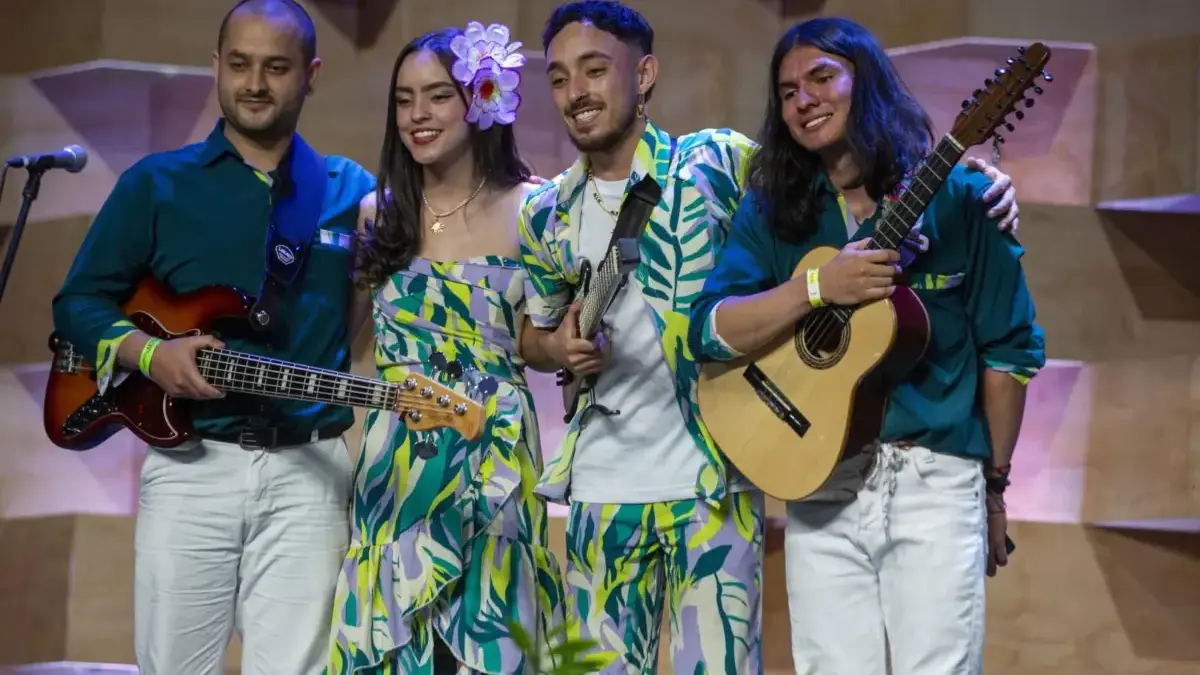
The picturesque municipality of Ginebra, nestled in the heart of the Valle del Cauca department in Colombia, once again transformed into the pulsating cultural capital of the nation. As the host of the esteemed 52nd Festival de Música Andina Colombiana “Mono Núñez,” the town became a vibrant crossroads for musicians, composers, historians, and enthusiasts dedicated to safeguarding and celebrating the rich auditory tapestry of the Andes. Widely regarded as the most prestigious and influential stage for the promotion, preservation, and diffusion of traditional Colombian Andean music, this year’s festival delivered a masterclass in cultural heritage, generational continuity, and artistic excellence.
Over several days of intense competition, heartfelt performances, and communal celebration, the festival brought together the finest interpreters, composers, and ensembles from across the country. The air in Ginebra was thick with the resonant sounds of tiples, bandolas, guitars, and requintos, blending seamlessly with soaring vocal harmonies that echoed through the town’s colonial streets and performance halls.
At the core of this year’s event was the announcement of the official finalists and award winners by the expert judging panel. These artists successfully navigated rigorous preliminary rounds to compete for the highest honors in the Andean musical canon. From the coveted Gran Premio Mono Núñez nominations across instrumental and vocal categories to the recognition of groundbreaking unreleased (inéditas) compositions and exceptional instrumentalists, the 52nd edition spotlighted both veteran mastery and exciting new talent from diverse regions, including Bogotá, Boyacá, Caldas, Santander, Tolima, Antioquia, Quindío, and Valle del Cauca.
Chronology of the Festival and the Road to the Finals
The journey to the 52nd Mono Núñez Festival is a year-round endeavor for many artists, culminating in a carefully structured multi-day event in Ginebra.
Phase One: The Gathering and Preliminaries
Days prior to the announcement of the grand finalists, Ginebra welcomed delegations from all over Colombia. The municipality transitioned into an open-air theater where musical workshops, academic forums, and parallel concerts took place. During this opening phase, regional performers showcased their repertoires to both the general public and a panel of expert judges. These preliminary rounds served as the crucible from which the top talent was meticulously selected, ensuring that only the highest caliber of musicians advanced to the critical stages of the festival.
Phase Two: Unveiling the Nominees for the Gran Premio Mono Núñez
Midway through the festival, tension peaked as the judging panel revealed the names of the artists advancing to the ultimate competitive stage. The nominees were divided into strict categories to highlight both individual and collective virtuosity:
-
Instrumental Modality Finalists:
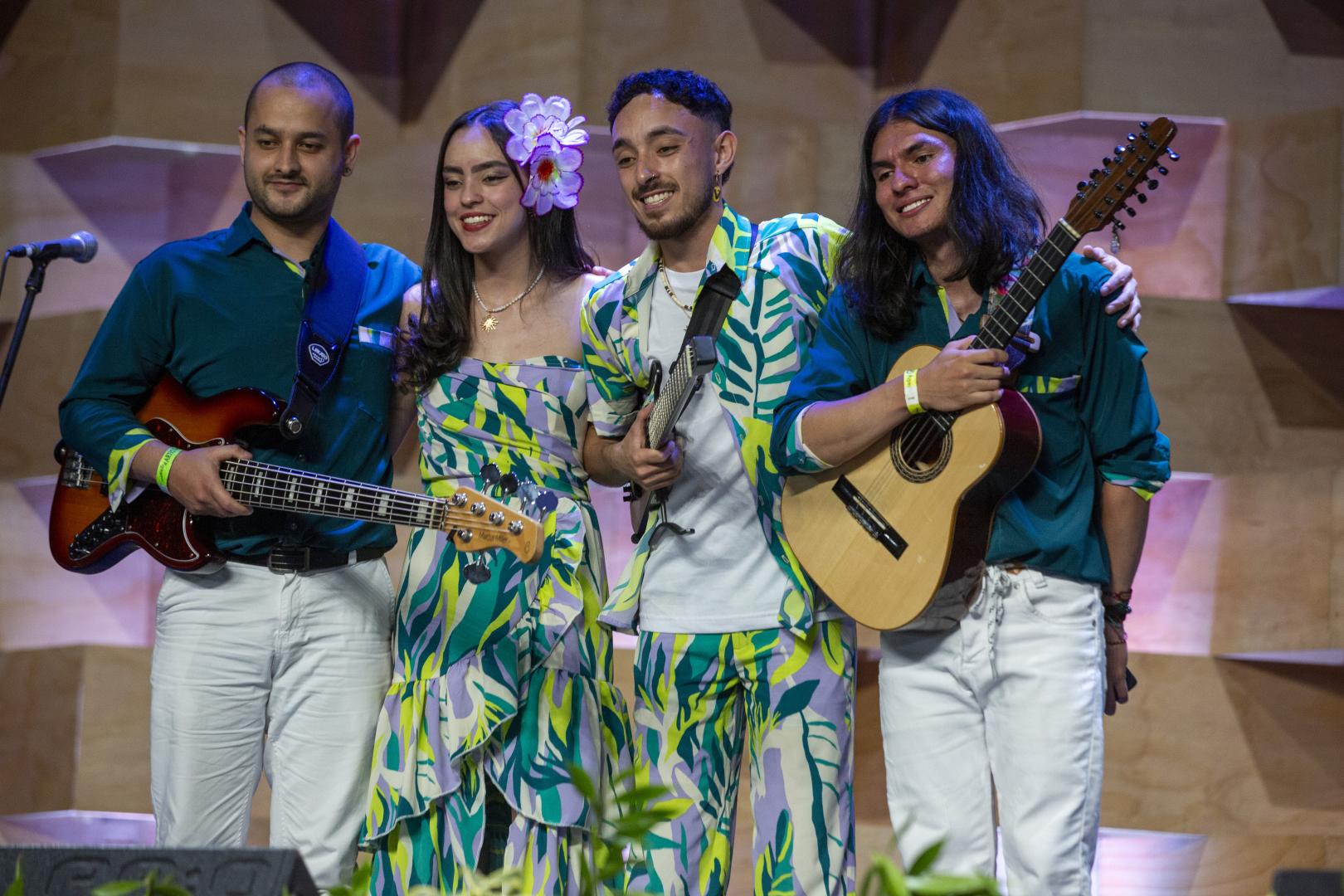
- Cuarteto Caucalí (Bogotá)
- Michael Pérez (Boyacá)
- Coro de Clarinetes Universidad de Caldas (Caldas)
- Cedral Trío (Santander)
- Constelación Trío (Valle del Cauca)
-
Vocal Modality Finalists:
- Laura Alejandra Chaparro Nossa (Boyacá)
- Dueto Prisma (Caldas)
- María José Gallego Ríos (Caldas)
- Mónica Adela Escobar Cardona (Quindío)
- Rosa María Ocampo Martínez (Valle del Cauca)
Phase Three: Celebrating Creation – Unreleased Works (Obras Inéditas)
A vital pillar of the Mono Núñez Festival is its commitment to stimulating contemporary creation within traditional forms. The festival dedicated specific sessions to honoring new contributions to the bambuco and pasillo genres:
- Vocal Modality Unreleased Works:
- First Place: "La Buena Herencia" (Bambuco), authored, composed, and performed by Sebastián David Valdivieso Porras.
- Second Place: "No Haces Falta" (Bambuco), composed by Santiago Patiño Herrera and interpreted by María José Restrepo Granados.
- Third Place: "Tú Voz" (Pasillo), composed by Juan Diego Vejarano Moreno and interpreted by Julián Andrés Torres Valencia.
- Instrumental Modality Unreleased Works:
- First Place: "Florescencia" (Pasillo), composed and interpreted by Daniel Andrés Garzón Rubiano.
- *Refugio" (Bambuco), composed by Germán Darío Pérez Salazar and interpreted by Sofía Pérez, Francisco Rivera, David Ocampo, and Germán D. Pérez.
- Third Place: "El Último Bambuco" (Bambuco), composed by Javier Esteban Muñoz Enríquez and interpreted by the Coro de Clarinetes Universidad de Caldas.
Phase Four: The Grand Finale and Special Honors
The festival reached its emotional and artistic climax with the final concerts, where the ultimate winners of the Gran Premio Mono Núñez were decided, alongside the awarding of prestigious named trophies recognizing specific instrumental and vocal proficiencies.
Supporting Data: Comprehensive List of Award Winners and Special Recognitions
The 52nd edition distributed a series of specialized awards, named in honor of the titans of Colombian Andean music, celebrating mastery over specific instruments and stylistic interpretations:
- Tribute to Maestro Oscar Hernández Monsalve and León Cardona García – "Diego Sinisterra Sánchez" Prize for Best Vocal Interpreter:
- Winner: Mixtura Ensamble (Valle del Cauca) for their performance of the bambuco "No abandones tu tierra."
- Best Instrumental Interpreter of a Work by Maestro León Cardona García – "Diego Sinisterra Sánchez" Prize:
- Winner: Estudiantina Acuarela (Antioquia) for their performance of the pasillo "Jugando con 4 notas."
- "Pacho Benavides" Prize for Best Tiplista:
- Winner: David Ocampo Ciro (Tolima).
- "Diego Estrada Montoya" Prize for Best Bandolista:
- Winner: Maicol Parra (Bogotá), member of Capital Trío.
- "Jorge Ariza Lindo" Prize for Best Requintista:
- Winner: Luis Arley Martínez Caballero (Santander), member of Cedral Trío.
- "Clemente Díaz" Prize for Best Guitarist:
- Winner: Carlos Alberto Velásquez García (Valle del Cauca).
- "Lucho Vergara" Prize for Best Accompanying Guitarist:
- Winner: Gabriela Aedo (Valle del Cauca), accompanist to Rosa María Ocampo Martínez.
- Best Accompanying Tiplista:
- Winner: Edwin Castañeda (Santander), member of Cedral Trío.
- Special Mention:
- Recipient: Ensamble Vocal Raíces, acknowledged for their outstanding instrumental and vocal arrangements.
Official Responses and Perspectives from the Cultural Community
The success of the 52nd Festival de Música Andina Colombiana ‘Mono Núñez’ reverberated far beyond the physical boundaries of Ginebra, eliciting passionate responses from organizers, local authorities, cultural historians, and participating artists.
In official statements released during the closing ceremonies, festival organizers emphasized that the event’s longevity—spanning over half a century—is a testament to the resilience of Colombia’s cultural identity. "The Mono Núñez is not merely a competition; it is a vital repository of our collective memory," noted a representative from Funmúsica, the foundation that organizes the event. "Every bambuco played, every pasillo sung, and every unreleased composition premiered here proves that Andean music is not a relic of the past, but a living, breathing, and evolving art form that speaks to contemporary generations."
Local authorities in Valle del Cauca also highlighted the socio-economic and cultural impact of hosting the festival. Municipal leaders pointed out that Ginebra’s transformation into a hub of artistic dialogue fosters community pride and boosts cultural tourism, drawing visitors from across Colombia and international travelers eager to experience authentic folkloric traditions.
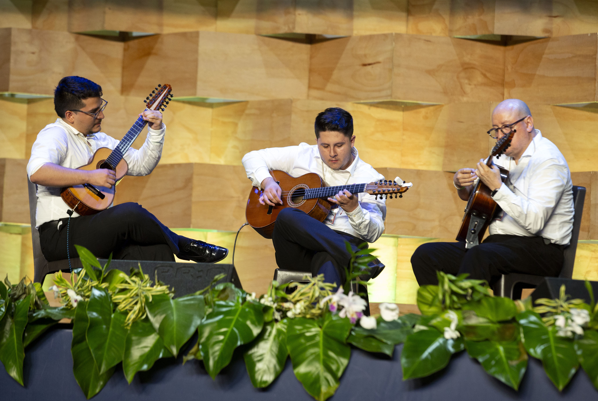
For the artists, many of whom are young practitioners dedicating their lives to complex traditional instrumentation, the festival represents a life-changing milestone. Speaking on behalf of the nominees, several performers expressed profound gratitude for the platform provided by the Mono Núñez. They stressed that winning a nomination or a specialized award, such as the "Pacho Benavides" or "Jorge Ariza Lindo" prizes, validates years of rigorous, solitary practice and elevates traditional instruments—like the tiple and the bandola—onto national and international stages.
Judges, meanwhile, praised the remarkably high technical standard observed this year. They remarked that evaluating the contestants proved exceptionally difficult due to the flawless execution, deep emotional resonance, and innovative arrangements brought forward by both soloists and large ensembles like the Coro de Clarinetes Universidad de Caldas and Estudiantina Acuarela.
Implications for the Future of Colombian Andean Music
The conclusion of the 52nd Mono Núñez Festival leaves deep, lasting implications for the cultural landscape of Colombia. As globalization and commercial pop music increasingly dominate mainstream media markets, specialized events like the festival in Ginebra serve as critical bulwarks for regional heritage.
1. Intergenerational Transmission of Knowledge
One of the most profound implications of the festival is its role in inspiring younger generations. By platforming prodigies and young ensembles from departments like Boyacá, Caldas, and Santander, the Mono Núñez demystifies traditional Andean music, presenting it as an exciting, dynamic career path for modern musicians. The presence of young requintistas, bandolistas, and tiplistas ensures that ancestral playing techniques are passed down effectively, preventing the extinction of regional idioms.
2. Innovation Within Tradition
The strong focus on obras inéditas (unreleased works) demonstrates that Andean music is not stagnant. Composers like Sebastián David Valdivieso Porras, Daniel Andrés Garzón Rubiano, and Germán Darío Pérez Salazar are actively expanding the boundaries of the bambuco and pasillo. By introducing fresh harmonic progressions, contemporary lyrical themes, and novel structural arrangements while respecting traditional meters, these artists are future-proofing the genre, making it relevant to modern ears while maintaining its foundational soul.
3. Strengthening Regional Cultural Networks
The festival acts as a unifying force across Colombia’s fragmented geography. By bringing together artists from the Andean highlands, coffee-growing regions, and urban centers like Bogotá and Medellín, the Mono Núñez fosters a collaborative national network. Musicians share techniques, form cross-departmental collaborations, and return to their home regions with renewed vigor, establishing localized workshops and schools that multiply the festival’s impact year-round.
Ultimately, the 52nd Festival de Música Andina Colombiana ‘Mono Núñez’ has once again proven indispensable. It stands as a triumphant celebration of the tiple, the bandola, the voice, and the pen—a living monument to the spirit of the Andes that continues to unite, inspire, and define Colombia’s rich cultural heritage for the world.

Leave a Reply