

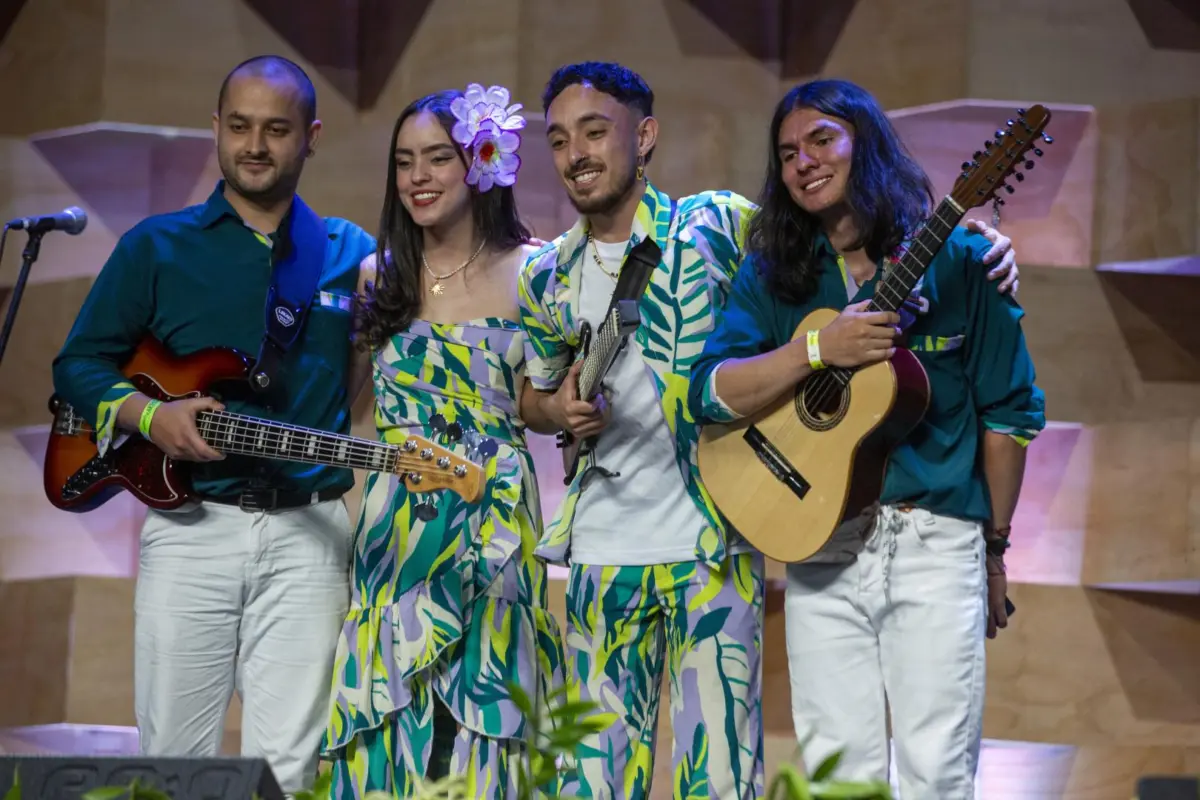
GINEBRA, VALLE DEL CAUCA — Nestled in the sun-drenched valleys of Colombia’s Andean region, the picturesque municipality of Ginebra has once again transformed into the beating heart of national folklore. The 52nd edition of the prestigious Festival de Música Andina Colombiana ‘Mono Núñez’ has officially reached its fever pitch, continuing its legacy as the country’s paramount stage for the promotion, preservation, and diffusion of traditional Andean music.
For several days, this vibrant town in Valle del Cauca has served as a melting pot of acoustic brilliance, bringing together the finest interpreters, composers, and ensembles dedicated to keeping one of Colombia’s most valuable cultural patrimonies alive. Following rigorous evaluations by a distinguished panel of judges, the festival has unveiled its official list of finalists, individual award winners, and recipients of coveted honors for unpublished works, celebrating a rich tapestry of regional identities from Bogotá, Boyacá, Caldas, Santander, Antioquia, Tolima, and Valle del Cauca.
Main Facts: The Pinnacle of Andean Musical Excellence
The Mono Núñez Festival is far more than a mere competition; it is a vital institution in Colombia’s cultural landscape. Every year, it draws the nation’s premier talents in instrumental performance and vocal interpretation, offering them a national platform to showcase the timeless beauty of bambucos, pasillos, torbellinos, and guabinas.
This year’s edition has lived up to its formidable reputation. The competition fierce, the artistry uncompromising, and the sheer breadth of regional representation underscored the vibrant health of Colombia’s musical roots. From virtuoso soloists to tight-knit ensembles and choral groups, the 52nd festival highlighted both the preservation of historical repertoires and the bold innovation of contemporary composers through its newly minted works categories.
The ultimate showdown features ten elite finalists competing for the Grand Prix (Gran Premio Mono Núñez), split evenly across instrumental and vocal modalities. Simultaneously, the festival recognized the exceptional dexterity of individual instrumentalists on traditional Andean instruments—the tiple, bandola, requinto, and guitar—cementing Ginebra’s status as the global capital of Andean string music.
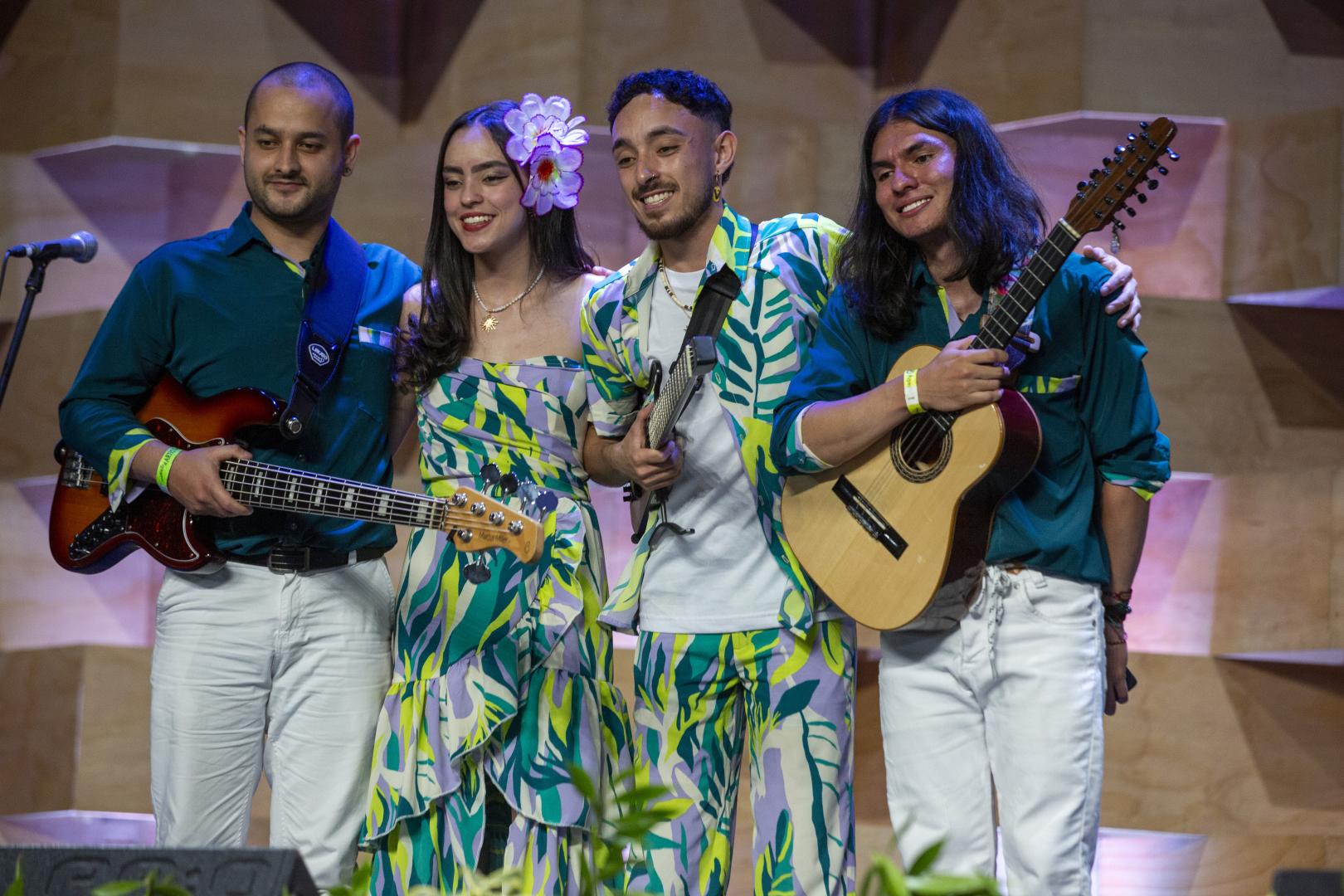
Chronology of the 52nd Edition: From Preliminaries to the Grand Stage
The trajectory of the 52nd Mono Núñez Festival followed a meticulous unfolding of artistic diplomacy, competitive rounds, and cultural celebrations:
- Phase I – The Gathering of the Regions: Days prior to the final verdicts, musicians, musicologists, and enthusiasts converged on Ginebra. Workshops, academic spaces, and informal tertulias set the stage, creating an environment where veteran masters and youth prodigies shared the same physical and creative space.
- Phase II – Eliminatories and Juror Deliberations: As the festival progressed, artists took to the main auditoriums to perform before the critical ears of the official judging panel. Every performance—ranging from delicate vocal interpretations to complex multi-instrumental arrangements—was scrutinized for technical precision, emotional resonance, and stylistic authenticity.
- Phase III – Announcement of the Finalists: Following rigorous deliberations, the jury published the definitive list of nominees vying for the Grand Prix in both vocal and instrumental categories, alongside the winners of the composition and instrumental performance awards.
- Phase IV – The Grand Finale and Gala: The culmination of the festival centers around the final competitive concerts, where finalists perform for the ultimate title, accompanied by special tributes to foundational figures of Colombian music, such as Maestro Oscar Hernández and Maestro León Cardona García.
Supporting Data: The Official Honor Roll of the 52nd Mono Núñez Festival
The exhaustive list of nominees and award recipients reflects the geographical diversity and extraordinary technical caliber of this year’s participants:
Nominees for the Grand Prix ‘Mono Núñez’
Instrumental Modality
- Cuarteto Caucalí – Bogotá
- Michael Pérez – Boyacá
- Coro de Clarinetes Universidad de Caldas – Caldas
- Cedral Trío – Santander
- Constelación Trío – Valle del Cauca
Vocal Modality
- Laura Alejandra Chaparro Nossa – Boyacá
- Dueto Prisma – Caldas
- María José Gallego Ríos – Caldas
- Mónica Adela Escobar Cardona – Quindío
- Rosa María Ocampo Martínez – Valle del Cauca
Winning Unpublished Works (Obras Inéditas)
Vocal Modality
- 1st Place:
- Work: "La buena Herencia" (Bambuco)
- Author, Composer, and Interpreter: Sebastián David Valdivieso Porras
- 2nd Place:
- Work: "No haces Falta" (Bambuco)
- Author and Composer: Santiago Patiño Herrera
- Interpreter: María José Restrepo Granados
- 3rd Place:
- Work: "Tú voz" (Pasillo)
- Author and Composer: Juan Diego Vejarano Moreno
- Interpreter: Julián Andrés Torres Valencia
Instrumental Modality
- 1st Place:
- Work: "Florescencia" (Pasillo)
- Composer and Interpreter: Daniel Andrés Garzón Rubiano
- 2nd Place:
- Work: "Refugio" (Bambuco)
- Composer: Germán Darío Pérez Salazar
- Interpreters: Sofía Pérez, Francisco Rivera, David Ocampo, and Germán D. Pérez
- 3rd Place:
- Work: "El Último Bambuco" (Bambuco)
- Composer: Javier Esteban Muñoz Enríquez
- Interpreter: Coro de Clarinetes Universidad de Caldas
Special Instrumental and Interpretive Awards
- Best Vocal Interpreter of the Tribute to Maestro Oscar Hernández, Monsalve and León Cardona García ("Diego Sinisterra Sánchez" Award):
- Mixtura Ensamble (Valle del Cauca) for their rendition of the bambuco "No abandones tu tierra."
- Best Instrumental Interpreter of a Work by Maestro León Cardona García ("Diego Sinisterra Sánchez" Award):
- Estudiantina Acuarela (Antioquia) for their performance of the pasillo "Jugando con 4 notas."
- Best Tiplista ("Pacho Benavides" Award):
- David Ocampo Ciro (Tolima)
- Best Bandolista ("Diego Estrada Montoya" Award):
- Maicol Parra (Bogotá), member of Capital Trío.
- Best Requintista ("Jorge Ariza Lindo" Award):
- Luis Arley Martínez Caballero (Santander), member of Cedral Trío.
- Best Guitarist ("Clemente Díaz" Award):
- Carlos Alberto Velásquez García (Valle del Cauca)
- Best Accompanying Guitarist (Award donated by Maestro Lucho Vergara):
- Gabriela Aedo (Valle del Cauca), accompanist for Rosa María Ocampo Martínez.
- Best Accompanying Tiplista:
- Edwin Castañeda (Santander), member of Cedral Trío.
- Special Mention:
- Ensamble Vocal Raíces for their exceptional instrumental and vocal arrangements.
Official Responses and Perspectives from the Cultural Sector
The resounding success of the 52nd Mono Núñez Festival has elicited profound reflections from organizers, cultural ministers, and participating artists alike. Speaking on the enduring vitality of the event, festival directors emphasized that the gathering is not merely a celebration of past glories, but a living laboratory for the future of Colombian music.
"When we look at the lineup this year—from young performers hailing from Caldas and Boyacá to veteran masters shaping new generations of requinto and tiple players—we realize that Andean music is not a relic preserved in a museum," noted a spokesperson for Funmúsica (the organization behind the festival). "It is a breathing, evolving language that speaks directly to the soul of contemporary Colombia."
Local authorities in Ginebra echoed these sentiments, pointing to the economic, social, and cultural dividends the festival yields for the municipality. By welcoming thousands of tourists, musicologists, and cultural tourists, Ginebra positions itself as a beacon of peace, hospitality, and artistic excellence in a department frequently overshadowed by external narratives of conflict.
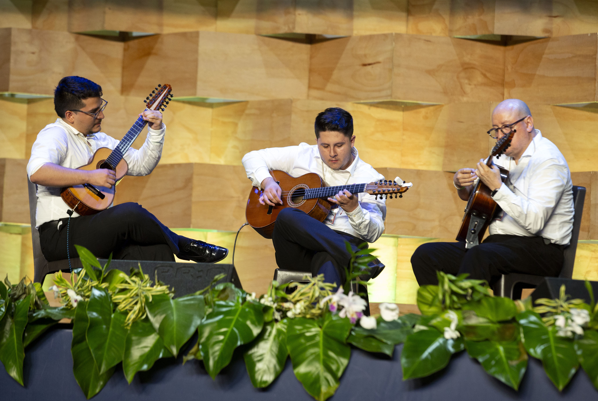
Furthermore, the integration of dedicated awards for accompanying instrumentalists—such as the Lucho Vergara award for guitar accompaniment and honors for tiplistas—reflects a progressive understanding within the jury that traditional Andean music relies fundamentally on ensemble synergy. Soloists do not exist in a vacuum; rather, they are propelled forward by the intricate counterpoint and rhythmic foundation provided by secondary and accompanying instruments.
Implications: Securing the Legacy for Generations to Come
The implications of the 52nd Mono Núñez Festival extend far beyond the transitory glow of this week’s awards ceremony. As traditional globalized pop culture exerts homogenizing pressures on local youth, platforms like the Mono Núñez provide a crucial counterweight.
- Intergenerational Transmission: The heavy presence of university ensembles—such as the Coro de Clarinetes de la Universidad de Caldas—and young soloists demonstrates that formal academic institutions are increasingly partnering with grassroots traditions to pass down complex performance techniques.
- Encouraging New Composition: By dedicating prominent categories to Obras Inéditas (unpublished works), the festival guarantees that the stylistic vocabulary of the bambuco and the pasillo remains dynamic. Composers like Sebastián David Valdivieso Porras and Daniel Andrés Garzón Rubiano are not just imitating the 19th- and 20th-century masters; they are expanding the harmonic and structural boundaries of Andean genres.
- Economic and Tourism Impact: For Ginebra and the broader Valle del Cauca region, the festival serves as a vital economic engine. Artisans, hoteliers, restaurateurs, and local service providers benefit directly from the cultural influx, proving that heritage conservation can drive sustainable regional development.
As the final notes fade over the Andean foothills and the winners of the Grand Prix step down from the stage, the 52nd Mono Núñez Festival leaves behind an indelible mark. It stands as a triumphant testament to the resilience of Colombia’s musical heritage—a vibrant reminder that as long as the tiple rings, the bandola weeps, and the bambuco beats in the chests of its youth, the cultural soul of the Andes will endure.



Leave a Reply