

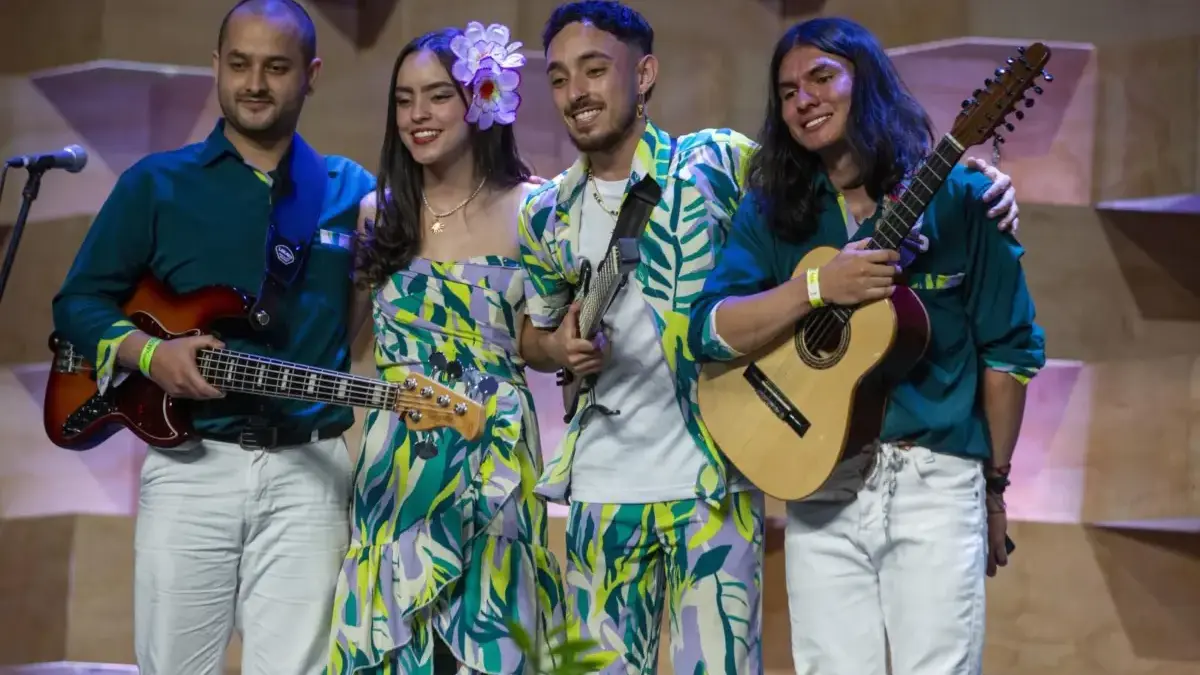
GINEBRA, COLOMBIA — In the heart of the picturesque Valle del Cauca department, the municipality of Ginebra once again transformed into the beating cultural heart of the nation. The 52nd edition of the prestigious Festival de Música Andina Colombiana ‘Mono Núñez’ reaffirmed its status as Colombia’s premier stage for the promotion, preservation, and celebration of traditional Andean music. For several days, this charming town welcomed the country’s finest interpreters, composers, and musical ensembles, creating a vibrant tapestry of sound that keeps one of South America’s most cherished cultural heritages vibrantly alive.
As the festival reached its climactic peak, the distinguished panel of judges revealed the finalists and awardees who stood out among a fierce national competition. Ranging from breathtaking instrumental arrangements to deeply moving vocal performances and visionary unpublished works, this year’s edition showcased a generational bridge where seasoned masters and emerging talents converge to redefine the boundaries of bambucos, pasillos, and traditional Andean rhythms.
Main Facts: The Pinnacle of Colombian Andean Heritage
The Mono Núñez Festival is far more than a mere musical competition; it is a vital institution of national identity. Named in honor of the iconic Antioquian bandola player Benigno "Mono" Núñez, the festival has served for over half a century as the definitive barometer for the health and evolution of Colombian Andean folk music.
This year’s edition brought together a stellar cohort of artists representing diverse regions, including Bogotá, Boyacá, Caldas, Santander, Tolima, Antioquia, Quindío, and the host department of Valle del Cauca. The stakes were exceptionally high as musicians vied for the coveted nomination for the Gran Premio Mono Núñez (Grand Prize), alongside specialized awards recognizing virtuosity in specific traditional instruments such as the tiple, bandola, requinto, and guitar.
The festival also emphasized the creation of new artistic material through its Obras Inéditas (Unpublished Works) categories, ensuring that the traditional canon is not merely preserved as a museum piece, but actively expanded by contemporary generation of composers.
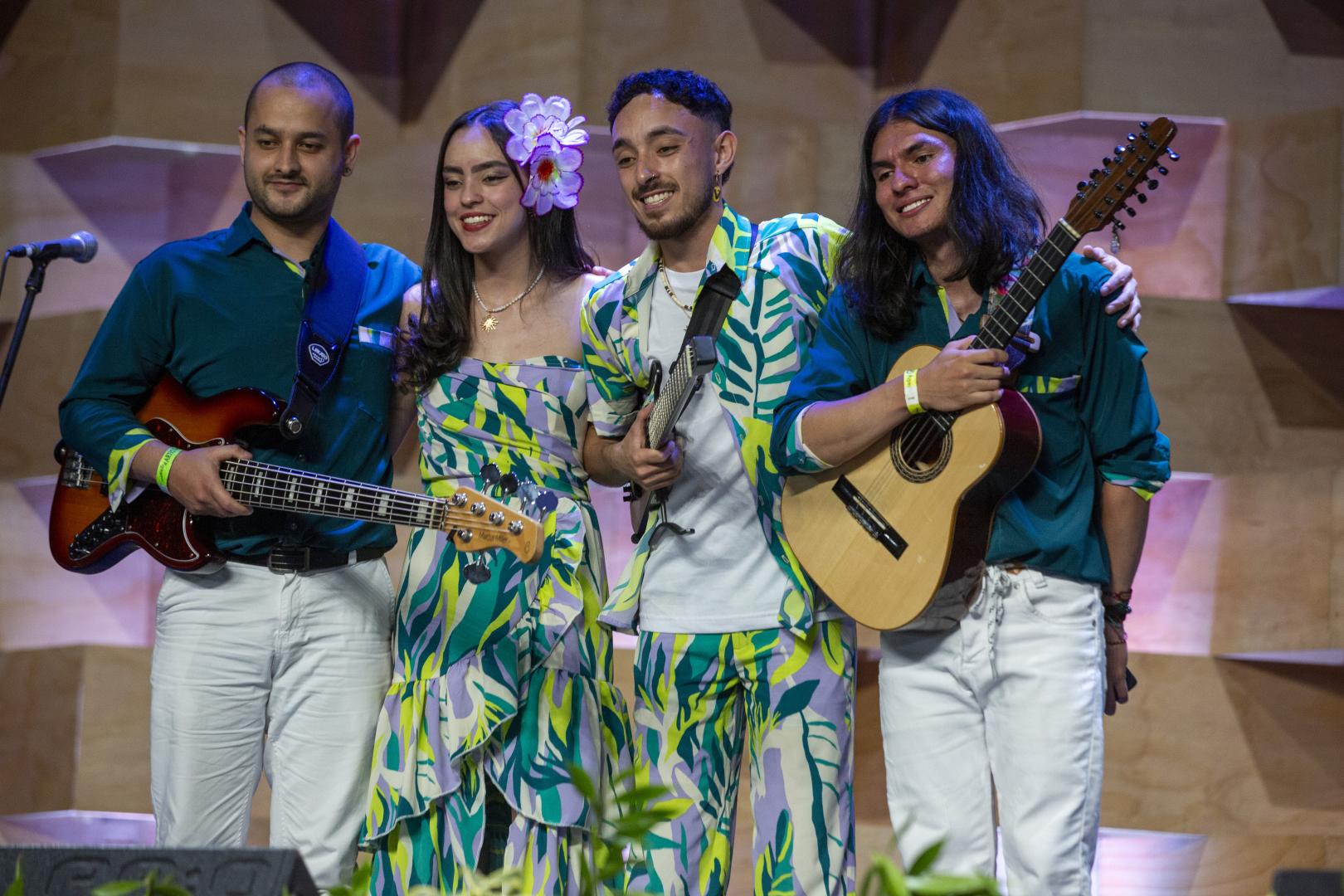
Chronology of a Cultural Milestone: From Prelude to the Grand Stage
The trajectory of the 52nd Mono Núñez Festival unfolded through a meticulously orchestrated series of events, drawing thousands of devotees, musicologists, and tourists to Ginebra.
- Arrival and Regional Showcases (Days 1–2): Delegations from across Colombia converged on Ginebra. The early days of the festival were marked by street performances, conciertos dialogados (dialogue concerts), and preliminary rounds. The atmosphere of the town transformed into an open-air conservatory, where impromptu jam sessions broke out on street corners and local cafes echoed with the plucked strings of tiples and guitars.
- The Preliminary Judging and Technical Trials (Days 3–4): The rigorous evaluation process kicked off behind closed doors and on the main auditorium stages. Jurors faced the daunting task of filtering through exceptionally high-caliber performances across instrumental, vocal, and compositional categories. Specialized awards for master instrumentalists—such as the "Pacho Benavides" Tiple Award and the "Jorge Ariza Lindo" Requinto Award—were fiercely contested during these technical showcases.
- The Unveiling of the Finalists (Day 5): The tension culminated in the official announcement of the nominees for the Grand Prize in both Instrumental and Vocal categories, alongside the winners of the unpublished composition contests and special tribute awards.
- The Grand Finale and Award Ceremony (The Final Night): The festival concluded with a sold-out gala where finalists took the stage for their ultimate performances, determining who would etch their names into the storied history of Colombian folk music.
Supporting Data: The 52nd Edition Honor Roll
The wealth of talent showcased at this year’s festival is best captured through its official list of nominees, winners, and special honorees:
Nominees for the Grand Prize "Mono Núñez" (Gran Premio Mono Núñez)
Instrumental Modality
- Cuarteto Caucalí – Bogotá
- Michael Pérez – Boyacá
- Coro de Clarinetes Universidad de Caldas – Caldas
- Cedral Trío – Santander
- Constelación Trío – Valle del Cauca
Vocal Modality
- Laura Alejandra Chaparro Nossa – Boyacá
- Dueto Prisma – Caldas
- María José Gallego Ríos – Caldas
- Mónica Adela Escobar Cardona – Quindío
- Rosa María Ocampo Martínez – Valle del Cauca
Winning Unpublished Works (Obras Inéditas)
Vocal Modality
- 1st Place: La Herencia (Bambuco)
- Author and Composer: Sebastián David Valdivieso Porras
- Interpreter: Sebastián David Valdivieso Porras
- 2nd Place: No haces Falta (Bambuco)
- Author and Composer: Santiago Patiño Herrera
- Interpreter: María José Restrepo Granados
- 3rd Place: Tú Voz (Pasillo)
- Author and Composer: Juan Diego Vejarano Moreno
- Interpreter: Julián Andrés Torres Valencia
Instrumental Modality
- 1st Place: Florescencia (Pasillo)
- Composer and Interpreter: Daniel Andrés Garzón Rubiano
- 2nd Place: Refugio (Bambuco)
- Composer: Germán Darío Pérez Salazar
- Interpreters: Sofía Pérez, Francisco Rivera, David Ocampo, and Germán D. Pérez
- 3rd Place: El Último Bambuco (Bambuco)
- Composer: Javier Esteban Muñoz Enríquez
- Interpreters: Coro de Clarinetes Universidad de Caldas
Special Instrumental and Interpretive Awards (Premios Especiales)
- Best Vocal Interpreter of the Tribute to Maestro Oscar Hernández Monsalve and León Cardona García (Diego Sinisterra Sánchez Award):
- Mixtura Ensamble (Valle del Cauca) for the work No abandones tu tierra (Bambuco).
- Best Instrumental Interpreter of a Work by Maestro León Cardona García (Diego Sinisterra Sánchez Award):
- Estudiantina Acuarela (Antioquia) for the work Jugando con 4 notas (Pasillo).
- Best Tiplista ("Pacho Benavides" Award):
- David Ocampo Ciro (Tolima)
- Best Bandolista ("Diego Estrada Montoya" Award):
- Maicol Parra (Bogotá), member of Capital Trío.
- Best Requintista ("Jorge Ariza Lindo" Award):
- Luis Arley Martínez Caballero (Santander), member of Cedral Trío.
- Best Guitarist ("Clemente Díaz" Award):
- Carlos Alberto Velásquez García (Valle del Cauca).
- Best Accompanying Guitarist (Maestro "Lucho Vergara" Award):
- Gabriela Aedo (Valle del Cauca), accompanying Rosa María Ocampo Martínez.
- Best Accompanying Tiplista:
- Edwin Castañeda (Santander), member of Cedral Trío.
- Special Mention:
- Ensamble Vocal Raíces for their exceptional instrumental and vocal arrangements.
Official Responses and Perspectives from the Cultural Sector
In official statements released throughout the week, organizers, local authorities, and cultural ministers emphasized the resilience and vital importance of the festival in an era dominated by globalized commercial pop genres.
Dr. Hernán Ramírez, spokesperson for the organizing committee (Funmúsica), underscored the meticulous dedication required to keep the festival thriving amid modern economic pressures. "The Mono Núñez Festival is not merely an event on a calendar; it is a cultural sanctuary," Ramírez stated during the opening addresses. "Every year, we witness young musicians picking up the tiple and the bandola not out of a sense of obligation, but out of a profound passion for their roots. The quality of the unpublished works presented this year proves that Colombian Andean music is a living, breathing language that continues to evolve without losing its soul."
Local municipal leaders in Ginebra similarly praised the community’s involvement, noting that the festival serves as a cornerstone for regional tourism and economic vitality. Hoteliers, restaurateurs, and local artisans reported a significant surge in visitors, proving that cultural preservation can simultaneously drive sustainable regional development.
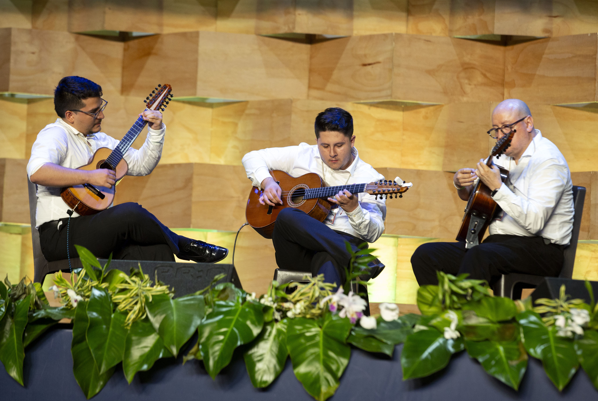
Furthermore, members of the judging panel lauded the technical prowess of the younger generation. Maestro Camilo García, a veteran composer and juror, remarked, "The level of execution we witnessed in modalities like the tiple and the requinto surpasses what we saw a decade ago. Young artists are studying traditional forms with academic rigor while injecting a fresh, contemporary emotional resonance."
Implications: Securing the Future of Andean Traditions for Generations to Come
The successful execution of the 52nd Mono Núñez Festival carries profound implications for the broader cultural landscape of Colombia. At a time when digital streaming algorithms often homogenize global listening habits, events like the festival in Ginebra act as critical bulwarks against cultural erasure.
- Intergenerational Transmission: By honoring legendary figures such as Oscar Hernández Monsalve and León Cardona García while simultaneously awarding cutting-edge young performers like Maicol Parra and Daniel Andrés Garzón Rubiano, the festival explicitly validates the passing of the torch. Younger musicians see a viable, respected artistic pathway within traditional genres.
- Encouraging New Composition: The robust participation in the Obras Inéditas categories ensures that the folkloric repertoire does not stagnate. By commissioning and rewarding fresh bambucos and pasillos, the festival directly stimulates the creative economy of national composers, giving birth to tomorrow’s classics.
- Regional Integration and National Identity: Bringing together artists from diverse departments—from the Andean peaks of Boyacá and Santander to the valleys of Antioquia and Valle del Cauca—reinforces a shared national identity through artistic expression. It highlights the rich internal diversity of Colombia, proving that unity can be forged through cultural celebration.
As the lights dimmed on the 52nd edition in Ginebra and the echoes of tiples, bandolas, and soaring vocal harmonies faded into the Andean night, the message was unmistakably clear: the music of the mountains is not only surviving the modern age—it is thriving, resonating, and inspiring a proud new chapter in Colombia’s cultural history.


Leave a Reply