

By Global Home & Lifestyle Desk
Published: June 2026
Introduction
For millions of people scrolling through social media, the weekend laundry routine is no longer just a chore; it is an aesthetic ritual. On Instagram and TikTok, home organization and cleaning influencers have transformed the weekly wash into a masterclass of natural ingredients, precise sorting, and specialized additives. Among the most popular recommendations for achieving hotel-quality, bright-white sheets are swapping commercial fabric softeners for white vinegar, boosting detergents with baking soda, and utilizing percarbonate to combat yellowing.
However, a closer look at these viral trends reveals a significant gap between aesthetic laundry practices and true microbiological hygiene. While these eco-friendly methods excel at stripping away detergent buildup, neutralizing everyday odors, and restoring fabric softness, experts emphasize that a sheet that smells clean and looks bright is not necessarily free of dust mites, bacteria, and allergens.
To bridge the gap between social media advice and hard science, we examine the consensus among cleaning experts, sleep specialists, and chemical engineers regarding how—and how often—we should be washing our bed linens.
Main Facts: The Viral Laundry Blueprint vs. Scientific Reality
The internet’s favorite laundry hack relies on a triumvirate of natural products: white vinegar, baking soda, and sodium percarbonate. Prominent cleaning creators have popularized specific protocols for deploying these ingredients to protect fabrics while maintaining brightness.
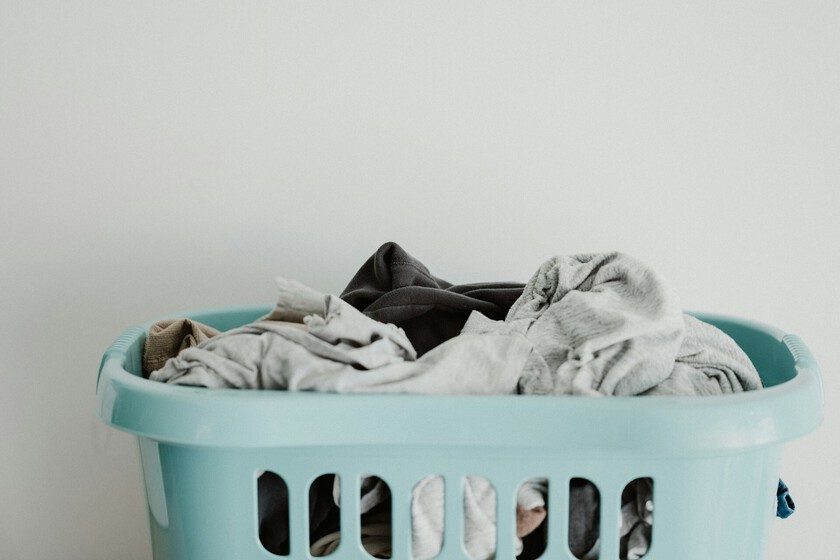
The Breakdown of Popular Cleaning Methods
- The Bicarbonate and Vinegar Separation: Influencers like Paula Seitón champion a strict spatial separation of products. Rather than mixing them directly in the wash—which causes a neutralization reaction—she adds roughly 30 grams of baking soda directly into the washing machine drum to tackle embedded odors, while pouring cleaning vinegar into the fabric softener compartment to soften the fibers.
- Percarbonate for Whitening: For white sheets that have slowly turned a dull gray over time, cleaning expert Pía Nieto advocates for the use of sodium percarbonate. Known for its powerful bleaching properties without the harshness of chlorine, percarbonate is added directly to the drum alongside the standard detergent. Nieto also stresses the importance of inspecting sheets and pillowcases on both sides before washing, paying special attention to stubborn makeup and facial cream residues on pillowcases.
- The Problem with Mixing Baking Soda and Vinegar: Chemistry experts have repeatedly stepped in to correct a common misconception found in viral videos. According to chemical engineer Diego Fernández, mixing baking soda and vinegar together in an attempt to clean is the chemical equivalent of "combining Superman with kryptonite." Because one is a base and the other is an acid, they instantly neutralize each other. The resulting fizz is simply carbon dioxide, not a sign of lifted dirt. Creators who successfully use both ingredients do so by ensuring they never interact inside the dispenser at the same time. Furthermore, experts warn that frequent use of concentrated acids in large quantities can degrade the rubber gaskets and seals of washing machines over time.
Chronology: The Evolution of Bedding Recommendations
The conversation surrounding bedding hygiene has evolved drastically over the last two decades, shifting from purely aesthetic concerns (color preservation and softness) to deep health and allergy management.
- May 2007 (The Temperature Wake-Up Call): A landmark study from South Korea, presented at the American Thoracic Society’s international conference and highlighted by consumer reports, shattered common washing assumptions. The study revealed that washing clothes at 30°C and 40°C (86°F–104°F) eliminated a mere 6.2% to 6.5% of dust mites. Only when temperatures reached 60°C (140°F) were 100% of the dust mites eradicated.
- July 2024 (The Sleep Expert Consensus): Dr. Lindsay Browning, a sleep psychologist and neuroscientist, reinforced standard public health timelines in insights published by health platform Vitónica. She recommended washing bed linens once a week—or at least every two weeks—to prevent dust mites from feeding on the millions of dead skin cells humans shed every night.
- January 2026 (The Rise of Structured Sunday Routines): Viral cleaning trends peaked as creators mapped out precise weekend regimes. Outlets like Directo al Paladar spotlighted structured routines featuring warm-water cycles, dedicated stain checks, and air-drying methods designed to eliminate damp odors without commercial additives.
- March 2026 (Consumer Validation): The prominent British consumer organization Which? published updated bedding care guidelines, reiterating that sheets, pillowcases, and duvet covers must be washed weekly for the vast majority of households, while emphasizing strict temperature controls based on fabric composition.
- May 2026 (The Chemical Reality Check): Technical warnings regarding chemical interactions went mainstream. Outlets like Xataka Home amplified warnings from chemical engineers regarding the misuse of vinegar on washing machine rubber seals and the chemical neutralization that occurs when combining acids and bases in the wash cycle.
Supporting Data: Frequency, Temperatures, and Fabric Exceptions
Understanding the metrics behind laundry care helps prevent premature wear and tear while safeguarding health. The following data points highlight optimal practices according to international consumer and health bodies:
| Parameter | Recommended Standard | Scientific / Expert Rationale |
|---|---|---|
| Washing Frequency | Every 4 to 7 days | Skin cells, sweat, bodily fluids, and cosmetics accumulate rapidly, creating a breeding ground for fungi, bacteria, and dust mites. |
| High-Risk Groups | Every 3 to 4 days (or more) | Individuals with severe allergies, asthma, or night-sweating tendencies require more frequent laundering to keep allergen loads manageable. |
| Thermal Eradication | 60°C (140°F) | Essential for destroying 100% of dust mites and harmful bacteria. Lower temperatures (30°C–40°C) only eliminate up to ~6.5% of dust mites. |
| Drying Method | Outdoor sun-drying or high-heat tumbling | Ultraviolet rays from sunlight and thorough heat drying prevent lingering humidity and reduce musty microbial odors. |
| Fabric Exceptions | Gentle wash / 30°C (86°F) | Delicate textiles like silk or specialty synthetics require low temperatures and mild detergents to prevent permanent structural fiber damage. |
Official Responses and Expert Insights
The intersection of viral cleaning trends and scientific testing has prompted clear directives from consumer watchdogs, medical professionals, and allergy foundations.
1. The Medical Perspective on Dust Mites and Allergens
Medical experts note that while aesthetic cleanliness keeps a home looking pristine, invisible allergens pose a far greater threat to human health. According to guidelines from Allergy UK and regional public health advisories (such as recommendations from the Basque Government on mite management), simply washing sheets in cold water with eco-friendly vinegar is insufficient for allergy sufferers.
- "Patients suffering from asthma or perennial rhinitis cannot rely on low-temperature washes," medical authorities advise. "Thermal disinfection at 60°C or higher is non-negotiable for reducing domestic allergen triggers."
- Furthermore, sleep hygiene experts like Dr. Lindsay Browning point out that the average human sweats roughly 200 to 500 milliliters of fluid every single night, alongside shedding millions of microscopic skin flakes. This mixture transforms an unwashed bed into a micro-ecosystem within days.
2. Consumer Protection Findings
The British consumer association Which? regularly tests washing machines, detergents, and laundry methodologies. Their findings strongly caution against the modern cultural push toward ultra-low-temperature washing for all loads. While washing at 20°C or 30°C saves energy—a vital consideration for household utility bills—it fails to sanitize bedding effectively.
- Which? recommends striking a balance: reserve energy-saving cold cycles for lightly worn daily clothing, but commit to high-temperature cycles for bed linens, towels, and undergarments whenever fabric care labels permit.
Implications: Building a Better, Healthier Laundry Routine
What does this mean for the everyday consumer standing in front of their washing machine on a Sunday afternoon? It means that the viral advice found on Instagram is largely correct regarding fabric maintenance, but incomplete regarding pathogen and allergen control.
To achieve sheets that are both aesthetically pristine and genuinely hygienic, households should adopt a hybrid approach:
- Embrace Natural Additives Wisely: Use white vinegar in the softener compartment to strip away built-up chemical residues from commercial softeners that trap body oils. Use baking soda in the drum to neutralize stubborn body odors, but ensure you never mix acidic vinegar and basic baking soda directly together in a closed container.
- Respect the 60°C Rule: Do not fall into the trap of doing all your laundry in cold water. Designate at least one hot water cycle per week for your bed sheets to kill dust mites and bacteria, checking care labels beforehand to protect delicate items like silk.
- Maintain the Surrounding Sleep Environment: As Gastón Williams and other organization experts advise, cleaning the sheets is only half the battle. Whenever you strip the bed, take the opportunity to thoroughly vacuum and air out the mattress. Wash your pillows periodically on a gentle spin cycle (around 800 RPM) to keep them from clumping.
- Prioritize Natural Drying: Whenever weather permits, line-drying sheets outdoors exposes them to natural UV rays and fresh air, eliminating lingering moisture and preventing the musty smells that trap people in endless cycles of re-washing.
By combining the clever stain-fighting and softening tricks of modern cleaning creators with the rigorous temperature and frequency guidelines of medical science, households can enjoy beds that look, smell, and—most importantly—are deeply clean.




Leave a Reply