

By Global Lifestyle & Wellness Desk
Published: July 2024
Main Facts
As summer tourism shifts away from crowded mega-cities toward serene landscapes, rural retreats, and uncharted natural trails, travelers are redefining their vacation priorities. The modern holiday is no longer just about lounging by a pool; it is increasingly defined by exploration on foot—hiking through hidden mountain passes, strolling across cobblestone village streets, and clocking in miles of daily steps.
To meet this growing demand for active tourism, footwear engineering has had to evolve. Walking long distances on uneven terrain requires specialized support that traditional lifestyle sneakers simply cannot provide. Entering this seasonal market with significant technological backing, sportswear giant Nike has introduced key footwear models aimed at optimizing both comfort and performance.
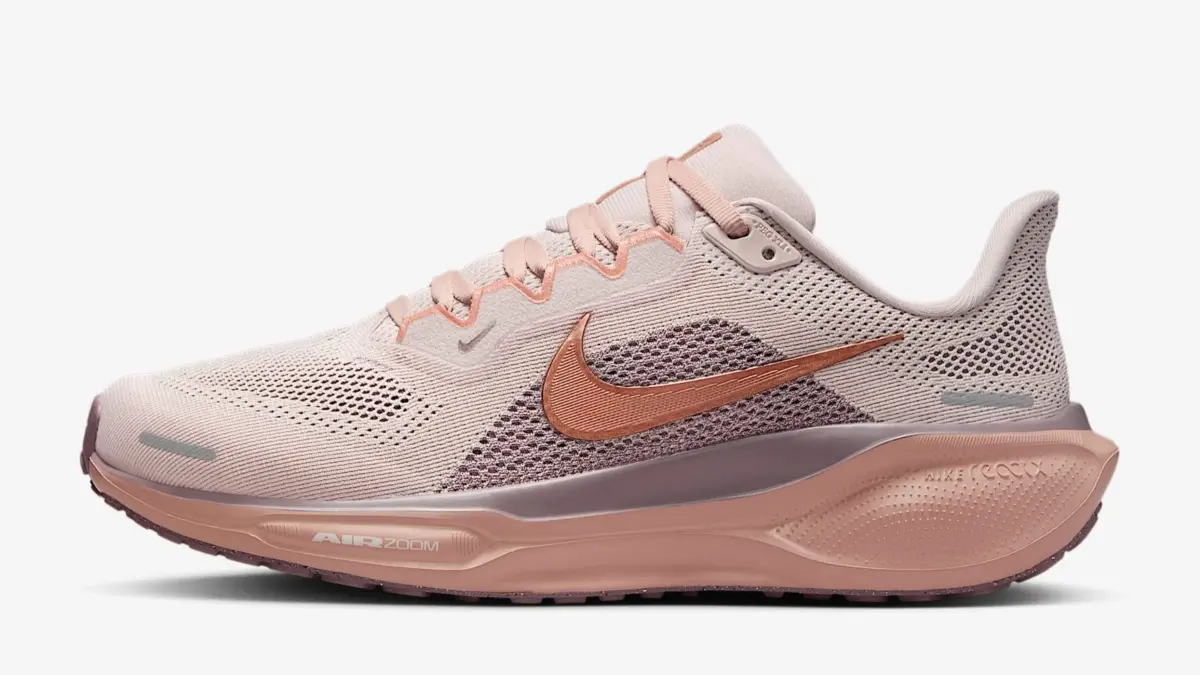
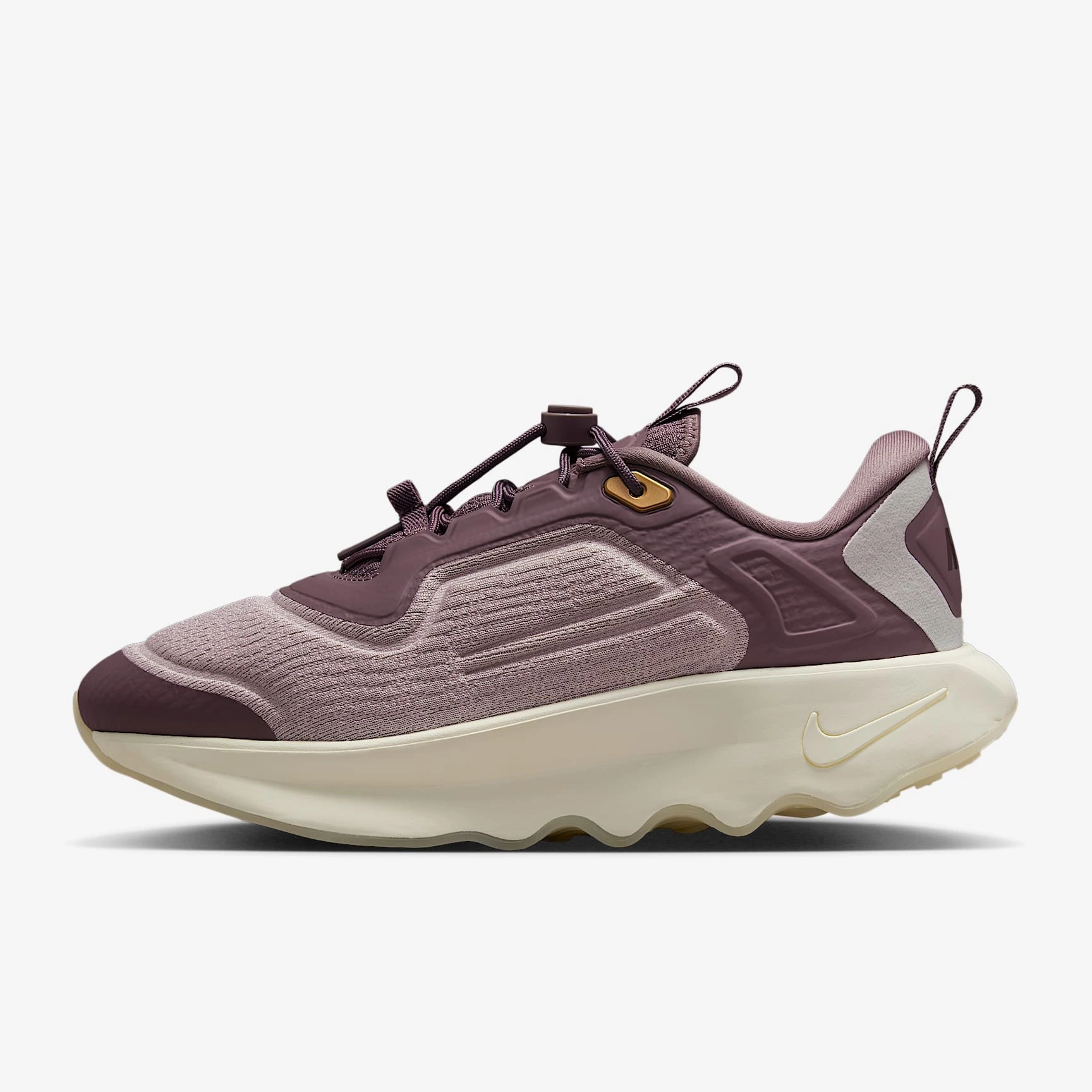
At the forefront of this trend are the Nike Motiva SP, a specialized women’s walking shoe engineered to elevate comfort to unprecedented levels, and the Nike Pegasus 41, designed for those looking to transition from walking to running during their travels. Currently featured heavily in seasonal retail promotions, these models represent a convergence of biomechanical research, consumer-friendly design, and modern athletic aesthetics.

Key highlights of the current market offering include:
- The Nike Motiva SP: Engineered specifically for walking enthusiasts, featuring an innovative clip-closure lacing system, a rocker-sole geometry, and Comfortgroove foam technology. Currently discounted during Nike’s seasonal sales event from €129.99 to €84.49.
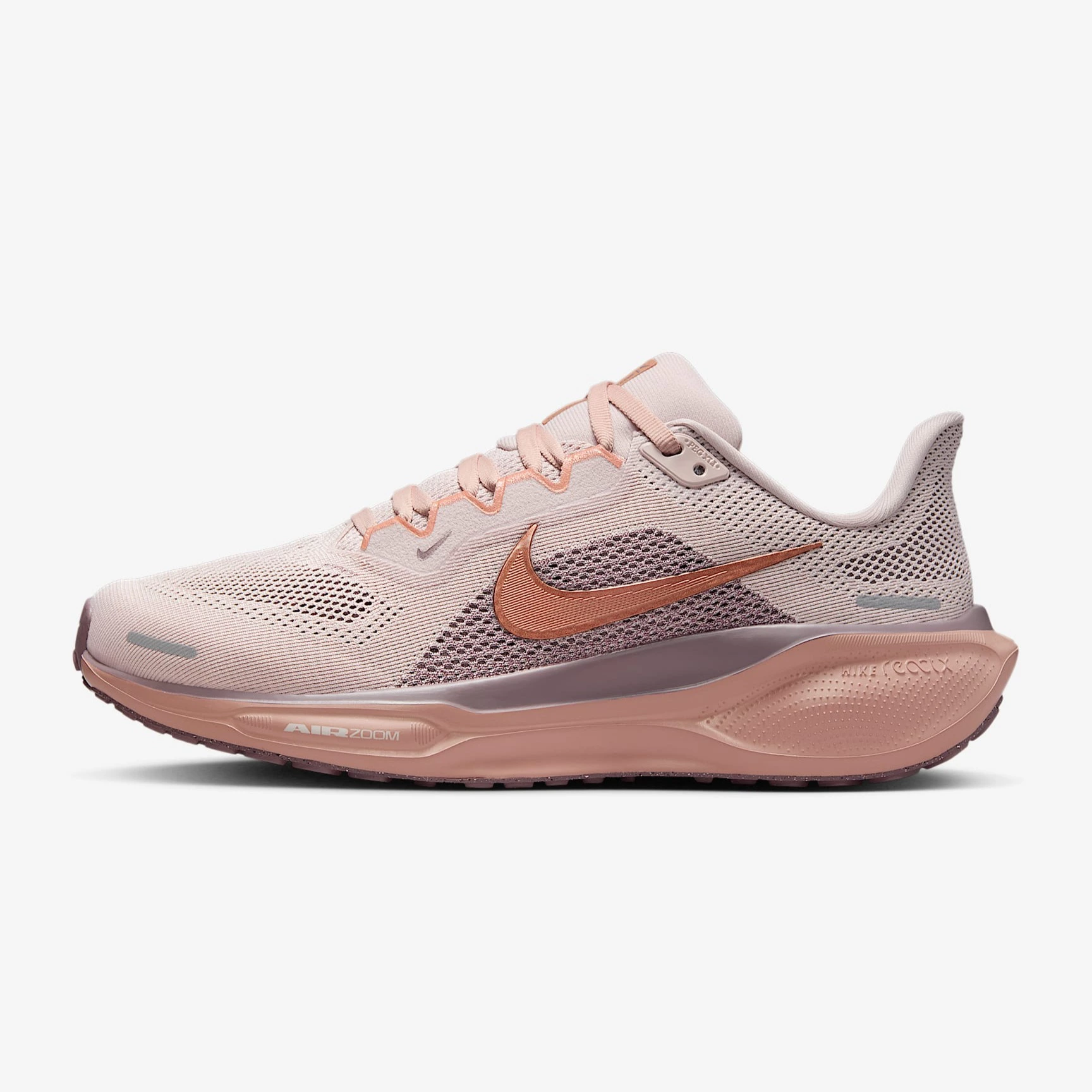
- The Nike Pegasus 41: Tailored for road runners and active travelers looking to pick up the pace, featuring dual Air Zoom cushioning and ReactX foam midsoles, priced at €139.99.
- The Tourism Shift: An industry-wide pivot toward "slow travel" and active outdoor exploration, which has triggered a surge in demand for high-performance, ergonomic travel footwear.
Chronology of Active Tourism and Footwear Evolution
To understand why specialized walking shoes like the Nike Motiva SP are dominating current retail conversations, it is essential to examine the evolution of active travel and athletic footwear technology over the past decade.
Phase 1: The Rise of "Slow Travel" and Walking Culture (2018–2021)
In the years leading up to the global health crisis, tourism metrics began showing a subtle shift. Travelers were growing fatigued by fast-paced, checklist-driven city tours. Instead, concepts like "slow travel," rural tourism, and eco-hiking gained immense traction. However, the footwear market lagged behind this shift. Most consumers relied either on heavy, rigid hiking boots or flat, unsupportive lifestyle sneakers for long walks, leading to high rates of foot fatigue, blisters, and joint pain during holidays.
Phase 2: Post-Pandemic Outdoor Boom (2022–2023)
Following widespread lockdowns, public enthusiasm for nature, national parks, and rural exploration skyrocketed. Walking emerged as the primary form of exercise and leisure for millions. Sports brands quickly realized that walking is distinct from running; it involves a different strike pattern, lower impact forces, and longer ground-contact times. This realization spurred research and development departments to design shoes dedicated exclusively to walking, rather than treating walking shoes as cast-off running models.
Phase 3: The Innovation and Sales Cycle (Summer 2024)
By the summer of 2024, the market was flooded with options, but technical innovations began to set leading brands apart. Nike introduced the Motiva line, focusing heavily on rocker soles and impact absorption. By mid-summer, major promotional sales slashed prices on these high-end models, making advanced biomechanical footwear accessible to everyday travelers navigating cobblestones, dirt paths, and coastal trails.
Supporting Data: Biomechanics, Pricing, and Market Availability
Advanced footwear is no longer just about aesthetics; it is a product of rigorous biomechanical data. Analyzing the technical specifications of the Nike Motiva SP and Nike Pegasus 41 reveals why these models are capturing significant market share.
Technical Breakdown: Nike Motiva SP
Designed specifically for the female anatomy and gait cycle during extended walks, the Motiva SP incorporates several data-backed features:
- Upper Construction: Durable synthetic fabrics reinforced at critical high-wear points, specifically the heel and toe box, ensuring longevity on rough outdoor surfaces.
- The Clip-Closure Lacing System: Departing from traditional fabric laces, this model introduces an innovative clip mechanism that allows users to secure and adjust their footwear swiftly—a feature highly valued by travelers on the move.
- Rocker-Sole Geometry: The curved outsole design is scientifically proven to facilitate a smoother heel-to-toe transition, reducing the muscular effort required with each step.
- Comfortgroove Foam: An innovative foam compound integrated into the sole designed to absorb high-impact shocks, protecting joints during hours of walking on hard pavement or stone.
- Modified Fit: The forefoot, arch, and toe box areas have been intentionally widened to accommodate natural foot swelling during long walks, offering a balance of structural stability and moderate flexibility.
- Sizing and Pricing: Available in EU sizes 36 to 44, featuring colorways such as greyish-white. Originally retailed at €129.99, it has dropped to €84.49 during seasonal promotional events.
Technical Breakdown: Nike Pegasus 41
For travelers looking to incorporate morning jogs or high-intensity fitness routines into their holiday itineraries, the Pegasus 41 offers a step up in velocity:
- Cushioning Technology: Features a dual Air Zoom unit combined with a responsive ReactX foam midsole, delivering a higher energy return than previous iterations.
- Upper and Fit: Breathable engineered mesh upper in striking pink colorways, paired with a low-padded collar and reinforced toe box for durability.
- Sizing and Pricing: Available in sizes 35.5 to 44.5, retailing at €139.99.
Official Responses and Industry Insights
Footwear designers, podiatrists, and travel experts have weighed in on the changing landscape of holiday footwear, emphasizing that what travelers put on their feet directly dictates the quality of their experience.
Dr. Elena Vance, a sports podiatrist specializing in tourist-related lower-limb injuries, explains the physiological demands of summer travel:
"When people travel to small villages or natural reserves, they drastically underestimate the cumulative impact of walking 15,000 to 20,000 steps on hard, uneven surfaces like cobblestones, gravel, and packed earth. Standard fashion sneakers lack torsional stability and shock absorption. Over a week-long vacation, this leads to plantar fasciitis, tendonitis, and severe fatigue. Footwear with rocker geometries and specialized foam—such as the technologies we are seeing in current walking-specific shoes—fundamentally alters load distribution and protects the joints."
Industry analysts from leading athletic retail groups note that promotional cycles in mid-summer are strategic. Retailers capitalize on the peak travel season to introduce consumers to premium technical gear at lower price points.

A spokesperson for Nike’s design division commented on the philosophy behind the Motiva line:
"We recognized that walking is the most common form of physical activity globally, yet for decades, it was underserved by dedicated footwear engineering. With the Motiva SP, our goal was to remove every friction point—from complicated lacing systems to hard impact landings—allowing the wearer to focus entirely on their surroundings rather than their feet."
Implications for Travelers and the Retail Market
The intersection of active tourism and advanced footwear engineering carries significant implications for both consumers and the broader retail economy.
1. Enhanced Travel Experiences through Ergonomics
For the average vacationer, investing in specialized walking footwear translates directly to enhanced endurance and enjoyment. Being able to explore a medieval village or hike a coastal trail without the distraction of aching arches or blisters redefines the travel experience. It encourages a deeper engagement with the destination, aligning with the principles of slow, mindful tourism.
2. Shift in Consumer Spending Habits
The popularity of discounted technical footwear during seasonal sales indicates a more pragmatic consumer base. Travelers are increasingly willing to invest in health-conscious, durable products when value is demonstrated through technological innovation. Rather than buying multiple pairs of cheap, disposable fashion sneakers, consumers are opting for single, high-performance investments designed to last across multiple seasons and vacations.
3. Future Trends in Athleisure and Tourism Gear
As tourism demographics continue to skew toward wellness and outdoor exploration, sportswear brands are expected to blur the lines between high-performance athletic gear and lifestyle aesthetics even further. Shoes that perform like running or walking trainers but blend seamlessly with casual travel wardrobes will likely dominate the market in the coming years.
Note: Pricing and availability of the featured items are subject to change based on promotional periods and stock levels. Affiliate links within associated retail networks may generate commissions for publishing partners.




Leave a Reply