

By Global Culture Desk
Published: September 22
1. Main Facts
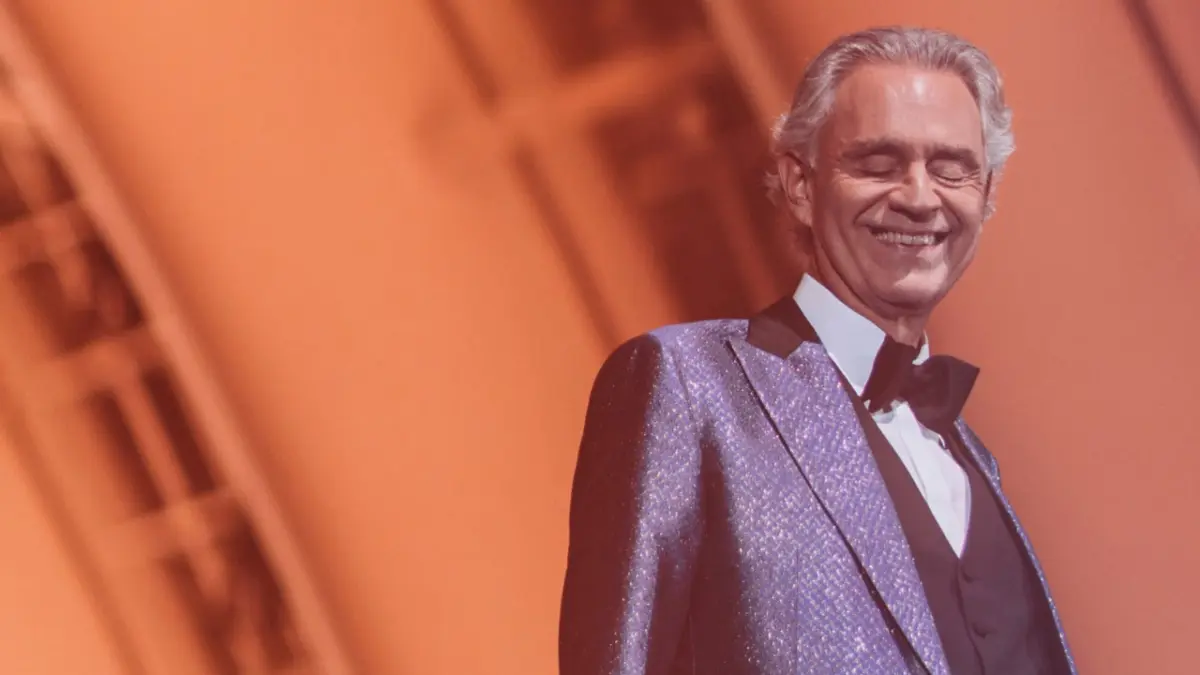
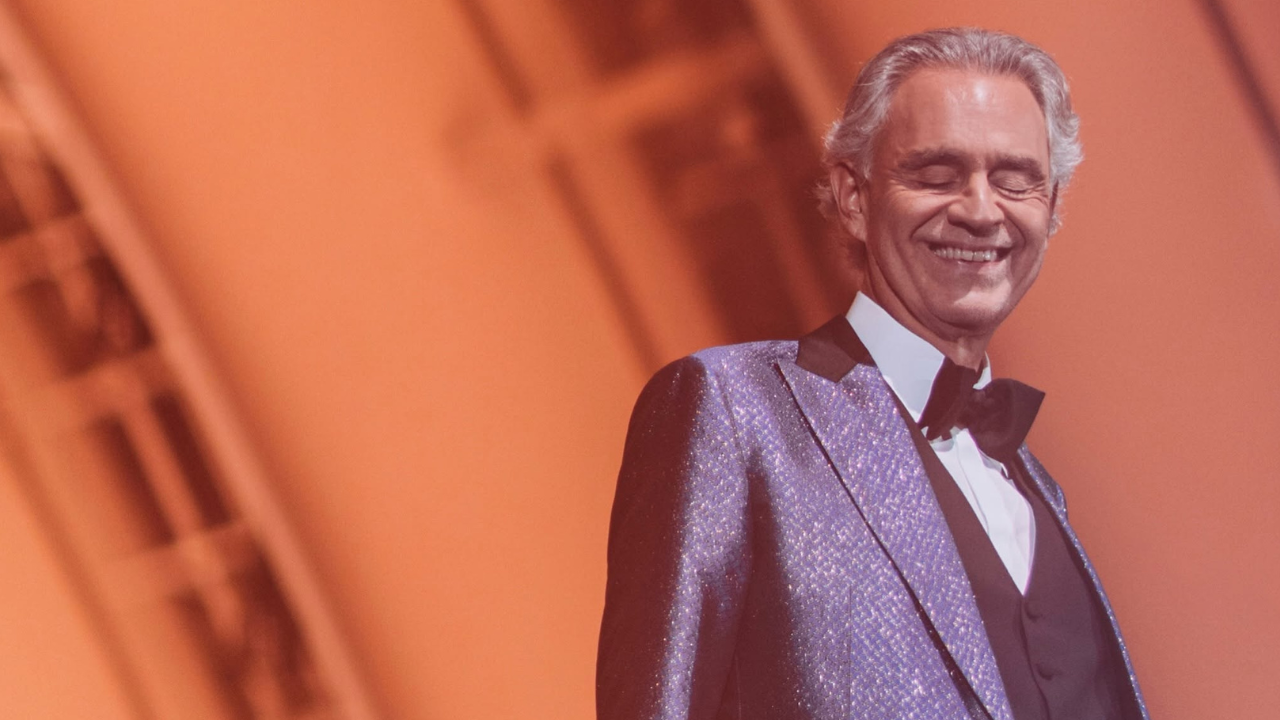
On September 22, the world celebrates the 68th birthday of Andrea Bocelli, the iconic Italian tenor whose soaring vocals, emotive delivery, and extraordinary life story have made him a towering figure in both classical and contemporary music. Born in 1958 in Lajatico, a picturesque rural village in the heart of Tuscany, Italy, Bocelli has spent decades captivating millions across the globe. Despite being diagnosed with congenital glaucoma in infancy—a degenerative condition that progressively impaired his eyesight before leaving him completely blind at the age of 12 following a sports accident—Bocelli refused to let physical adversity define his artistic potential.
Over a legendary career spanning more than thirty years, Bocelli has sold over 90 million records worldwide, making him the most successful classical solo artist in music history. His distinct ability to bridge the gap between grand opera and accessible pop crossover hits has earned him prestigious international accolades, including multiple Grammy and Latin Grammy nominations, a star on the Hollywood Walk of Fame, and performances before US presidents, popes, and monarchs. Yet, beyond the multi-platinum albums and sold-out stadiums, Bocelli’s enduring legacy lies in his resilience, his unmatched vocal technique, and an inspiring narrative of human triumph over adversity.
2. Chronology: From the Tuscan Countryside to Global Stardom
To understand the magnitude of Andrea Bocelli’s artistry, one must retrace a remarkable timeline marked by early hardship, rigorous academic pursuit, unexpected mentorship, and a meteoric rise to global prominence.
The Formative Years (1958–1970)
- 1958: Andrea Bocelli is born on September 22 in Lajatico, Tuscany, growing up on his family’s farm in the nearby rural area of La Sterza. From birth, he exhibits signs of congenital glaucoma, sparking a childhood characterized by frequent medical treatments and surgeries.
- 1964 (Age 6): Demonstrating an early, profound affinity for sound, Bocelli begins formal piano lessons. This foundational training opens the door to a broader musical education; over the years, he masters the flute, saxophone, trumpet, trombone, guitar, and drums.
- The Turning Point in Vocal Arts: Music transforms from a hobby into an obsession when his nanny, Oriana, gifts him a record featuring the legendary Italian tenor Franco Corelli. Captivated, young Andrea begins memorizing operatic pieces. By age seven, he can effortlessly recognize the voices of premier vocalists of the era, actively imitating greats such as Enrico Caruso, Giacomo Lauri-Volpi, and Aureliano Pertile.
- 1970 (Age 12): Tragedy strikes when Bocelli suffers a severe blow to the head from a football during a match at school. The resulting trauma accelerates his glaucoma complications, plunging him into permanent, total darkness. Rather than retreating into despair, he channels his focus further into his education and music.
Academic Pursuit and Musical Apprenticeship (1970–1990)
- Early 1980s: Balances his deep-seated passion for the arts with rigorous academic expectations. Upon completing secondary school, he enrolls at the University of Pisa to study Law, ultimately earning his degree and practicing briefly as a court-appointed lawyer.
- Vocal Training under Corelli: While navigating his legal studies, Bocelli finances his life by playing piano in local piano bars at night. Crucially, he manages to study under his childhood idol, Franco Corelli, who recognizes the young man’s rare natural timber and encourages his transition into serious operatic training. These nocturnal performances and intimate lessons build the stage confidence and technical mastery that would soon propel him to international renown.
The Breakthrough and Global Ascendancy (1990–Present)
- 1992: Italian rock star Zucchero Fornaciari holds auditions for tenors to record a demo of the song "Miserere," intended for Luciano Pavarotti. Bocelli’s tape reaches Zucchero, who is profoundly moved. Pavarotti himself listens to the demo and remarks, "There is no better voice than this." This opens doors for Bocelli to tour with Zucchero across Europe.
- 1994: Bocelli achieves his official commercial breakthrough by winning the prestigious Sanremo Music Festival in the "Newcomers" section, performing "Il mare calmo della sera." His debut studio album of the same name becomes an instant hit in Italy.
- 1995–1999: Releases landmark crossover albums, including Bocelli (1995) and Romanza (1997), which features the worldwide phenomenon "Con te partirò." Collaborations with international superstars like Sarah Brightman ("Time to Say Goodbye") and Céline Dion ("The Prayer") cement his status as a household name across continents.
- 2000s–Present: Continues to break records, release chart-topping classical and pop albums (such as Amore and Sì), perform for historic global events, and mentor the next generation of artists—most notably his son, Matteo Bocelli.
3. Supporting Data: Five Definitive Songs That Shaped a Career
While Bocelli’s discography is vast, comprising traditional opera recordings, sacred music, and pop-infused masterworks, five specific tracks encapsulate the evolution, versatility, and emotional resonance of his artistic journey.
1. "Time to Say Goodbye" ("Con te partirò") — 1996
Originally performed solo at the 1995 Sanremo Music Festival, the song was transformed into a global juggernaut when English soprano Sarah Brightman invited Bocelli to record an English-Italian bilingual version renamed "Time to Say Goodbye." Serving as a farewell theme for German boxer Henry Maske, the single shattered European sales records, selling over 12 million copies worldwide and standing as one of the best-selling physical singles of all time.
2. "Vivo per lei" — 1995
Recorded initially as a duet with Italian pop star Giorgia for Bocelli’s album Bocelli, "Vivo per lei" ("I Live for Her") serves as a poetic tribute to music itself. The song’s universal appeal led Bocelli to re-record it across international markets with various prominent female artists—including Marta Sánchez in Spain, Hélène Ségara in France, and Sandy Leah Lima in Brazil—radically expanding his footprint in the Latin and Francophone markets.
3. "The Prayer" (with Céline Dion) — 1999
Originally recorded separately by Bocelli and Céline Dion for the animated film Quest for Camelot, the two vocal powerhouses united to record a breathtaking duet version. "The Prayer" won the Golden Globe Award for Best Original Song, received an Academy Award nomination, and was nominated for a Grammy Award. To this day, their live renditions remain touchstones of modern vocal performance.
4. "Fall on Me" (with Matteo Bocelli) — 2018
Marking a deeply personal milestone, Bocelli shared the microphone with his son, Matteo, for the first time on the track "Fall on Me," featured on the chart-topping album Sì. The emotional ballad, which explores themes of parental guidance, love, and generational legacy, resonated deeply with audiences and showcased the seamless transfer of vocal DNA, establishing Matteo as an artist in his own right.
5. "Somos Novios" ("It’s Impossible") — 2006
Written originally by Mexican composer Armando Manzanero in 1968, this classic bolero gained English-language fame through artists like Perry Como and Elvis Presley. In 2006, Bocelli breathed brilliant new life into the composition by recording a bilingual duet with pop icon Christina Aguilera for his romantic crossover album Amore. The track demonstrated Bocelli’s deep affinity for Latin American rhythm and romantic storytelling.
4. Official Responses and Industry Tributes
As Andrea Bocelli marks his 68th birthday, cultural institutions, fellow artists, and international leaders have issued statements honoring his monumental contribution to global culture.
- The Italian Ministry of Culture released a formal commendation noting: "Andrea Bocelli is not merely an extraordinary tenor; he is a cultural ambassador of Italy. His voice carries the warmth, depth, and beauty of our homeland to the farthest corners of the earth, embodying the resilience and creative spirit of the Italian people."
- Céline Dion, reflecting on their long-standing artistic partnership, shared in a retrospective interview: "When you sing with Andrea, you aren’t just singing with a voice; you are singing with a force of nature and a heart that feels every single note before it even leaves his lips. He teaches the world what it truly means to listen."
- The Recording Academy (Grammys) highlighted his genre-defying impact: "Andrea Bocelli proved that classical music does not belong behind velvet ropes. By embracing pop sensibilities without ever compromising his formidable operatic technique, he expanded the boundaries of what a classical artist could achieve in the modern commercial landscape."
5. Implications: A Living Legacy and Cultural Blueprint
The milestone of Andrea Bocelli’s 68th birthday invites deeper reflection on the broader implications of his career for the music industry, disability advocacy, and international cultural exchange.
Redefining Classical Crossover
Before Bocelli’s mainstream ascendancy in the mid-1990s, the wall separating high-art opera from popular music was rigidly maintained. Bocelli, alongside contemporaries like Pavarotti, systematically dismantled that barrier. By proving that operatic timber could coexist with accessible pop arrangements and bilingual lyricism, he laid the commercial groundwork for the modern classical crossover genre, opening doors for subsequent generations of crossover artists, vocal groups, and instrumentalists to achieve stadium-scale popularity.
A Paradigm Shift in Disability Representation
Bocelli’s status as a global icon has had profound implications for disability visibility. Rather than allowing his blindness to be framed exclusively through a lens of tragedy or limitation, public discourse surrounding Bocelli consistently centers on his profound agency, technical mastery, and athletic vocal stamina. By refusing to let his impairment sideline him—whether he is riding horses across his Tuscan estate, piloting boats, or commanding international stages without a physical score—Bocelli offers a powerful blueprint for disability representation: one defined by excellence, autonomy, and universal human connection.
Preserving the Art of the Voice in a Digital Era
In an era dominated by auto-tune, algorithmic track curation, and heavily produced pop formats, Bocelli’s enduring popularity stands as a testament to the irreplaceable power of raw, unamplified human emotion translated through disciplined vocal technique. As he enters his late sixties, his ongoing tours, mentorship of young talent (including his children), and philanthropic efforts through the Andrea Bocelli Foundation ensure that his legacy extends far beyond recorded media.
Andrea Bocelli at 68 is more than a celebrated historical figure; he remains a vibrant, evolving presence in contemporary music—a living testament to the fact that true art transcends physical sight, speaking directly to the soul.

Leave a Reply