Bogota, Colombia — In a metropolis traditionally defined by its sprawling, informal dirt soccer pitches and utilitarian concrete slabs designated for indoor soccer, basketball, and volleyball, the urban landscape is undergoing a radical paradigm shift. Underneath the shadow of a sprawling vehicular overpass at the intersection of Calle 63 and Avenida Boyacá, the District Administration has unveiled a pioneering recreational and sports complex. This ambitious project introduces Bogota’s very first public padel court, signaling a modern evolution in how major Latin American cities conceptualize, reclaim, and activate residual urban spaces.
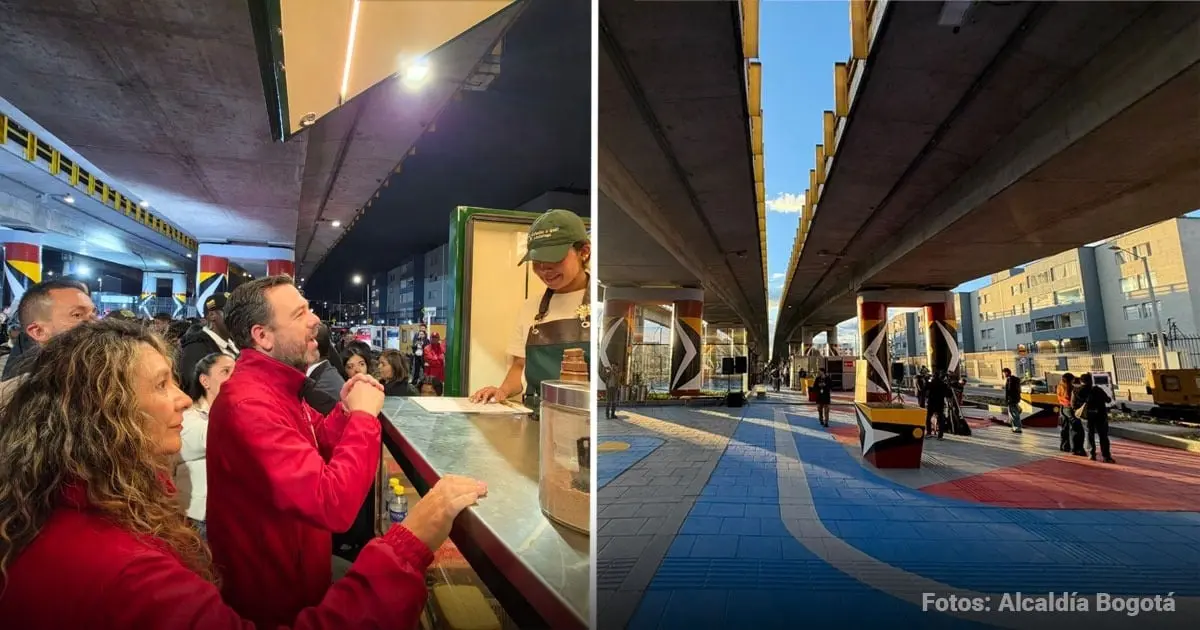
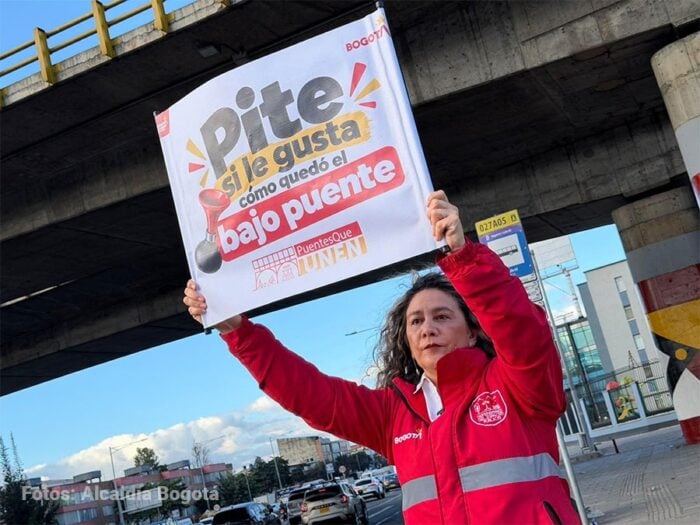
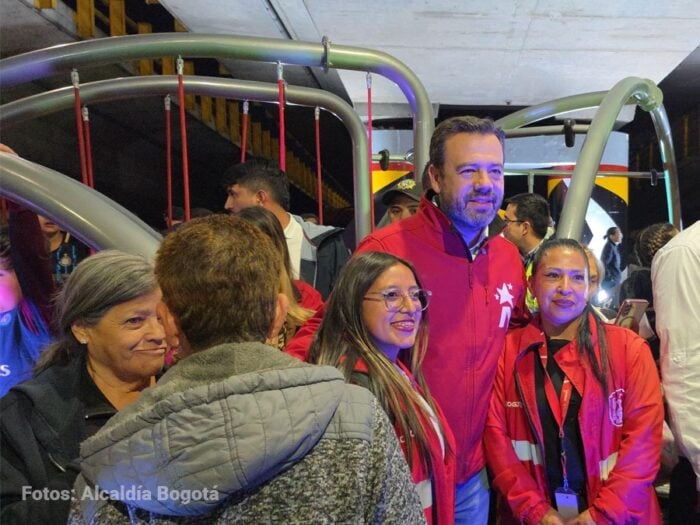
Spearheaded by the current administration of Mayor Carlos Fernando Galán through the Departmental Administrative Unit for the Defense of Public Space (DADEP) and its innovative "Bridges That Unite" (Puentes que Unen) strategy, this transformation has converted a historically neglected, dimly lit, and underutilized asphalt expanse into a vibrant community hub. Spanning an impressive 4,300 square meters of recovered public land, the newly minted complex not only features the headline-grabbing padel court but also integrates a modern children’s playground, an outdoor gymnasium, bicycle parking infrastructure, designated dining areas, and structured commercial modules.
Designed to directly benefit more than half a million residents across surrounding neighborhoods such as Normandía, La Cabaña, La Estrada, and La Estradita in the locality of Engativá, this project represents a concerted effort to weave safer, healthier, and more inclusive social fabrics into the dense fabric of Colombia’s capital city.
Main Facts: A New Benchmark for Public Space Utilization
The inauguration of the Calle 63 and Avenida Boyacá under-bridge complex marks a watershed moment in urban renewal policy for Bogota. For decades, the structural voids beneath the city’s vast network of vehicular overpasses were synonymous with decay, poor illumination, accumulation of waste, and heightened security risks. Often appropriated by informal settlements or left abandoned, these zones represented lost opportunities for urban integration.
The intervention under the Boyacá bridge fundamentally alters this dynamic by offering free, high-quality recreational, athletic, and commercial amenities. At the core of the project is the public padel court—a racket sport historically associated with private clubs and affluent demographics, now democratized and made accessible to the general public. Surrounding the court, the 4,300-square-meter footprint has been meticulously planned to accommodate diverse demographics:
Athletic Infrastructure: The state-of-the-art padel court alongside a fully equipped outdoor fitness gym.
Family and Youth Zones: A modern, safe children’s playground designed to foster early childhood development and family engagement.
Active Mobility Support: Dedicated bicicleteros (bicycle parking stations) encouraging multi-modal transportation and cycling culture.
Commerce and Gastronomy: Specialized food and retail modules designed to stimulate local micro-economies and provide passive surveillance through active commercial presence.
Urban Furniture and Lighting: Comprehensive upgrades to local illumination, decorative bollards, pedestrian benches, and structural posts to ensure round-the-clock safety.
Chronology: From Abandoned Overpass to Modern Recreational Hub
The realization of the Calle 63 project is the culmination of a systematic, multi-agency planning and execution process undertaken by the District Administration.
Phase 1: Diagnosis and Municipal Mapping
Recognizing the untapped potential of Bogota’s massive road infrastructure—which counts 625 vehicular bridges across its urban perimeter—the leadership of DADEP, under the direction of Lucia Bastidas, initiated a comprehensive diagnostic evaluation. Out of hundreds of potential sites, an initial cohort of 67 under-bridge areas was prioritized for strategic intervention, focusing on zones with high pedestrian circulation, acute security challenges, and severe environmental degradation.
Phase 2: Inter-Institutional Coordination and Budget Allocation
Planning for the Engativá site began with a formalized partnership between city-level authorities and local administrative bodies. Financial structuring was established through a joint investment model:
Alcaldía Local de Engativá: Contributed COP $400 million.
Total Initial Investment: COP $1.381 billion.
Phase 3: Civil Works, Environmental Remediation, and Urban Design
Engineering and architectural teams commenced civil works focusing on structural cleaning, advanced LED lighting installation, paving, the construction of safety enclosures for the padel court, and the integration of commercial and recreational modules. Concurrently, social workers and local community leaders engaged neighboring communities to foster a sense of shared ownership.
Phase 4: Inauguration and Systematic Expansion
In a formal ribbon-cutting ceremony, Mayor Carlos Fernando Galán, DADEP Director Lucia Bastidas, and Engativá Local Mayor Victor Huertas officially handed the completed space over to the community. This milestone represents the third successful under-bridge transformation delivered by the current administration, following earlier completions at Calle 45 with Carrera 30 and the NQS Avenue with Calle 53.
Supporting Data: Financial Commitment and Structural Scaling
The metrics underlying Bogota’s under-bridge reclamation strategy underscore the magnitude of the municipal government’s commitment to public space equity.
Total Project Cost: COP $1.381 billion invested in the Calle 63 site alone.
Beneficiary Population: Over 500,000 residents within the direct zone of influence in the Engativá locality.
Physical Footprint: 4,300 square meters of reclaimed, activated urban land.
Programmatic Target: The delivery of the Calle 63 site brings the total number of fully rehabilitated under-bridges to three. However, the overarching municipal roadmap established by Mayor Galán’s administration mandates the successful completion and delivery of 18 additional under-bridge spaces before the conclusion of 2026.
City-Wide Potential: With 625 vehicular bridges inventoried across Bogota, the current initiative represents the foundational phase of a broader urban acupuncture strategy aimed at systematically eliminating dark, insecure spaces and converting them into localized engines of community well-being.
Official Responses and Perspectives
During the inauguration ceremony, municipal leaders emphasized the profound social and security implications of reclaiming infrastructural leftovers for public use.
Mayor Carlos Fernando Galán addressed the gathered community, framing the project not merely as a construction initiative, but as a direct challenge to urban decay and spatial inequality:
"Bogota is a city that has historically made immense efforts to provide sports and recreation, but we have often been limited by traditional frameworks. By looking up and transforming the spaces beneath our bridges, we are not just saving money on land acquisition; we are reclaiming territories that were once abandoned to insecurity and darkness, turning them into vibrant spaces where families, athletes, and citizens can meet, exercise, and coexist safely."
Lucia Bastidas, Director of DADEP, elaborated on the rigorous technical methodology driving the initiative:
"We conducted an exhaustive diagnosis of the 625 vehicular bridges in Bogota. We cannot allow these massive structural investments to act as dividers or security black holes within our neighborhoods. Our strategy—’Bridges That Unite’—is about stitching the city back together, one overpass at a time, ensuring that every square meter of public space serves a dignified, productive purpose for our citizens."
Victor Huertas, Local Mayor of Engativá, highlighted the immediate local impact:
"The neighborhoods of Normandía, La Cabaña, La Estrada, and La Estradita now have a world-class recreational facility right on their doorstep. This investment of $400 million from the local fund, combined with district resources, proves that when local and central governments align their visions, we can deliver unprecedented upgrades to our community’s quality of life."
Implications: Socio-Economic, Environmental, and Urbanistic Impacts
The successful delivery of the Calle 63 and Avenida Boyacá complex carries far-reaching implications for the future of urban development in Bogota and Latin America at large.
1. Enhanced Public Safety Through "Active Eyes"
Urban criminologists have long established that dark, vacant architectural voids act as catalysts for petty crime, illicit drug use, and spatial abandonment. By introducing high-intensity illumination, structured commercial kiosks, children’s play areas, and high-demand sporting facilities like a public padel court, the administration has ensured a continuous human presence. This strategy of "eyes on the street" naturally deters criminal behavior and enhances the objective and subjective safety of residents traversing the zone after dark.
2. Democratization of Elite Sports
Padel is globally recognized as a rapidly growing sport, yet its infrastructure is predominantly private, requiring costly club memberships or hourly court fees. By embedding the city’s first public padel court within a municipal park framework under a bridge, the District Administration has broken down economic barriers, allowing youth and adults from diverse socio-economic backgrounds to engage with a novel athletic discipline free of charge.
3. Micro-Economy Stimulation and Formalization
The inclusion of dedicated commercial and gastronomic modules provides structured opportunities for local vendors and small-scale entrepreneurs. Rather than leaving commercial activity to unregulated, informal encroachment, the project integrates commerce cleanly into the urban design, generating local employment and boosting the economic vitality of the immediate corridor.
4. A Scalable Blueprint for Metropolitan Resilience
As densification pressures mount in modern Latin American capitals, the scarcity of available land for new parks and community centers is a critical constraint. Bogota’s model of utilizing residual spaces beneath existing transportation infrastructure offers a highly efficient, cost-effective blueprint for urban resilience. By successfully scaling this initiative to 18 additional sites by 2026, the District is demonstrating that visionary urban management can successfully turn structural engineering relics into invaluable civic assets.






Leave a Reply