

RICHMOND, Va. — In the heart of the Mid-Atlantic, a high-stakes collision between booming digital infrastructure and aggressive environmental targets is forcing a historic policy reckoning. Virginia, long reliant on a conventional mix of natural gas and nuclear power, faces a staggering surge in electricity demand.
Driven largely by the rapid proliferation of energy-hungry data centers—particularly within the state’s infamous "Data Center Alley" in Northern Virginia—the state’s grid is under unprecedented strain. In response, state leadership has unveiled an ambitious, comprehensive energy roadmap designed to achieve net-zero emissions by 2050.
This comprehensive strategy introduces groundbreaking mandates: stringent energy generation accountability for major corporate consumers, sweeping integration of renewable energy sources, innovative demand-flexibility frameworks, and a firm cap on the hidden costs traditionally passed down to residential ratepayers.
Main Facts
The core of Virginia’s new energy strategy rests on reconciling two seemingly contradictory realities: a skyrocketing need for reliable electricity and a legally mandated transition toward a completely carbon-free grid.
- The Demand Driver: Northern Virginia hosts the densest concentration of data centers in the world, consuming massive amounts of power to support global cloud computing, artificial intelligence, and digital infrastructure. This surge threatens to derail previous state carbon-reduction timelines and spike utility bills for ordinary citizens.
- The Net-Zero 2050 Roadmap: Spearheaded by state leadership, including Governor Abigail Spanberger, the newly presented long-term energy plan establishes strict decarbonization checkpoints, culminating in a fully renewable supply mandate for major utilities like Dominion Energy and Appalachian Power by the 2045–2050 window.
- Demand Flexibility and Corporate Accountability: Rather than forcing residential consumers to subsidize or suffer the consequences of industrial grid strain, the policy requires heavy energy users—namely tech giants and data center operators—to adopt demand-response measures. During peak hours, these corporations must actively reduce consumption, utilize their own clean generation assets, or face strict regulatory penalties.
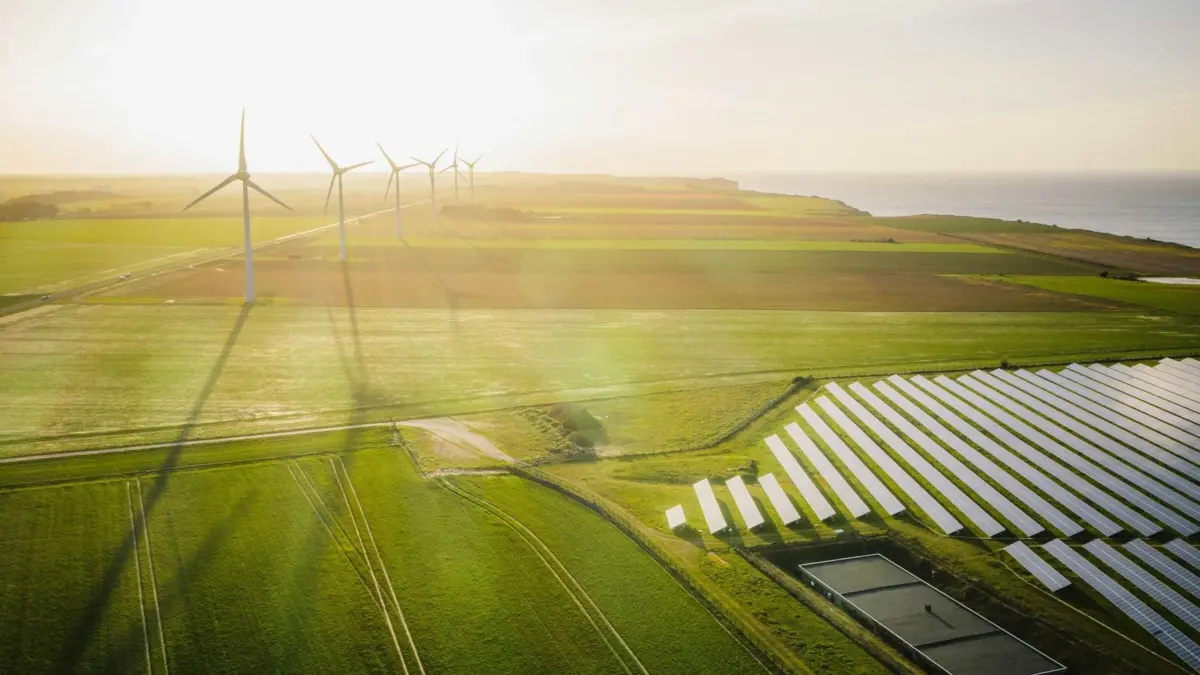
- The Technology Mix: To triple current energy supplies while cleaning the grid, the state is aggressively expanding solar installations, utility-scale battery energy storage systems (BESS), and virtual power plants (VPPs), all while balancing its existing baseload nuclear and natural gas assets during the transition period.
Chronology of the Crisis and Policy Shift
To understand how Virginia arrived at its current crossroads, it is necessary to examine the rapid escalation of digital infrastructure development alongside evolving state energy policy over the past decade.
Phase 1: The Rise of Data Center Alley (2010–2020)
For over a decade, Virginia actively courted the tech industry through favorable tax structures and robust fiber-optic connectivity. Loudoun County and surrounding jurisdictions became the global epicenter for data storage and processing. While this created a lucrative boon for local tax revenues and construction employment, it quietly set the stage for an impending infrastructural bottleneck. Energy demand began climbing at rates utilities had not anticipated in long-term forecasting models.
Phase 2: Grid Pressures and Ratepayer Pushback (2021–2023)
As artificial intelligence models and cloud services proliferated globally, data center footprints expanded exponentially. By the early 2020s, local utilities warned of impending capacity deficits. Environmental watchdogs and consumer advocacy groups raised alarms as electricity rates crept upward. Residents and small businesses found themselves footing a disproportionate share of the financial burden required to upgrade transmission lines and substations to feed corporate server farms.
Phase 3: The 2050 Net-Zero Roadmap Unveiled (Late 2023–Present)
Recognizing that voluntary corporate sustainability goals were insufficient to protect the grid or meet climate objectives, state leadership intervened. The unveiling of the comprehensive 2050 energy plan shifted the paradigm from passive encouragement to active legislative mandates. The framework established firm accountability metrics for major energy consumers, prioritized grid stability via storage and distributed energy resources, and laid out non-negotiable timelines for full decarbonization by mid-century.
Supporting Data and Technical Framework
Transitioning a major American state from conventional fossil and nuclear dominance to a flexible, renewable-heavy system requires immense capital deployment, technological innovation, and structural engineering.
Tripling the Supply Without Adding Carbon
According to energy planners, Virginia must roughly triple its total electricity generation capacity over the next two decades to accommodate both electrification trends (such as electric vehicles and heat pumps) and commercial tech growth. Accomplishing this exclusively through clean energy means overcoming major spatial and logistical hurdles:
- Utility-Scale Solar Expansion: Vast tracts of land—and increasingly, dual-use agrivoltaics and brownfield redevelopments—are slated for photovoltaic arrays.
- Battery Energy Storage Systems (BESS): Because solar and wind are intermittent, lithium-ion and emerging grid-scale storage technologies are designated as the ultimate stabilizing backstops. Storage prevents blackouts during peak demand windows while sparing the grid from firing up carbon-emitting peaking plants.
- Virtual Power Plants (VPPs): Aggregating decentralized energy assets, including rooftop solar panels, smart thermostats, and commercial backup batteries, allows the grid to draw on localized power pools dynamically.
The Economics of Demand Response
Traditional utility models dictate that when demand spikes, supply must immediately follow—often resulting in the costly, dirty activation of fossil-fuel peaker plants. Virginia’s new policy flips this script via demand flexibility.
Data centers, by nature of their operations, possess computational workloads that can sometimes be shifted across geographic regions or throttled during micro-windows of extreme grid stress. Under the new guidelines, these corporations must engineer their facilities to be responsive nodes within the broader energy ecosystem. This shifts the financial and operational burden away from the residential ratepayer and onto the entities driving the demand spikes.
Official Responses and Stakeholder Perspectives
The rollout of Virginia’s ambitious clean energy blueprint has triggered intense debate among lawmakers, environmental organizations, utility providers, and the technology sector.
Environmental Advocates: Cautious Optimism
Environmental coalitions across the state have largely praised the aggressive timeline toward 2050 and the direct acknowledgment of the strain caused by data centers. However, watchdogs emphasize that time is of the essence. Because Virginia’s current grid relies heavily on natural gas and nuclear energy, green groups argue that intermediate milestones must be fiercely monitored to prevent backsliding.
“The recognition that data centers cannot be allowed to grow unchecked at the expense of our climate goals is a massive step forward,” noted one regional environmental analyst. “Now, the focus must shift to immediate, uncompromised deployment of renewables and strict enforcement of demand-response rules.”
Utilities and Regulators: Managing the Transition
Major regional electricity providers, including Dominion Energy and Appalachian Power, face the monumental task of redesigning infrastructure investment portfolios to meet the 2045–2050 all-renewable mandates. Utility representatives have emphasized the necessity of maintaining system reliability throughout the transformation.
Grid operators point out that while the zero-emissions goal is achievable, it requires unprecedented coordination between local planning commissions, transmission organizations, and the state legislature to ensure that supply chain bottlenecks for transformers, cables, and storage materials do not compromise system integrity.
The Tech Sector: Adaptation and Innovation
Representatives for the data center industry have expressed a willingness to collaborate with state officials, noting that many major technology firms already maintain internal commitments to 100% renewable energy procurement. However, compliance with mandatory demand-flexibility frameworks and restrictions on carbon-based backup generation will require significant capital reinvestment in on-site microgrids, advanced cooling efficiencies, and innovative power-purchase agreements (PPAs).
Broader Implications for Virginia and Beyond
Virginia’s legislative and regulatory experiment serves as a bellwether for the rest of the United States. As digital transformation, artificial intelligence expansion, and industrial electrification accelerate nationwide, states with high concentrations of technology infrastructure are discovering that traditional energy markets are no longer fit for purpose.
Economic Opportunity and Green Jobs
Proponents of the state’s new energy plan emphasize that the transition is not merely a regulatory constraint, but an economic catalyst. By incentivizing solar development, battery manufacturing, grid modernization, and smart-building engineering, Virginia stands to position itself as a national leader in the clean energy economy. The framework is projected to foster thousands of sustainable, high-paying jobs across rural and urban counties alike.
Protecting the Everyday Ratepayer
Perhaps the most politically resonant aspect of the policy is its focus on equity. By decoupling residential electricity costs from the hyper-inflationary demands of industrial server farms, the state is taking a stand on energy justice. Families and small businesses should not bear the fiscal or environmental cost of the digital revolution.
A Blueprint for the Future
As Virginia marches toward its 2050 net-zero horizon, the world will be watching. The state’s ability to successfully balance the insatiable energy demands of the modern digital economy with rigorous environmental stewardship will provide a critical blueprint for regional grids worldwide facing the exact same pressures. Through swift legislative action, enforceable corporate accountability, and an unwavering commitment to clean energy, Virginia is proving that growth and sustainability do not have to be mutually exclusive—provided the rules of the grid are rewritten for the twenty-first century.


Leave a Reply