

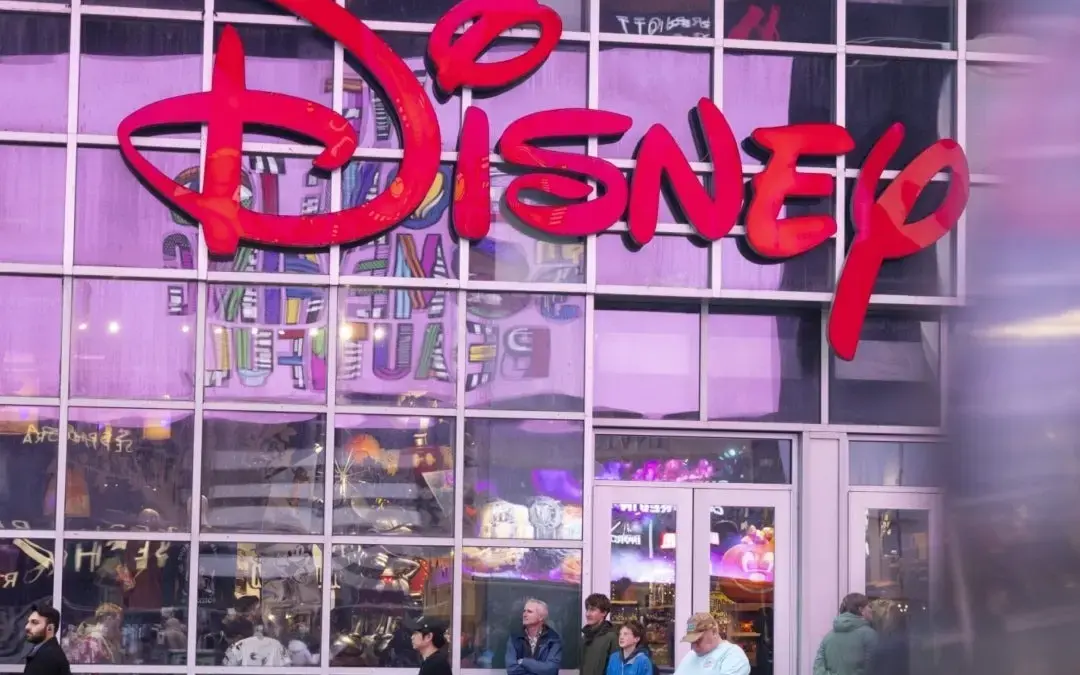
LOS ANGELES — The Walt Disney Company has initiated a fresh wave of workforce reductions, impacting several hundred employees across multiple corporate divisions, including human resources and information technology. The cuts signal a continuing period of structural and operational transition for the global entertainment giant as it seeks to adapt to profound disruptions in the media landscape.
The layoffs, first reported by Variety citing sources familiar with the matter, arrive during a sensitive transitional era for the company. Disney is navigating a complex matrix of technological disruption, fluctuating box office performances, aggressive competition within the direct-to-consumer streaming sector, and recent high-level executive changes.
While the exact toll varies by department, the latest reductions underscore the ongoing pressure on legacy media conglomerates to streamline operations, reduce overhead, and reallocate capital toward profitable growth areas. As of the close of its 2025 fiscal year, Disney reported a total global headcount of approximately 231,000 employees, with roughly 172,000 based in the United States and 59,000 internationally.
Representatives for The Walt Disney Company did not immediately respond to requests for comment from major news outlets regarding the scale or specific timelines of the current layoffs.
Main Facts: The Scope and Targets of the Recent Cuts
The latest round of reductions is not confined to a single department, reflecting a broad corporate strategy aimed at trimming administrative and infrastructural weight. According to industry insiders, the layoffs heavily target corporate support functions—specifically human resources and information technology infrastructure—rather than the creative or on-screen talent engines of the studio.
- Targeted Departments: Human Resources, Information Technology (IT), and administrative support functions.
- Scale: Several hundred employees globally, though a precise total has not been officially disclosed by corporate communications.
- Context: The reductions follow a pattern of targeted workforce adjustments implemented over the past three years as Disney continuously evaluates its operational efficiency.
The restructuring comes at a time when major entertainment companies are heavily scrutinized by Wall Street regarding their operating margins. As traditional television bundles continue to bleed subscribers to digital alternatives, and as theatrical releases face unpredictable consumer demand, corporate leadership is increasingly turning to structural optimization to protect its bottom line.
Chronology of Restructuring: From Iger’s 2023 Mandate to the D’Amaro Era
To fully understand the current workforce reductions, it is necessary to examine the timeline of Disney’s aggressive cost-cutting measures over recent years.
1. The 2023 Mega-Cuts under Bob Iger
The modern era of Disney’s aggressive downsizing began in earnest in early 2023. Under the direction of returning Chief Executive Officer Bob Iger, the company announced a sweeping plan to eliminate approximately 7,000 jobs. This initiative was explicitly designed to slash $5.5 billion in structural costs across the enterprise. The 2023 cuts were distributed across three primary divisions: Disney Entertainment, Disney Parks, Experiences and Products, and ESPN, effectively dismantling several legacy operational units and forcing cross-departmental synergies.
2. The 2024–2025 Marketing and Studio Adjustments
The contraction continued into subsequent fiscal years. In April of the following year, Disney eliminated roughly 1,000 positions within its newly reorganized marketing group—which had undergone a major structural overhaul just months prior in January. These cuts extended across the company’s vast portfolio, impacting film and television businesses, ESPN, consumer products, technology units, and corporate functions.
Additional layoffs occurred throughout the year, affecting several hundred workers in specialized areas such as television marketing, advertising sales, and talent casting and development.
3. Leadership Transition in 2026: Josh D’Amaro and Paul Roeder
The narrative shifted significantly in March of the current year when Josh D’Amaro assumed the role of executive president. D’Amaro’s ascent to the upper echelons of corporate leadership marked a pivotal turning point, ushering in a new wave of high-level management realignment.
Among the notable appointments following D’Amaro’s elevation was Paul Roeder, a company veteran with 25 years of experience within Disney, who was named director of communications. This leadership shakeup signaled a fresh strategic vision designed to guide the conglomerate through its next evolutionary phase, though it has simultaneously brought internal turbulence and ongoing operational uncertainty for rank-and-file employees.
Supporting Data: Workforce Demographics and Financial Pressures
The sheer scale of The Walt Disney Company makes any percentage-based workforce reduction a massive undertaking.
- Total Global Workforce: At the conclusion of the 2025 fiscal year, Disney’s global payroll stood at approximately 231,000 individuals.
- Geographic Distribution: Of that total, roughly 172,000 employees are stationed within the United States, while the remaining 59,000 operate internationally, primarily supporting the company’s massive resort, parks, and international distribution networks.
- The Cost-Savings Imperative: The cumulative impact of the 2023 restructuring ($5.5 billion in targeted savings) set a precedent for continuous margin improvement. Subsequent layoffs in marketing, IT, and HR indicate that corporate leadership views operational streamlining not as a one-time event, but as an ongoing baseline requirement for modern media management.
Macroeconomic and Industry Drivers
Disney’s ongoing personnel adjustments are emblematic of a broader reckoning across the entertainment sector. Traditional media companies are caught in a multi-front war:
- The Streaming Transition: While Disney+ and Hulu have made strides toward consistent profitability, the transition from high-margin cable television revenues to digital subscription models has compressed overall financial returns.
- Box Office Volatility: Global theatrical revenue has struggled to return with predictable consistency to pre-pandemic highs, forcing studios to rely heavily on proven intellectual property while reining in ballooning production budgets.
- Technological Disruption: The rapid integration of artificial intelligence and automated data processing tools is transforming how studios handle marketing, IT support, and administrative workflows, directly impacting headcount requirements in non-creative sectors.
Official Responses and Corporate Silence
As is customary during sensitive workforce reductions, Disney’s corporate communications apparatus has maintained a measured stance.
When contacted by international news agencies such as Reuters and Variety, company spokespersons declined to provide immediate on-the-record commentary detailing the precise number of pink slips issued, the specific timelines for departure, or severance terms offered to affected personnel.
This corporate reticence aligns with past rounds of layoffs, where management has typically preferred to communicate changes internally through departmental memos rather than through public press releases. Industry analysts note that maintaining a low public profile regarding internal labor reductions helps insulate the company’s consumer-facing brands—such as Marvel, Star Wars, Pixar, and Disney Parks—from negative public relations fallout that could impact consumer sentiment or stock performance.
Nevertheless, internal reactions leaked to trade publications suggest that morale within administrative and support departments remains delicate. Employees are increasingly conscious of the shifting corporate priorities under the new executive leadership team.
Implications: What the Cuts Mean for Disney’s Future
The decision to trim hundreds of jobs in human resources and information technology points to a deeper strategic realignment within the house of mouse.
1. Centralization and Automation
By focusing cuts on HR and IT, Disney is likely leaning into automated systems, centralized shared-service models, and artificial intelligence-driven platforms to manage routine administrative tasks. As legacy media firms digitalize their operations, the need for large, localized administrative footprints diminishes.
2. Protecting Creative Investments
By shielding core creative development and major franchise production units from the deepest cuts, leadership is signaling that content remains king. However, the supporting ecosystem surrounding these creatives—from marketing teams to casting and corporate communications—has faced continuous shrinkage. This creates an environment where smaller teams are expected to manage the same, if not greater, volumes of media output.
3. The D’Amaro Mandate and Long-Term Strategy
For Josh D’Amaro, steering Disney through this turbulent chapter requires balancing Wall Street’s insatiable demand for profit growth with the cultural stewardship required of an iconic global brand. The executive leadership team is betting that a leaner, more agile corporate structure will provide the financial flexibility needed to invest aggressively in next-generation streaming technologies, theme park expansions, and emerging digital experiences.
Ultimately, while these workforce reductions help optimize operational ledgers in the short term, they highlight the high human cost of media transformation. As Disney continues to adapt to the realities of the post-cable, streaming-dominated era, the challenge for management will be maintaining institutional knowledge and employee morale while executing continuous, sweeping structural change.




Leave a Reply