

Main Facts
In the wake of the devastating August 10 earthquake, the acoustic landscape of Pereira underwent a profound and jarring transformation. The melodic hum of a vibrant Andean city—characterized by live acoustic sets spilling from neighborhood gastropubs, the electric pulse of weekend DJ sets, and the rich cultural tapestry of local performance spaces—was abruptly silenced. In its place came the relentless clatter of heavy machinery, the blare of emergency sirens, and the hushed, urgent coordination of rescue workers picking through the rubble of damaged infrastructure.
For the city’s thriving creative ecosystem, the disaster translated into an immediate economic and existential crisis. Singers, instrumentalists, sound engineers, lighting technicians, roadies, and venue operators—the intricate web of human talent that breathes life into the city’s nightlife and cultural calendar—found themselves stripped of their livelihoods.
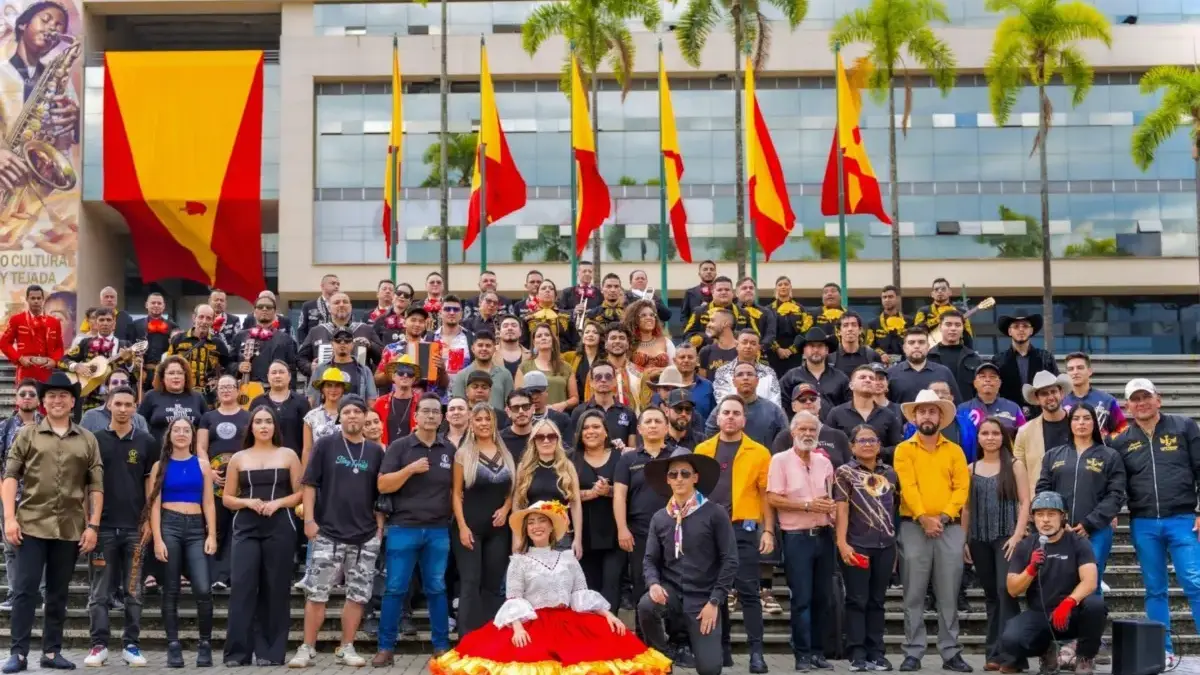
Yet, out of the physical debris and the collective psychological trauma emerged an unprecedented grassroots movement: Pereira Resuena. Born in the depths of post-disaster grief, this cultural collective flipped the conventional post-crisis narrative on its head. Instead of asking what the city could give them during a time of scarcity, its founding members asked what they could offer a fractured populace. Rather than promoting hollow celebration, Pereira Resuena positioned music as an essential tool for emotional accompaniment, social cohesion, and economic survival. The collective’s core philosophy is encapsulated in a simple, rallying maxim shared by its members: "Any of us can sound, but when we are together, Pereira resonates."
Chronology of a Crisis and Cultural Awakening
The Silence: August 10 – August 25
The earthquake struck on August 10, instantly altering the geography of Pereira’s social life. Structural damage forced the closure of numerous bars, restaurants, and cultural hubs. In the immediate aftermath, thousands of citizens focused entirely on survival, search-and-rescue operations, and humanitarian aid.
For the artistic community, this period was marked by profound uncertainty. Beyond the loss of income, performers faced a moral dilemma: in a city in mourning, playing music felt culturally and emotionally inopportune. The traditional association of music with festivity clashed with the collective trauma. Venues sat dark, instruments remained in their cases, and the cultural sector retreated into a heavy, apprehensive silence.
The Spark: Late August
As the initial rescue phase transitioned into damage assessment, local artists began quietly reaching out to one another via messaging apps and impromptu neighborhood meetings. They realized that waiting passively for government relief or for private venues to rebuild independently would spell financial ruin for the city’s informal workforce.
During these late-August gatherings, cultural workers conceived Pereira Resuena. Spearheaded by local figures such as artist Juan Gufo and singer Aguasanta Carreyo, the collective rejected the idea that music was a frivolous luxury. Instead, they framed performance as psychological first aid. As Carreyo articulated, "We sing because we are alive, and we sing for those who cannot sing."
Organization and Mobilization: September – Present
By early September, the movement evolved from an emotional support network into an organized structural force. Recognizing that sporadic, one-off benefit concerts would not solve long-term systemic vulnerabilities, the collective launched a comprehensive census and mapping initiative.
Artists began registering their formats, technical requirements, and availability to build a unified talent portfolio. Simultaneously, they initiated high-level dialogues with municipal authorities, private business owners, and commercial sectors to lay the groundwork for structured, ongoing employment opportunities. Today, one month after the disaster, Pereira Resuena stands as a resilient bridge connecting displaced artists with a commercial sector eager to welcome back safe, regulated public life.
Supporting Data: The Human and Economic Toll
The seismic event laid bare a long-standing vulnerability within Colombia’s cultural economy: the high degree of informality that sustains it. While public perception often views the arts through the glamorous lens of major commercial acts, the backbone of Pereira’s cultural scene relies on independent workers operating without safety nets, employment contracts, or steady healthcare provisions.
According to baseline data compiled by the Secretariat of Culture of Pereira as of early September:
- Total Registered Impact: Approximately 1,119 cultural workers formally responded to the initial municipal census to report direct impacts.
- Wider Sector Demographics: Industry estimates suggest the broader creative and cultural ecosystem in Pereira encompasses more than 7,000 artists and technicians.
- Financial Vulnerability: Among those surveyed in the initial weeks, between 700 and 800 individuals reported severe economic disruption, facing an immediate inability to cover basic household expenses.
- Direct Musical Impact: Of the directly affected professionals, around 500 are musicians and live-performance artists who lost 100% of their performance dates for the foreseeable future.
These figures underscore the urgency behind Pereira Resuena’s primary operational goal: moving beyond charity toward sustainable, recurring labor contracts.
Official Responses and Institutional Alignment
The scale of the cultural crisis prompted rapid, if initially strained, dialogues between grassroots collectives and municipal authorities.
The Secretariat of Culture
The Secretariat’s early-September census served as the critical data foundation required to map the crisis. By quantifying the loss among musicians, technicians, and venue operators, municipal officials gained a clearer picture of where emergency subsidies and administrative interventions were most urgently needed. However, recognizing that municipal budgets alone cannot sustain the sector long-term, public agencies have welcomed the private-public collaborations championed by grassroots movements.
The Birth of "Tarimas para Todos" (Stages for All)
To bridge the gap between institutional aid and private commerce, Pereira Resuena developed Tarimas para Todos (Stages for All). This strategic initiative actively approaches shopping centers, corporate entities, independent restaurants, and café owners to establish a structured, rotating schedule of live performances.
Instead of competing in a shrinking market, local artists have abandoned historical rivalries to forge solidarity pacts. Established veterans with secure followings have committed to bringing emerging or lesser-known acts onto their stages. As Juan Gufo noted regarding their collaborative booking philosophy: "If they hire me because they already know my show, fine. I’ll go, but I’ll do it alongside this other artist." This model ensures that performance opportunities and incoming revenue are distributed equitably across the community rather than concentrating exclusively among top-tier acts.
Implications: Rebuilding the Soul of Pereira
The emergence of Pereira Resuena carries profound implications for urban resilience, cultural policy, and community identity in the Coffee Axis (Eje Cafetero) region of Colombia.
1. From Relief to Structural Resilience
The earthquake forced Pereira’s creative class to institutionalize. What began as an emotional support group has planted the seeds for a permanent trade union and advocacy network. By creating a centralized portfolio of artists, the collective is building a permanent business-to-business (B2B) pipeline that will outlast the current emergency, professionalizing the local booking market for years to come.
2. The Socio-Economic Recovery of Public Spaces
In urban planning, physical reconstruction is often prioritized over social infrastructure. Pereira Resuena’s advocacy demonstrates that economic recovery is deeply intertwined with cultural vitality. Every time a café reopens its doors to host an acoustic set, or a shopping center sponsors a weekend jazz showcase, public confidence is restored. Music acts as a psychological catalyst, encouraging citizens to return to public spaces, spend money locally, and reactivate the city’s commercial core.
3. A New Paradigm of Solidarity
In competitive creative industries, scarcity often breeds division. By intentionally sharing stages, pooling contacts, and mentoring junior artists through the crisis, Pereira Resuena has redefined community solidarity. The collective proves that artistic survival in post-disaster environments depends not on individual exceptionalism, but on collective infrastructure.
Call to Action
As Pereira continues to repair its physical foundations, the work of cultural reconstruction remains unfinished. Pereira Resuena has issued an open call to local entrepreneurs, business owners, and institutional leaders: open your doors, host the arts, and build a commercial bridge for those who give the city its rhythm.
The earthquake may have cracked Pereira’s streets, but through the deliberate, organized efforts of its artists, the city is learning to sound again—louder, more united, and more resilient than before.


Leave a Reply