

Main Facts
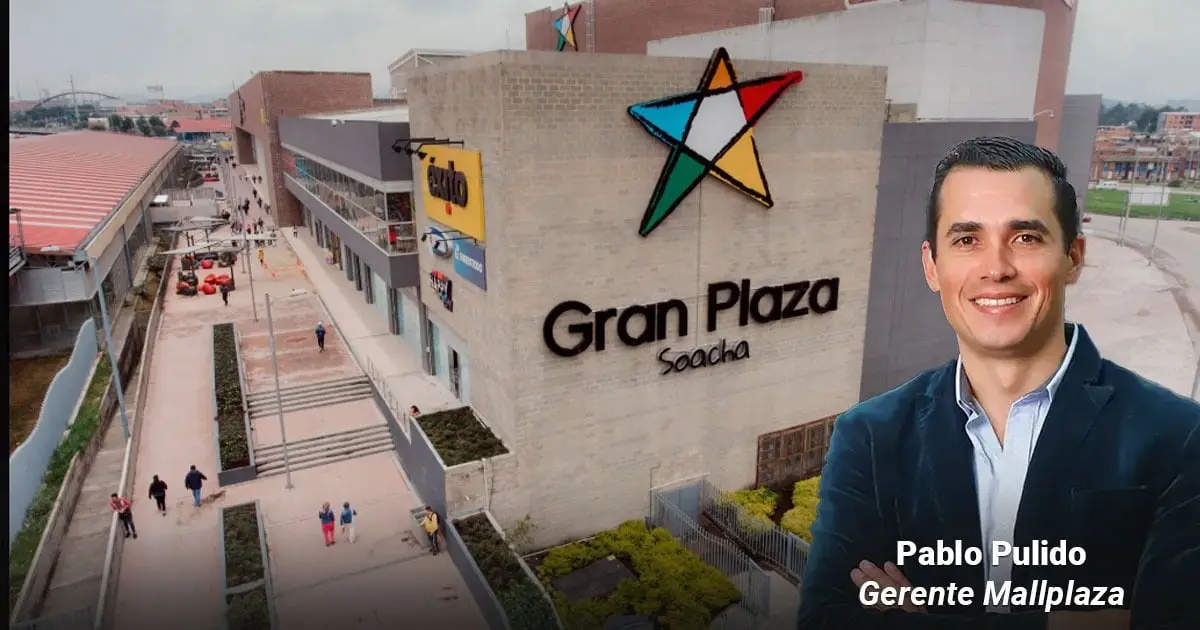
A seismic shift is reshaping the commercial real estate landscape in Colombia. In one of the most significant corporate transactions of the decade, the Chilean retail giant Mallplaza—controlled predominantly by the influential Solari family—has moved to acquire the entire portfolio of eight Gran Plaza shopping centers. The assets currently belong to Pactia, a prominent Colombian real estate investment fund backed by heavyweights such as Grupo Argos, Protección, and Conconcreto.
Valued at approximately $1.1 trillion Colombian pesos (COP), the binding agreement represents a massive strategic maneuver. If given the green light by regulatory authorities, the acquisition will dramatically expand Mallplaza’s footprint, pushing the company past 460,000 square meters of total Gross Lettable Area (GLA) in Colombia by incorporating roughly 180,000 square meters of new retail space.
Beyond sheer square footage, the transaction targets high-performing commercial assets. Combined, the eight Gran Plaza centers attract an astounding 57 million visitors annually and generated operational revenues close to $111,000 million COP over the trailing twelve months.
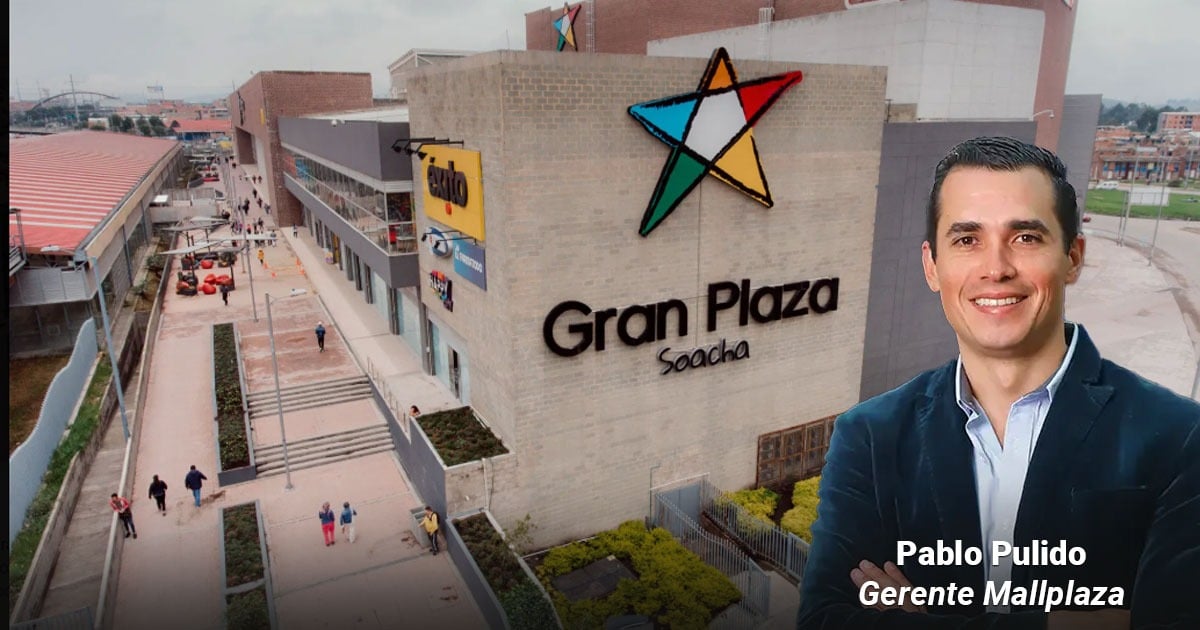
The deal is spearheaded by Pablo Pulido, the recently appointed CEO of Mallplaza, who stepped into the role earlier this year succeeding Fernando Peña. On the opposing side of the negotiating table stands Andrés Bejarano, president of Pactia since 2022, who oversaw the transaction for the Colombian real estate fund. Should the deal successfully close, Pactia will virtually exit the shopping center sector, pivoting instead to focus on other lucrative segments within its expansive real estate portfolio.
Chronology of Expansion: Mallplaza’s Journey in Colombia
Mallplaza’s quest for dominance in the Colombian retail market has been methodical, marked by high-stakes investments and strategic acquisitions over more than a decade.
2012: The Colombian Genesis
Mallplaza officially entered the Colombian market with the inauguration of its first shopping center in Cartagena. Backed by the prominent Chilean families Solari and Del Río Goudie, the company poured approximately $75 million USD into the project, establishing its operational model focused on open, experiential, and mixed-use commercial spaces.

2020: The Calima Acquisition
Seeking to scale its presence during a turbulent period for global retail, Mallplaza executed a landmark acquisition in 2020 by purchasing the Calima shopping center in Bogotá for approximately $485,000 million COP. This move solidified the company’s resilience and proved its appetite for prime urban real estate assets in Colombia’s capital.
2024–2026: Leadership Transition and the Gran Plaza Deal
Entering a new phase of corporate governance, Pablo Pulido assumed the general management of Mallplaza. Leveraging his decade-long experience within the company—including stints as business director for Colombia and Chile, as well as prior corporate exposure with Grupo Casino and Almacenes Éxito—Pulido orchestrated the current binding agreement for the Gran Plaza portfolio. This latest chapter positions the company to breach new geographic frontiers across secondary and tertiary Colombian markets.
Supporting Data and Financial Metrics
To fully comprehend the magnitude of the $1.1 trillion COP transaction, market analysts are evaluating several key performance indicators regarding the assets changing hands:

- Total Investment Value: ~$1.1 trillion COP (subject to standard contractual and regulatory adjustments).
- Acquired Gross Lettable Area (GLA): ~180,000 square meters.
- Total Mallplaza GLA Post-Acquisition: Exceeds 460,000 square meters in Colombia.
- Foot Traffic: Approximately 57 million annual visitors across the eight Gran Plaza properties.
- Trailing Operational Revenues: ~$111,000 million COP over the last twelve months.
- Geographic Expansion: Entry into new Colombian municipalities including Yopal, Pitalito, Soledad, and Ipiales, alongside a strengthened presence in Bogotá with three additional commercial assets.
- Regional Footprint: Upon completion, Mallplaza will manage a total of 45 real estate assets across Latin America, cementing its status as a top-tier regional mall operator.
Official Responses and Stakeholder Perspectives
Both acquiring and divesting entities have maintained a strategic stance as the transaction awaits regulatory clearance.
Mallplaza’s Strategic Vision
Under the leadership of CEO Pablo Pulido, Mallplaza views the acquisition not merely as a real estate transaction, but as a definitive market consolidation. Pulido’s executive background—imbued with deep knowledge of both Andean retail dynamics and corporate finance from EAFIT University—has oriented the company toward regional decentralization. By absorbing the Gran Plaza portfolio, Mallplaza is consciously stepping outside major metropolitan hubs, capturing burgeoning consumer bases in secondary cities that show robust economic resilience and growing middle-class spending power.
Pactia’s Portfolio Realignment
For Pactia, led by systems engineer and seasoned executive Andrés Bejarano, this divestment represents a calculated portfolio optimization. Having managed the multi-shareholder fund (comprising Grupo Argos, Protección, and Conconcreto) since 2022, Bejarano has steered Pactia toward maximizing capital efficiency. By offloading its heavy exposure to retail centers—a sector facing rising operational complexities and evolving digital integration—Pactia is expected to redeploy capital into higher-yield segments such as industrial real estate, logistics parks, and corporate office spaces.

Market Implications and Regulatory Outlook
The Regulatory Hurdle: The SIC Review
Despite the signing of the binding agreement between Mallplaza and Pactia, the multi-billion-peso transaction is not yet a done deal. The operation remains strictly subject to standard closing conditions, most notably the mandatory antitrust clearance from Colombia’s Superintendencia de Industria y Comercio (SIC).
The SIC will closely analyze whether the consolidation of nearly 180,000 square meters of additional retail space under a single foreign operator creates undue market concentration or restricts fair competition within specific regions. Given previous precedent in large-scale retail mergers and acquisitions in Colombia, regulatory scrutiny is expected to be thorough, potentially extending the timeline before final integration can begin.
Geopolitical and Economic Impact on Secondary Cities
The integration of assets in secondary and emerging municipalities like Yopal, Pitalito, Soledad, and Ipiales carries profound socio-economic implications. Traditionally, institutional retail investment has concentrated heavily on Colombia’s "Big Four" cities (Bogotá, Medellín, Cali, and Barranquilla). Mallplaza’s move signals a structural vote of confidence in the economic decentralization of Colombia.
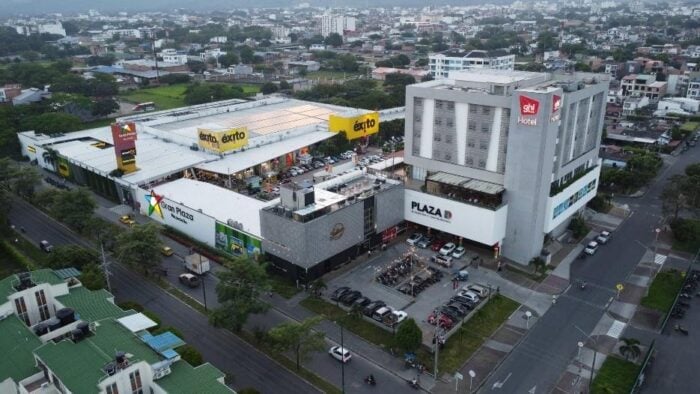
By bringing international retail standards, standardized tenant mixes, and modern entertainment formats to intermediate cities, the transaction is poised to stimulate formal employment, boost local tax revenues, and elevate consumer experiences outside traditional urban centers.
Competitive Dynamics in the Colombian Retail Sector
The transaction fundamentally alters the competitive equilibrium among the heavyweights operating in Colombia. Mallplaza, already a dominant force, will place immense competitive pressure on rivals such as Cencosud, Parque Arauco, and local indigenous operators. As physical retail increasingly evolves into experiential hubs—combining traditional shopping with gastronomic districts, entertainment, and omnichannel fulfillment centers—Mallplaza’s expanded scale provides it with unmatched bargaining power when negotiating with multinational anchor tenants and retail brands.
As the industry awaits the final verdict from the Superintendencia de Industria y Comercio, the $1.1 trillion COP deal stands as a watershed moment for commercial real estate in Latin America, signaling that well-capitalized regional players remain deeply bullish on the future of physical retail spaces.



Leave a Reply