

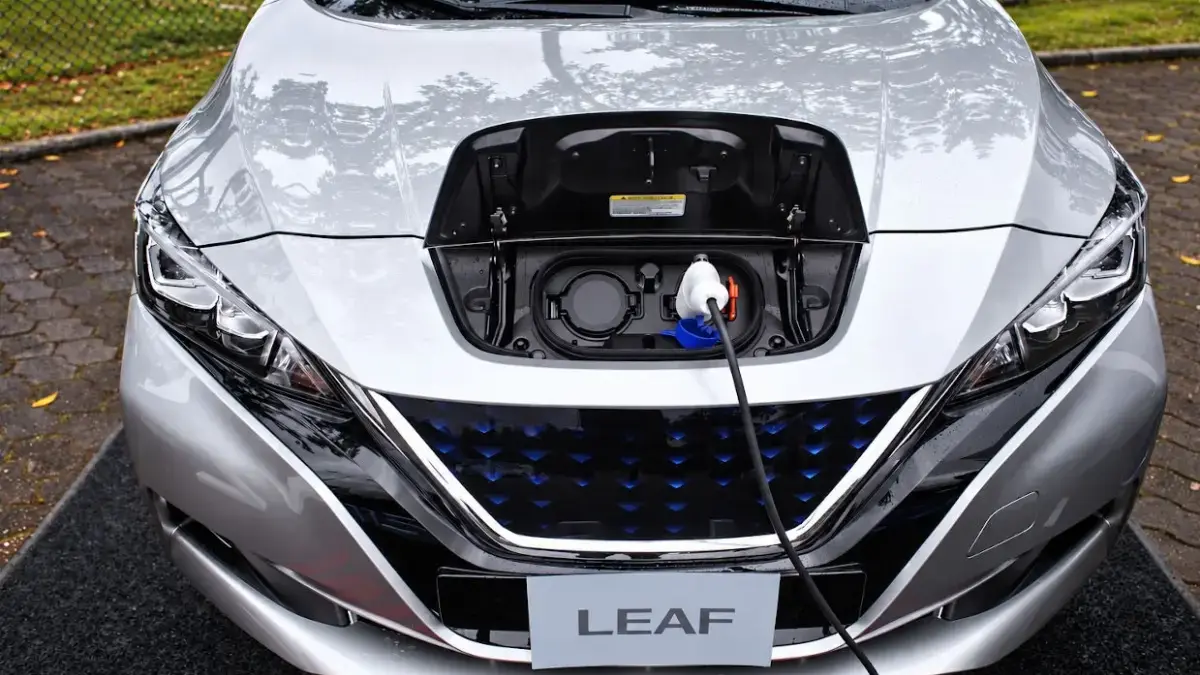
BOGOTÁ — As Colombia accelerates its transition toward sustainable transportation, electric and hybrid mobility is rapidly shifting from an exclusive luxury to an accessible reality for citizens and corporations alike. While the country’s streets and highways welcome an ever-growing fleet of zero- and low-emission vehicles, a powerful financial catalyst remains underutilized by everyday buyers: government-backed tax incentives.
Designed to dismantle the high initial cost barrier of clean technologies, these incentives offer substantial relief—ranging from VAT exclusions to income tax deductions. However, these benefits are not automatically applied at the dealership. Navigating the bureaucratic maze requires a specific roadmap involving two key institutions: the Mining and Energy Planning Unit (UPME) and the National Directorate of Taxes and Customs (DIAN).
For prospective buyers willing to understand the process, the financial rewards are transformative. This comprehensive guide breaks down the core facts, step-by-step procedures, eligibility criteria, and broader implications of Colombia’s green vehicle tax incentives.
1. Main Facts: Demystifying Colombia’s Green Tax Incentives
The Colombian government’s push for energy efficiency is anchored by legal mechanisms designed to stimulate investments in alternative-fuel vehicles. These incentives target both natural persons (individuals) and legal entities (corporations) seeking to modernize their fleets while reducing fossil fuel dependency.
What Are the Benefits?
When successfully processed, buyers can access three major tax advantages:
- VAT Exclusion (Exclusión del IVA): Total exemption from the Value Added Tax on the purchase of the vehicle.
- Customs Duty Exemption (Exoneración de aranceles): Elimination or reduction of import tariffs for vehicles brought into the country.
- Income Tax Deduction (Deducción en renta): The ability to deduct up to 50% of the total investment amount from the corporate or personal income tax over the taxable year the investment was made.
The Role of UPME vs. DIAN
A common misconception is that the UPME directly hands out tax discounts. In reality, the UPME acts as a technical gatekeeper. Its role is strictly to verify that the vehicle investment complies with national energy efficiency standards and to issue a formal certification. Once the UPME certification is secured, the buyer presents it to the DIAN to make the tax benefit effective.
Which Vehicles Qualify?
Not all vehicles marketed as "eco-friendly" are eligible for these federal incentives.
- Fully Electric Vehicles (BEVs): Fully eligible.
- Plug-in Hybrid Electric Vehicles (PHEVs): Eligible. These are hybrids that can be plugged into an external power source to recharge their battery.
- Hybrid Electric Vehicles (HEVs): Eligible. These are traditional self-charging hybrids that use regenerative braking.
- Mild Hybrids (MHEVs): Excluded. Mild hybrid technologies do not qualify for UPME tax incentives.
2. Chronology: The Evolution and Modernization of the UPME Process
The mechanism for securing green vehicle incentives has undergone significant structural updates to cope with surging demand and streamline user experience.
- July 2022: The UPME begins systematically tracking and certifying clean vehicle investments under the modern digital framework, catalyzing a massive wave of sustainable fleet updates across Colombia.
- The "Closed Cycle" Era: Historically, applications were restricted to rigid, periodic submission windows (closed cycles), creating operational bottlenecks for buyers and importers who had to wait months just to file their paperwork.
- February 1, 2026: In a major administrative overhaul, the UPME transitions to a continuous reception model, throwing open the digital application window from February 1 straight through December 15, 2026. This eliminates artificial bottlenecks and allows buyers to submit paperwork year-round.
- January 2026 Milestone: Data compiled up to January 2026 reveals that the UPME has certified a total of 4,193 vehicles (2,621 pure electrics and 1,572 qualifying hybrids), successfully mobilizing more than COP $581 billion in sustainable investments nationwide.
3. Supporting Data: Market Growth and Investment Impact
The financial metrics surrounding Colombia’s electric mobility transition demonstrate robust growth, proving that tax incentives are successfully driving private capital into green technology.
- Total Certified Vehicles (July 2022 – January 2026): 4,193 units.
- Technology Breakdown:
- Pure Electric Vehicles (BEV): 2,621 units (~62.5%)
- Qualifying Hybrids (PHEV & HEV): 1,572 units (~37.5%)
- Capital Mobilization: Over COP $581 billion invested by citizens and corporations into clean transport infrastructure.
- Filing Window Expansion: 318 days of continuous application availability throughout 2026 (Feb 1 – Dec 15).
These figures illustrate that while corporate fleets represent a significant portion of the investment volume, individual buyers are increasingly utilizing the platform to offset personal vehicle acquisition costs.
4. Official Guidelines: The 7-Step Route to Securing Your UPME Certification
The entire application process is digital, centralized, and designed to be completed without commercial intermediaries through the Muévete Eléctrico portal, which hosts the UPME’s Single User System (Sistema Único de Usuarios – SUU).
Follow this step-by-step procedure to file your application correctly:
Step 1: Pre-Verification
Before spending money or initiating paperwork, verify that the specific make, model, and line of the vehicle you intend to buy is legally recognized as eligible for the incentive. Gather all technical documentation provided by the dealership.
Step 2: System Registration
Access the Sistema Único de Usuarios (SUU) on the UPME portal. If you do not have an account, register using your personal details. Your Colombian Cédula de Ciudadanía or corporate NIT will serve as your permanent username.
Step 3: Create a New Case
Log into the platform, navigate to the dashboard, and create a "New Case." Select the options corresponding to UPME and fill out your foundational profile and contact information.
Step 4: Enable Administrative Modules
Within the services and procedures module, enable the checkboxes related to energy efficiency and “Incentivos tributarios vehículos E-H” (Electric/Hybrid Vehicle Tax Incentives). You must also grant mandatory digital consent for data privacy treatment and electronic notifications.
Step 5: Initialize the Incentive Request
Re-enter the "New Case" function, select UPME, choose "Incentivos", and click specifically on the category designated for electric and hybrid vehicles.
Step 6: Input Vehicle Data and Pay Evaluation Tariffs
Complete the comprehensive data form detailing the vehicle’s technical specifications, purchase value, and importer details. Proceed to pay the mandatory UPME evaluation fee directly inside the platform via PSE (Pago Seguro en Línea). Note: Every individual vehicle application requires its own independent evaluation fee payment.
Step 7: Formal Submission and Review
Once payment is confirmed and documents are uploaded, submit the formal request. The UPME technical team will evaluate your dossier. If discrepancies arise, the agency may issue requests for clarifications or supplemental data. Upon successful review, the UPME will issue an official favorable certification document, allowing you to claim your tax exemption directly with the DIAN.
5. Implications: What This Means for Consumers, the Economy, and the Environment
The concerted government effort to simplify and expand access to green vehicle incentives carries profound implications across multiple sectors of Colombian society.
Democratizing Sustainable Mobility
Historically, green tax incentives were viewed as exclusive playgrounds for large corporations purchasing electric bus fleets or wealthy elites buying luxury sports cars. By streamlining the digital platform via the SUU and opening a continuous application calendar for 2026, the Colombian government is effectively signaling that middle-class families and small business owners can—and should—participate in the green transition.
Alleviating the Cost Barrier
The upfront sticker price of electric and hybrid vehicles remains the single largest deterrent for buyers in Latin America. By eliminating the 19% VAT and cutting import tariffs, the government bridges the gap between traditional combustion-engine cars and clean alternatives, transforming long-term fuel and maintenance savings into an immediate point-of-sale advantage.
Environmental and Macroeconomic Benefits
From a macroeconomic perspective, every certified electric or hybrid vehicle reduces Colombia’s reliance on refined fossil fuels, stabilizing trade balances and insulating the national economy from international oil price shocks. Environmentally, the displacement of thousands of tons of CO2 and particulate matter in congested urban centers like Bogotá, Medellín, and Cali directly translates to improved public health outcomes and lower municipal healthcare costs.
Looking Ahead
As charging infrastructure expands across the country’s primary corridors and administrative red tape continues to dissolve through digital innovation, Colombia is positioning itself as a regional leader in sustainable transport. For citizens standing at the crossroads of their next vehicular purchase, understanding the UPME-DIAN pipeline is no longer just a clever accounting trick—it is the master key to driving the future.




Leave a Reply