

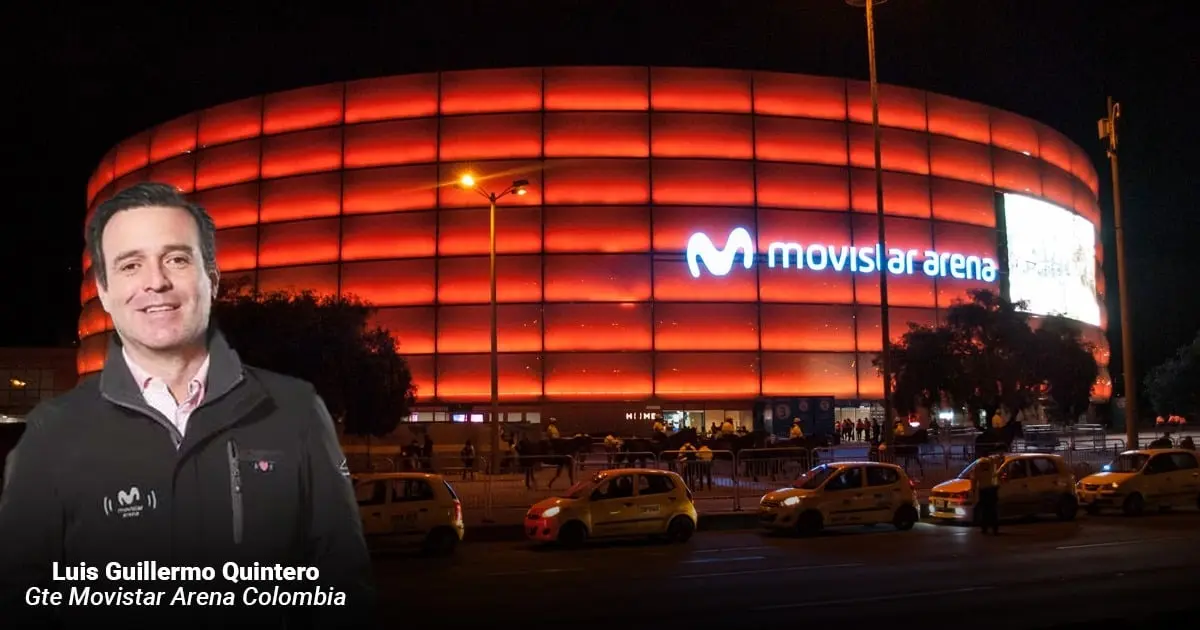
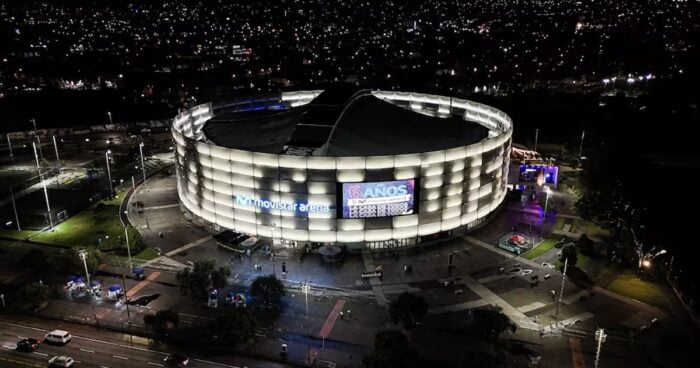
BOGOTÁ, COLOMBIA — For nearly a decade, the intersection of Carrera 30 and Calle 63 has served as the heartbeat of Colombia’s live entertainment industry. Since its grand opening in September 2018, the multi-purpose venue known universally as the Movistar Arena has hosted millions of ecstatic fans, world-renowned musical icons, and cultural spectacles that have cemented their place in the collective memory of Bogotá’s residents.
However, a major chapter in the city’s modern cultural history is drawing to a close. Following the definitive corporate acquisition of Telefónica Colombia by Tigo, the iconic blue branding that has illuminated the capital’s skyline for eight years is officially coming down. As the physical letters are dismantled and the facility transitions toward a new corporate horizon, the venue prepares to unveil a freshly minted identity in early 2027.
Despite the profound visual and structural rebranding, venue administrators emphasize that the music will not stop. With a robust calendar already locked in for the remainder of 2026 and an aggressive lineup of over 80 confirmed shows for 2027, the premier entertainment hub of the country is pressing forward. As the facility opens its doors to a high-stakes bidding war for its naming rights, stakeholders and fans alike are left to reflect on an unforgettable first era and look ahead to what comes next.
1. Main Facts: The Transition and the Corporate Catalyst
The immediate catalyst driving the transformation of Bogotá’s flagship arena is a seismic shift in the Colombian telecommunications landscape. Telefónica Colombia, which initially secured the naming rights to the venue in 2018 through a landmark public-private partnership, has officially been acquired by Tigo. With Tigo taking full ownership of Telefónica’s local assets, the continuation of the "Movistar" brand on the facade of the Carrera 30 venue became legally and commercially untenable.
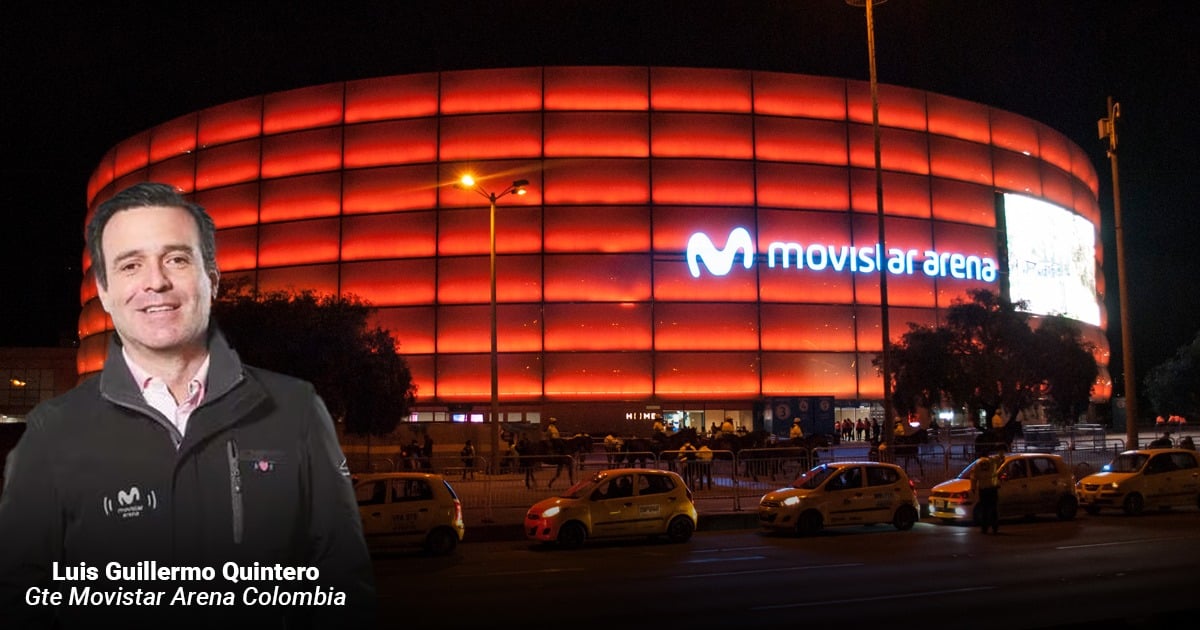
On September 29, maintenance crews formally began removing the massive illuminated letters spelling out "Movistar Arena" from the building’s exterior. This physical removal marks the definitive end of the brand’s footprint on the venue, triggering a transition phase that will culminate in the official announcement of a new corporate sponsor and a freshly minted moniker in early 2027.
Key elements of the transition include:
- The Sponsor Shift: The original naming rights deal, valued at approximately COP $80 billion, concludes following the Tigo-Telefónica transaction.
- The Timeline: The physical dismantling began in late 2026, with an open call currently underway for prospective corporate partners. The official unveiling of the new name is slated for early 2027.
- Operational Continuity: The venue’s management has confirmed that operations, ticket sales, and scheduled performances will proceed without interruption. The rebranding is purely commercial and structural, with no closures or delays expected for event-goers.
2. Chronology: From Abandoned Coliseum to Cultural Epicenter
To understand the weight of the current transition, one must look back at the arduous journey that transformed a dilapidated urban ruin into Latin America’s most dynamic modern arena.
The Ruins of the Coliseo Cubierto (Prior to 2018)
For decades, the site at Carrera 30 with Calle 63 was occupied by the Coliseo Cubierto El Campín. Built in the mid-20th century, the aging stadium had once been a proud venue for sports and early concerts, but by the turn of the 21st century, it had fallen into severe disrepair, structural obsolescence, and functional abandonment. It stood as a ghost of Bogotá’s past—haunted by safety concerns, acoustic failures, and a total inability to host modern, large-scale international tours.

The 2018 Public-Private Renaissance
Recognizing the desperate need for a world-class entertainment facility, the Mayor’s Office of Bogotá joined forces with the private sector—specifically concessionaire Colombiana de Escenarios and Telefónica Colombia—to execute a radical urban renewal project.
Through an innovative public-private partnership (PPP) and a high-profile naming rights agreement, the site was completely gutted, redesigned, and rebuilt from the ground up. In September 2018, the newly christened Movistar Arena opened its doors. It instantly injected life back into the neighborhood, providing Bogotá with a climate-controlled, acoustically optimized, multi-purpose venue capable of hosting everything from intimate theatrical performances to massive arena-rock concerts.
The 2026 Corporate Takeover and De-Branding
Over the next eight years, the venue evolved into a cultural cornerstone. However, corporate realities caught up with the landmark in 2026. Following Tigo’s acquisition of Telefónica Colombia, corporate consolidation mandated the retirement of the Movistar brand from the venue. The physical removal of the signage in September 2026 closed an eight-year chapter, setting the stage for a competitive race to claim the next era of naming rights.
3. Supporting Data: An Unprecedented Track Record
The numbers behind the Movistar Arena’s first eight years paint a vivid picture of its economic, cultural, and logistical impact on Bogotá. Far more than just a concert hall, the venue functioned as a powerhouse for the capital’s service and entertainment sectors.
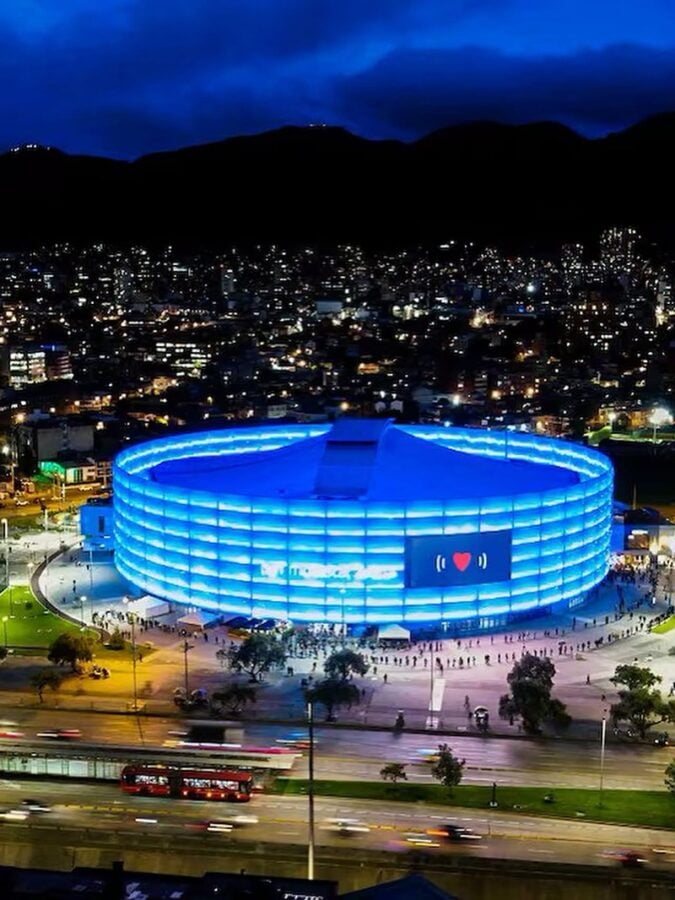
- Total Footprint: Over the course of its eight-year run, the arena welcomed more than 6 million attendees through its turnstiles.
- Event Frequency: The venue maintained an astonishing average of 130 events annually, making it the single most active entertainment space in Colombia.
- Artist Diversity: More than 700 distinct artists—spanning local Colombian folkloric acts, reggaeton superstars, classic rock legends, and stand-up comedians—graced its stage.
- Current Pipeline: Despite the ongoing corporate transition, the venue’s operational strength remains completely uncompromised. Management reports a robust schedule featuring over 50 shows remaining for the final stretch of 2026, followed by a heavily booked calendar boasting more than 80 confirmed artist presentations for 2027.
These metrics illustrate why corporate interest in the upcoming naming rights vacancy is exceptionally fierce. For any major brand, securing prime visibility at the Carrera 30 corridor guarantees direct exposure to millions of culturally engaged consumers every single year.
4. Official Responses and Leadership Perspective
Luis Guillermo Quintero, the General Manager of the venue, has offered reassuring clarity to the public, artists, and ticket holders as the transition unfolds.
In official statements addressing the rebranding, Quintero acknowledged the monumental success of the venue’s inaugural chapter while championing the collaborative vision that made it possible. "The first stage of the Movistar Arena was fundamental," Quintero stated, emphasizing that the initial partnership with the private sector was a masterstroke in urban development. He credited the collaboration between municipal authorities and private capital as the single most critical factor in elevating Bogotá to a premier destination on global tour itineraries.
Addressing fan anxieties regarding potential closures or event cancellations, Quintero was unequivocal: the transition is strictly cosmetic and commercial. The dismantling of the letters does not signify an interruption of services, but rather the evolutionary stepping stone toward a bigger, more ambitious future.
"The venue remains entirely at the service of bogotanos and lovers of live music," Quintero noted. "We are honoring all existing commitments, pushing forward with our 2026 and 2027 agendas, and actively engaging with top-tier companies that recognize the immense cultural equity this space holds."
5. Implications: What the Future Holds for Bogotá’s Entertainment Scene
The rebranding of the iconic venue carries significant implications for the business of live entertainment in Colombia, the corporate sponsorship market, and the emotional connection shared by local concert-goers.
The Battle of the Brands
With the naming rights officially open to the highest bidder, a high-stakes corporate chess match has begun. Industry insiders report that several heavy-hitting enterprises from the financial sector, consumer services, and telecommunications industries have already submitted serious proposals to claim the facade of the Carrera 30 landmark. Given that the venue is deeply intertwined with major ticketing ecosystems (such as its operational proximity to industry giants like TuBoleta), the incoming sponsor will inherit a turnkey marketing machine capable of generating instant brand loyalty and massive media impressions.
The Psychological Shift for Citizens
For the citizens of Bogotá, monuments to urban memory are sacred. Just as older generations lamented the passing of the original Coliseo Cubierto, today’s generation of music fans will undoubtedly need time to adjust to a new name. Walking past the intersection of Carrera 30 and Calle 63 will feel different once the familiar blue branding is permanently replaced. Yet, urban historians point out that spaces derive their true value not from corporate logos, but from the shared human experiences housed within their walls—the collective sing-alongs, the roar of the crowd when the lights go down, and the community forged in the dark of a sold-out concert.
A Beacon of Economic Resilience
Finally, the seamless nature of this multi-billion-peso corporate handoff underscores the remarkable resilience and maturity of Colombia’s entertainment economy. Even amidst corporate acquisitions, market shifts, and administrative handovers, the appetite for live culture in Bogotá continues to grow unchecked.
As the countdown to early 2027 ticks away, the arena stands as a living testament to the power of public-private cooperation and cultural perseverance. Whether it wears the colors of a bank, a telecom giant, or a retail conglomerate, the venue at Carrera 30 with Calle 63 will remain what it has always been: the beating heart of music and magic in Colombia.




Leave a Reply