

By Global News Desk
Published: October 2026
Main Facts
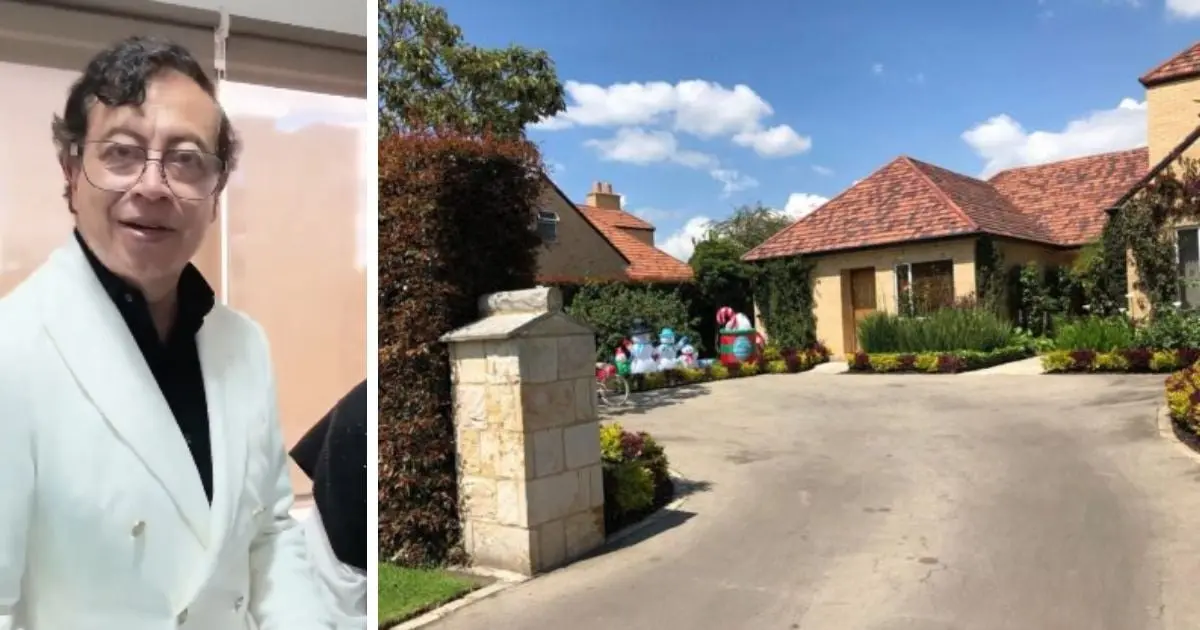
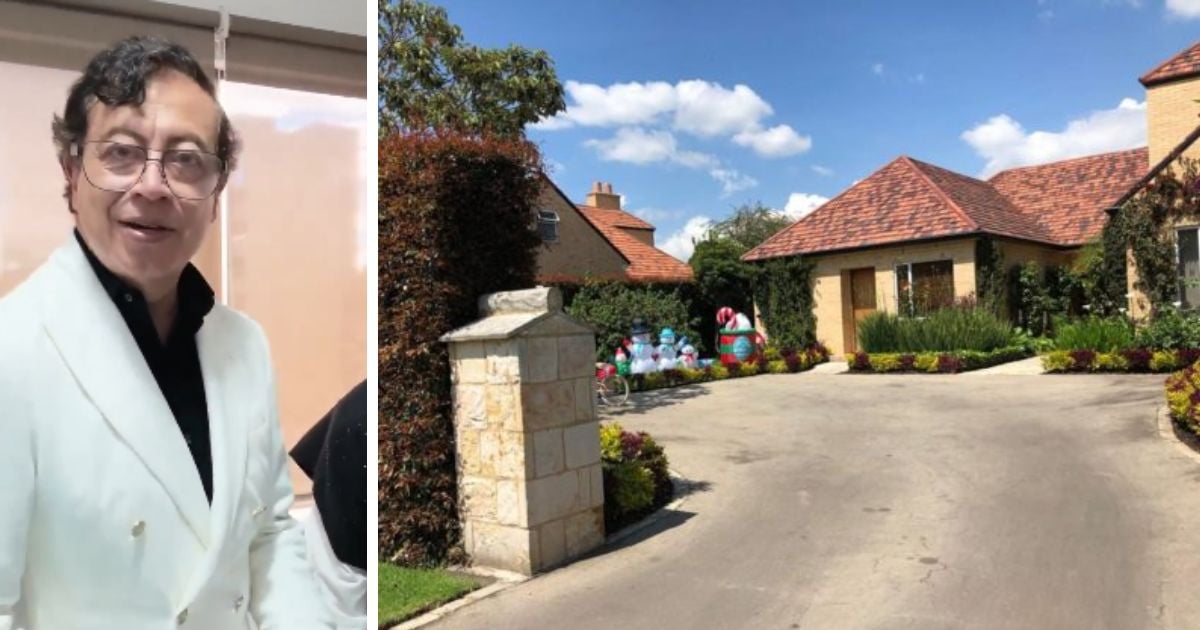
Months after stepping down from the Casa de Nariño, former Colombian President Gustavo Petro has made headlines not for affairs of state, but for a domestic milestone: the final payment on his mortgage. In a video broadcast across his official social media channels on X (formerly Twitter), Petro documented the moment he signed the paperwork clearing the final installment on his long-held property—a country home situated in Chía, Cundinamarca.
The announcement, delivered with the reflective tone of a political and personal balance sheet, underscored a narrative Petro has maintained throughout his public life: that despite holding the highest office in the country, his accumulated wealth remains remarkably modest compared to traditional political elites. According to the former president, the Chía residence—commissioned and built in 2011, well before his tenure as Mayor of Bogotá or his subsequent presidency—stands as his sole real estate asset.
Yet, the symbolic closure of paying off a 15-year bank debt contrasts sharply with a complex web of personal, logistical, and geopolitical challenges. The property, located in a suburban residential development, is subject to division following his recent divorce from Verónica Alcocer. Furthermore, the home’s market value has reportedly depreciated, complicated by severe infrastructure bottlenecks on the Autopista Norte and unexpected complications arising from international sanctions lists.
With no cattle ranches, luxury vehicles, foreign bank accounts, tax haven assets, corporate shares, CDs, or Colombian public debt titles to his name, Petro finds himself in a paradox familiar to many middle-class citizens: a fully paid-off home that he cannot easily sell, inhabit in peace, or leverage for his immediate post-presidential housing needs.
Chronology
To understand the current predicament surrounding Gustavo Petro’s primary asset, it is necessary to trace the timeline of the property from its inception to the post-presidential realities of late 2026:
- 2011: Gustavo Petro commissions the construction of the house in a gated country community in Chía, Cundinamarca, entering into a long-term mortgage agreement with a commercial bank. At this stage, he is a prominent political figure and former senator, but has not yet assumed the mayoralty of Bogotá.
- 2012–2015: Petro serves as Mayor of Bogotá while continuing to service the multi-decade mortgage on the Chía residence.
- August 7, 2022: Petro assumes the presidency of Colombia. During his campaign and early administration, he frequently highlights the Chía home as his primary residence and tangible asset.
- Early 2024–2026: Discussions regarding the property’s market viability begin to circulate. According to family accounts, the house is quietly placed on the market, though it struggles to attract buyers due to a combination of infrastructure decline in the area and regulatory hurdles.
- August 7, 2026: Petro officially leaves the Casa de Nariño following the conclusion of his presidential term, after his endorsed candidate, Iván Cepeda, loses the 2026 presidential election to Abelardo de la Espriella. In his farewell addresses, Petro notes that he entered power with a house in Chía and is leaving with "half a house," referencing his impending divorce settlement with Verónica Alcocer.
- October 2, 2026: Petro publishes a video on X confirming that he has paid the final installment on his mortgage. In the same statement, he outlines his minimal asset portfolio and highlights his entitlement to 50% of the proceeds should the property eventually be sold.
- Late 2026: Post-presidential housing arrangements face immediate hurdles. Reports emerge that attempts by Petro to secure short-term rental accommodations in various Bogotá residential complexes are rebuffed by residents and administration boards, while close associates like former Prosperidad Social director Gustavo Bolívar confirm discussions regarding temporary housing solutions.
Supporting Data
An analysis of Petro’s financial disclosures, real estate evaluations, and familial commentary reveals several layers of data concerning the Chía property and his broader economic standing:
1. Asset Inventory Provided by Petro
In his October 2026 social media broadcast, Petro explicitly itemized what he does not own, contrasting his position with public skepticism historically directed at Latin American heads of state:

- Real Estate: Only the Chía property (now clear of mortgage debt).
- Vehicles: No private automobiles registered in his name.
- Financial Holdings: Zero accounts in foreign jurisdictions or international tax havens.
- Investment Portfolios: No corporate shares, Certificates of Deposit (CDTs), or Colombian public debt securities.
2. Market Valuation and Infrastructure Constraints
- Estimated Market Value: According to statements from his eldest daughter, Andrea Petro, in interviews with Semana, the property’s market value is estimated to range between 2 billion and 3 billion Colombian pesos.
- Depreciation Factors: Petro himself noted that the home’s current value has dropped below its initial construction cost. He attributes this loss in equity to chronic traffic congestion along the Autopista Norte—a bottleneck expected to worsen under the Lagos de Torca urban development project unless the long-proposed northern tramway is finally realized. Consequently, the property struggles to compete with newer, more accessible residential developments in Chía.
3. Geopolitical and Legal Complications
- OFAC Listing: Andrea Petro publicly pointed out a significant impediment to the property’s sale: both her father and Verónica Alcocer appear on the Office of Foreign Assets Control (OFAC) list maintained by the United States Department of the Treasury. This designation complicates domestic and international financial transactions, deterring potential institutional or private buyers wary of secondary compliance risks.
- Divorce Settlement Impact: The legal dissolution of marriage between Petro and Alcocer mandates the liquidation of shared marital assets, effectively dividing the eventual proceeds of the Chía sale down the middle.
Official Responses
The unfolding narrative surrounding the former president’s asset has elicited commentary from family members, political allies, and the public sphere:
- Gustavo Petro (Former President): Through his digital statements, Petro has sought to project financial transparency and austerity. By framing the clearance of his mortgage as a hard-earned milestone, he aimed to reinforce his populist political identity as a leader uncorrupted by hidden wealth or illicit enrichment. At the same time, his public disclosures exposed vulnerabilities regarding his current lack of liquid capital and housing security.
- Andrea Petro (Eldest Daughter): Offering a more pragmatic and candid assessment to national media, Andrea provided a sobering look at the realities of the family’s estate. Her insights regarding the difficulties of selling the property—citing both the OFAC listings and the stagnant real estate market in Chía—highlighted the friction between political symbolism and commercial reality. She estimated that her father would likely remain in the residence for at least another year due to the absence of active buyers.
- Gustavo Bolívar (Political Ally and Former Director of Prosperidad Social): Confirming logistical troubles regarding Petro’s post-presidential relocation, Bolívar acknowledged that the former president had reached out regarding temporary accommodation. Reports that Petro faced rejection from residential boards in multiple Bogotá complexes further underscored the polarization surrounding his persona, complicating even basic civic transactions like renting an apartment.
Implications
The saga of Gustavo Petro’s Chía home carries significant implications for Colombian political culture, post-presidential transitions, and the intersection of politics and personal finance:
1. The Myth and Reality of Presidential Wealth in Latin America
In a political ecosystem historically plagued by allegations of elite enrichment, embezzlement, and hidden offshore accounts, Petro’s meticulous inventory of his non-possessions serves a powerful rhetorical purpose. By emphasizing that his entire wealth is tied up in a single depreciating suburban home—one that took 15 years to pay off—he sets a standard of austerity. However, the practical failure of this asset to provide immediate financial security exposes the vulnerabilities of entering and leaving high public office without generational wealth or diversified investments.
2. The Practical Challenges of Post-Presidential Re-entry
Transitioning from the absolute security and state-provided infrastructure of the Casa de Nariño to private life is rarely seamless for any head of state. For Petro, this transition is magnified by high political polarization, legal/administrative markers like OFAC listings, and social friction. The inability to easily secure rental housing in Bogotá or rapidly liquidate his only real estate asset illustrates the high personal cost of intense political friction in contemporary Colombia.

3. Urban Planning and Real Estate Vulnerabilities
On a localized level, the devaluation of Petro’s Chía property mirrors broader infrastructural crises in the Bogotá savanna. The dependence of suburban real estate values on mass transit solutions—such as the stalled northern tramway and the controversies surrounding Lagos de Torca—demonstrates how macro-level public policy decisions directly impact the private assets of citizens, including former leaders.
Ultimately, Gustavo Petro’s mortgage milestone is less a celebration of accumulated luxury and more a window into the precarious financial and logistical reality of a polarizing leader adjusting to life after power. Whether he succeeds in selling the property, finding a tree-lined sanctuary that meets his environmental preferences, or overcoming the administrative hurdles tied to his international status remains one of the many lingering chapters of Colombia’s post-presidential landscape.


Leave a Reply