

By Global Energy & Transport Desk
Published: October 2026
The relentless surge in fuel prices has evolved from a routine economic fluctuation into a full-scale crisis for European households, logistics firms, and industrial supply chains. Driven by a volatile mix of geopolitical tensions, constricted refinery capacity, and nervous consumer demand, crude oil prices—with the Brent benchmark dangerously probing the psychological $100-per-barrel threshold—have sent shockwaves through fuel stations across the continent.
Governments from Madrid to Paris and Rome are scrambling to implement fiscal patches, cap prices, and distribute emergency aid packages. However, as transport associations demand deeper subsidies and localized shortages trigger panic buying, policymakers face a difficult balancing act: shielding their economies from inflationary shock without undermining long-term climate targets.
1. Main Facts: The Anatomy of the European Fuel Crisis
The root causes of the current crisis lie in an interconnected web of international market pressures and regional supply vulnerabilities.
- The Crude Driver: Brent crude has hovered near $97.86 per barrel, occasionally touching the $100 mark. This upward momentum is directly tied to ongoing instability in the Middle East, structural bottlenecks around the Strait of Hormuz, and restricted global refining outputs.
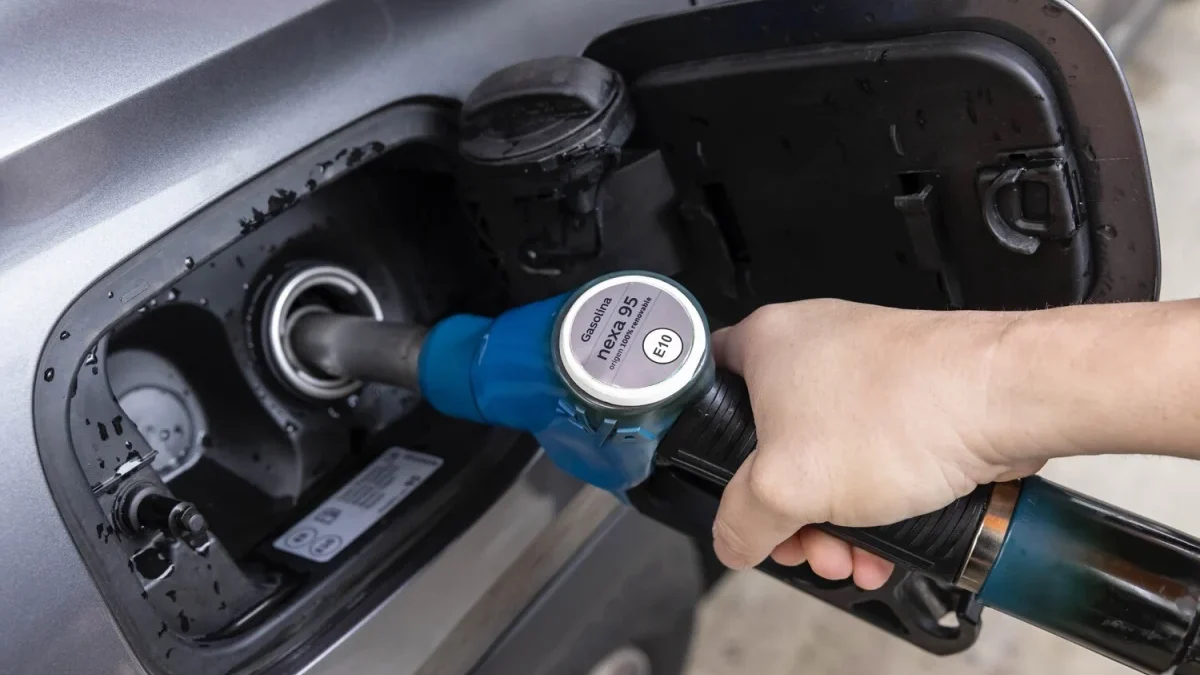
- The Retail Reality: In Spain, retail prices have climbed steadily. According to European bulletins, diesel hovered around €1.834 per liter and gasoline at €1.866 per liter, marking an unprecedented streak of consecutive weekly increases that have largely absorbed previous state fuel tax discounts. Across the continent, records have tumbled: UK diesel hit historic highs, Italian highway fuel surged past €2.45 per liter, and French pumps faced severe localized interruptions.
- Refining Bottlenecks: Europe’s heavy reliance on imported refined products—particularly diesel—leaves it exposed. While nations like Spain possess a relatively robust domestic refining infrastructure (such as Repsol’s five major facilities), countries like France import roughly half of their diesel consumption, with up to 30% traditionally sourced from the Middle East.
2. Chronology of Events: How the Crisis Unfolded
The escalation of the fuel crisis has forced a rapid succession of governmental interventions, protests, and emergency diplomatic maneuvers over recent weeks:
- Early September: Retail prices accelerate past previous ceilings, prompting transport unions across Southern Europe to sound the alarm over shrinking operational margins. The European Commission receives early warnings regarding tightening middle-distillate inventories.
- Mid-September (The French Pinch): France monitors roughly 9,900 service stations. By September 22, approximately 14% of stations face localized product shortages—an improvement from 17% days prior, but still indicative of severe strain. Stations operated by TotalEnergies bear the brunt of the pressure due to competitive pricing models that attract surging consumer demand.
- September 17: Italy’s general round of broad fiscal fuel tax reductions officially expires, sending unmitigated market prices rocketing at highway service stations.
- Late September: French President Emmanuel Macron formally writes to European Commission President Ursula von der Leyen, urging Brussels to temporarily relax environmental and refining rules to boost domestic output. Simultaneously, Italy’s state-controlled energy giant Eni implements emergency price caps.
- Early October: Protests crystallize. In Portugal, hundreds of earth-moving truck drivers stage slow-roll protests between Lordelo, Coimbra, and Lisbon. In Spain, agricultural unions like UPA schedule massive tractor rallies (such as the mobilization in Puertollano on October 8), while transport federations warn of impending paralysis.
3. Supporting Data: Market Metrics and Subsidies at a Glance
A deeper look at the statistical landscape reveals the stark disparities in how different European nations are experiencing and managing the crisis:
Country-Specific Exposure & Interventions
| Country | Key Vulnerability / Dependency | Emergency Intervention |
|---|---|---|
| France | Imports ~50% of its diesel; 20-30% dependent on Middle Eastern supply. | Macron requested EU waivers to raise biofuel blends to 10% and delay methane rules. |
| Italy | High highway tolls and fuel spikes (diesel over €2.45/L). | Eni/IP state-backed price caps set at €1.99/L (gasoline) and €2.19/L (diesel) for an initial 30 days. |
| Spain | Lower relative crude exposure from the Middle East (only 5.5%); 8 domestic refineries. | Direct aid packages up to €1,350 for heavy commercial vehicles; professional diesel tax rebates under review. |
| Portugal | High transport cost burdens. | €25 butane gas vouchers for vulnerable households; up to 70% cost compensations for public transit. |
Spanish Direct Aid Distribution (Current Call)
For professional drivers and transport operators ineligible for standard professional diesel tax refunds, Spain opened a dedicated application window through the Spanish Tax Agency (running from September 1 to October 30):
- Heavy Freight Trucks (LNG, CNG, LNG, or Diesel in specific territories): Up to €1,350.
- Buses: €731.
- Light Commercial Trucks: €499.
- Vans: €225.
- Taxis and VTCs: €150.
4. Official Responses: Divergent Strategies Across the EU
Faced with mounting social discontent, European capitals have adopted contrasting playbooks to tackle the price shock.
France Appeals to Brussels
Rather than implementing direct retail price controls, the French government has focused on regulatory flexibility. President Macron’s appeal to the European Commission seeks to temporarily bypass rigid green compliance mechanisms. Specifically, Paris wants authorization to increase refinery output, elevate biodiesel blending limits up to 10%, and temporarily defer upcoming methane emission targets. The strategic objective is to artificially expand refining margins and ease the structural bottleneck without permanently draining state coffers through untargeted tax cuts.
Italy Enforces Price Caps
Italy has taken a more heavy-handed approach. Following the expiration of state tax cuts, energy firm Eni—backed by the state—unveiled a mandatory price ceiling at its highway and road stations, fixing gasoline at €1.99 and diesel at €2.19 per liter. Joined quickly by IP (owned by Socar), this 30-day trial (with options for extension) aims to rein in predatory pricing on major travel corridors where diesel had surpassed €2.45.
Spain Balances Refined Resilience with Sectoral Demands
Spain’s domestic refining network insulates it from absolute product shortages, but the price pain is acutely felt on the ground. Transport confederations have petitioned Prime Minister’s office to double the professional diesel subsidy from 20 to 40 cents per liter, extend it through year-end, and include vans up to 3,500 kilograms alongside direct vehicle grants. Furthermore, industry groups like UNO Logística have called for expedited processing of pending state payments, road maintenance revamps, and streamlined customs procedures to protect a logistics sector operating on razor-thin margins.
5. Broader Implications: Social Unrest and the Road Ahead
The persistence of high fuel costs carries profound macroeconomic and sociopolitical risks reminiscent of the Gilets Jaunes (Yellow Vests) movement that erupted in France in 2018.
Social and Sectoral Pushback
Across the continent, patience is wearing thin. Agricultural sectors, vital logistics chains, and construction transport operators are reaching a breaking point. In Portugal, slow-march blockades have disrupted major transit arteries. In Spain, agricultural associations are gearing up for coordinated protests, warning that high fuel and fertilizer costs will inevitably trigger a fresh wave of food price inflation for consumers.
The Geopolitical and Environmental Dilemma
At the European Union level, leaders are under pressure to coordinate a unified response. Proposals for extraordinary EU energy summits—advocated by nations like Slovakia—and discussions regarding the potential release of strategic petroleum reserves (a move weighed during G7 talks) highlight the severity of the crisis.
However, the ultimate challenge lies in policymaking coherence. Brussels must navigate the delicate task of addressing a short-term emergency supply crunch without permanently dismantling the Green Deal framework or disincentivizing the long-term transition toward electrification and alternative fuels.
If the international conflict in the Middle East drags on and crude prices remain elevated, temporary state subsidies will inevitably prove to be mere stopgap measures. For Europe, the coming months will test the resilience of its integrated energy market, the fiscal capacity of its member states, and the social stability of its transport corridors.



Leave a Reply