

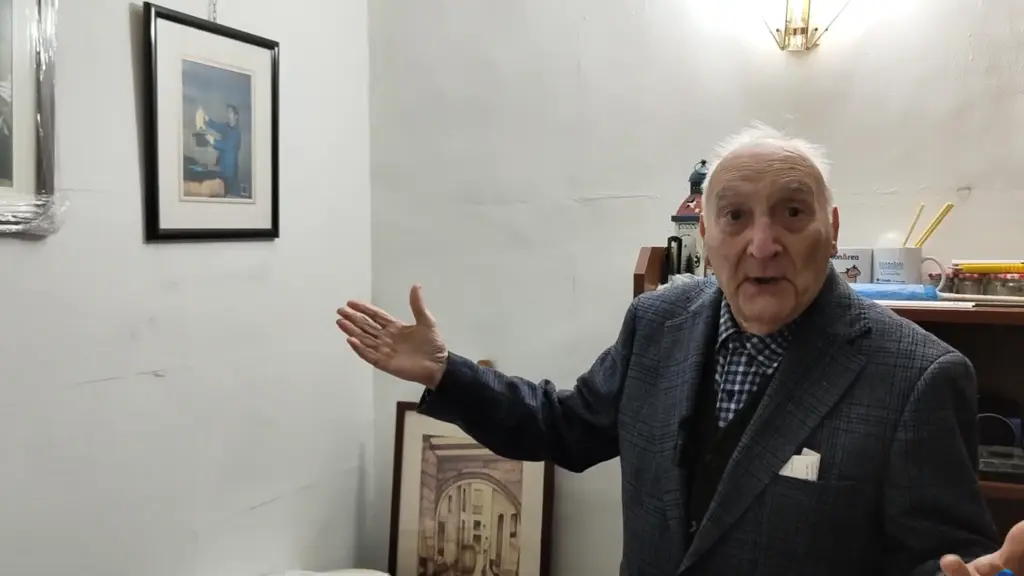
BARCELONA — Every morning, right around seven o’clock, Joan Vaello wakes up, walks to the kitchen, and before tasting a single bite of food, drinks a glass of fresh water. It is a simple, unyielding ritual he has maintained since his youth. Better known in the historic and vibrant neighborhoods of Barcelona as "El Pintao"—the painter—Vaello celebrated his landmark 100th birthday in March 2026.
To the centenarian, this morning habit is more than just an old-fashioned health myth; it is a foundational reset. "Always, before eating anything, I drink a glass of water," Vaello shared in an interview with La Vanguardia. He explained that an elder taught him the habit when he was just a young man, and he has followed it with rigorous discipline ever since. For Vaello, the glass of water serves a deeply practical and symbolic function: "It cleans me from the inside out."
What follows is an unpretentious breakfast free of strict longevity theories or modern superfood fads. He enjoys a café con leche accompanied by a croissant, an ensaimada, or a modest pastry, always consumed with strict moderation. Throughout his long life, Vaello has never smoked nor consumed alcohol.
Yet, as scientists point out, longevity is rarely about a single miracle habit. Behind Vaello’s century of life lies a rich tapestry of art, community integration, emotional resilience, and disciplined hydration—a topic backed by modern medical insights.
Main Facts: A Century of Art, Routine, and Community
Joan Vaello’s life defies the traditional narrative of aging. At 100 years old, he does not merely exist; he creates. Every single day, Vaello dedicates time to painting and writing poetry.
"I paint, even if it’s just for half an hour or twenty minutes, every day," Vaello stated. In a feature by Telecinco, he elaborated on the driving force behind his creativity: "Art brings me immense happiness."
This creative spark culminated on his centenary when Carlos Jiménez, director of the documentary El último trovador de Barcelona (The Last Troubadour of Barcelona), presented Vaello with the film as a birthday gift. Together, they published Poemas, a book compiling a selection of the roughly one hundred poems Vaello has penned throughout his life.
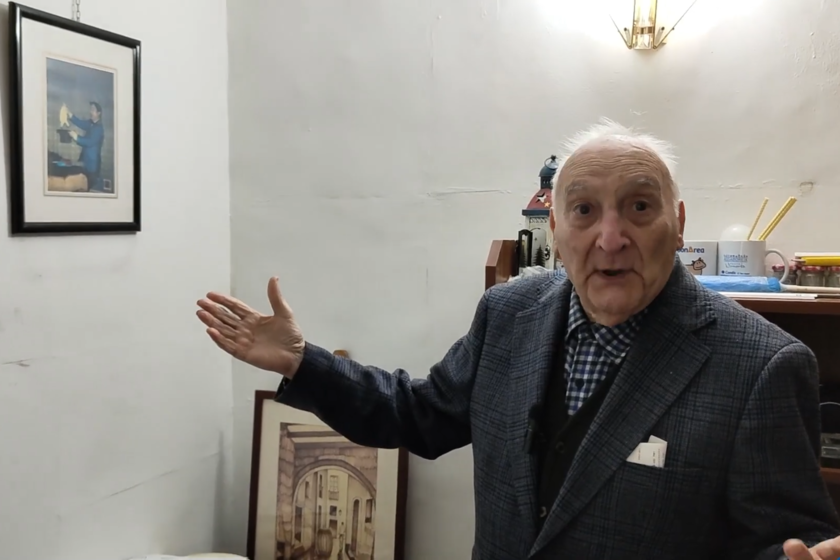
At the core of Vaello’s identity is his profound bond with the Gitano (Romani) community of Barcelona’s Raval neighborhood. After suffering the tragic loss of several family members during his youth, local residents embraced and supported him. Without any formal mentors, Vaello learned their rhythm of life: working and trading in the mornings, and gathering for coffee in the afternoons. It was these very neighbors who bestowed upon him the affectionate moniker "El Pintao."
When asked about the secret to his longevity, Vaello rejects the idea of a single magic bullet. Instead, he points to a psychological anchor: ilusión—hope, enthusiasm, and purpose. "Without enthusiasm, you fade away," he summarizes. It is this daily drive to create, connect, and work that keeps him moving forward.
Chronology: The Milestones of "El Pintao"
- March 6, 1926: Joan Vaello is born in Barcelona, Spain, entering a world that would undergo profound social, political, and cultural transformations over the next century.
- Youth: Following early family losses, Vaello finds profound social and emotional refuge within the Romani community of Barcelona’s Raval district, adopting their daily rhythms, earning the nickname "El Pintao," and shaping his lifelong worldview.
- Adulthood & Decades Past: Vaello establishes a disciplined daily lifestyle centered around moderation, creative expression through painting and poetry, absolute abstinence from tobacco and alcohol, and strict morning hydration habits.
- October 2019: Scientific consensus on morning hydration is highlighted by outlets like Maldita Ciencia, noting that drinking water on an empty stomach holds no unique metabolic advantages over drinking it at any other time of day; total daily fluid intake remains the critical metric.
- January 9, 2024: The U.S. National Library of Medicine’s MedlinePlus updates its guidelines on dehydration, cautioning that aging populations frequently experience a blunt sensation of thirst, putting them at heightened risk for insufficient fluid intake.
- March 2026: Joan Vaello officially celebrates his 100th birthday. Documentarian Carlos Jiménez releases El último trovador de Barcelona in his honor, alongside the publication of Vaello’s poetry anthology, Poemas.
- 2025–2026: A comprehensive review published in the journal Nutrients by researchers at the University of Memphis emphasizes that older adults often do not feel thirst until significant fluid deficits have already occurred, reinforcing the medical recommendation to drink fluids proactively rather than reacting to thirst.
Supporting Data: Hydration Science in Aging
While Vaello’s morning glass of water is a cherished personal ritual, science offers a more nuanced view of hydration, particularly concerning older adults.
Does the Timing Matter?
For years, wellness culture has touted the benefits of drinking water immediately upon waking. However, scientific fact-checking organizations, such as Maldita Ciencia, have long pointed out that there is no empirical evidence proving that drinking water on an empty stomach provides superior health benefits compared to drinking it at any other hour. What truly matters for metabolic and cellular health is the total volume of liquid consumed over the course of the day.
The Aging Thirst Mechanism
As humans age, physiological changes alter how the body perceives thirst. According to MedlinePlus, the authoritative health information service provided by the U.S. National Library of Medicine, many individuals progressively lose their sensitivity to thirst as they grow older. Consequently, seniors frequently fail to consume sufficient liquids.
A pivotal review published in the journal Nutrients by researchers at the University of Memphis underscores this exact vulnerability. In older adults, the biological sensation of thirst often fails to trigger until a meaningful fluid deficit has already developed. Therefore, medical experts strongly advise older individuals to drink proactively, without waiting to feel thirsty.
Practical Strategies for Maintaining Hydration
To counteract diminished thirst cues, researchers recommend several practical strategies for daily life:
- Fractional Intake: Distribute liquid consumption into small, manageable volumes throughout the day.
- Strategic Timing: Offer fluids consistently during meals, between meals, and alongside medication regimens.
- Water-Rich Foods: Incorporate high-water-content foods into the diet, such as watermelon, cucumbers, celery, lettuce, zucchini, and strawberries, alongside broths, soups, and yogurt.
- Digital Reminders: Utilize mobile applications or environmental prompts to build consistent drinking habits.
Quantifying Intake: What Do the Experts Say?
Exact fluid requirements vary widely based on body composition, climate, and activity levels. However, foundational reference points exist:
- The U.S. Institute of Medicine estimates a total daily water intake of approximately 3.7 liters for men and 2.7 liters for women, encompassing all dietary sources (food and beverages).
- According to the Mayo Clinic, practical indicators of adequate hydration include rarely feeling thirsty and producing urine that ranges from completely transparent to a very pale yellow.
Official Responses and Medical Caveats
While drinking plenty of fluids is universally encouraged, the medical community warns that a "one-size-fits-all" approach to hydration can be dangerous for certain patient populations.
Health authorities emphasize that fluid intake must be carefully calibrated in coordination with primary care physicians, especially for individuals managing chronic conditions:
- Cardiovascular and Renal Conditions: The Nutrients review explicitly warns that patients suffering from congestive heart failure or advanced kidney disease must strictly monitor and limit their fluid intake. Excessive water consumption in these patients can lead to dangerous fluid overload and clinical deterioration.
- The Impact of Medications: Diuretics ("water pills"), commonly prescribed for hypertension and edema, significantly increase the risk of dehydration. Patients taking these medications must consult their doctors to establish safe, personalized daily fluid goals.
- Recognizing Clinical Red Flags: Mild dehydration presents with symptoms such as dry mouth and dark-colored urine. However, severe dehydration triggers medical emergencies. MedlinePlus stresses that symptoms such as acute confusion, fainting spells, dizziness, or a complete lack of urination require immediate professional medical intervention.
Implications: What Joan Vaello Teaches Us About Living Well
The story of Joan "El Pintao" Vaello transcends a simple human-interest piece about a centenarian. It offers a profound blueprint for successful aging in the 21st century.
Vaello’s longevity is not the result of a single biochemical trick, nor is it dictated by rigid, obsessive adherence to wellness trends. Instead, it is built upon the intersection of four vital pillars:
- Disciplined Simple Routines: Whether it is his morning glass of water or his daily breakfast pastry enjoyed in moderation, predictable and comforting routines provide structure and psychological stability.
- Lifelong Creative Purpose: By committing to his art and poetry for even a fraction of an hour every day, Vaello maintains cognitive engagement, emotional release, and a deep sense of self-worth.
- Deep Community Roots: His integration into the Raval neighborhood and his enduring bonds with the Romani community illustrate the immense protective power of social connection, mutual aid, and belonging.
- Mental Resilience and Ilusión: Perhaps most importantly, Vaello embodies the truth that aging gracefully requires looking forward to tomorrow. By holding onto enthusiasm, curiosity, and a reason to work, he proves that the human spirit can remain vibrant long after a century has passed.
As populations worldwide age, the medical community continues to emphasize hydration, preventive care, and active lifestyles. Yet, as "El Pintao" demonstrates with every brushstroke and every morning glass of water, the true art of living long lies not just in adding years to your life, but in adding life to your years.



Leave a Reply