

Main Facts: A Monumental Milestone for Latin America’s Largest Free Rock Festival
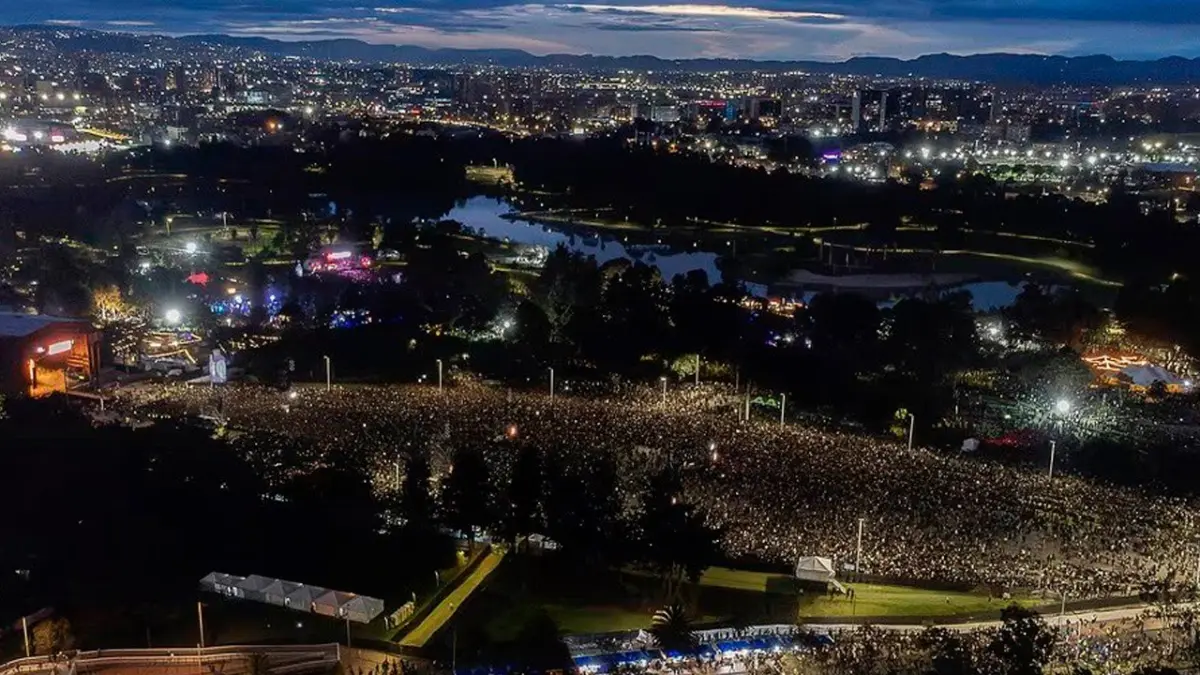
The 30th-anniversary edition of Rock al Parque has officially etched its name into the history books of global music festivals. Even before the final chords of its closing day echoed through the grounds, the festival achieved a staggering milestone: over 465,500 cumulative attendees recorded during just the first two days of the event.
Held at the sprawling Parque Metropolitano Simón Bolívar in Bogotá, Colombia, this landmark edition has shattered attendance records that stood for decades, reaffirming the festival’s unmatched cultural gravity, resilience, and enduring connection with generations of rock, metal, punk, ska, and alternative music fans.
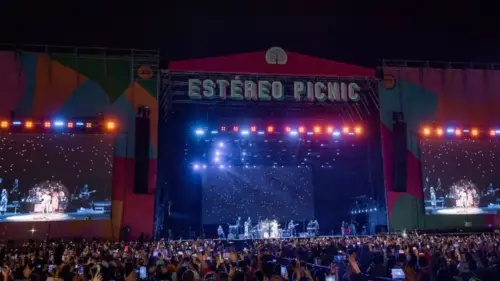
According to data released by the District Secretariat of Culture, Recreation, and Sport, the festival’s opening day on Saturday, October 10, drew an unprecedented 191,000-plus people, establishing a new all-time record for a Day 1 kickoff in the festival’s illustrious history. The momentum surged on Sunday, October 11, when an eye-popping 274,500 music lovers flooded the venue. This massive influx came during a powerhouse lineup featuring international and regional heavyweights such as Mon Laferte, Esteman, Tokyo Ska Paradise Orchestra, Gondwana, Bándalos Chinos, and Claudio Narea.
With these two monumental days in the books, Rock al Parque 2026 entered its third and final day—scheduled for the holiday Monday, October 12—already having surpassed the total attendance figures of several legendary, peak-year editions from its past.
Chronology of the Weekend: How the Record Was Broken Step-by-Step
Saturday, October 10: A Record-Breaking Opening
From the early hours of Saturday morning, the air around Parque Simón Bolívar was charged with expectation. Celebrating three decades of counterculture, peace, and musical diversity, fans lined up by the thousands well before the gates opened at 2:00 p.m.
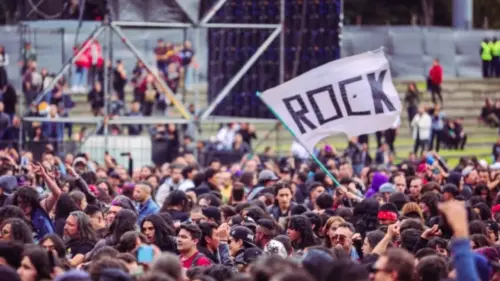
By sunset, the Secretariat of Culture confirmed what the sea of humanity made visibly obvious: more than 191,000 individuals had passed through the turnstiles. This figure instantly obliterated previous opening-day benchmarks, proving that the appetite for live rock and alternative music in the Colombian capital has never been stronger. Local and international acts alike fed off the fierce, welcoming energy of a crowd that spanned generations—from veterans who attended the inaugural 1996 festival to teenagers experiencing their very first mosh pit.
Sunday, October 11: The Mass Migration to Simón Bolívar
If Saturday’s turnout was historic, Sunday’s numbers bordered on the unbelievable. Bolstered by a genre-spanning lineup that blended alternative pop, reggae, ska, and classic Latin American rock, 274,500 people circulated through the park throughout the day and evening.
The eclectic bill created a masterclass in festival programming. Fans witnessed the theatrical, poetic rock stylings of Mon Laferte, the infectious synth-pop grooves of Esteman, the explosive brass-driven energy of the Tokyo Ska Paradise Orchestra, and the timeless reggae rhythms of Gondwana. The sheer volume of attendees created a logistical marvel, managed by hundreds of safety personnel, volunteers, and public transit coordinators to ensure the massive crowds flowed safely across the park’s four stages.
Monday, October 12: The Grand Finale
The celebration culminated on Monday, October 12, adding the final chapter to a historic weekend. While final tallies for the closing day are still being processed, the lineup alone guaranteed a massive send-off. The final day featured a ferocious mix of metal, punk, and legacy rock acts, including Ministry, Rata Blanca, Editors, Los Bunkers, Ratones Paranoicos, División Minúscula, Ghetto Kumbé, Los Elefantes, and La Severa Matacera.
Operating from 2:00 p.m. until the final notes faded at 10:00 p.m., the closing day cemented 2026 not just as a successful festival, but as a cultural watershed moment for Bogotá.
Supporting Data: Comparing 2026 to Historical Milestones
To truly understand the magnitude of Rock al Parque 2026, one must look at the historical data collected over the last 30 years. While exact counting methodologies have inevitably evolved since the festival’s inception in 1996 under the vision of curator Julio Correal and local authorities, the officially reported numbers tell a compelling story of growth.
Until this year, the festival’s highest-reported attendance milestones belonged to specific anniversary editions and banner years.
- The 2004 Decade Mark: Marking its tenth anniversary, the 2004 edition drew widespread acclaim by reporting over 400,000 attendees spread across three days.
- The 2014 Vicennial: Ten years later, the 2014 edition mirrored that success, once again hovering right around the 400,000-person mark.
- Post-Pandemic Resurgence (2023): Following the disruptions of the early 2020s, the Institute of Arts (Idartes) reported a robust comeback in 2023, drawing more than 390,000 people over three days.
- The 2015 Edition: Solidified strong mid-decade consistency with over 350,000 attendees.
Highest Attendance Records in Rock al Parque History (1996–2026)
| Rank | Edition | Cumulative Attendance |
|---|---|---|
| 1 | 2026* | More than 465,500 (First 2 days only) |
| 2 | 2004 | More than 400,000 (3 days total) |
| 2 | 2014 | Around 400,000 (3 days total) |
| 4 | 2023 | More than 390,000 (3 days total) |
| 5 | 2015 | More than 350,000 (3 days total) |
*Note: The 2026 figures represent a partial count accumulated strictly across Saturday and Sunday, prior to the inclusion of the final-day numbers on Monday, October 12.
Official Responses and Institutional Perspectives
The unprecedented turnout prompted statements from cultural leaders, municipal entities, and festival organizers who emphasized the socio-cultural importance of the event.
The District Secretariat of Culture, Recreación y Deporte, along with Idartes (Instituto Distrital de las Artes), coordinated extensive security, mobility, and sanitary operations to handle the nearly half-million bodies moving through the park. City officials noted that the festival’s ability to draw such massive crowds peacefully is a testament to the maturity of Bogotá’s concert-going public.
"Rock al Parque is not merely a music festival; it is a profound social equalizer, a democratic space where citizens from all walks of life share the same grass, the same barricades, and the same passion for sound," noted a representative from the festival’s production team.
Furthermore, public transit authorities implemented specialized operational plans for TransMilenio, extending operating hours and increasing feeder bus frequencies around the Parque Simón Bolívar to safely disperse the massive crowds each night. City planners pointed out that the festival acts as a major economic engine for Bogotá, boosting the hospitality, tourism, and gastronomy sectors over the holiday weekend.
Implications: What the 2026 Record Means for the Future of Rock al Parque
The staggering success of Rock al Parque’s 30th-anniversary edition carries several vital implications for the future of the festival, the city of Bogotá, and the wider Latin American live music landscape.
1. The Undying Vitality of Rock and Alternative Music
For years, cultural critics have periodically questioned whether rock music retains its cultural dominance in an era dominated by reggaeton, trap, and electronic dance music. The numbers from Parque Simón Bolívar decisively put those doubts to rest. When curated thoughtfully, rock, metal, punk, and alternative music still possess an unmatched ability to mobilize hundreds of thousands of people in a single location.
2. Logistical and Infrastructure Challenges
While breaking records is a cause for celebration, an attendance of over 465,500 people in just 48 hours—climbing well past the half-million mark once Monday’s numbers are tabulated—places extraordinary demands on municipal infrastructure. Moving forward, city planners and festival organizers will need to innovate further regarding crowd control, environmental sustainability, waste management, and venue capacity at Parque Simón Bolívar to ensure that growth does not compromise attendee safety or comfort.
3. A Global Benchmark for Free Cultural Access
Rock al Parque remains one of the few free-admission mega-festivals in the world of this scale. Its survival and triumphant growth over three decades demonstrate that public funding for the arts, when managed effectively, can yield monumental dividends in social cohesion, international tourism, and civic pride.
As the echoes of the 30th-anniversary edition fade, Rock al Parque 2026 leaves an indelible standard—not just for future iterations of the festival, but for large-scale public music events across the globe.

Leave a Reply