

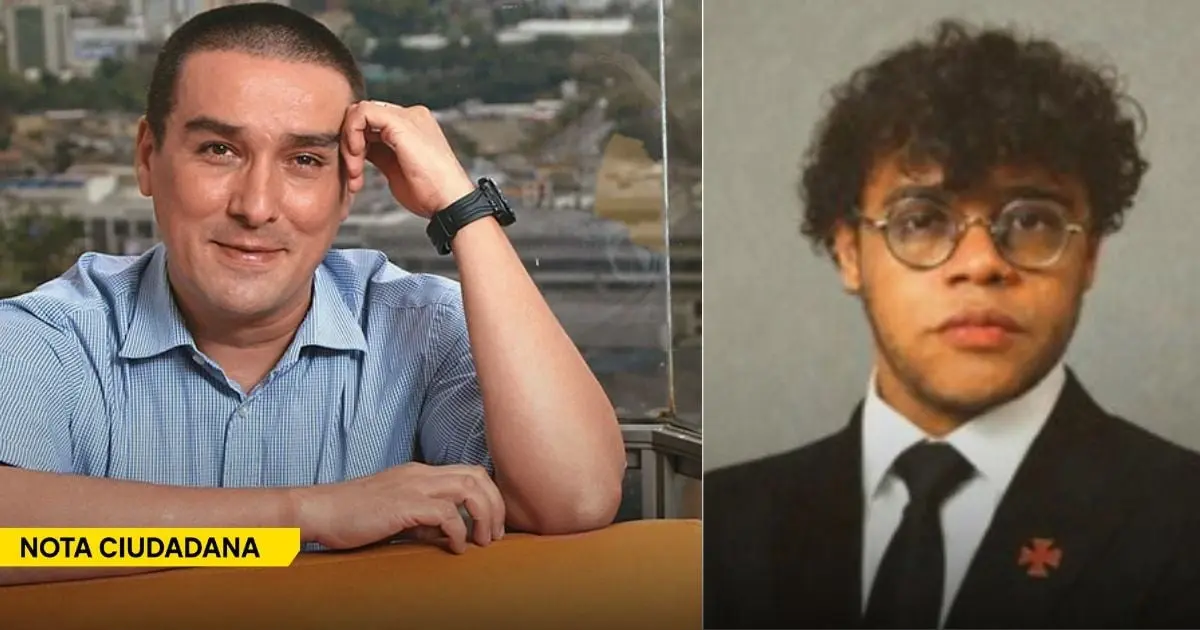
By Brandon Stiven Royero Cadena
Special Analysis for International Legal and Political Desk
Main Facts
The landscape of digital political discourse in Latin America has once again ignited a fierce debate regarding the boundaries of freedom of expression, digital harassment, and penal accountability. Julio César González Quiceno—widely recognized across the region by his pseudonym "Matador," a prominent Colombian political cartoonist and digital activist—has sparked widespread outrage and potential legal exposure following a volatile social media post.
Using his verified personal account on the platform X (formerly Twitter), operating under the handle @Matador000, González Quiceno launched a direct and aggressive attack against the First Lady, Ana Lucía Pineda. In a single publication, the cartoonist labeled her a "ratita" (little rat) and directly accused her of embezzlement, alleging that she had stolen humanitarian donations designated for victims of a devastating earthquake that struck multiple cities on August 10. Beyond the financial corruption allegations, which lacked verified substantiation, the digital post escalated into personal defamation when Matador mocked Pineda’s physical appearance, explicitly referring to her as "patiraquítica" (a derogatory Spanish term mocking someone’s thin or weak legs).
This high-profile incident has immediately polarized public opinion, drawing sharp lines between defenders of absolute free speech in the digital age and legal experts who argue that deliberate defamation, misogynistic abuse, and unfounded criminal accusations cross the definitive line separating protected political opinion from punishable offenses. While formal criminal or civil charges have not yet been officially filed at the time of this publication, the gravity of the accusations and the profile of the figures involved suggest that this digital altercation could transition swiftly from the realm of social media controversy into a complex courtroom battle.
Chronology of Events
To fully understand the gravity and context of Matador’s recent statements against First Lady Ana Lucía Pineda, it is essential to trace the timeline of events that preceded this digital outburst, as well as the immediate fallout from the publication on X.
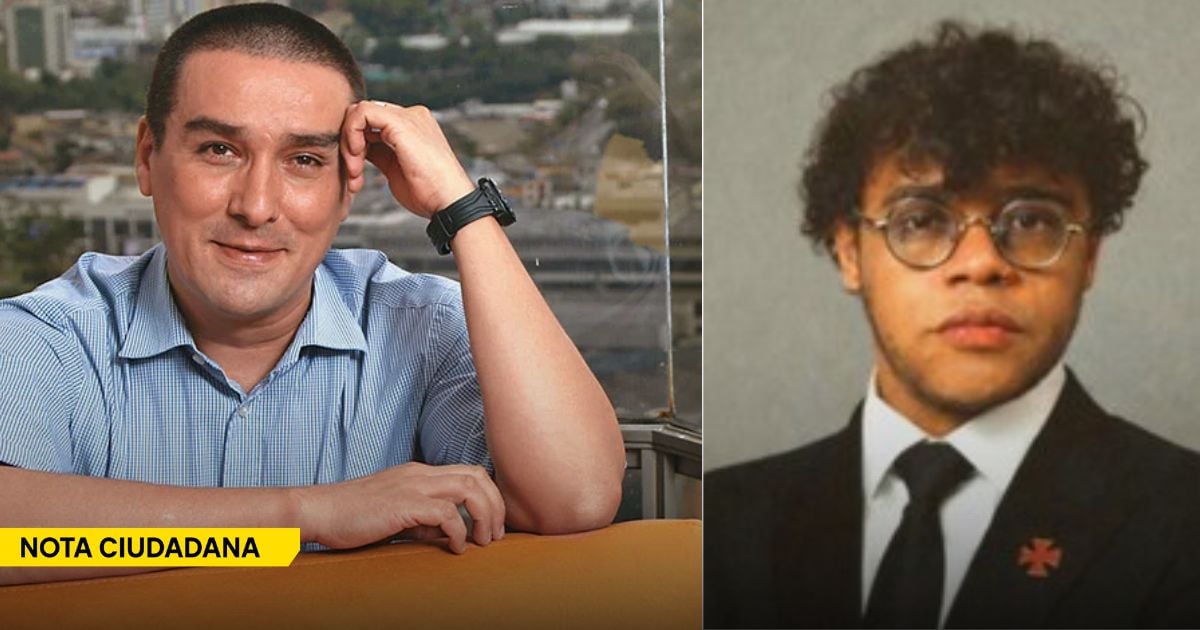
- August 10: A high-magnitude earthquake strikes multiple urban centers, leaving widespread infrastructural devastation, displacement, and economic hardship in its wake. In response, national solidarity campaigns and humanitarian aid funds are rapidly established to assist the affected populations.
- Mid-August: First Lady Ana Lucía Pineda becomes actively involved in coordinating, overseeing, or promoting transparency initiatives surrounding the distribution of the humanitarian aid destined for the earthquake victims.
- Late August (The Incident): Julio César González Quiceno ("Matador"), utilizing his personal X account (
@Matador000), publishes a post targeting Ana Lucía Pineda. In the tweet, he accuses her of misappropriating or "stealing" the disaster relief donations. Within the same digital breath, he degrades her character by calling her a "ratita" and ridicules her physical stature by dubbing her "patiraquítica." - Immediate Aftermath: The tweet generates massive digital engagement, instantly drawing condemnation from government officials, legal scholars, and civil society organizations. Critics point out the vitriolic and gender-based nature of the insults, while supporters of the cartoonist attempt to frame the comments within the traditional boundaries of political satire and anti-establishment critique.
- Present Day: Legal analysts begin evaluating the structural parallels between Matador’s case and recent judicial precedents in the country involving digital harassment and hate speech, raising questions about whether the Colombian judicial system will initiate an investigation ex officio or wait for a formal complaint from the First Lady’s legal representation.
Supporting Data and Legal Precedents
The legal vulnerability facing Matador does not exist in a vacuum; it is heavily influenced by recent judicial history regarding freedom of speech and digital harassment in the country. A vital precedent that frames this discussion involves the case of Armando Paternina—widely known in digital networks as "Armando Capito."
Paternina became the center of a historic judicial proceeding that fundamentally reshaped how authorities prosecute discriminatory speech online. He faced severe prosecution after public statements in which he claimed that the former Vice President, Francia Márquez, exhibited "primitive behaviors." This rhetoric was aggressively reinterpreted and magnified by prosecutors to the point where legal documents and charging instruments accused Paternina of effectively comparing the high-ranking Afro-descendant official to a gorilla.
The prosecution in Paternina’s case pursued an aggressive and uncompromising strategy, originally seeking a sentence of eight years of imprisonment (pena intramural). The state’s legal apparatus, backed by aggressive defenders of the alleged victim, argued that Paternina’s digital discourse constituted targeted harassment, systemic discrimination, and severe damage to the public figure’s good name.
However, the case collapsed under judicial scrutiny. Because the original statements were fully accessible on public platforms, the trial judge was able to review the empirical evidence and determine that the actual content of Paternina’s statements fell drastically short of the state’s extreme accusations. Consequently, Paternina was acquitted in the first instance.
Legal scholars note that had Paternina been successfully convicted under those sweeping charges, it would have created a chilling legal precedent, placing hundreds of thousands of ordinary social media users across various platforms at immediate risk of criminal prosecution for routine political dissent, hyperbole, or sharp criticism of public figures.

Now, legal analysts are turning their attention to Matador’s case to determine whether the judiciary will apply these same evidentiary standards or if the distinct nature of the cartoonist’s attacks—which mix political corruption allegations with direct physical insults—will produce a different legal outcome.
Official Responses and Public Reactions
The public sphere has erupted into a fierce debate over the limits of expression, with stakeholders from various sectors expressing deeply polarized views.
Independent media outlets and freedom of expression watchdogs have emphasized the delicate balance required when public officials—who traditionally must endure a higher threshold of public scrutiny and criticism than private citizens—become the targets of sharp satire. However, even among staunch defenders of free speech, a consensus is emerging that malicious fabrications regarding the theft of humanitarian aid during a national disaster transcend acceptable political critique, entering the dangerous territory of disinformation and public incitement.
Furthermore, women’s rights organizations and gender equality advocates have strongly condemned the use of terms like "patiraquítica" and "ratita." These groups argue that attacking a woman in power based on her physical appearance and utilizing diminutive, degrading terminology is not political commentary, but rather a manifestation of gender-based political violence designed to silence and humiliate women in the public eye.
Meanwhile, representatives of the political administration have expressed deep concern over the normalization of digital violence, warning that the unchecked spread of unverified accusations on social media undermines institutional trust during times of national crisis. As of yet, the office of the First Lady has not issued a formal, binding legal statement regarding whether they will pursue criminal litigation for slander and calumny, though sources close to the administration suggest that legal teams are actively reviewing the digital archives.

Implications: Where Does Free Speech End and Criminal Liability Begin?
The unfolding controversy surrounding Julio César González Quiceno ("Matador") forces a critical re-examination of the boundaries governing digital communication, political cartooning, and penal law.
If legal proceedings are formally initiated against Matador, he could potentially face a cumulative battery of charges. Beyond the standard scrutiny applied to political commentary, legal experts suggest he could be judged under the exact legal frameworks that targeted Armando Capito, compounded heavily by traditional criminal counts of injuria (slander/defamation) and calumnia (false accusation of a crime) due to his explicit insinuation that the First Lady stole earthquake relief funds.
Compounding his legal exposure is the cartoonist’s own documented history. Matador has previously found himself embroiled in high-profile legal controversies, including a domestic violence process stemming from formal accusations filed by his former spouse. Critics argue that this prior background, combined with a persistent pattern of aggressive digital confrontation, could weigh heavily against him if a judge is tasked with evaluating his propensity for harassment.
The Toned-Down Reality of Digital Accountability
The fundamental question remaining in this case is whether the justice system will act with consistency, adhering to the precedents established in prior acquittals, or if it will carve out a harsher stance given the directness and severity of the accusations.
What remains indisputable is that the invisible line demarcating the border between protected political opinion and prosecutable criminal behavior has been unmistakably highlighted once again. In the modern era of hyper-connected digital discourse, social media influencers, political activists, and satirical cartoonists are learning that the shield of "freedom of expression" is not absolute. When criticism metastasizes into fabricated criminal allegations, targeted bodily shaming, and gender-based degradation, the digital realm ceases to be a safe harbor for unchecked expression, opening the door wide to the full weight of judicial accountability.




Leave a Reply