

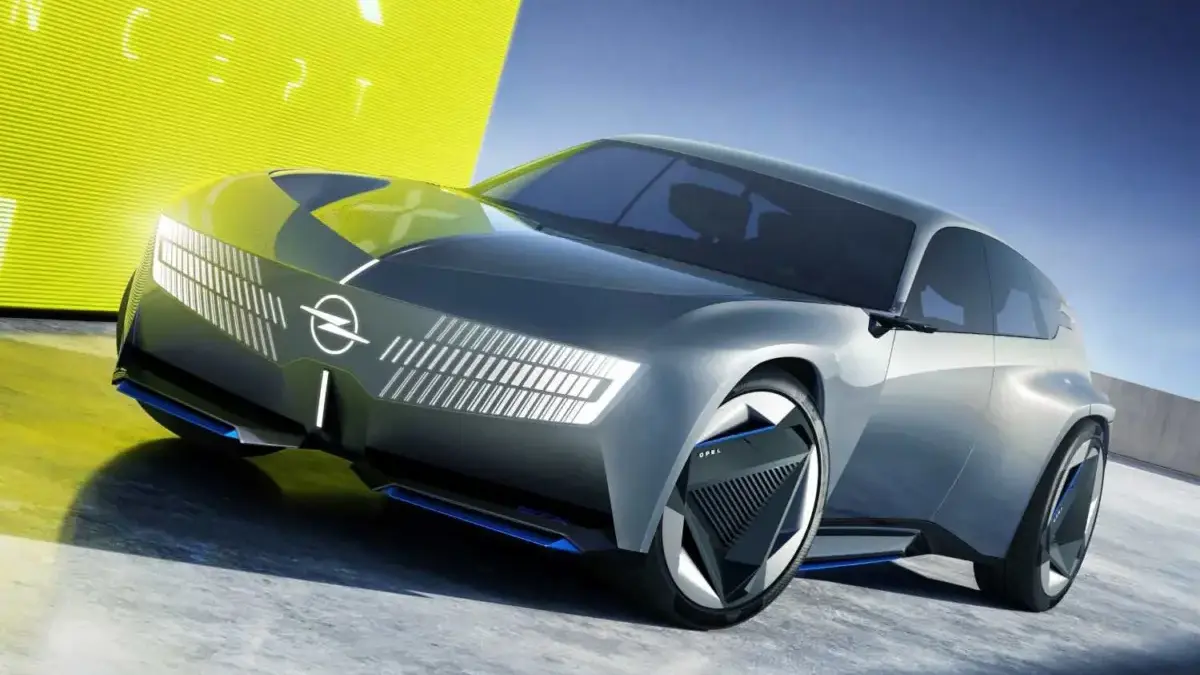
PARIS — In an automotive landscape currently saturated by high-riding utility vehicles and bulky crossovers, Opel has decided to look backward into its storied history to chart a defiant future. Ahead of the Paris Motor Show, the German marque operating under the Stellantis umbrella unveiled the Opel Sports Tourer eXperimental Concept—universally known as the STX Concept.
Far from a mere design exercise, this sleek, low-slung, all-electric estate car serves as a rolling manifesto. Opel is sending an unambiguous message to the global automotive market: the traditional wagon, or Sports Tourer, is not dead. Instead, the brand believes it is uniquely primed for a renaissance in the electric era, offering superior aerodynamics, optimized energy efficiency, and a refined driving dynamic that towering SUVs simply cannot match.
Main Facts
The Opel STX Concept is a design and technological blueprint engineered to preview the brand’s next generation of zero-emission family vehicles.
- Powertrain & Performance: Built upon a dedicated electric vehicle (EV) architecture featuring electronic all-wheel drive, Opel has kept tight-lipped regarding battery capacity, cell chemistry, and precise driving range. However, engineers have confirmed that the STX Concept is engineered to achieve a top speed exceeding 200 km/h (124 mph), prioritizing sustained high-speed autobahn cruising without sacrificing battery efficiency. Industry insiders speculate a dual-motor setup (one on each axle), though official confirmation is pending.
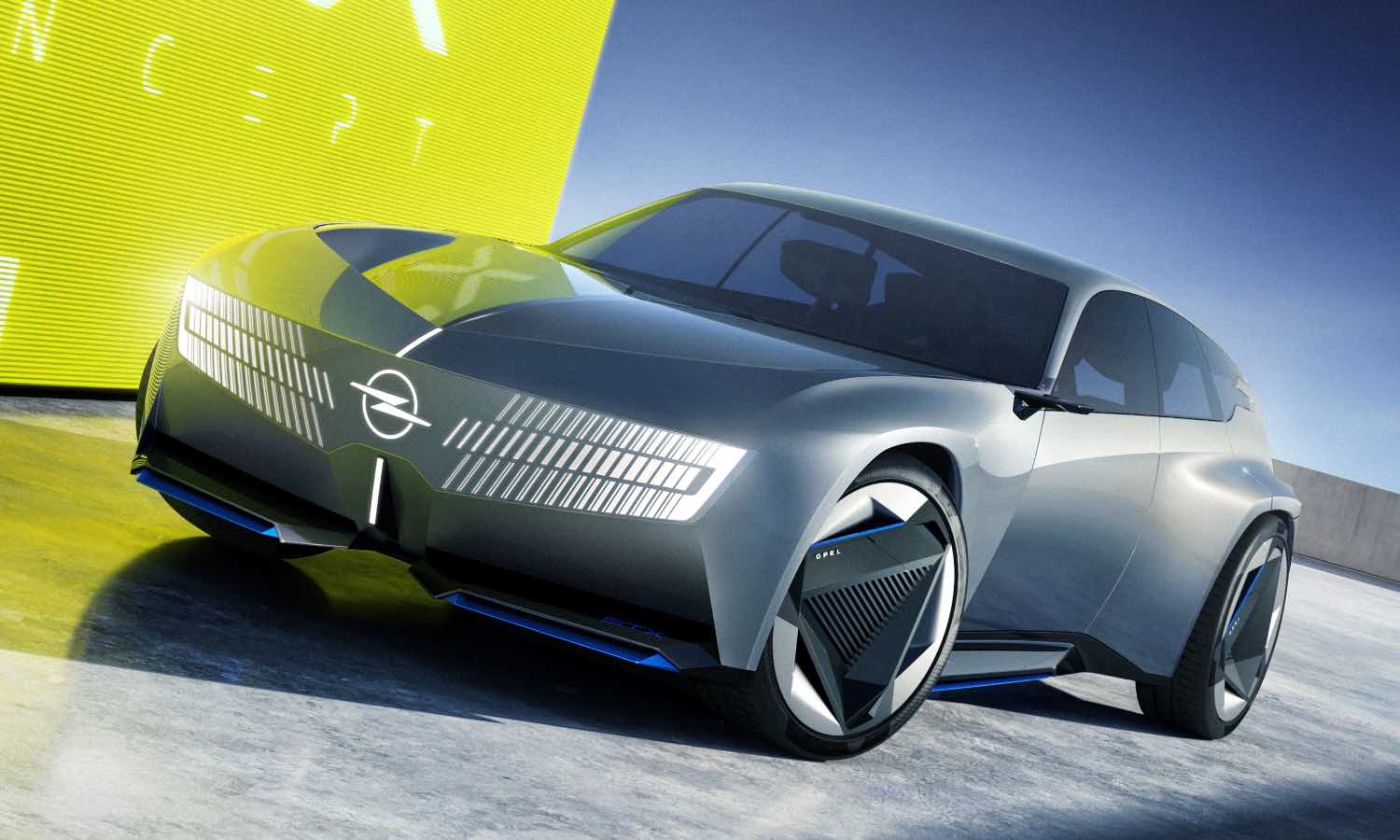
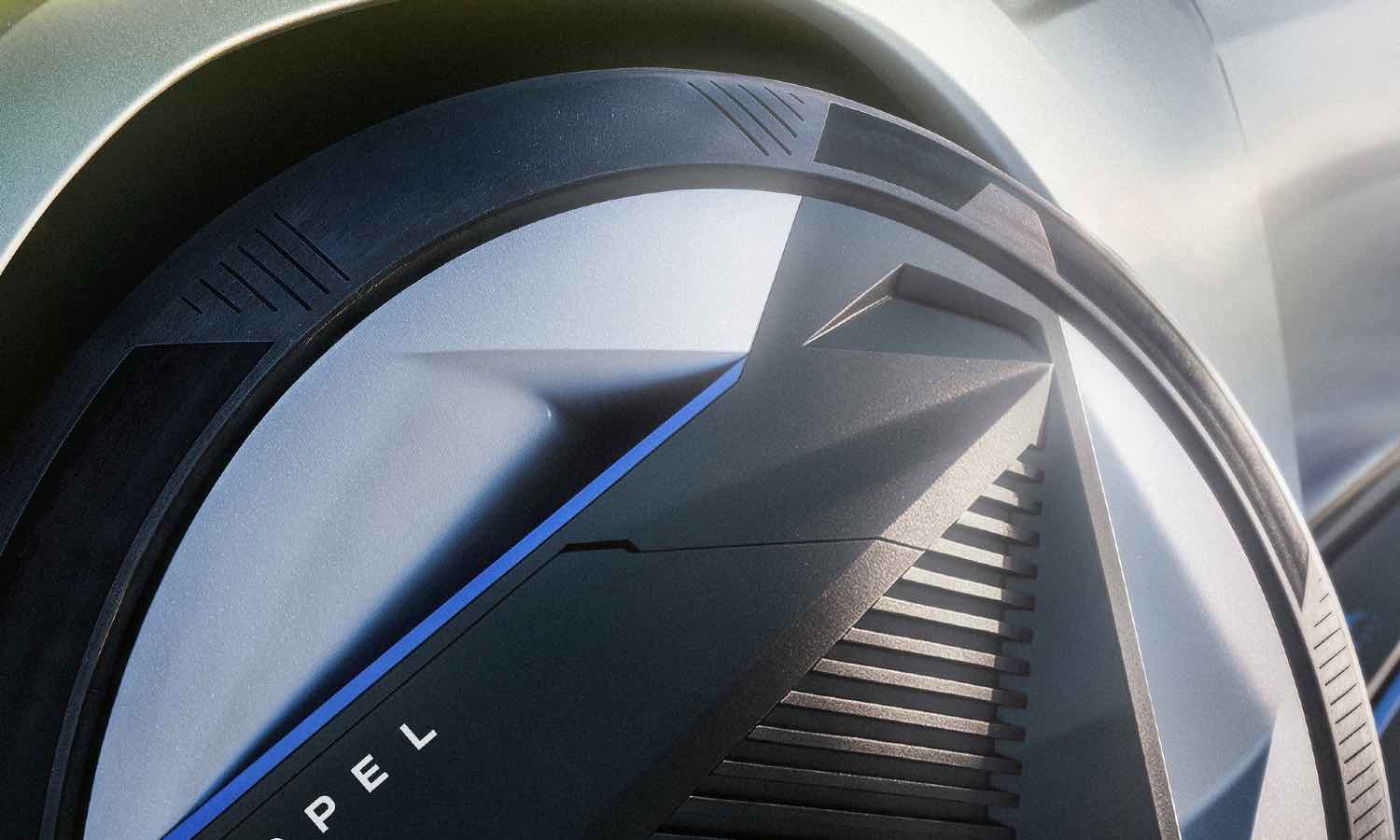
- Exterior Dimensions & Aerodynamics: The vehicle sits on massive 22-inch, three-section alloy wheels wrapped in specialized Goodyear tires sized 285/35 R22. Traditional side mirrors have been scrapped in favor of high-definition digital exterior cameras, and door handles are entirely flushed to maintain a monolithic surface.
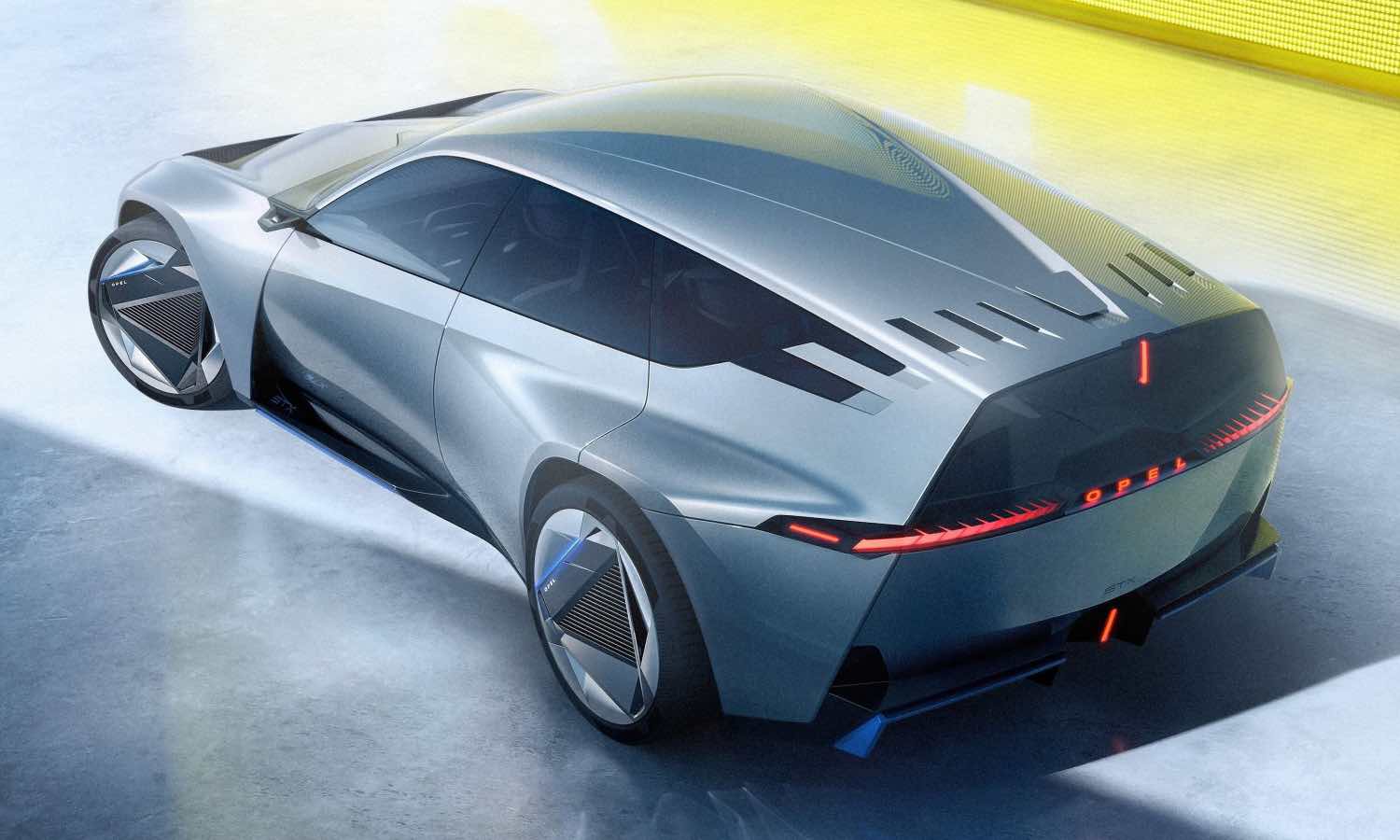
- Active Aerodynamics: True to its concept lineage, the STX features active aero elements. At highway speeds, striking blue rear diffusers deploy from the underbody, while vertical elements behind the rear wheels extend outward to minimize wake turbulence and optimize directional stability.
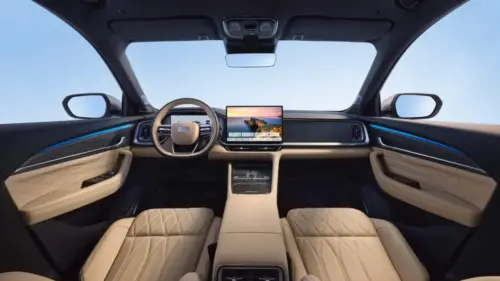
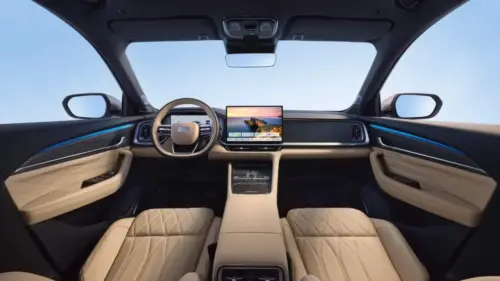
- Interior Philosophy: Adhering to the "Painting with Light" design language previously showcased in the 2023 Opel Experimental and the 2025 Corsa GSE Vision Gran Turismo, the cabin relies on immersive, customizable ambient illumination rather than inert physical trim. Drivers are greeted by a squared-off steering wheel and lightweight seating construction.
Chronology: The Road to Paris
The unveiling of the STX Concept is the culmination of a strategic rollout by Opel and its parent company, Stellantis.
- 1953 (The Foundation): Opel’s heritage in the family estate segment officially began with the introduction of the Olympia Rekord Caravan, establishing a multi-decade legacy that later spawned iconic European mainstays like the Kadett Caravan and the modern Astra Sports Tourer.
- September 2023: Opel first introduced its "Painting with Light" interior design paradigm with the debut of the Opel Experimental concept, establishing a new visual vocabulary focusing on light as an interactive medium.
- 2025: The design language matured with the debut of the Corsa GSE Vision Gran Turismo, bridging the gap between digital motorsport gaming culture and real-world electric performance design.
- October 2026 (Pre-Paris Motor Show): Stellantis hosted an exclusive preview event ahead of the official Paris Motor Show (running from October 12 to 18). Opel officially pulled the wraps off the STX Concept during a digital and in-person media briefing, positioning it alongside motorsport projects like the GSE 27FE Formula E single-seater.
- October 12, 2026 (11:10 AM CEST): Opel’s official press conference at the Paris Porte de Versailles exhibition center, where executives are slated to discuss the brand’s roadmap toward electrification and the philosophical reasoning behind returning to low-slung body styles.
Supporting Data & Heritage Analysis
To fully understand why Opel is investing design capital into a non-SUV electric concept, one must look at shifting consumer paradigms and engineering realities in the European market.
The Aerodynamic Advantage
In the electric vehicle ecosystem, aerodynamic drag is the ultimate enemy of range. While a standard mid-size SUV presents a frontal area and drag coefficient ($C_d$) that heavily penalizes high-speed battery conservation, a low-slung estate car naturally cuts through the air with far less resistance.
[Vehicle Type]        [Typical Drag Coeff. (Cd)]  [High-Speed Efficiency]
---------------------------------------------------------------------------
Traditional SUV       0.32 – 0.36                 Low (High drag penalty)
Crossover             0.30 – 0.33                 Moderate
STX Concept (Est.)    < 0.26 (Projected)          High (Optimized via Active Aero)
By integrating active rear diffusers and wind-cheating 22-inch wheels, the STX Concept addresses the Achilles’ heel of long-distance EV travel: massive battery depletion at sustained highway speeds.
A Nod to History
Opel’s lineage of practical load-luggers spans over seven decades. When the Olympia Rekord Caravan rolled off production lines in 1953, Europe was recovering from industrial rebuilding, and families required rugged, multi-purpose transport. Subsequent decades saw iterations like the Ascona, Vectra, Insignia, and Astra Sports Tourer capture millions of European buyers.
By tying the STX Concept to this historical lineage, Opel is attempting to reassure legacy buyers that electrification does not require abandoning traditional European vehicle formats in favor of heavy, high-riding crossovers.
Official Responses and Executive Stance
Opel management has maintained a measured, pragmatic stance regarding the STX Concept. While automotive journalists and brand purists immediately began clamoring for a production timeline, executives have repeatedly emphasized that the vehicle is a design study rather than a finalized assembly-line model.
"The STX Concept is a physical declaration of our design philosophy and engineering capabilities," stated a senior Opel spokesperson during the preliminary briefings in Paris. "While the market has experienced an understandable rush toward SUVs, we know that European drivers still value the fundamental physics of a well-proportioned, highly aerodynamic estate. We are showing what is possible when you combine electric mobility with classic touring proportions."
When pressed by reporters on whether a production variant of the STX would hit dealerships by the end of the decade, executives remained guarded. They noted that while a direct, 1:1 commercial replica is not currently scheduled, the structural geometry, advanced lighting architecture, and active aerodynamic lessons learned from the STX will directly influence upcoming passenger cars within the Opel and Stellantis portfolio.
Implications for the Market and Future Lineups
The debut of the Opel STX Concept carries significant implications for both the brand’s immediate trajectory and the broader European automotive sector.
1. Shaping the Next-Generation Astra and Corsa
Industry analysts widely interpret the STX Concept as a stylistic precursor to future vehicle iterations. Rumors within European automotive circles suggest that the design language—particularly the illuminated iteration of the Opel Vizor and Compass front fascia—will heavily influence the next generation of the Opel Astra, currently the sole remaining traditional wagon in the brand’s commercial lineup. Furthermore, speculation points toward aesthetic trickle-down effects for future iterations of the Opel Corsa projected for late-decade releases.
2. Pushing Back Against the Crossover Monoculture
For years, profit margins on SUVs have dictated product portfolios across nearly every major automotive manufacturer, often at the expense of sedans, hatchbacks, and estates. By introducing a striking, premium electric wagon, Opel is testing consumer appetite for an alternative form factor. If public reception at the Paris Motor Show proves overwhelmingly positive, it may embolden other European manufacturers to reconsider low-slung, highly efficient alternatives to heavy electric SUVs.
3. The Technical Blueprint for Long-Range Touring
As public charging infrastructure continues to mature, consumer anxiety is shifting from range-per-charge in city driving to energy consumption during long-distance holiday road trips. The STX Concept’s emphasis on active aerodynamics, lightweight interior components, and a high-speed autobahn threshold (>200 km/h) signals a maturation in EV engineering. Future electric fleets will likely need to adopt similar low-profile aerodynamics to meet consumer demands for high-speed efficiency without resorting to excessively heavy battery packs that degrade driving dynamics.
Conclusion
The Opel STX Concept stands as a fascinating intersection of nostalgia and futuristic engineering. By refusing to surrender the family estate segment to the relentless march of the SUV, Opel has staked a claim on efficiency, aerodynamic purity, and heritage.
While it remains an exercise in imagination and technical capability for the time being, the STX offers a tantalizing glimpse into a road ahead where electric driving does not mean sacrificing classic proportions, driving dynamics, or elegance. As the doors of the Paris Motor Show open, all eyes will be on Opel to see how much of this electric rebel eventually finds its way into showrooms across Europe.

Leave a Reply