

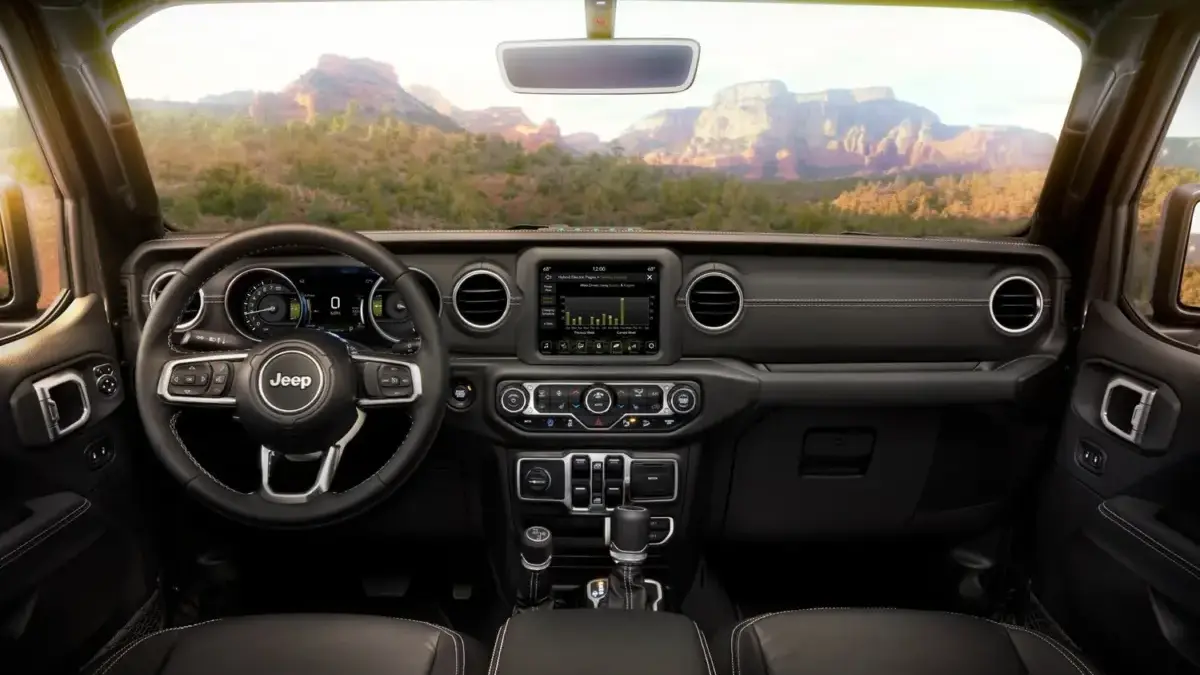
When a stray stone on the highway leaves a star-shaped crack or a creeping fissure across a driver’s field of vision, the instinctual reaction is straightforward: visit a local auto glass shop, have the windshield replaced, and wipe the slate clean. For decades, this was a routine, mechanical task akin to swapping out a pair of worn windshield wipers or changing a headlight bulb.
However, the rapid evolution of automotive engineering has fundamentally rewritten this narrative. In the modern era of software-defined and heavily automated vehicles, the windshield is no longer merely a transparent barrier keeping wind, rain, and insects at bay. Instead, it serves as an engineered structural platform and an optical portal for a sophisticated suite of electronic eyes and ears—commonly known as Advanced Driver Assistance Systems (ADAS).
Neglecting the recalibration of these systems after a windshield replacement is the modern equivalent of driving with an improperly prescribed pair of eyeglasses: the world may remain visible, but the brain’s ability to interpret depth, distance, and threat levels is dangerously skewed. As regulatory bodies tighten safety standards and vehicle architectures become increasingly reliant on computer vision, understanding the nuances of ADAS recalibration is no longer just a technical footnote for mechanics—it is a vital safety imperative for every motorist.
Main Facts: What is ADAS and Why Does a New Windshield Disrupt It?
To comprehend the necessity of recalibration, one must first understand the anatomy of modern vehicle safety. Advanced Driver Assistance Systems leverage an array of sensors, but front-facing optical cameras mounted directly behind the rearview mirror—often nestled against or bracketed to the upper center of the windshield—are the primary workhorses. These cameras act as the vehicle’s primary visual cortex, working in tandem with front-facing radar units and ultrasonic sensors to map the environment in real time.
The Physics of Micro-Displacements
Even the highest-quality OEM (Original Equipment Manufacturer) replacement windshields are subject to microscopic physical and optical variances. During a windshield swap, the old glass is excised, the adhesive bead is laid down afresh, and the new glass is pressed into the frame.
While human hands and robotic arms strive for perfection, a variance as small as a single fraction of a millimeter—or a tiny deviation in the curvature of the glass—can drastically alter the trajectory of the camera’s lens. Because these cameras look far down the road, a microscopic error at the mounting point is optically magnified over distance. A camera pointing just 0.5 degrees too high or too low can cause the vehicle’s computer to miscalculate the distance to a leading vehicle by several meters, or fail to recognize a pedestrian stepping into a crosswalk until it is too late.
Critical Systems Vulnerable to Misalignment
When ADAS cameras fall out of calibration, multiple critical active safety functions can be compromised without triggering a visible dashboard warning light:
- Autonomous Emergency Braking (AEB): Relies heavily on accurate depth and distance perception to initiate braking when an impending collision is detected.
- Lane Keeping Assist (LKA) and Lane Departure Warning (LDW): Depend on precise visual tracking of lane markings to center the vehicle or alert the driver if drifting occurs.
- Adaptive Cruise Control (ACC): Uses visual and radar data to maintain a safe following distance from the vehicle ahead.
- Traffic Sign Recognition (TSR): Scans speed limit and warning signs along the roadside; misalignment can lead to incorrect data fed to the instrument cluster.
Chronology: The Evolution from Passive Glass to Active Safety Hubs
The integration of electronics into automotive glass did not happen overnight. Tracking the evolution of the windshield highlights how quickly the automotive industry transitioned from purely structural glazing to high-tech command centers.
- Pre-2010s (The Passive Era): Windshields were strictly laminated safety glass designed to prevent occupant ejection and protect against wind blast and debris. Rain sensors began to appear in luxury vehicles, but they required minimal electronic syncing.
- Early to Mid-2010s (The Advent of Driver Aids): Forward-facing monocular cameras began appearing on high-end production models to support basic lane-departure warnings and high-beam assist. Recalibration was rarely standardized, often performed only by main dealerships using proprietary diagnostic tools.
- Late 2010s to 2020s (Regulatory Mandates and Stereo Vision): Safety organizations, such as the European New Car Assessment Programme (Euro NCAP) and the Insurance Institute for Highway Safety (IIHS) in the United States, began heavily weighting vehicle safety ratings based on standard ADAS equipment. Stereo cameras, capable of true 3D depth perception, became mainstream. Windshield replacement providers were forced to rapidly adopt dedicated ADAS calibration hardware and software.
- Present Day (Autonomous Horizon Integration): Modern vehicles integrate augmented reality head-up displays (AR-HUD), infrared night-vision cameras, and complex sensor fusion suites directly into or immediately adjacent to the windshield zone. Calibration is now a legally mandated protocol in many jurisdictions following structural or glass repairs.
Supporting Data and Technical Methods: Static vs. Dynamic Calibration
Automotive technicians cannot simply guess whether a camera is aligned; they must follow rigorous manufacturer-specified procedures utilizing two primary calibration methodologies: Static and Dynamic.
1. Static Calibration
Static calibration takes place within a controlled workshop environment.
- The Setup: The vehicle is positioned on a strictly level surface facing large, high-precision target boards printed with specific geometric patterns.
- The Process: Technicians connect a specialized diagnostic scan tool to the vehicle’s OBD-II (On-Board Diagnostics) port. The diagnostic software communicates directly with the camera control module, instructing the sensor to take pictures of the target boards. By measuring the offset between where the camera sees the target and where the target actually is according to factory coordinates, the software recalibrates the internal algorithms of the camera.
- Environmental Needs: Lighting must be uniform, free of glare, and the workshop must provide adequate space to meet precise dimensional requirements (often requiring up to several meters of clearance in front of the vehicle).
2. Dynamic Calibration
Dynamic calibration relies on the vehicle’s ability to "learn" its environment while being driven in the real world.
- The Setup: A diagnostic tool is connected to initiate the calibration mode, and the technician takes the vehicle out onto public roads or highways.
- The Process: The vehicle must be driven at specific, steady speeds (frequently between 40 mph and 65 mph) over roads with clear, high-contrast lane markings. As the vehicle cruises, the camera continuously processes passing infrastructure, lane dividers, and road signs, automatically adjusting its alignment parameters until it matches factory baselines.
- Hybrid Approaches: Many modern vehicle manufacturers (such as those within the Volkswagen Group, Stellantis, or Asian conglomerates) require a combination of both methods—starting with a static target setup in the shop followed by a validation drive on the highway.
Prerequisite Vehicle Conditions
Calibration is an exacting science. A technician cannot successfully calibrate a system if underlying vehicle geometry is flawed. Prior to initiating either calibration method, the shop must verify:
- Tire Pressures: Must be precisely adjusted to manufacturer specifications. Incorrect pressure alters the rake and pitch of the chassis.
- Wheel Alignment: The vehicle’s steering geometry must be true.
- Vehicle Load: The trunk and cabin must be free of heavy, uncharacteristic cargo that could skew the vehicle’s ride height.
- Diagnostic Clearence: The car’s electronic control units (ECUs) must be free of unrelated diagnostic trouble codes (DTCs).
Official Responses and Regulatory Perspectives: Industry and Safety Standards
Safety watchdogs, glass manufacturers, and insurance associations have adopted an uncompromising stance regarding ADAS recalibration.
According to guidelines issued by automotive safety organizations and major insurance adjusters, recalibration is not an optional upsell—it is a mandatory repair step. Failing to calibrate an ADAS-equipped vehicle after a windshield replacement constitutes an improper repair, exposing the vehicle owner and the repair facility to severe legal and liability risks.
The Insurer’s Dilemma
Insurance companies have increasingly updated their claims processing protocols to automatically approve ADAS calibration costs alongside windshield replacements. Industry data indicates that the cost of a professional recalibration typically ranges between $150 and $400 USD (€150 to €300), depending on the complexity of the sensor array and whether radar modules embedded in the bumper or glass require auxiliary adjustments. Insurers recognize that absorbing this cost upfront is far more economical than dealing with the catastrophic financial and human toll of a rear-end collision caused by an uncalibrated emergency braking system.
The Inspection Process (MOT / ITV / State Inspections)
While periodic vehicle inspections (such as the ITV in Spain, the MOT in the UK, or state safety inspections in the US) traditionally focused on mechanical wear and visible glass cracks, inspectors are increasingly trained to look for electronic integrity. A dashboard illuminated with ADAS fault codes, or physical evidence of a recent windshield replacement lacking accompanying calibration documentation, can result in an immediate inspection failure.
Implications: What This Means for Drivers and Second-Hand Buyers
The reality of ADAS-equipped windshields reshapes how vehicle owners approach routine maintenance, repairs, and the pre-owned car market.
1. Choosing the Right Repair Facility
When a windshield breaks, vehicle owners can no longer simply call the cheapest mobile glass-repair service for a driveway replacement unless that service is fully equipped with certified diagnostic hardware and trained technicians. Drivers should always explicitly ask glass replacement shops: "Are you equipped to perform OEM-compliant ADAS recalibration, or will the car need to be sublet to a dealership?"
2. Pitfalls in the Used Car Market
Purchasing a second-hand vehicle requires heightened diligence. A replacement windshield that lacks proper documentation or exhibits poor sealant application can be a silent red flag. Buyers should:
- Inspect the lower corners of the windshield for the manufacturer’s branding (OEM vs. aftermarket glass).
- Request a complete service history and specific invoices proving that ADAS recalibration was performed if the windshield was ever replaced.
- Run a comprehensive OBD-II diagnostic scan during a pre-purchase inspection to verify that no hidden sensor communication or calibration error codes are stored in the vehicle’s memory.
3. Everyday Maintenance Habits
Vehicle owners must also practice good day-to-day stewardship of their safety systems. Placing toll tags, decorative stickers, or parking passes directly over the optical housing behind the rearview mirror can blind the cameras. Regular cleaning of the windshield—especially in the triangular zone swept by the wipers where the camera looks out—ensures that dirt, road grime, and salt residue do not degrade system performance.
Conclusion
The modern automobile is effectively a rolling computer network encased in steel and glass. As advanced driver assistance systems transition from luxury novelties to fundamental safety nets, the traditional boundaries separating mechanical repair, glass replacement, and digital diagnostics have completely dissolved.
A windshield is no longer just a window; it is a precision mounting bracket for technology that makes life-or-death decisions in milliseconds. Recognizing that a simple glass swap demands rigorous digital recalibration ensures that our vehicles remain as smart, responsive, and protective as the engineers who designed them intended.

Leave a Reply