

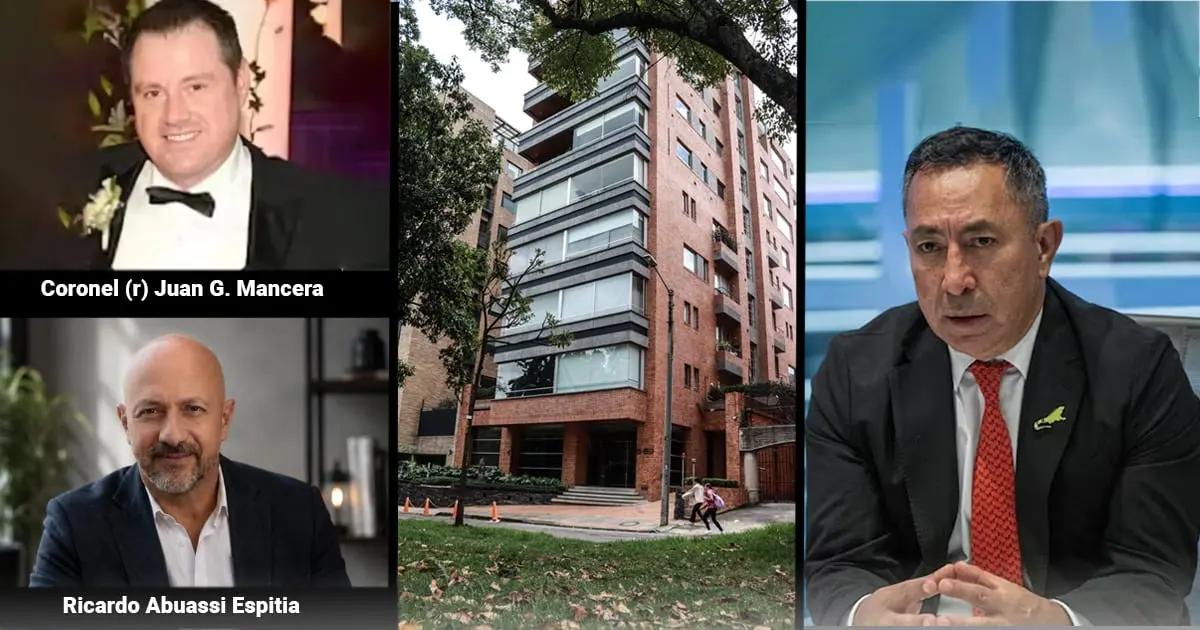
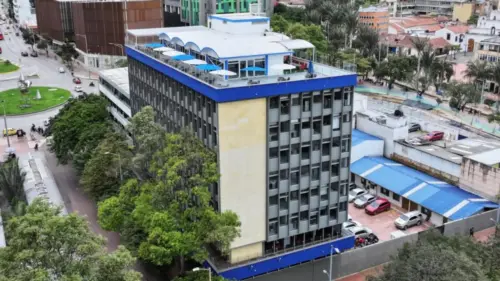
Bogotá, Colombia — In an era where corporate corruption often blurs the lines between investigative journalism and dark fiction, a sprawling financial scandal in Colombia has taken an unexpectedly surreal turn. At the center of the controversy is a luxury apartment on Bogotá’s exclusive 92nd Street—a property recently seized by the judiciary from former Ecopetrol President Ricardo Roa. The apartment, which made headlines for being publicly marketed for rent at a staggering 40 million pesos monthly to the tune of Bad Bunny tracks on social media, serves as the physical epicenter of a much deeper web of illicit financing, political patronage, and white-collar maneuvering.
While Roa faces mounting legal scrutiny over alleged campaign finance violations during his tenure as manager of the Petro Presidential campaign—and for allegedly receiving the high-end property as a gift—investigative findings have unearthed a hidden link. A core shareholder behind the corporate apparatus tied to the acquisition is none other than Ricardo Abuassi Espitia: a low-profile oil sector businessman turned international bestselling author whose debut novel tackles financial fraud and real estate scams.
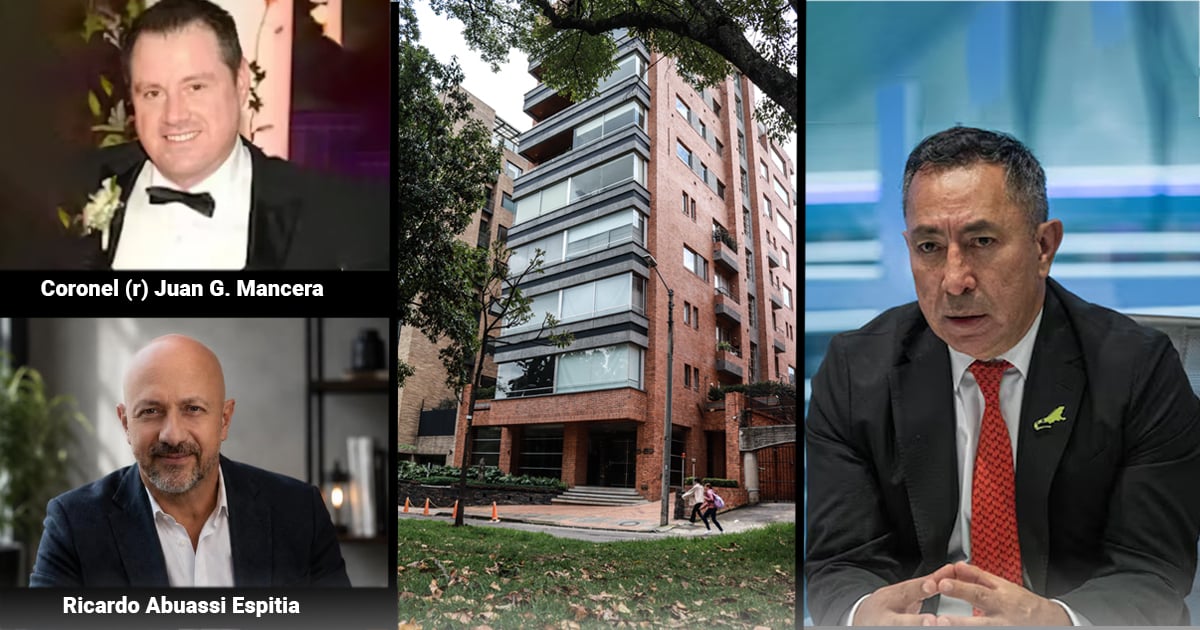
As prosecutors piece together a complex puzzle involving state oil subsidiaries, offshore holding companies in the British Virgin Islands, and disputed real estate transactions, the lines between Abuassi’s fiction and the hard reality of his business partnerships have begun to blur alarmingly.
Main Facts
The unfolding legal and corporate drama revolves around several key pillars, connecting state-level energy operations to high-society real estate deals:

- The Seized Property: Apartment 901 in the upscale Museo del Chicó sector of northern Bogotá, along with a property in Santa Marta, forms the core of the criminal investigation. Prosecutors allege that these assets were acquired by Roa and his partner, Carlos Julián Caicedo Cano, through third-party intermediaries and below-market transactions designed to obscure the true benefactors.
- The Key Intermediary: Retired Police Colonel Juan Guillermo Mancera has been identified by the Colombian Prosecutor’s Office as a pivotal fixer who allegedly engineered the property purchases for Roa. In return, Roa reportedly sought to benefit Mancera through lucrative multi-million-dollar gas supply and infrastructure deals with Hocol, a subsidiary of Colombia’s state-owned oil conglomerate, Ecopetrol.
- The Corporate Vehicle: The operational backbone of Mancera’s business network consists of Plus Energy S.A.S. (a major liquid fuel wholesaler certified by the CREG with sales exceeding 100,000 million pesos in 2025) and its logistics arm, Plus Almacenaje S.A.S.
- The Author-Shareholder: Ricardo Abuassi Espitia holds a 10% Class A share stake in these entities. In 2025, Abuassi transitioned from the shadows of the petroleum sector to international literary fame by publishing Las 4 Víboras: Preludio de una estafa inmobiliaria (The 4 Vipers: Prelude to a Real Estate Scam), a financial thriller that allegedly topped Amazon bestseller charts across six countries.
- The International Connection: Corporate registries and shareholder meetings reveal that Mancera maintains a controlling stake (75.5%), while Abuassi holds his 10%. Other minority stakeholders include figures tied to high-stakes oil ventures, such as María Paola Mejía (wife of oilman Serafino Iacono), whose offshore company, Princeton International Holdings Corp. (based in the British Virgin Islands), factored into the tangled web of the disputed real estate assets.
Chronology of Events
To understand how a retired police colonel, an oil sector executive, an international literary figure, and the head of Colombia’s premier state oil company became legally intertwined, it is necessary to examine the timeline of corporate filings and political milestones:
- April 26, 2018: Shareholders convene at the World Trade Center in Ibagué to formalize Plus Almacenaje S.A.S. (Act No. 004). The foundational document establishes Juan Guillermo Mancera as the majority stakeholder and Ricardo Abuassi as a key minority investor holding a 10% block.
- February 7, 2020: During an ordinary assembly in Ibagué (Act No. 19), Plus Energy S.A.S. solidifies its corporate structure. Mancera controls 75.5% of the capital through 34,737,561 Class A shares, while Abuassi maintains his 10% holding (4,601,001 shares). The registry also captures figures like María Paola Mejía, tying the fuel distributor directly to networks associated with international petroleum investors.
- Christmas 2022: Ricardo Roa and his partner, Carlos Julián Caicedo Cano, reportedly take up residence in the disputed luxury properties, which prosecutors claim were funneled to them as illicit gifts or through undervalued transactions orchestrated with Mancera’s assistance.
- November 2024: Amid brewing suspicions and initial investigative pressures, the corporate group executes asset defense maneuvers. GAXI S.A.S. E.S.P. (a related entity within the group that signed a confidential agreement with Ecopetrol’s subsidiary Hocol) engages in a sale with a retrovention pact to Juan Alberto Galindo Vélez, owner of the prominent restaurant chain Crepes & Waffles.
- March 2026: The Colombian Prosecutor’s Office officially slaps formal imputations against Ricardo Roa, Juan Guillermo Mancera, and other associates, detailing charges of influence peddling, bribery, and illicit asset acquisition. Investigators highlight how Mancera acted as an intermediary to secure cut-rate real estate for Roa while angling for lucrative state-backed energy contracts.
- Late 2025 – Early 2026: Ricardo Abuassi launches his debut novel, Las 4 Víboras, with aggressive marketing campaigns. Presented publicly at the Grand Lodge of Masons in Bogotá, the book achieves viral success on digital platforms, marketed as a fictionalized account of transnational real estate fraud that mirrors white-collar financial structures.
- September 2026: The scandal reaches a surreal public crescendo when a luxury rental advertisement for Roa’s seized Bogotá apartment circulates on social media set to Bad Bunny music, prompting fresh journalistic deep-dives into the corporate registry documents that tie the properties back to Mancera, Iacono, and the fuel-distribution network where Abuassi remains a historical shareholder.
Supporting Data and Corporate Architecture
The official documentation housed within Colombia’s business registries (RUES) and chamber of commerce archives paints a picture of a tightly knit, resilient corporate ecosystem.
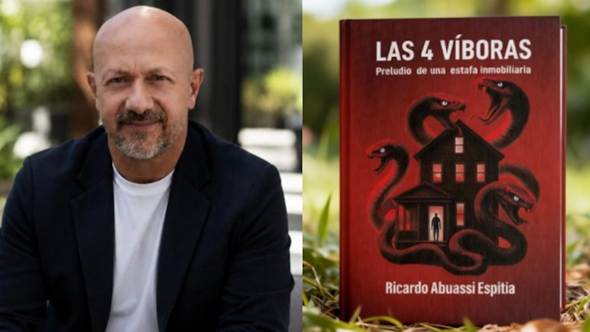
According to Acta No. 19 of Plus Energy S.A.S., the ownership breakdown of the enterprise—which grew into a dominant liquid fuel distributor boasting revenues over 100,000 million pesos—is structured as follows:
| Shareholder / Entity | Ownership Stake | Share Type / Details |
|---|---|---|
| Juan Guillermo Mancera García | 75.5% | 34,737,561 Shares (Class A) |
| Ricardo Abuassi Espitia | 10.0% | 4,601,001 Shares |
| María Paola Mejía | 5.0% | Tied to petroleum networks (wife of Serafino Iacono) |
| Juan Pablo Torres Hernández | 4.0% | Minority corporate partner |
| Óscar Fernández | 4.0% | Minority corporate partner |
| Inversiones Jiménez Manosalva S.A.S. | 1.5% | Institutional minority stakeholder |
Crucially, while related entities like GAXI S.A.S. E.S.P. engaged in reactive asset shuffles—such as transferring ownership via retrovention pacts to distance themselves from investigators before buying them back—Plus Energy and Plus Almacenaje have maintained their foundational shareholder bloc. The 85.5% combined voting block of Mancera and Abuassi has remained institutionally stable on paper since the 2020 filings, binding the novelist directly to the financial vehicles currently under judicial scrutiny.

Official Responses and Judicial Standings
As the legal net tightens, the positions of the individuals involved vary sharply:
- The Accused Officials: Former Ecopetrol President Ricardo Roa has consistently denied any wrongdoing, defending the legitimacy of his asset acquisitions and maintaining that political motivations underpin the relentless attacks on his career. Roa is currently responding to courts regarding charges of illicit enrichment, influence peddling, and campaign finance breaches stemming from his time leading Gustavo Petro’s 2022 presidential bid.
- The Intermediary: Retired Colonel Juan Guillermo Mancera faces formal charges from the Prosecutor’s Office for acting as the clandestine bridge between private sector hydrocarbon interests and state-level procurement. Investigators argue that Mancera leveraged his corporate front companies—Plus Energy and GAXI—to secure preferential treatment from Hocol, effectively trading state energy concessions for personal favors and real estate acquisitions for high-ranking government allies.
- The Author’s Stance: Ricardo Abuassi Espitia has not been formally charged or imputed in the criminal proceedings against Roa and Mancera. Publicly, Abuassi has distanced his literary career from his corporate investments, framing Las 4 Víboras as an imaginative thriller born from creative inspiration and general observations of white-collar crime. However, literary blurbs and biographical notes distributed by publishing house Avión de Papel and platform Buscalibre explicitly cross-reference his real-world business background—including executive roles in commercial enterprises registered in Panama and Colombian fuel distributors—firmly anchoring his identity to the 10% stakeholder of Plus Energy.
Implications of the Scandal
The convergence of state energy policy, luxury real estate seizures, and international literature carries profound implications for Colombian corporate governance and public trust:
- The Vulnerability of State-Owned Enterprises: Ecopetrol and its subsidiaries have repeatedly found themselves dragged into political crossfires. The allegations that private fuel distributors and infrastructure partners could allegedly trade insider influence for personal real estate acquisitions underscore systemic vulnerabilities in how public-private energy contracts are awarded and monitored.
- The "Art Imitating Life" Phenomenon: Abuassi’s literary venture introduces an extraordinary cultural footnote to an otherwise grim financial corruption probe. If prosecutors ultimately prove that the corporate entities managing fuel logistics were simultaneously serving as conduits for illicit real estate favors, Abuassi’s bestselling novel on financial fraud transforms from a simple work of fiction into an inadvertent window—or perhaps a brazen chronicle—of elite white-collar mechanics in Colombia.
- Corporate Accountability and Asset Shielding: The complex web of offshore holdings (such as Serafino Iacono’s Princeton International Holdings Corp. in the British Virgin Islands) paired with domestic corporate shuffles (such as the retrovention pacts involving Crepes & Waffles owner Juan Alberto Galindo Vélez) demonstrate the sophisticated mechanisms utilized by Colombian economic elites to safeguard assets when state investigations close in.
As judicial proceedings advance through the courts, the enduring paper trail signed in Ibagué in February 2020 remains a crucial piece of the prosecutorial puzzle. Whether the association between a retired colonel, an oil executive, and a bestselling novelist remains a matter of unfortunate corporate history or evolves into a broader criminal conspiracy will depend entirely on how far the judiciary is willing to follow the fuel lines, offshore accounts, and luxury apartment deeds to their ultimate conclusions.


Leave a Reply