

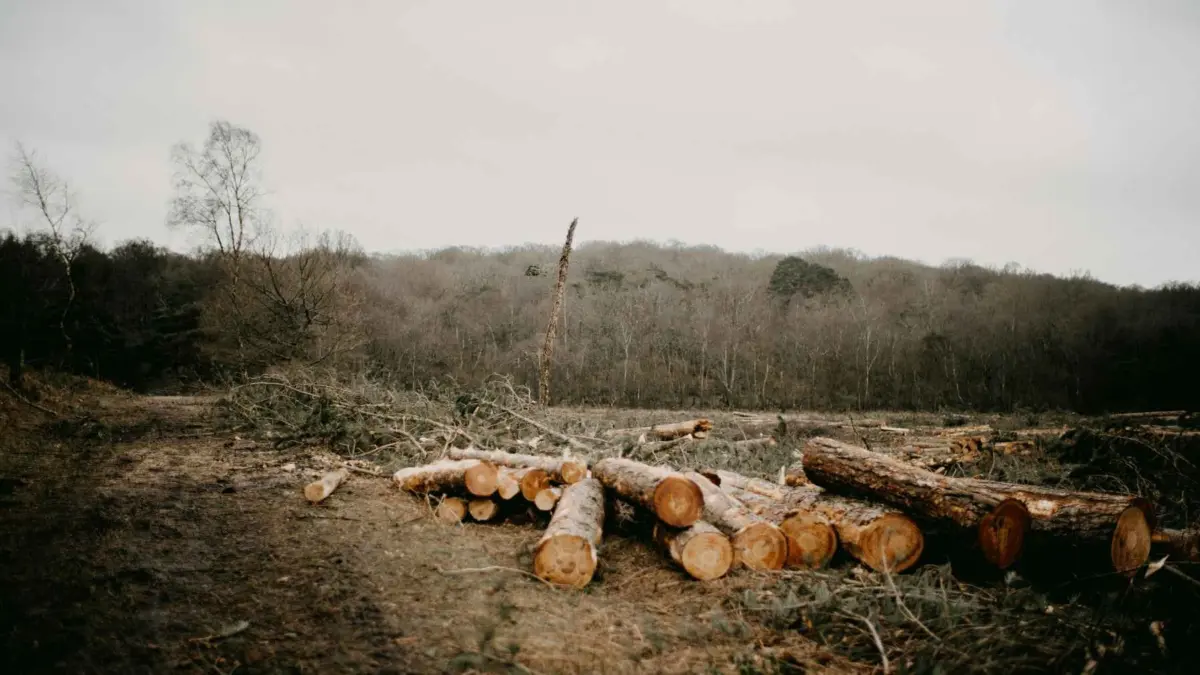
GENEVA / GLOBAL — As the accelerating climate crisis tests the ecological limits of the planet, international governance bodies are confronting a parallel catastrophe: the exponential rise of transnational environmental crime. Driven by surging global demand for raw materials, rapid economic development, and technological expansion, illegal economies tied to the destruction of nature have evolved into some of the most lucrative illicit enterprises on Earth.
In response to this escalating threat, the International Union for Conservation of Nature (IUCN) has issued a resounding call to action. The organization is demanding the rapid implementation of robust international regulations, stronger penal justice tools, and binding legal frameworks to prevent, disrupt, and severely punish crimes against the natural world. This urgent advocacy took center stage during recent high-level United Nations discussions, where world leaders were forced to confront an uncomfortable truth: without criminalizing and halting the systemic destruction of ecosystems, global climate targets and the 2030 Agenda for Sustainable Development will remain unattainable.
Main Facts: The Anatomy of a Global Ecological Crisis
The intersection of climate change and human-driven environmental exploitation has created a precarious global landscape. While rising global temperatures, prolonged droughts, and catastrophic heatwaves continue to threaten global water security, agricultural systems, and human health, the deliberate pillaging of natural resources by criminal syndicates exacerbates these vulnerabilities tenfold.
According to conservation experts, environmental crime is no longer merely a localized conservation issue; it has morphed into a sophisticated, highly organized transnational security threat. The primary drivers of this crisis include:
- Illegal Mining: Operating largely outside environmental and labor regulations, unauthorized mining destroys pristine watersheds, contaminates rivers with heavy metals like mercury, and accelerates deforestation in fragile tropical basins.
- Unauthorized Petroleum Extraction: Illicit oil exploration and drilling within legally protected areas and indigenous territories routinely result in catastrophic spills, destroying local biodiversity and displacing vulnerable populations.
- Industrial-Scale Deforestation: Driven by illegal land-clearing for agriculture, timber trafficking, and cattle ranching, the intentional destruction of vital carbon sinks like the Amazon and Congo basins actively accelerates global warming.
- Wildlife Trafficking and Poaching: The illegal trade of endangered species and their parts pushes vulnerable biodiversity toward the brink of permanent extinction, while simultaneously undermining global biosecurity and public health.
The IUCN emphasizes that these activities are deeply intertwined with systemic corruption, money laundering, and human rights abuses. Consequently, combating them requires moving beyond traditional conservation strategies and deploying the full might of international criminal justice.
Chronology: The Road to the XV UN Crime Congress and Beyond
The push for a unified, global penal response to environmental destruction has evolved through a critical timeline of international diplomacy and escalating environmental alarms:
- The Escalation Phase (2020–2023): As post-pandemic economic recovery efforts accelerated, international law enforcement agencies noted a sharp spike in illegal logging, mining, and wildlife trafficking. Environmental defenders faced unprecedented levels of violence, while ecosystems suffered irreversible losses under the strain of climate change.
- The Strategic Pivot (Late 2023): Conservation organizations, including the IUCN, began aggressively lobbying to reclassify environmental crimes as "serious crimes" under international law, arguing that their transnational scale matches the destructiveness of drug trafficking and arms smuggling.
- The XV United Nations Congress on Crime Prevention and Criminal Justice (Recent Milestone): Serving as the ultimate platform for global debate, this year’s congress adopted the overarching theme: “Accelerating crime prevention, criminal justice, and the rule of law: protecting people and the planet and achieving the 2030 Agenda.” For the first time, crimes against the environment occupied a central, high-level position on the formal agenda.
- The High-Level Intervention (Present Day): IUCN President Razan Al Mubarak led critical high-level thematic segments at the congress, pushing governments to transition from voluntary environmental pledges to hard, legally binding international agreements.
- Upcoming Milestones: The momentum generated at the UN Crime Congress is set to feed directly into the upcoming Conference of the Parties (COP) of the United Nations Convention against Transnational Organized Crime (UNTOC), where specific mechanisms targeting environmental degradation will undergo formal review.
Supporting Data: The Scale of Illicit Environmental Economies
To understand why international bodies are demanding a radical shift in penal justice, one must examine the staggering economic and ecological data associated with environmental crime.
- Financial Magnitude: According to estimates by the United Nations Environment Programme (UNEP) and INTERPOL, environmental crime is the world’s fourth-largest illegal trade, growing at a rate two to three times faster than global GDP. It generates hundreds of billions of dollars annually, rivaling the trafficking of drugs, arms, and humans.
- The Corruption Nexus: The Financial Action Task Force (FATF) has repeatedly highlighted that environmental crimes rely heavily on trade-based money laundering, shell companies, and the corruption of public officials. Illicit profits are routinely laundered through formal financial institutions, deeply embedding green crimes into the global economy.
- Biodiversity Loss: The World Wide Fund for Nature (WWF) notes that wildlife crime alone has decimated populations of iconic species by staggering percentages over the past five decades, directly fracturing the resilience of ecosystems necessary to buffer against climate change impacts.
- The Human Toll: Beyond the destruction of flora and fauna, environmental crimes exact a heavy human toll. Global Witness reports that hundreds of land and environmental defenders—disproportionately indigenous leaders—are murdered annually while attempting to protect their territories from illegal extraction rings.
Official Responses: Leadership Demands Binding Action
The international community’s response to these statistics has crystallized around a demand for stronger legal architecture. At the forefront of this movement is IUCN President Razan Al Mubarak, whose leadership at the UN Crime Congress helped galvanize global stakeholders.
"We can no longer treat crimes against nature as administrative infractions or secondary concerns," Al Mubarak asserted during her address at the congress. "The systemic destruction of our ecosystems is a direct assault on human security, global stability, and future generations. Governments must urgently prioritize environmental crime within their domestic penal codes and international cooperative frameworks."
Al Mubarak outlined several non-negotiable pillars required to construct an effective global defense against ecological crime:
- Enhanced Cross-Border Intelligence Sharing: Because environmental criminals frequently operate across multiple jurisdictions, national law enforcement agencies must vastly improve real-time intelligence sharing regarding shipping routes, financial flows, and smuggling networks.
- Strengthened Institutional Enforcement: International bodies and national police forces require specialized units trained specifically in environmental forensics, financial auditing of supply chains, and digital tracking of illicit commodities.
- Targeted Financial Support: Governments and philanthropic foundations must direct robust funding toward front-line organizations, investigative journalism networks, and enforcement agencies actively dismantling transnational criminal syndicates.
- Transition to Binding Legal Frameworks: Voluntary guidelines and soft-law agreements have proven insufficient. The international community must codify ecocide and severe environmental degradation as international crimes, creating enforceable legal obligations for all signatory states.
Implications: Integrating Law, Technology, and Economics for a Sustainable Future
The implications of successfully integrating criminal justice into environmental protection are profound. If the global community adopts the comprehensive frameworks advocated by the IUCN, the landscape of global commerce and conservation will fundamentally transform.
Bridging the Technological Gap
Future enforcement strategies will heavily rely on cutting-edge technology. Satellite monitoring, artificial intelligence analysis of trade data, DNA barcoding for wildlife forensics, and blockchain tracking of timber and mineral supply chains are set to become standard tools for prosecutors and investigators. By merging traditional legal mechanisms with advanced technology, authorities can pierce the corporate veils used by criminal syndicates to hide their operations.
The Path Forward: UNTOC and Beyond
The immediate test for these proposals will take place at the upcoming Conference of the Parties to the United Nations Convention against Transnational Organized Crime (UNTOC). This forum provides a vital legislative avenue to mandate that member states criminalize serious environmental offenses under their domestic laws, ensuring mutual legal assistance, extradition treaties, and asset-recovery mechanisms are applicable to environmental criminals.
Ultimately, the message emerging from the global conservation and legal communities is unequivocal. The climate crisis cannot be mitigated through carbon markets and renewable energy transitions alone while the very foundations of the biosphere are being systematically undermined by impunity and greed. By elevating environmental crimes to the highest tier of international penal priority, global leaders have a narrowing window to protect the planet, uphold the rule of law, and secure a viable future for humanity.



Leave a Reply